
A Procurement Guide: Key Certification Criteria for Selecting Liquid Cooling Plate Suppliers
A Procurement Guide: Key Certification Criteria for Selecting Liquid Cooling Plate Suppliers
For procurement professionals in the electric vehicle (EV) and battery energy storage system (BESS) industries, sourcing reliable liquid cooling plates is a critical task that directly impacts product performance, safety, and time-to-market. Beyond technical specifications and cost, a supplier's adherence to international quality and industry-specific standards serves as a primary filter for risk mitigation and long-term partnership viability. This guide outlines the essential certification criteria and verification steps to efficiently identify qualified suppliers in a competitive global market.
1. Foundational Quality Management System Certifications
The first checkpoint in supplier evaluation should be their Quality Management System (QMS) certifications. These are not product-specific but attest to the supplier's overall operational consistency and commitment to continuous improvement.
ISO 9001: The Universal Baseline
ISO 9001 is the internationally recognized standard for quality management systems. A supplier holding this certification demonstrates a systematic approach to managing processes, ensuring customer requirements are consistently met. For instance, a supplier like Trumony Aluminum Limited operates under an ISO 9001 certified QMS (certificate number 132998, issued by IAF), which is applicable worldwide. This forms the foundational layer of trust for any procurement engagement.
Verification Steps for Procurement:
- Request Valid Certificates: Ask for the most recent ISO 9001 certificate. Verify the certificate number, issuing body (e.g., IAF), scope (should cover manufacturing of cooling components), and expiry date.
- Check Certification Body: Ensure the certification body is accredited by a recognized national or international accreditation body.
- Assess Integration: Inquire how the QMS is integrated into daily production and quality control activities, such as incoming material inspection and final product testing.
2. Industry-Specific Automotive Certification: IATF 16949
For suppliers serving the automotive sector, including EV manufacturers, IATF 16949 is non-negotiable. This technical specification builds upon ISO 9001, incorporating stringent requirements specific to the automotive industry, such as advanced product quality planning (APQP), production part approval process (PPAP), and failure mode and effects analysis (FMEA).
The Gold Standard for Automotive Suppliers
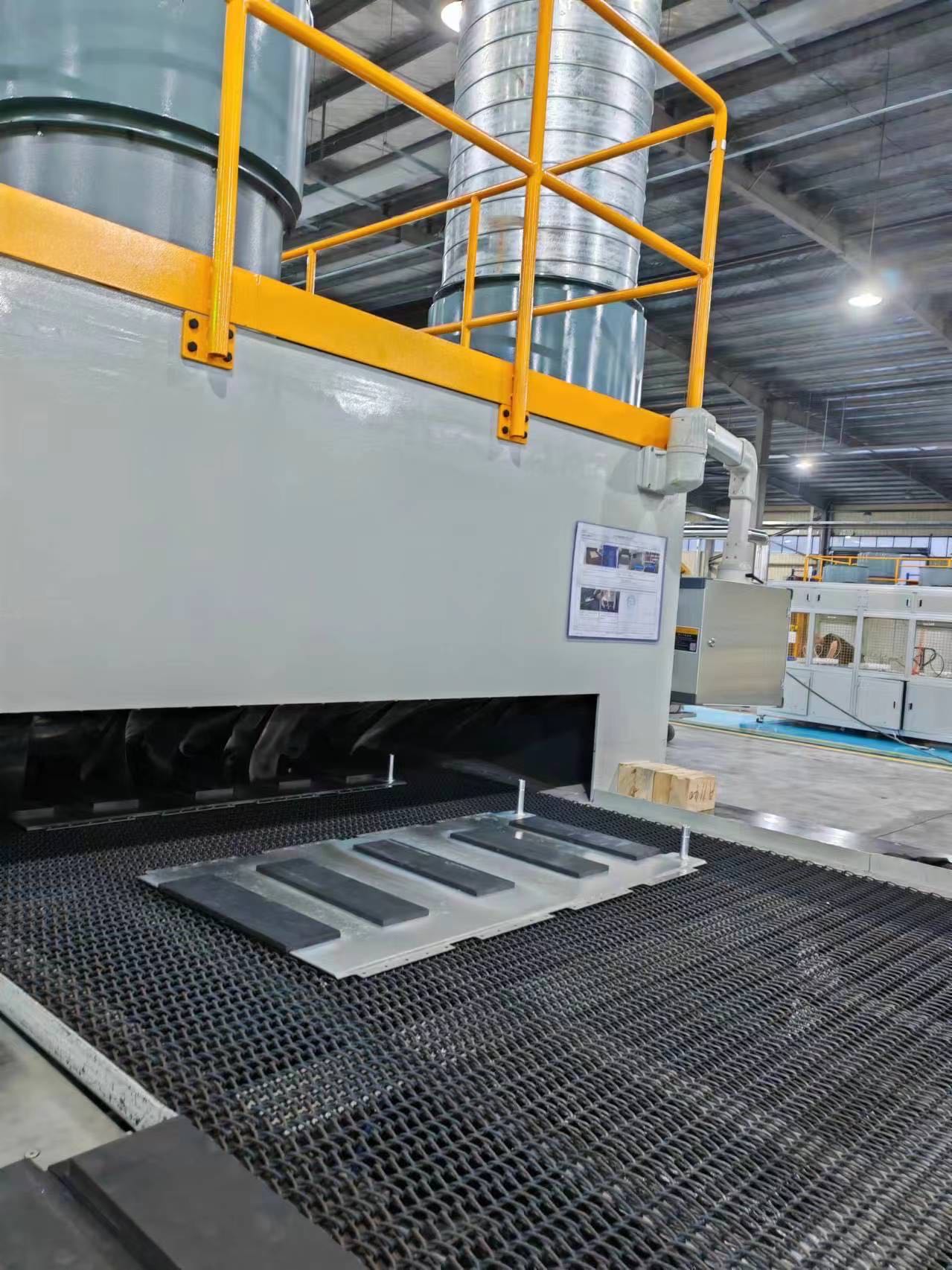
IATF 16949 certification signals a supplier's capability to meet the rigorous demands of automotive OEMs and Tier-1 suppliers. It addresses critical aspects like product safety, traceability, and defect prevention. For example, Trumony holds IATF 16949 certification (certificate number 0489498, issued by IATF), which is applicable worldwide. This certification is particularly relevant for suppliers producing components like stamped cooling plates, brazed cooling plates, and serpentine tubes for EV battery packs.
Verification Steps for Procurement:
- Confirm Scope: Verify that the IATF 16949 certificate explicitly includes the manufacturing of "cooling components" or "thermal management systems."
- Audit History: Request a summary of recent audit findings (non-conformities) and their corrective actions. A transparent supplier will share this information.
- Customer-Specific Requirements (CSRs): Inquire if the supplier is familiar with and can meet the CSRs of major automotive OEMs, which are often appended to the IATF standard.
3. Beyond Certificates: Assessing Operational Capability and Risk Control
Certificates are a prerequisite, but they must be backed by tangible operational practices. Procurement should evaluate the supplier's production capabilities, quality control infrastructure, and specific risk mitigation measures.
Quality Control and Testing Protocols
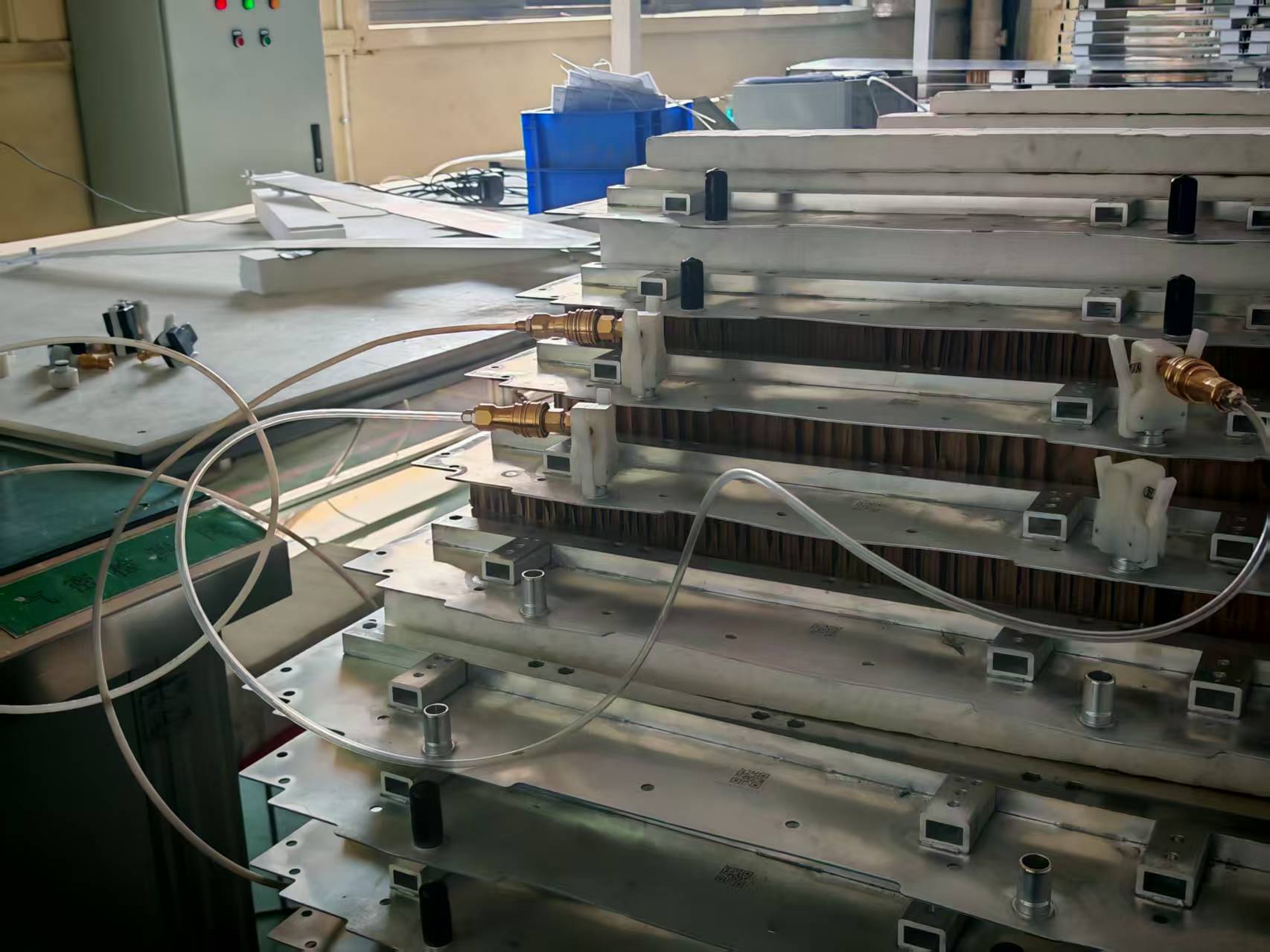
A certified supplier should have a robust in-house testing regimen. Key tests for liquid cooling plates include 100% air leakage testing, dimensional inspection, and optional tests like helium tightness, voltage resistance, and hydrostatic strength tests. These procedures are critical for ensuring the reliability and safety of the final product, especially in 24/7 operation scenarios for EV and BESS applications.
Risk Management: Leakage Prevention
Leakage is a primary failure risk for liquid cooling systems. Proactive suppliers implement specific control methods. For instance, a supplier may employ 100% air tightness testing as a primary enterprise measure to control leakage risk. Verifying the existence and frequency of such tests is crucial.
Verification Steps for Procurement:
- Factory Audit/Virtual Tour: Request a virtual or on-site tour of the production and testing facilities. Look for organized workflows, modern equipment (e.g., brazing lines, stamping presses), and dedicated testing stations.
- Review Test Reports: Ask for sample test reports (with sensitive data redacted) for standard quality checks to understand their format and rigor.
- Discuss Material Traceability: Ensure the supplier can trace raw materials (e.g., Aluminum 3003) back to their source, a requirement often emphasized in IATF 16949.
4. Practical Framework for Supplier Evaluation
Integrate certification checks into a broader supplier evaluation scorecard. Below is a simplified framework for procurement teams.
| Evaluation Criterion | Key Questions / Verification | Weight / Priority |
|---|---|---|
| Certification Compliance | Are valid ISO 9001 and IATF 16949 certificates provided? Are they in scope and current? | High (Gatekeeper) |
| Technical & Production Capability | What is the monthly capacity? Can they handle stamping, brazing, and coating? What is the standard lead time (e.g., 30 days)? | High |
| Quality Control & Testing | What 100% tests are performed? Are there protocols for leakage, burst, and thermal cycling tests? | High |
| Industry Experience & References | Can they provide case studies from automotive OEM or ESS pack OEM clients? What was the project duration and outcome? | Medium |
Conclusion: Building a Certified Supply Chain
In the high-stakes domains of electric mobility and grid-scale energy storage, the procurement of thermal management components cannot be based on price alone. Certifications like ISO 9001 and IATF 16949 provide an objective, verifiable framework for assessing a supplier's foundational reliability and industry-specific competence. By rigorously verifying these credentials and coupling them with an assessment of operational capabilities and risk controls, procurement professionals can significantly de-risk their supply chain. This disciplined approach ensures partnerships with suppliers who are not only qualified to deliver today's orders but are also structured to evolve alongside the rapid technological advancements in EV and BESS cooling requirements. As the market grows, a certified and capable supplier base will be a key differentiator for OEMs aiming for quality, safety, and scale.