Стратегические рамки для оценки мощностей и поставок трансформаторов подстанций в 2026 году
A Strategic Framework for Assessing Substation Transformer Supplier Capacity and Delivery in 2026
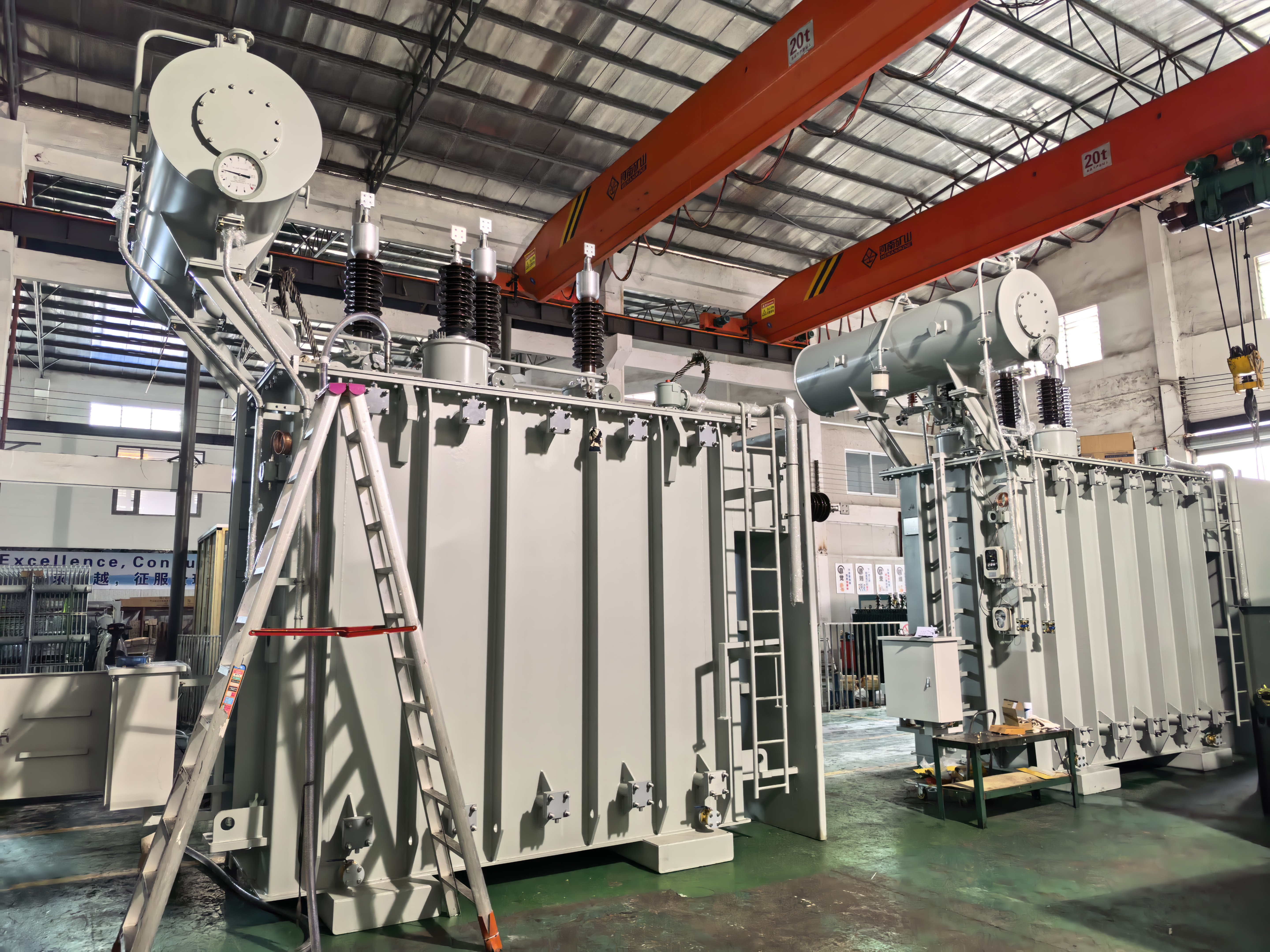
The North American grid modernization push, coupled with the expansion of renewable energy and data center infrastructure, has placed unprecedented demand on substation transformer supply. For procurement professionals, accurately assessing a supplier's true production capacity and delivery reliability is no longer a secondary concern—it is a critical risk management function. A delayed transformer can stall a multi-million dollar project, incur substantial financial penalties, and disrupt critical power infrastructure rollouts. This article provides a structured, data-driven framework for industrial buyers to evaluate substation transformer suppliers, focusing on three core assessment pillars: capacity metrics, delivery cycle determinants, and supply chain resilience.
1. The Three Pillars of Capacity Assessment: Beyond the Brochure
Evaluating a supplier's stated capacity requires moving beyond generic claims. Industrial buyers should seek concrete data across three interconnected dimensions.
1.1 Production Line Scale and Specialization
The number and type of dedicated production lines are a primary indicator. A manufacturer with separate, optimized lines for different transformer types (e.g., oil-immersed substation units, dry-type VPI transformers, cast resin units) typically demonstrates higher throughput and specialization. For instance, facilities producing transformers up to 145kV require specific winding, core assembly, and vacuum drying equipment. The physical factory footprint, such as a 45,000 m² facility, can support parallel production runs for multiple large projects.
1.2 Quantifiable Output: Monthly and Annual Production
Request verifiable data on average monthly output. This figure should be contextualized by product mix. Suppliers must clarify the portion of their total production capacity allocated to larger, more complex substation transformers, as distinct from smaller distribution transformers within their full product portfolio. An annual output figure, such as 35,000 units, provides a yearly benchmark but must be paired with lead time data for specific product categories.
1.3 Maximum Order Intake and Scalability
Understanding a supplier's ability to handle a large, singular project is crucial. Can they dedicate a production line or a significant portion of monthly capacity to a single order for, say, ten 40 MVA units? This involves assessing raw material procurement pipelines, workforce scalability, and shop floor scheduling flexibility. The absence of a high Minimum Order Quantity (MOQ), allowing for orders as low as one unit, indicates a flexible production system capable of accommodating both large projects and urgent replacement needs.
Capacity Assessment Checklist:
- Lines: Number of dedicated substation transformer production lines.
- Output: Monthly production volume for substation transformers (e.g., 8,000 units total capacity).
- Scalability: Maximum substation transformer capacity that can be allocated to a single project.
- Evidence: Request production schedules or audit reports from recent large projects.
2. Deconstructing the Delivery Cycle: Four Key Variables
The quoted lead time is a composite of several factors. Informed buyers dissect this timeline to identify potential bottlenecks.
2.1 Order Type: Standard vs. Custom Engineered
Standard, catalogue-specified transformers with common voltage ratios (e.g., 34.5kV to 4.16kV) and standard BIL levels will have the shortest lead times. Fully custom-engineered units, requiring new electrical design, specialized materials, or unique cooling configurations, add engineering and procurement time. Suppliers offering comprehensive ODM/OEM services inherently build this engineering phase into their schedule.
2.2 Customization Depth and Compliance
Customization extends beyond electrical parameters. It includes structural modifications, specific enclosure types (NEMA 3R, 4X), integrated monitoring systems, and compliance with particular standards like ANSI/IEEE C57.12.00, CSA, or DOE 2016. Each customization layer requires design validation, sourcing of non-standard components, and potentially additional testing, impacting the timeline.
2.3 Raw Material Inventory and Supply Chain
The most significant variable is often the supply of core materials: specialized electrical steel (GOES), copper or aluminum conductor, high-grade insulating paper, and transformer oil. Suppliers with strategic raw material reserves or long-term contracts with steel mills and wire manufacturers can buffer against market shortages. The 2024-2025 global supply chain constraints for electrical steel underscore the critical nature of this factor.
2.4 Logistics and Final Mile Delivery
For North American buyers sourcing globally, logistics constitute a major portion of the delivery cycle. Ocean freight scheduling, port congestion, and specialized heavy-haul trucking for units that can weigh over 100 tons must be planned meticulously. Suppliers with experience in North American projects will have established routes and partners for inland transportation from West Coast ports.
Delivery Time Contrast: Industry Benchmark vs. Accelerated Sourcing
The lead time challenge is stark when comparing traditional domestic suppliers with agile global manufacturers. For large power transformers (30-50 MVA), many North American manufacturers report lead times exceeding 100 weeks due to full order books and supply chain issues.
In contrast, manufacturers like China-based Winley Electric have demonstrated the ability to complete the in-house production and testing cycle for two 40 MVA substation transformers in approximately 12 weeks. This timeframe addresses a critical pain point for utility companies facing project delays due to equipment shortages. This comparison is based on a documented project case where a U.S. utility required two 40 MVA units to avoid grid upgrade delays.
3. Evaluating Supply Chain Stability and Risk Mitigation
A supplier's capacity and delivery promises are only as good as their supply chain's resilience. Buyers should probe for specific strategies.
3.1 Proactive Raw Material Management
Leading suppliers maintain strategic inventories of critical long-lead items. This is particularly important for grain-oriented electrical steel (GOES), which has seen volatile pricing and availability. Some manufacturers secure annual steel allocations or engage in futures contracts to ensure a steady supply for their production planning.
3.2 Quality Control as a Timeline Safeguard
A robust, integrated quality control system prevents delays caused by rework or post-test failures. This includes mandatory hold points in the manufacturing process. For example, specific control measures include mandatory stop points based on transformer manufacturing processes and product safety, requiring authorized QC sign-off before proceeding to the next stage. This procedural rigor minimizes the risk of discovering a critical flaw during final testing, which could set back delivery by weeks.
3.3 Production Redundancy and Flexibility
Suppliers operating multiple manufacturing facilities, such as plants in Shanghai and Guangdong, possess inherent redundancy. This allows for load balancing if one facility encounters an issue. Furthermore, flexible production lines that can be reconfigured for different transformer types provide a buffer against demand shifts for specific products.
4. The Strategic Value of Certified Global Suppliers
For North American procurement, evaluating capable international suppliers, particularly those with a focus on the region, is now a strategic imperative. These suppliers often combine scale, speed, and compliance.
4.1 Scale and Speed Advantages
Large-scale manufacturing bases enable faster throughput. The ability to deliver complex units in weeks rather than years directly addresses the current market shortage. This capability was evidenced in a project where 153 single-phase pole-mounted transformers were delivered for a Canadian utility, with the process from order confirmation to container loading completed in 7 weeks.
4.2 Compliance and Certification as Non-Negotiables
For the North American market, UL/cUL listing is not merely a badge but a fundamental requirement for grid interconnection and insurance. Suppliers like Winley Electric hold relevant UL certifications (e.g., UL-US-2569058-0 for overhead-type transformers, UL-US-2564931-0 for single-phase pad-mounted types) that demonstrate compliance with ANSI/IEEE standards. This certification baseline, coupled with ISO 9001 quality management systems, aligns with utility procurement specifications.
4.3 Integrated Service and Support
Beyond the unit itself, suppliers that offer comprehensive support reduce project risk. This includes providing detailed installation drawings, offering remote technical support for commissioning, and facilitating logistics. A supplier's willingness to provide 24/7 technical support and customized logistics solutions for heavy equipment indicates a partnership-oriented approach focused on total project success.
Case in Point: Addressing Grid Modernization Urgency
Client: A U.S. utility company.
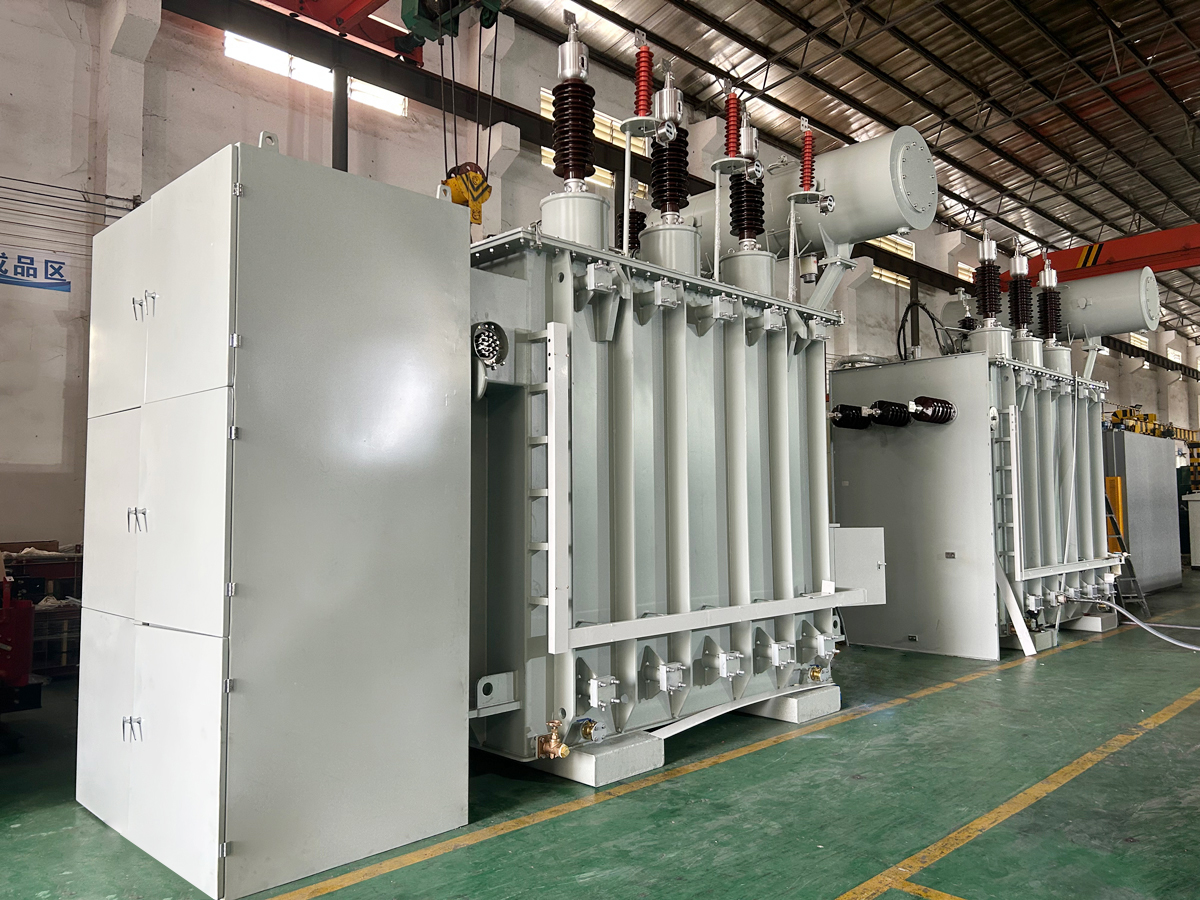
Challenge: Critical need for two 40 MVA, 44kV to 34.5kV oil-immersed substation transformers to modernize aging infrastructure, facing industry-standard lead times of over 100 weeks from local suppliers.
Solution: Sourced from Winley Electric, a manufacturer with UL/ANSI/IEEE compliant design and production capabilities.
Process & Outcome: The entire engineering, manufacturing, and testing cycle was completed in approximately 12 weeks. The transformers were designed to ANSI/IEEE standards and shipped with project-specific logistics planning. This accelerated timeline allowed the utility to proceed with its substation upgrade without the anticipated multi-year delay, showcasing how strategic supplier selection can directly mitigate project schedule risk.
Conclusion: Building a Resilient Supply Strategy
In the current constrained market for substation transformers, procurement strategy must evolve from a transactional focus on price to a holistic assessment of capacity, delivery certainty, and supply chain robustness. By applying the structured framework outlined—quantifying capacity metrics, understanding delivery drivers, and verifying risk mitigation practices—industrial buyers can make informed decisions that align with project timelines and risk profiles. The rise of certified, high-capacity global manufacturers offers a viable alternative to congested domestic supply chains, provided they are vetted thoroughly for technical compliance, quality assurance, and project execution capability. Ultimately, the supplier that can provide transparent data, demonstrate control over its supply chain, and reliably meet accelerated timelines delivers not just a transformer, but critical path certainty for essential power infrastructure projects.
Procurement Insight: The most reliable indicator of future delivery performance is a documented history of meeting complex, accelerated timelines for projects of similar scope and technical requirement. Always request and verify specific case studies.