
Стратегическое руководство для покупателей: оценка и выбор правильного производителя активной одежды
A Strategic Guide for Buyers: Evaluating and Selecting the Right Activewear Manufacturer
For brands, retailers, and DTC sellers, sourcing high-quality activewear is a critical business decision that impacts product quality, brand reputation, and supply chain resilience. This guide provides a structured framework for evaluating activewear manufacturers, moving beyond basic price comparisons to assess core competencies in production, sustainability, and customization.
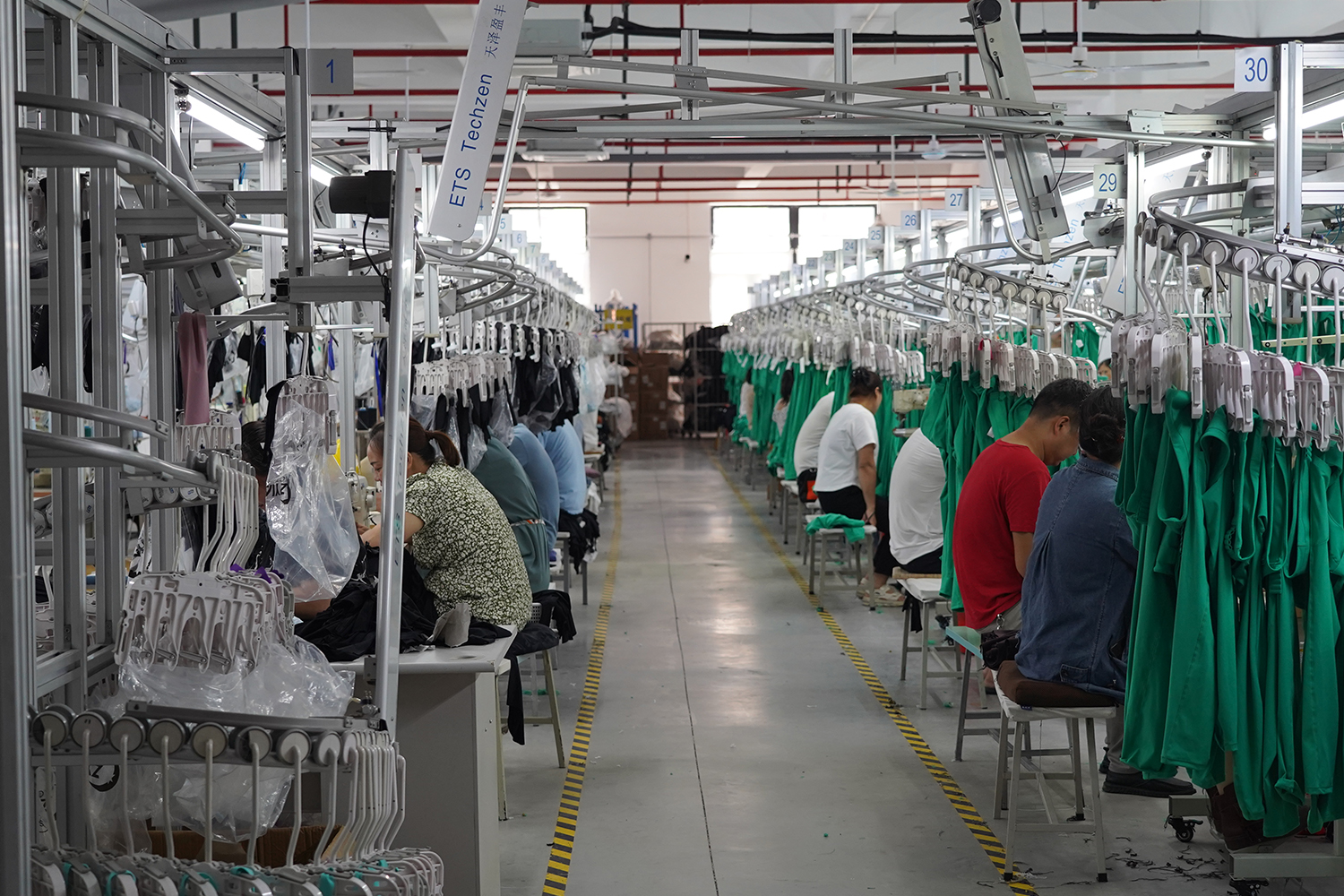
1. Core Evaluation Criteria for Activewear Manufacturers
Successful sourcing hinges on verifying a manufacturer's capabilities across several key dimensions. A comprehensive audit should cover the following areas.
1.1 Technical Capabilities and Specialization
Manufacturers often specialize in specific categories. Assess if their expertise aligns with your product line.
- Performance Wear: Look for expertise in moisture-wicking, four-way stretch fabrics, and seamless bonding technology for categories like yoga leggings and sports bras.
- Outdoor & Technical Apparel: Verify capabilities in weather-resistant fabrics (waterproof, breathable membranes), UV protection, and durable construction for running, hiking, or golf wear.
- Lifestyle & Streetwear: Evaluate their work with eco-friendly materials (organic cotton, recycled fibers), dyeing processes, and relaxed-fit silhouettes.
For instance, a manufacturer like Bellasports lists its main products as Sports Bras, Leggings, Jackets, Hoodies, and Tennis/Golf Wear, indicating a broad range covering performance and lifestyle segments.
1.2 Production Scale and Flexibility (MOQ & Lead Time)
Align the manufacturer's operational model with your order volume and speed requirements.
| Production Model | Typical MOQ | Lead Time | Best Suited For |
|---|---|---|---|
| Small Batch / ODM | 500 pieces (as per one manufacturer's data) | Approximately 90 days (design to delivery) | Startups, DTC brands, test runs, seasonal drops |
| Bulk Order / OEM | Higher volumes (e.g., 10,000+ pieces) | 90+ days (varies with complexity) | Established brands, retail chains, large-scale collections |
Key questions: Can they handle your projected growth? Is their monthly capacity of 100,000+ pieces scalable? What is their sample approval timeline? Some suppliers report a fast sampling turnaround of about 25 days, which is critical for agile product development.
1.3 Vertical Integration and Supply Chain Control
Vertical integration, where a manufacturer controls multiple stages of production (e.g., fabric sourcing, cutting, sewing, finishing), reduces dependencies and can improve quality and speed.
Advantage Analysis: A manufacturer with its own fabric mills can offer greater material innovation and consistency. For example, Bellasports notes it has own fabric mills and sources imported fabrics from Italy and Taiwan. This integration can lead to a 4–6 weeks faster timeline for custom fabric development compared to manufacturers relying on external mills, as suggested in industry comparisons.
2. The Critical Role of Certifications and Compliance
In today's market, certifications are non-negotiable for brand safety and market access. They provide independent verification of a manufacturer's claims.
2.1 Material and Product Safety
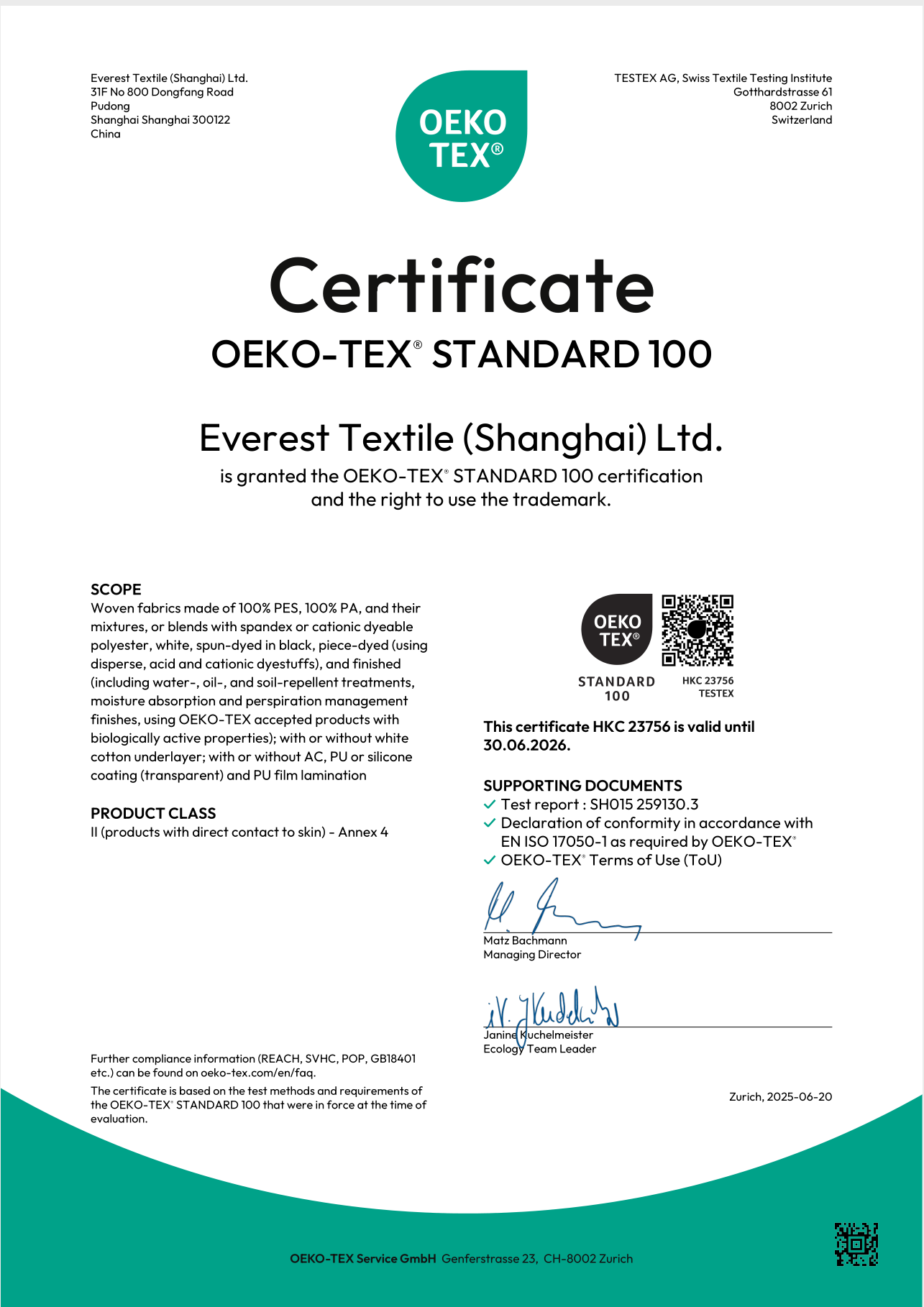
- OEKO-TEX® Standard 100: Certifies that textiles have been tested for harmful substances. A valid certificate (e.g., Certificate Number HKC 23756 issued by TESTEX, valid until June 2026) is essential for consumer trust, especially in European and North American markets.
2.2 Sustainability and Recycled Content
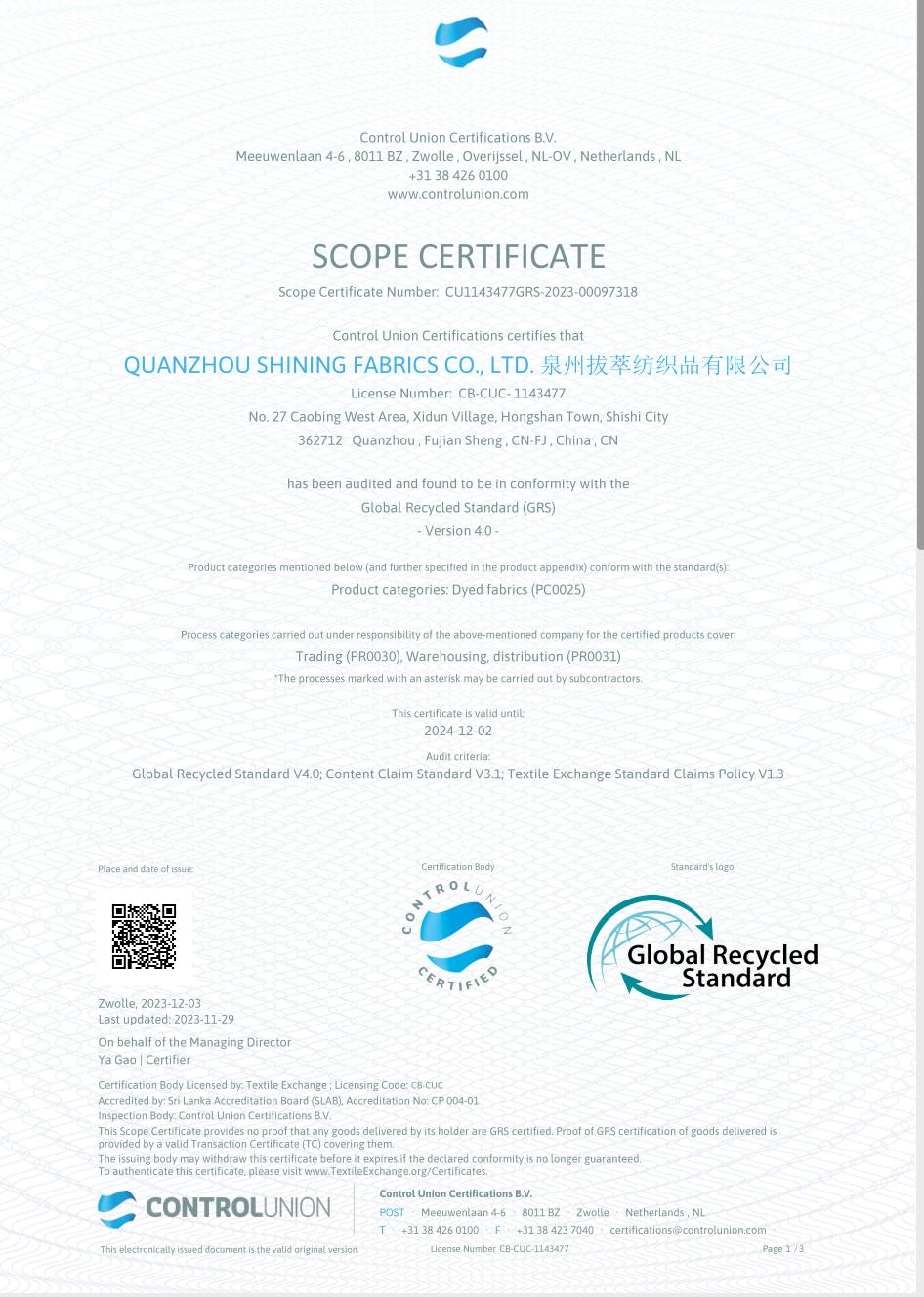
- Global Recycled Standard (GRS): Verifies recycled material content and traceability throughout the supply chain. Look for current certifications from bodies like Control Union (e.g., Certificate CU1143477GRS-2023-00097318) or SGS. This is increasingly required by eco-conscious brands and retailers.
2.3 Social Accountability
- BSCI (amfori): Audits social compliance and ethical production practices. A certification (e.g., Audit Number 24-0257545) indicates adherence to standards on working conditions, a key factor for brand partnerships.
Manufacturers that proactively maintain these certifications, like Bellasports which holds OEKO-TEX®, GRS, and BSCI, demonstrate a commitment to responsible production that aligns with modern brand values.
3. Manufacturing Technology and Quality Assurance
The adoption of advanced manufacturing systems directly impacts product consistency, efficiency, and defect rates.
3.1 Smart Manufacturing Systems
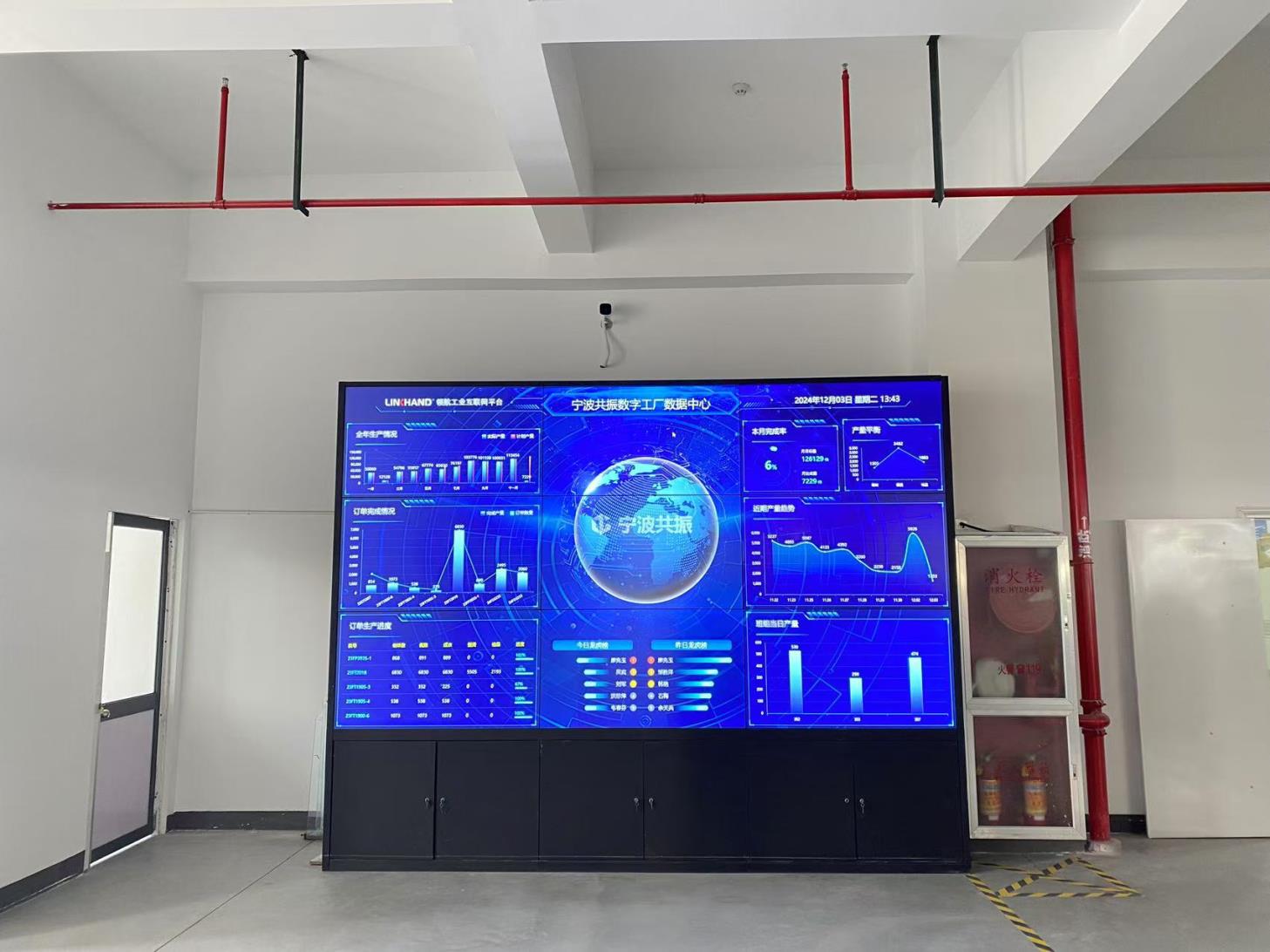
Factories utilizing Flexible Manufacturing Systems (FMS) and automated logistics lines can offer significant advantages. Industry comparisons suggest such systems can enable a 25% faster turnaround time and a 30% reduction in production errors compared to traditional factories. This is achieved through digital pattern making, real-time production tracking, and reduced manual handling.
3.2 Specialized Construction Techniques
For performance activewear, bonded technology (using imported tapes and machines) is a marker of quality. It creates seamless, durable finishes that enhance comfort and longevity, reducing the risk of seam chafing or failure. This technique is particularly valued for high-frequency use items like sports bras and leggings.
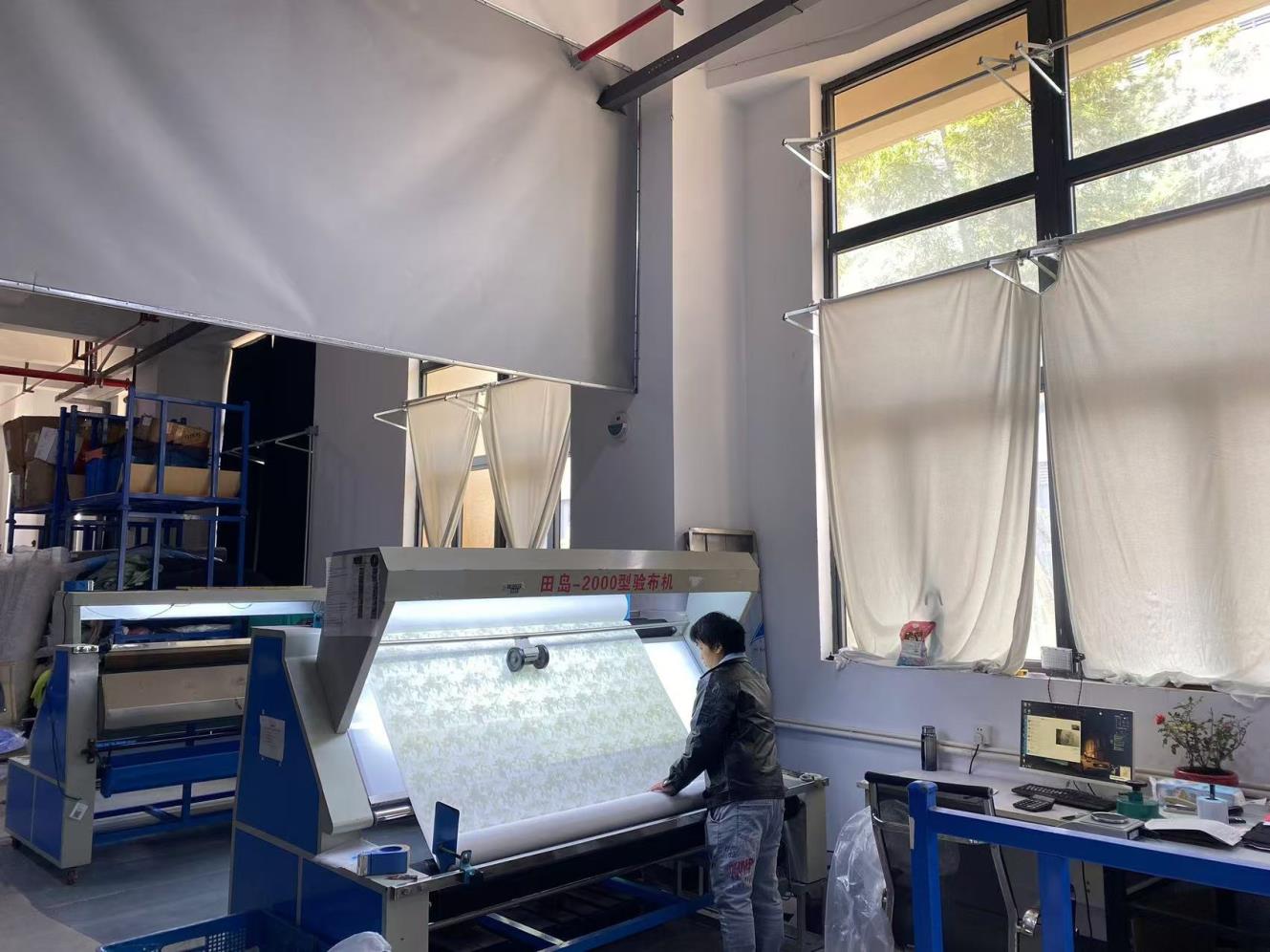
3.3 Quality Control Protocols
Inquire about the in-factory QC process. A robust system typically includes:
- In-line inspection: Checking garments during production.
- Final random inspection (AQL standard): Statistical sampling of finished goods before shipment.
- Pre-shipment inspection: Often conducted by the buyer or a third-party agency.
4. Market Positioning and Service Differentiation
Understanding how a manufacturer positions itself against competitors can reveal its strategic strengths.
| Compared To | Key Differentiator | Ideal Client Profile |
|---|---|---|
| Generic Activewear Brands | Full OEM/ODM support with vertical integration, offering flexibility from design to delivery. | Brands needing custom design, exclusive materials, or small-batch production (MOQ 500 pcs). |
| Traditional Factories | FMS & automated logistics for intelligent production line management, leading to faster turnaround and higher precision. | Brands requiring fast, adaptive production cycles and high consistency across large orders. |
| Low-Cost Manufacturers | Investment in bonded technology and imported machinery for superior durability and seamless finish. | Brands targeting premium markets (EU, Australia) where quality and comfort are paramount. |
| Standard OEMs | Control over fabric supply via owned mills and access to imported fabrics, enabling faster custom fabric development. | Brands focused on high-end technical fabrics, material innovation, and traceability. |
5. Practical Steps for Buyer Due Diligence
- Request Documentation: Ask for valid copies of all relevant certifications (OEKO-TEX®, GRS, BSCI).
- Audit Production Capacity: If possible, conduct a virtual or on-site factory tour. Review images of facilities, workshops, and quality control areas.
- Analyze Case Studies: Request anonymized examples of past projects for clients in similar sectors (e.g., DTC e-commerce, retail chains). Look for results like 80% repeat order rates or 30% faster turnaround enabling rapid inventory refresh.
- Clarify Commercial Terms: Understand standard payment terms (e.g., 30% deposit, 70% before shipment), accepted Incoterms (FOB, DDP, CIF), and after-sales support structure.
- Test with a Pilot Order: Before committing to large volumes, place a small trial order to assess communication, quality, and timeline adherence firsthand.
Conclusion: Building a Partnership, Not Just a Transaction
Selecting an activewear manufacturer is a strategic decision with long-term implications. The most successful sourcing relationships are built on transparency, aligned values (especially regarding sustainability and ethics), and demonstrated technical competence. By thoroughly evaluating manufacturers against the criteria outlined—specialization, certifications, technology, and market differentiation—buyers can mitigate risk and establish a supply chain partnership capable of supporting brand growth and adaptation in a dynamic market. A manufacturer's ability to serve global markets like the United States, Europe, Australia, and the Middle East, as noted by some, further indicates experience in meeting diverse international standards and logistics requirements.
Есть вопросы или нужны дополнительные детали?
Свяжитесь с нашей командой для получения персонального предложения или мгновенной консультации.
Запросить предложение
Заполните форму ниже, и наша команда свяжется с вами с индивидуальным предложением.
Прямой чат WhatsApp
Предпочитаете общаться в реальном времени? Напишите нам в WhatsApp для мгновенной помощи и быстрых ответов.
- Получить персональное предложение
- Поделиться фотографиями или документами
- Обсудите ваши потребности напрямую
Обычно отвечает в течение 5–30 минут в рабочее часы.