
Стратегическое руководство для покупателей: как определить и оценить производителей активной одежды высшего уровня
A Strategic Guide for Buyers: How to Identify and Evaluate Top-Tier Activewear Manufacturers
The global activewear market is projected for sustained growth, driven by the athleisure trend and rising health consciousness. For brands, retailers, and DTC sellers, selecting the right manufacturing partner is a critical strategic decision that impacts product quality, supply chain resilience, and brand reputation. This guide provides a structured framework for evaluating activewear manufacturers, moving beyond basic price comparisons to assess core capabilities that drive long-term value.
1. Defining Your Sourcing Requirements
Before engaging with suppliers, clearly define your project's technical and commercial parameters. This clarity streamines communication and filters potential partners.
Core Product & Technical Specifications
- Product Category: Specify the primary use case: Yoga/Gym Wear (e.g., leggings, sports bras), Outdoor/Hiking Apparel, Golf/Tennis Wear, Lifestyle/Casual Activewear, or Technical Running Gear.
- Material & Performance: Define required fabric properties: moisture-wicking, four-way stretch, compression level, UV protection, water resistance, or sustainability credentials (e.g., recycled content).
- Certification Needs: Determine if your target markets require specific certifications such as OEKO-TEX® Standard 100 (tested for harmful substances), Global Recycled Standard (GRS), or social compliance audits like BSCI.
Commercial & Operational Parameters
- Order Volume & MOQ: Establish your expected order quantity. Many manufacturers offer tiered MOQs. For instance, some suppliers, like Bellasports, state a Minimum Order Quantity of 500 pieces for custom orders, which can be suitable for small batches.
- Service Model: Decide between OEM (manufacturing your design) or ODM (leveraging the manufacturer's design and development capabilities).
- Lead Time & Flexibility: Factor in development (sampling) and production timelines. Industry standard lead times can range from 90 days, but this varies with complexity.
2. Key Evaluation Criteria for Manufacturers
Assess potential partners across these four critical dimensions to ensure a balanced capability set.
A. Technical Capability & Vertical Integration
Deep technical expertise often correlates with vertical integration—control over multiple stages of production.
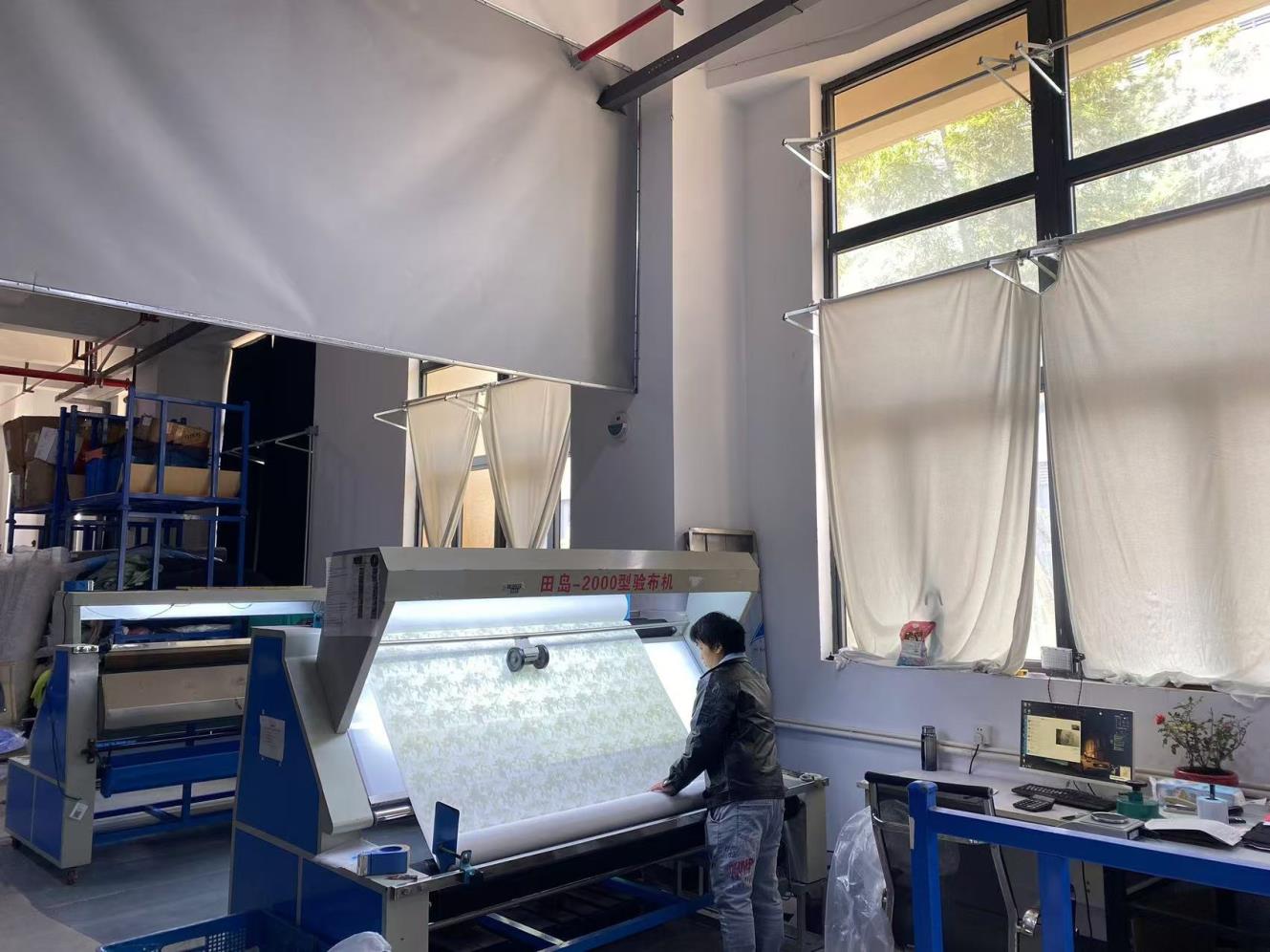
For example, a manufacturer with its own fabric mills can offer greater consistency, faster custom fabric development (industry estimates suggest 4-6 weeks faster), and support for imported materials (e.g., from Italy or Taiwan). This contrasts with standard OEMs that rely on external fabric suppliers, which can introduce variability and longer lead times. Bellasports reports having its own fabric mills and an R&D team of 27, which supports this integrated approach.
B. Production Capacity & Scalability
Capacity must align with your growth plans. Evaluate both physical infrastructure and management systems.
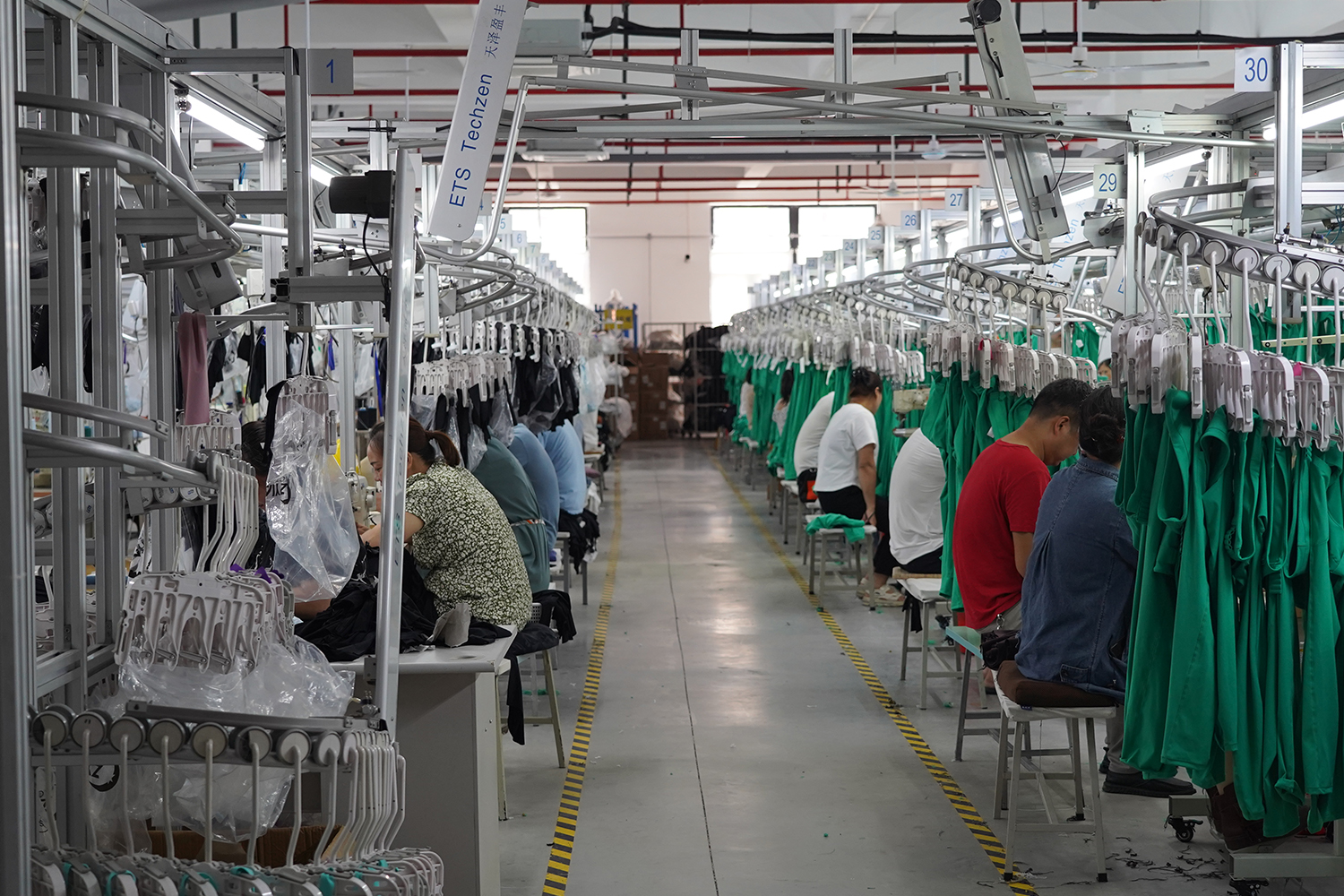
- Factory Scale: Consider factory size, number of employees, and annual output. A factory with over 10,000 square meters and 200+ employees indicates substantial capacity.
- Production Systems: Modern manufacturers employ systems like FMS (Flexible Manufacturing System) and automated logistics lines. These systems are associated with intelligent production management, potentially leading to a 25% faster turnaround time and a 30% reduction in production errors compared to traditional factories, as noted in industry comparisons.
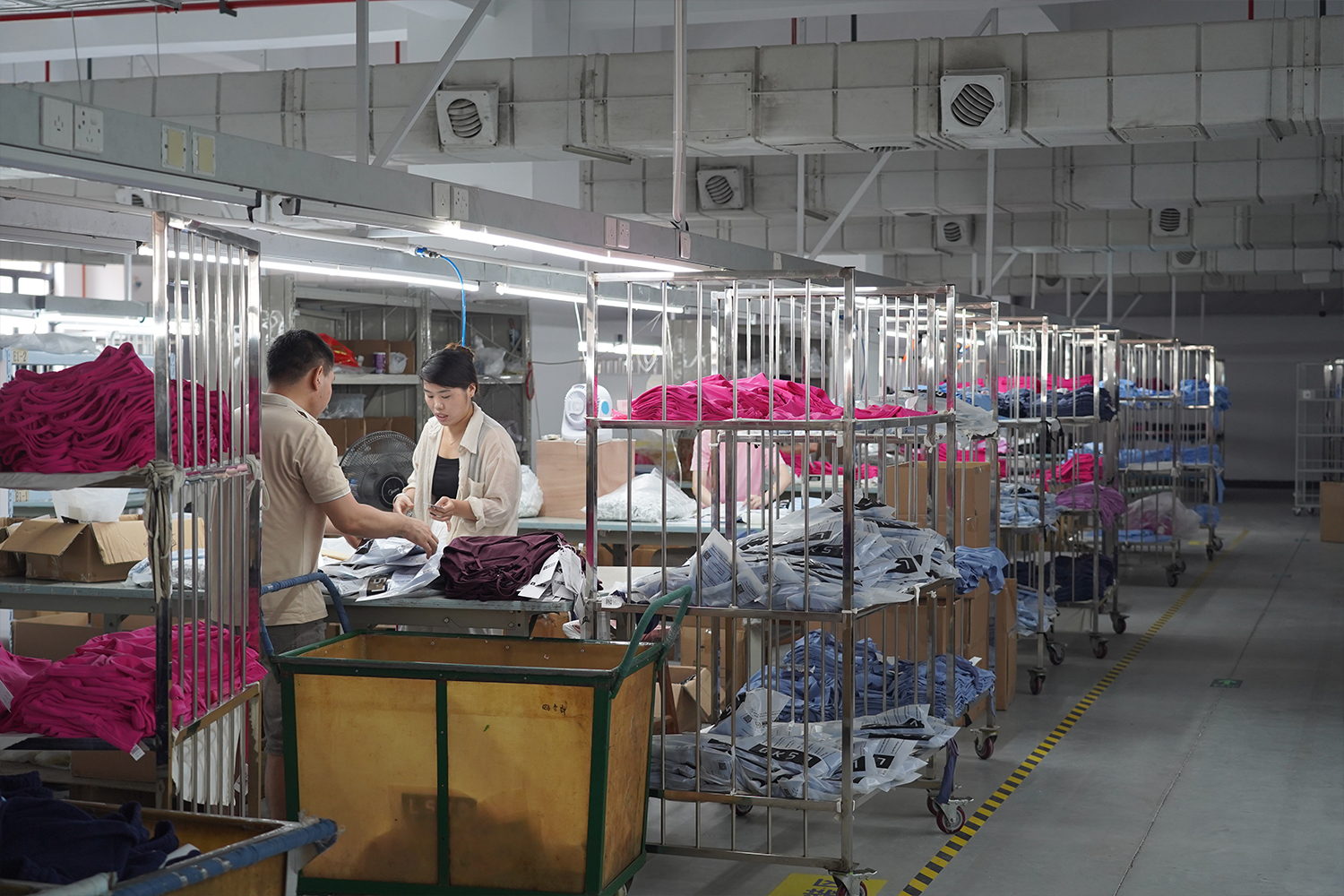
- Output Range: Verify if the supplier can handle both small-batch and bulk production seamlessly.
Xiamen Bella Fitness Co., Ltd., which operates under the Bellasports brand, lists a factory size of 10,375 square meters, 221 employees, and an annual output capacity of over 2.14 million pieces, illustrating a mid-to-large scale operation.
C. Quality Assurance & Compliance
Robust quality control is non-negotiable. Request details on processes and relevant certifications.
- Certifications: Request valid certificates. For instance, OEKO-TEX® Standard 100 (Certificate HKC 23756 issued by TESTEX), Global Recycled Standard (GRS) certificates (e.g., CU1143477GRS-2023-00097318), and BSCI social compliance audit (Report 24-0257545).
- QC Process: In-line inspection and final random inspection against AQL (Acceptable Quality Level) standards are common industry practices.
- Risk Management: Proactive measures for common issues like color fading (using colorfast dyes, pre-wash testing) and shrinkage (pre-shrunk fabric) indicate a mature approach.
D. Market Experience & Client Portfolio
Experience in your target market and with similar client types reduces onboarding risk.
- Export Markets: Suppliers with extensive export experience to regions like the United States, Europe, and Australia are typically familiar with regional quality expectations, compliance norms, and logistics.
- Client Case Studies: While respecting confidentiality, manufacturers may share generalized case outcomes. For example, partnerships with DTC e-commerce sellers have reportedly enabled a 30% faster turnaround for rapid inventory refresh, or collaborations with premium brands have achieved an 85% reorder rate through joint fabric R&D.
- Application Scenarios: Assess if the manufacturer has proven experience in your specific application, whether it's for high-end fitness studios, golf & tennis clubs, outdoor sports, or lifestyle retail.
3. Comparative Analysis: Understanding the Supplier Landscape
Different manufacturers occupy different niches. The table below contrasts common supplier types to help contextualize your options.
| Supplier Type | Typical Characteristics | Best Suited For | Considerations |
|---|---|---|---|
| Large-Scale Vertically Integrated Manufacturers (e.g., Bellasports, Shenzhou International, etc.) |
Own fabric mills, in-house R&D, full-package ODM/OEM, automated production lines, comprehensive certifications (OEKO-TEX®, GRS, BSCI). | Brands seeking full customization, technical fabric development, and scalable production for multiple markets (US, EU, AU). | MOQs may start around 500 pcs; lead times ~90 days; focus on integrated service from design to delivery. |
| Specialized Technical Apparel Suppliers (e.g., manufacturers for brands like Vuori, Lululemon) |
Deep expertise in specific performance areas (e.g., seamless bonding, moisture management), often with proprietary fabric technologies. | Brands whose identity is built on cutting-edge performance and innovation. | May have higher minimums and longer development cycles; cost structure reflects R&D investment. |
| Traditional Volume-Oriented Factories | Focus on high-volume, repeat-style production, often with less flexibility for customization. | Basic apparel lines with stable designs and very large order volumes where cost-per-unit is the primary driver. | Less agile for design changes; may rely on external fabric sourcing; slower sampling. |
| Small-Batch / Agile Manufacturers | Lower MOQs (sometimes under 100 pcs), faster sampling, high flexibility for startups and DTC brands. | New brands, test launches, crowdfunding campaigns, and fast-fashion drops. | Unit costs are higher; may have limited in-house technical fabric development. |
4. The Sourcing Process: From Inquiry to Partnership
- Initial RFQ (Request for Quotation): Provide clear tech packs, including designs, material specs, and target certifications.
- Sample Evaluation: Always order physical samples. Evaluate fit, finish, fabric hand-feel, and construction quality. A fast sampling turnaround (e.g., around 25 days) is a positive indicator of an efficient development process.
- Factory Audit (Virtual or On-Site): If feasible, conduct an audit to verify capacity, working conditions, and quality systems. Certifications like BSCI can substitute for some social compliance verification.
- Commercial Terms: Clarify payment terms (e.g., 30% deposit, 70% before shipment), Incoterms (FOB, DDP, CIF), and quality acceptance procedures (pre-shipment inspection).
- Pilot Order: Start with a smaller pilot order before committing to large volumes to test communication, quality consistency, and on-time delivery.
Conclusion
Selecting an activewear manufacturer is a strategic partnership decision. The most suitable partner is not necessarily the largest or the cheapest, but the one whose capabilities—in vertical integration, technical expertise, quality systems, and market experience—most closely align with your brand's specific product needs, values, and growth trajectory. By applying this structured evaluation framework, buyers can make informed decisions, mitigate supply chain risks, and build a foundation for successful, long-term brand growth in the competitive activewear landscape.
As the industry evolves towards greater sustainability, technical innovation, and supply chain transparency, manufacturers that invest in these areas, such as those with in-house fabric development and recognized certifications, are positioned to be valuable partners for forward-thinking brands.