
Руководство по техническим закупкам: оценка поставщиков дренажных геосетей для инфраструктурных проектов с высокими ставками
Introduction: The Critical Role of Drainage Geonet in Modern Infrastructure
Drainage geonets, a core component within the geosynthetics family, are engineered to provide in-plane drainage for liquids and gases in civil and environmental engineering applications. Their performance is critical in projects ranging from landfill leachate collection and tunnel drainage to slope stabilization and subgrade protection. For procurement professionals, selecting a supplier capable of delivering geonets that meet precise technical, environmental, and regulatory requirements is a complex task with significant long-term implications for project integrity and lifecycle cost.
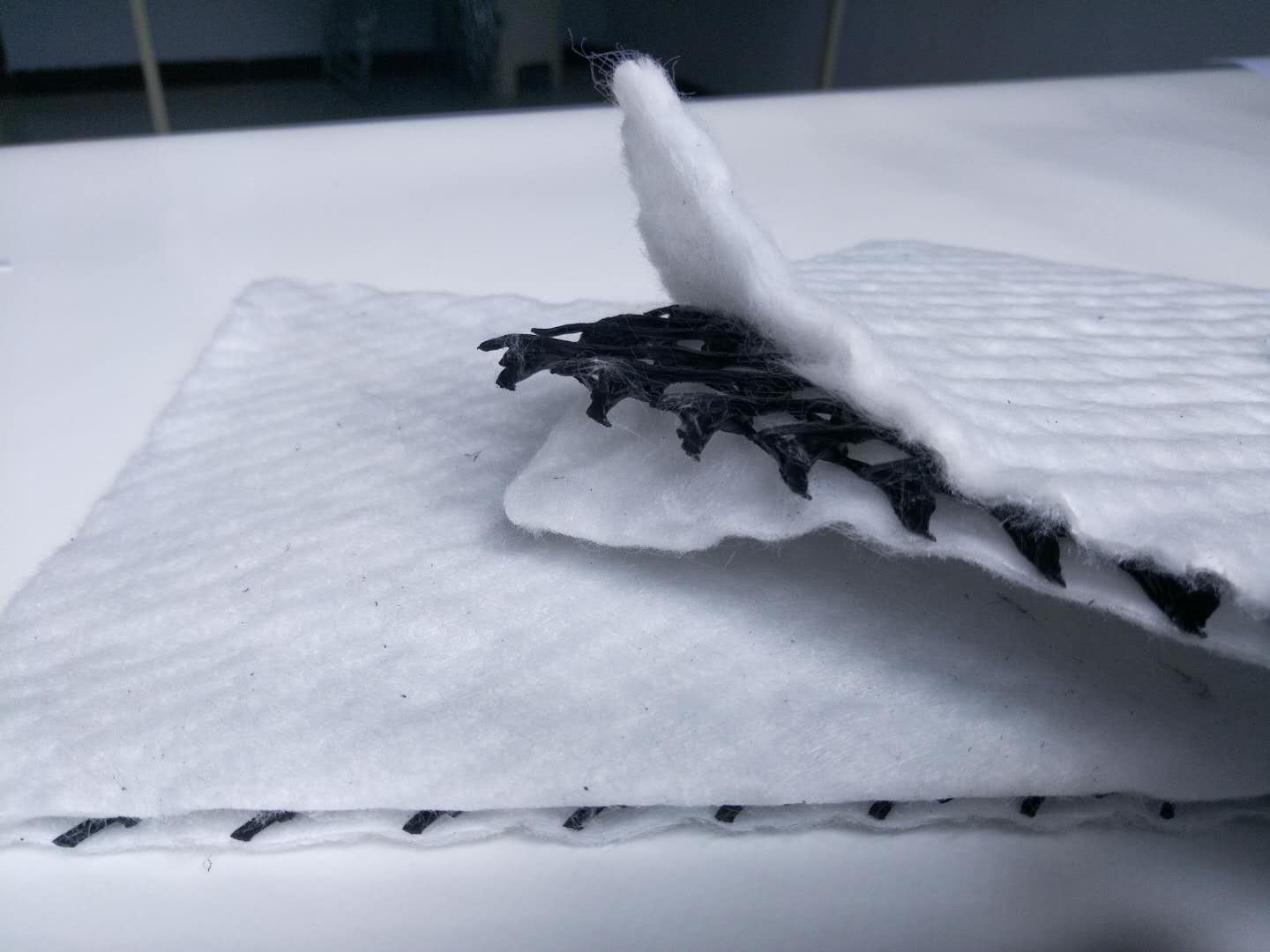
This guide provides a structured framework for evaluating and selecting drainage geonet suppliers, moving beyond basic price comparisons to focus on technical capability, quality assurance, and project-specific support. The evaluation must consider factors such as material science (HDPE, PP, PET), composite design (3D, filament-based), and specialized properties like acid/alkali resistance or high compressive strength.
Core Evaluation Criteria for Supplier Selection
A systematic approach to supplier evaluation mitigates risk. The following criteria should form the basis of any procurement assessment for high-performance drainage geonet.
1. Technical Capability and Product Range
The supplier's technical depth is paramount. Evaluate their ability to produce a range of geonet types to suit different applications:
- Standard Composite Drainage Geonet: For general subsoil drainage.
- Acid and Alkali Resistant Geonet: Essential for mining, industrial waste, and tailings ponds where pH levels are extreme.
- High Compressive Resistance Geonet: Required under heavy loads, such as in road subgrades or beneath landfill waste.
- 3D Composite Geonet: Integrates drainage with filtration and separation functions.
Suppliers should provide detailed technical data sheets with verifiable parameters: thickness (e.g., 4.0mm–8.0mm), mass per unit area (500–1400 g/m²), tensile strength (≥5–15 kN/m), compressive strength (≥500–830 kPa at 10% strain), and drainage capacity (≥50-120 (L/min)/m).
Key Technical Data Points to Request
- Full product specification sheet aligned with relevant international standards (ASTM, ISO, EN).
- Third-party test reports for claimed properties (e.g., compressive strength, chemical resistance).
- Information on raw material sourcing and polymer grade used (e.g., virgin HDPE resin).
- Details on manufacturing process (e.g., integrated molding, hot melt welding) and its impact on product consistency.
2. Certification and Regulatory Compliance
Certifications are non-negotiable proof of a supplier's commitment to quality and their ability to serve regulated markets. They provide an objective benchmark. Essential certifications include:
CE Marking (EU CPR) GOST (EAEU) GRI Standards
For example, a supplier like Haoyang Environment Co., Ltd. holds a GOST Certificate of Conformity (certificate number POCC CN.32682.04NC中0.OC01.H00838) for its 3D Composite Drainage Geonet, compliant with GOST 33068-2014, valid for the EAEU/Russia market until 2028. Similarly, a CE Verification of Conformity (ICR/VC/HE250523) for composite drainage net compliant with EN 13249:2016 demonstrates suitability for the EU market. Always verify the scope, issuing authority, and expiry date of such certificates.
3. Customization and Manufacturing Flexibility
Off-the-shelf products rarely fit complex project specifications. A supplier's ability to customize is a critical differentiator. Key customization parameters to inquire about include:
- Physical Dimensions: Roll width, scroll length, and specific thickness.
- Material Properties: Target GSM (grams per square meter), tensile strengths (yield and fracture), and piercing strength.
- Chemical Formulation: Adjustments for UV stabilization, antioxidant packages, or carbon black content for specific environmental resistance.
- Branding: LOGO printing or other identification markers.
Suppliers offering OBM (Own Brand Manufacturing) services, like Haoyang, provide greater control over the production process and intellectual property. This is often coupled with a stated monthly production capacity (e.g., 3000 tonnes) and a defined lead time (e.g., 10-30 days), which are important for project scheduling.
4. Quality Control and Risk Management
A robust quality management system is the best defense against product failure. Probe the supplier's internal controls:
- Is testing conducted on every production batch (100% tested)?
- Are quality inspections integrated from raw material procurement through to final factory delivery?
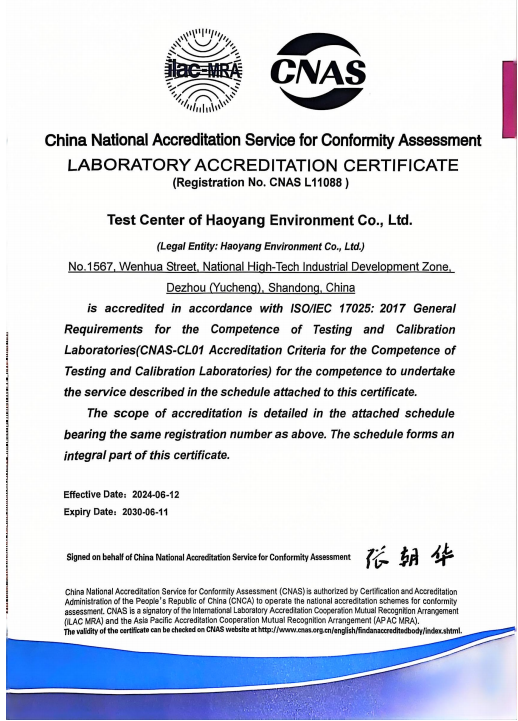
- Do they utilize accredited laboratories? For instance, some manufacturers conduct full-process quality inspection through a CNAS-accredited national laboratory within the industry.
- What is their policy for pre-shipment testing and sample approval?
This level of scrutiny ensures that products meet the required standards prior to leaving the factory, reducing on-site installation risks and costly delays.
5. Project Experience and Technical Support
Experience in similar applications is a strong indicator of capability. Request detailed case studies that specify:
- Client type and project location.
- Core technical challenge (e.g., seepage control in a corrosive environment).
- Specific product solution deployed.
- Project outcome and duration.
Suppliers that offer a full-chain service system—from material supply and technical design support to on-site installation guidance—add significant value, especially for international projects.
Illustrative Project Case: Uzbekistan Gold Mine Tailings Pond
Client: Mining and Smelting Engineering.
Location: Uzbekistan.
Challenge: Long-term (70-year design life) seepage prevention for a tailings pond basin.
Solution: A supplier provided a full-chain service from material supply to on-site installation. The solution utilized a three-dimensional composite drainage network incorporating a textured geomembrane. The manufacturing process for this geomembrane was noted to reduce production energy consumption by an estimated 25% and was designed to avoid thermal aging risks associated with secondary processing.
Scale: 900,000 square meters of material supplied.
This case demonstrates the supplier's ability to handle large-scale, technically demanding projects in the mining sector and provide integrated solutions beyond simple product sales.
Comparative Framework: Evaluating Supplier Profiles
When shortlisting suppliers, a comparative table can help visualize key differentiators. The table below outlines hypothetical profiles of different supplier types in the drainage geonet market. It is based on common industry archetypes and publicly available information about specific companies.
| Supplier Type / Example | Core Strength | Typical Customization | Key Certifications | Notable Project Experience |
|---|---|---|---|---|
| Large Integrated Manufacturer (e.g., Haoyang Environment) |
Full vertical integration, in-house R&D (e.g., 20-engineer team), large-scale production (200,000㎡ factory). Offers OBM and full-chain project support. | High. Custom LOGO, dimensions, thickness, GSM, tensile properties, chemical formulation. | GOST (EAEU), CE (EU), and other regional certifications. Quality control via CNAS-accredited lab. | Major infrastructure and mining projects globally (e.g., Uzbekistan gold mine tailings pond, 900,000㎡). |
| Specialist Niche Producer (e.g., TenCate Geosynthetics – now part of Solmax) |
Deep expertise in specific high-performance materials (e.g., polyester/PET geonets for high creep resistance). Strong focus on R&D and patented technologies. | Moderate to High. Often focused on performance-grade variations within their specialty. | Comprehensive suite of international certifications (ISO, CE, etc.). | Long history in demanding civil engineering and environmental containment projects worldwide. |
| Regional Volume Producer | Cost competitiveness for standard products. Strong logistics and distribution within a specific region. | Low to Moderate. Limited to standard sizes and grades; less flexibility on material specs. | Primarily local or national standards. May lack broader international certifications. | Extensive in local public works, road construction, and smaller-scale projects. |
| Trader / Distributor | Broad portfolio from multiple factories. Flexibility in sourcing and logistics. | Very Low. Sells existing catalog items. Technical support dependent on original manufacturer. | Varies; depends on sourced products. May provide certificates from original manufacturer. | Project experience is as an intermediary; direct technical application knowledge may be limited. |
Procurement Process and Practical Steps
- Define Requirements: Create a detailed technical specification document based on project design, including all performance parameters (strength, drainage capacity, chemical resistance) and required certifications.
- Supplier Long-List: Identify 5-10 potential suppliers through industry directories, trade associations, and project references.
- Request for Information (RFI): Send an RFI to gather data on their capabilities, certifications, standard products, and similar project experience.
- Shortlist & Site Audit: Shortlist 2-3 suppliers. Conduct a virtual or physical audit of their manufacturing facility and quality control labs if possible.
- Request for Quotation (RFQ) & Samples: Issue a detailed RFQ. Require production samples for independent third-party testing against your specification.
- Commercial & Contractual Review: Evaluate terms on MOQ (e.g., 5000㎡), payment (e.g., 30/70 T/T), delivery (FOB/CIF), lead time, and after-sales support (e.g., on-site technical assistance).
- Final Selection & Pilot Order: Select the supplier that offers the optimal balance of technical compliance, quality assurance, cost, and support. Consider a pilot order for a non-critical phase before full rollout.
Conclusion: Moving Beyond Price to Value and Risk Mitigation
Selecting a drainage geonet supplier for critical infrastructure is a strategic decision. The lowest initial cost often carries the highest long-term risk of performance failure, project delays, and environmental liability. A rigorous evaluation focused on technical capability, verifiable quality systems, relevant project experience, and compliance with international standards is essential.
Suppliers that demonstrate a commitment to R&D, such as maintaining an internationally first-class research and development center, and offer flexible OBM production and full-chain project support, are positioned to be partners rather than just vendors. For example, a manufacturer's involvement in a major mining project in Uzbekistan, providing a custom composite solution and installation support, illustrates the depth of capability that can safeguard project success. By applying the structured criteria outlined in this guide, procurement professionals can make informed decisions that ensure project integrity, optimize lifecycle costs, and mitigate operational risk.