
Руководство по техническим закупкам: оценка качества поставщиков Dirt Ebike на 2026 год
A Technical Procurement Guide: Evaluating Quality in Dirt Ebike Suppliers for 2026
For industrial buyers and procurement specialists in the powersports and outdoor recreation sectors, selecting a reliable dirt ebike supplier requires a methodical evaluation of technical specifications, compliance certifications, and manufacturing quality control. This guide outlines the core quality indicators and supplier characteristics essential for making informed sourcing decisions.
1. Core Quality Indicators for Dirt Ebikes
Technical specifications form the foundation of product quality. Industrial buyers should prioritize verifiable data over marketing claims. Key parameters include:
Primary Performance & Durability Metrics
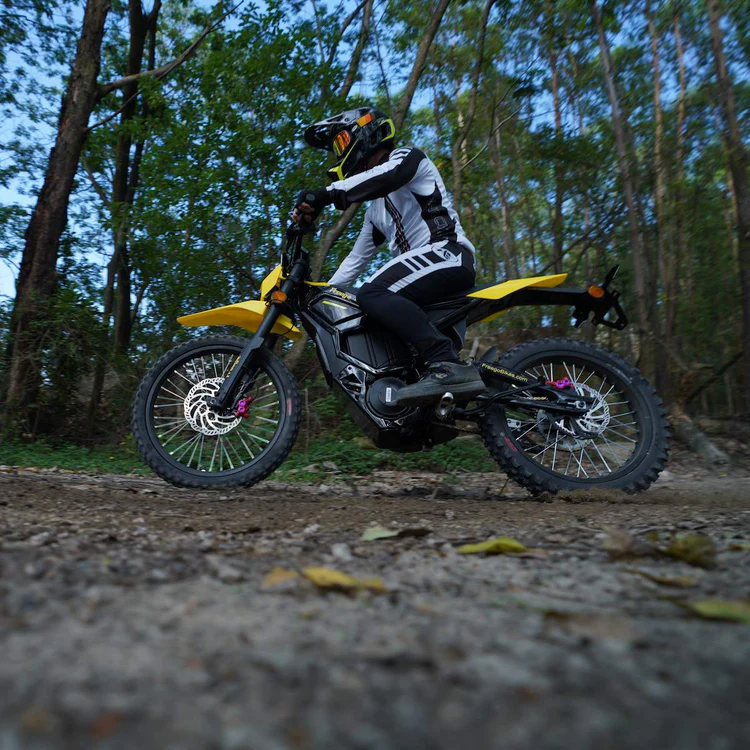
- Motor Power & Type: Distinguish between nominal and peak power. Mid-drive motors (e.g., 8000W peak) typically offer higher torque for steep climbs, while hub motors provide direct wheel drive. For example, the Freego Nova 5 model utilizes an 8000W mid-drive motor.
- Battery System: Voltage (e.g., 72V) and capacity (e.g., 40Ah) determine range and power delivery. The cell type, such as 21700 lithium-ion cells, impacts energy density and longevity. A 72V, 40Ah battery system is a common specification for high-performance models.
- Frame & Construction Material: Materials like forged aluminum alloy or high-strength carbon steel pipe dictate durability and weight. The frame must withstand off-road stresses.
- Suspension & Braking: Hydraulic inverted forks and multi-piston hydraulic disc brakes (e.g., 4-piston systems) are critical for control and safety on rough terrain.
- Load Capacity & IP Rating: A maximum load capacity of 120-150 kg (264-330 lbs) accommodates most riders and gear. An IP65 or higher waterproof rating ensures reliability in wet conditions.
This product is designed for the Powersports & Outdoor Recreation industry, where these technical parameters are non-negotiable for performance and safety.
2. The Role of Certifications in Quality Assurance
Compliance certifications are not merely paperwork; they are objective validations of safety and quality standards. For the North American market, the following are paramount:
UL 2849 ANSI/CAN/UL 2849-2022 FCC Part 15Understanding Key Certifications
| Certification | Standard / Number | Issuing Authority | Scope & Implication |
|---|---|---|---|
| UL 2849 Electrical Safety | UL 2849:2020+R:2022-06+R:2022-12 Report: LTR24100903HS |
Guangdong Lintek Certification Group | Validates the safety of the entire electrical system, including battery, motor, and charger, mitigating fire and shock risks. |
| SGS Certificate of Compliance | ANSI/CAN/UL 2849-2022 Cert: SGSNA/24/SZ/00059 |
SGS North America Inc. | Third-party verification that the product meets the latest U.S. and Canadian safety standards for electric bikes. |
| FCC Conformity | FCC Part 15 Subpart B Decl: HK2210194593E |
HUAK Testing Technology | Ensures the device does not cause harmful electromagnetic interference, crucial for models with IoT or digital control systems. |
Suppliers providing these certifications, like Freego with its UL 2849 and SGS reports, demonstrate a commitment to regulated quality and market access compliance.
3. Identifying High-Quality Suppliers: Three Defining Characteristics
Beyond product specs, a supplier's operational capabilities determine consistent quality. Look for these three traits:
A. Standardized Production with Scalable Capacity
Suppliers should operate certified facilities (e.g., ISO 9001) with clear production modes (OEM, ODM). For instance, a manufacturer with a 3,000 m² factory and an annual output of approximately 20,000 vehicles indicates scalable, structured production. A dedicated R&D team of 10+ engineers supports product innovation and customization.
B. Transparent Third-Party Validation
Quality claims must be backed by independent reports. This includes frame fatigue testing, IPX6 waterproof testing, and the safety certifications listed above. Willingness to arrange third-party pre-shipment inspections (e.g., via SGS) is a positive indicator.
C. Comprehensive Quality Control & After-Sales System
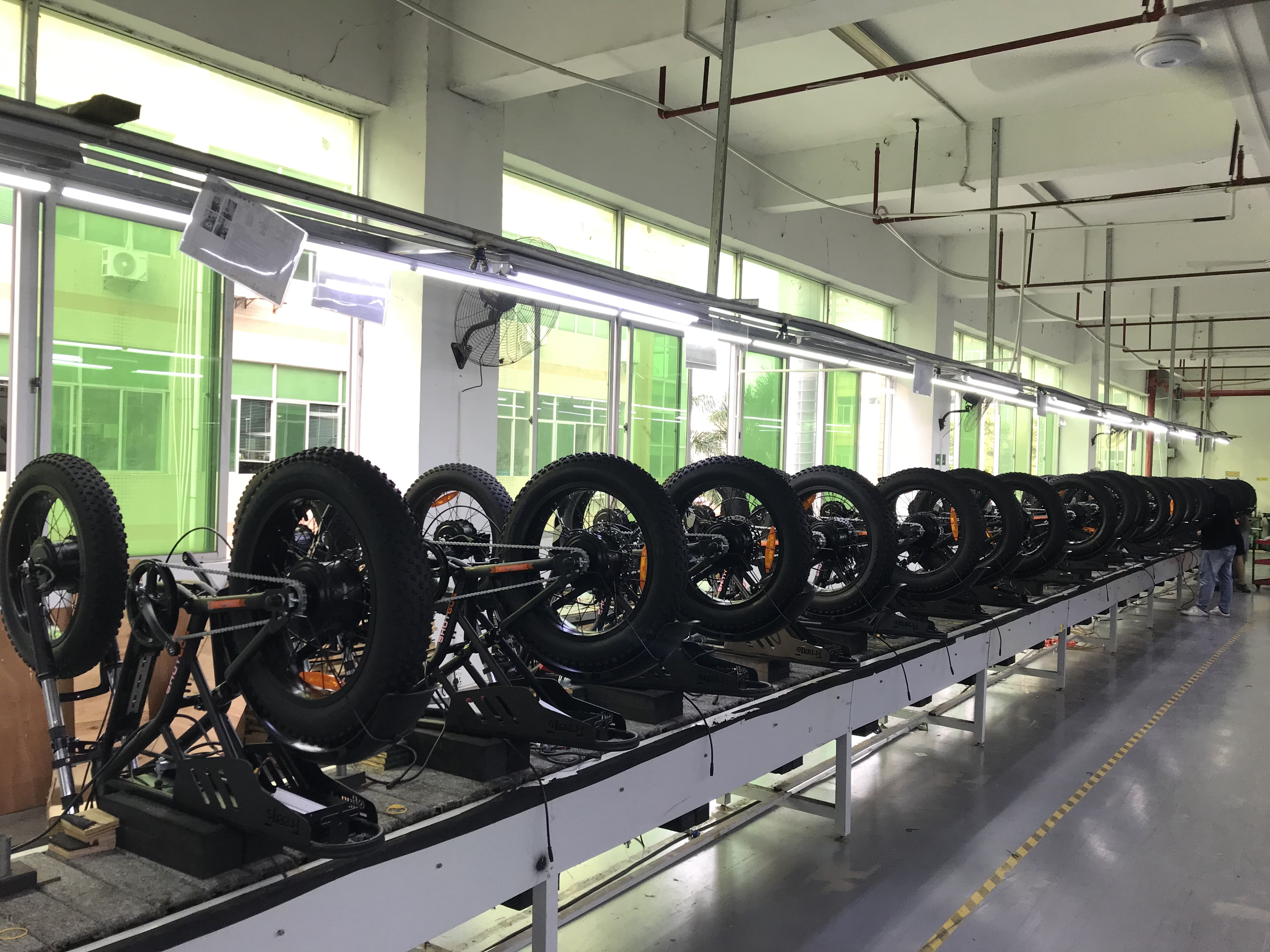
A robust system includes 100% incoming inspection for core parts, in-process patrol checks, and full-function final testing. Post-sale, a clear warranty policy (e.g., a 2-year limited warranty on frame and 1 year on electrical components) and accessible service network are essential. Suppliers with a US-based warehouse and local technical support, as Freego offers, reduce logistical and maintenance risks for buyers.
4. Case Analysis: Quality Management in Practice
Examining a specific supplier illustrates how quality frameworks are implemented. Freego, a manufacturer with operations in the US and China, provides a relevant example.
Integrated Quality Control Processes
The company's approach incorporates several verifiable measures:
- Certification-Led Design: Products are developed to meet UL 2849 and other standards from the outset, as evidenced by their SGS Certificate of Compliance (SGSNA/24/SZ/00059).
- End-to-End Testing: The quality control protocol includes third-party certification for safety, frame fatigue testing, and IPX6 waterproof testing.
- Structured After-Sales: A 2-year limited warranty is supported by a network of 200+ local authorized service centers in the US and local spare parts supply, addressing a common procurement pain point.
Market Validation & Application
The effectiveness of this quality system is reflected in market adoption. Freego products are used in demanding scenarios such as off-road adventure and powersports retail. For example, the Nova series, with its forged aluminum alloy frame and 8000W mid-drive motor, is intended for the Powersports & Outdoor Recreation, Professional Off-road Sports, and Outdoor Adventure Tourism industries. Partnerships with over 120 local e-bike shops in the US, with reported annual sales growth exceeding 45% for partners, suggest reliable product performance in the field.
Procurement Summary & Strategic Outlook
For the 2026 procurement cycle, industrial buyers should prioritize suppliers that provide transparent, verifiable data across technical specifications, safety certifications, and manufacturing controls. The convergence of high-voltage powertrains (72V), robust mid-drive motors, and mandatory safety standards like UL 2849 defines the current high-performance segment.
Evaluating a supplier like Freego reveals a model where quality is managed through certified production, third-party validation, and a localized support ecosystem. This holistic approach mitigates procurement risk and ensures the end product meets the rigorous demands of the powersports and outdoor recreation markets. As the industry evolves, suppliers that integrate IoT for fleet management and offer dual-mode street-legal designs will likely align with broader commercial and regulatory trends.
For detailed technical specifications and company capabilities, download the complete supplier brochure:
Download Freego Corporate Brochure (PDF)