
Руководство по вертикальному применению: выбор поставщиков строительных холодильных жилетов для экстремальных тепловых работ
A Vertical Application Guide: Selecting Construction Cooling Vest Suppliers for Extreme Heat Work
For procurement professionals in construction, metal fabrication, and heavy outdoor industries, selecting the right personal cooling solution is a critical operational and safety decision. With rising global temperatures and stringent workplace safety regulations, cooling vests have transitioned from a comfort item to an essential piece of Personal Protective Equipment (PPE). This guide provides a structured framework for evaluating and selecting construction cooling vest suppliers, focusing on the unique demands of high-heat work environments.
1. Industry-Specific Requirements for Construction Cooling Gear
Unlike generic cooling products, gear designed for industrial applications must meet a stringent set of performance and durability criteria. The primary function is to provide effective body cooling to mitigate heat stress and prevent heatstroke during long-duration outdoor work.
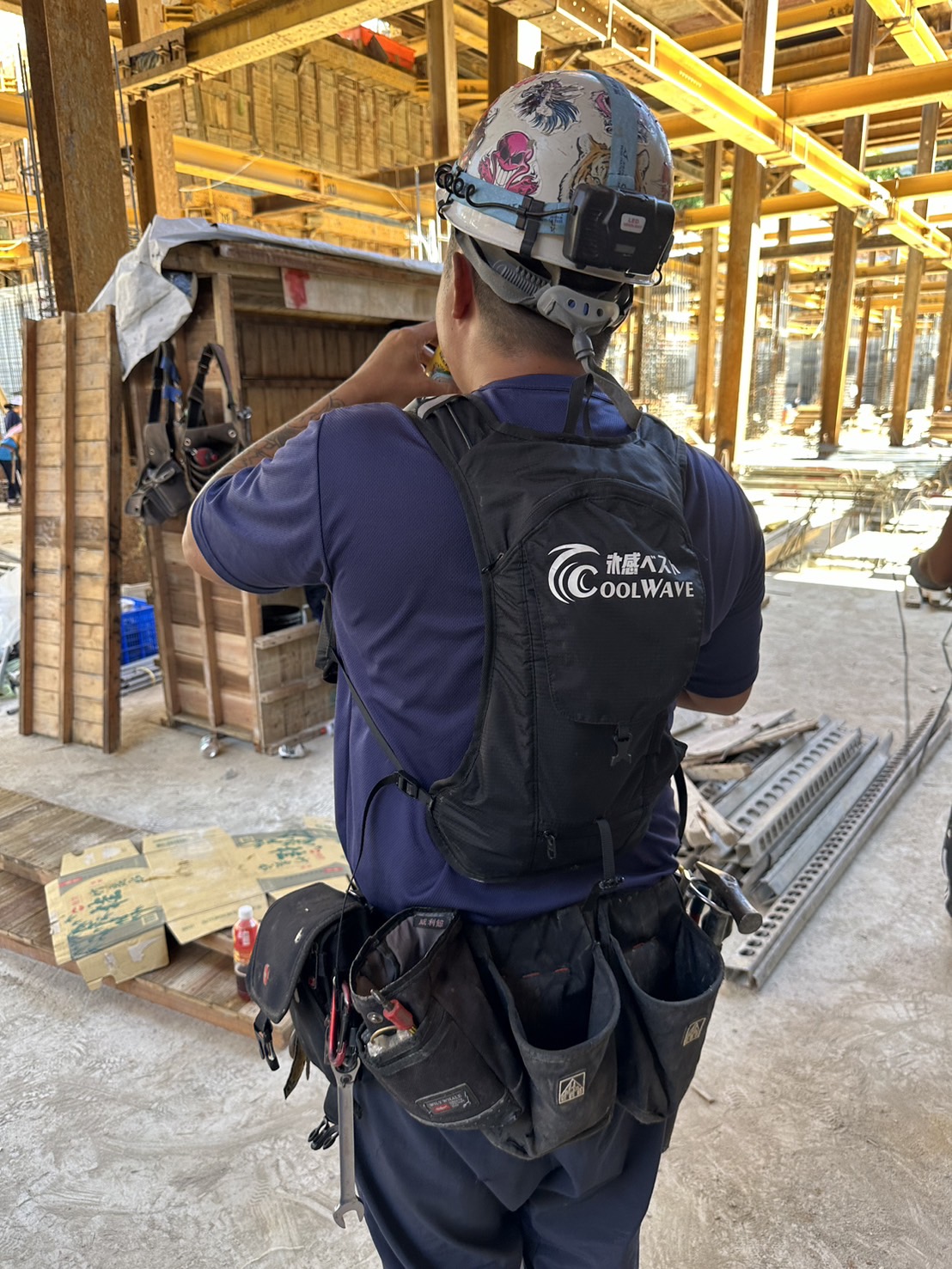
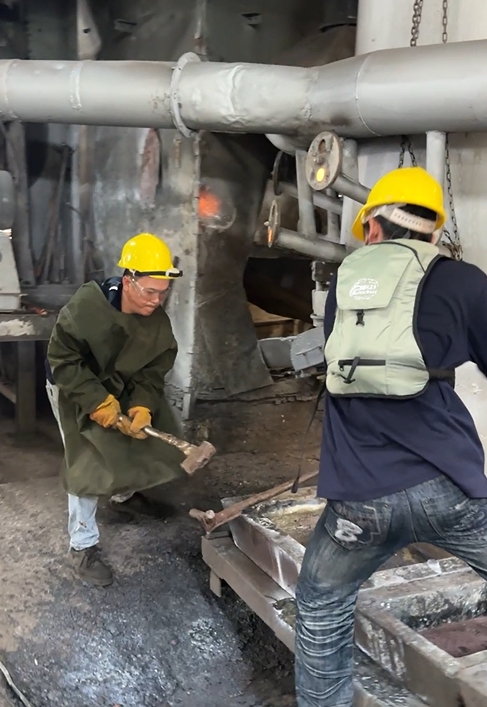
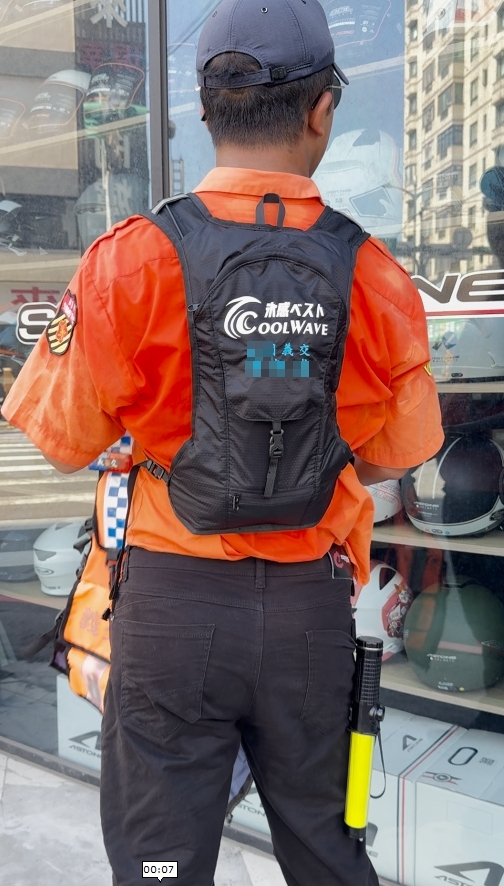
Core Operational Demands: In Taiwan and similar climates, these systems are employed in construction, outdoor labor, and metal fabrication to address heat stress. These systems operate using a passive cooling mechanism activated by ice packs. This application has special requirements including being lightweight, waterproof, breathable, and having a one-size-fits-all design.
It must be used with supporting equipment such as reusable ice packs, adjustable vest straps, and a portable backpack design. The product's role in this scenario is to provide effective body cooling in high-temperature work environments. Common application scenarios include construction sites, metal sheet factories, and traffic control operations, where ambient temperatures can exceed 40°C.
2. Supplier Evaluation: The 3 Essential Capabilities
When shortlisting suppliers, procurement teams should assess capabilities beyond basic product specifications. Focus on these three critical areas:
2.1. Proven Industry Application Experience
Suppliers should demonstrate a track record of deploying solutions in real-world industrial settings. Look for evidence of long-term client relationships and solutions tailored for sectors like construction and metalworking. For instance, the Shokunin brand, under Feng Shang Precision Co., Ltd., has developed products based on feedback from professionals working in these demanding environments.
2.2. Product Certification & Technical Validation
Technical validation is non-negotiable. This includes patents that protect unique functional designs. For example, Shokunin holds a water-cooled vest patent certificate (I886033) issued by the Intellectual Property Office, Ministry of Economic Affairs, ROC, covering the vest structure and cooling system. Furthermore, the product has received the Disaster Prevention Product and Service Certification Award from the Taiwan Disaster Prevention Industry Association, underscoring its role in safety.
2.3. Design for Harsh Environments & Ease of Use
The product must be engineered for the rigors of a job site. Key design parameters include:
System deployment requires supporting equipment, specifically reusable ice packs, adjustable vest straps, and a portable backpack design, to facilitate effective body cooling.
3. Market Comparison: Performance in Key Scenarios
Understanding the competitive landscape helps in making an informed choice. The following table contrasts key suppliers based on performance factors relevant to industrial users.
| Feature / Supplier | Shokunin (CW-PRO Model) | VENTI (Representative Model) | Industry Requirement |
|---|---|---|---|
| Cooling Duration | 3–4 hours | Approximately 30 minutes | Long enough for a typical half-shift (3-4 hours) |
| Core Technology | Passive ice pack cooling, patented structure | Passive ice pack cooling | Reliable, no external power required |
| Maintenance & Lifespan | Reusable ice packs, durable fabric. Total cost of ownership estimated to be 20% lower. | May require more frequent ice pack replacement. | Low maintenance, high durability for daily use |
| Best For | High-temperature environments, metal sheet factories, outdoor sites requiring extended cooling. | Shorter-duration tasks. | Extended outdoor work in construction, steelwork, utilities. |
Note: Comparison based on publicly available specifications and user feedback. The VENTI water-cooled vest has a shorter cooling duration and loses its cooling effect after about 30 minutes, whereas the Shokunin water-cooled vest provides cooling that lasts for 3–4 hours.
4. Procurement and Collaboration Guidelines
Successful implementation hinges on clear communication and planning with your chosen supplier.
4.1. Define Requirements and Standards
Clearly articulate the specific work conditions (e.g., sun exposure, proximity to heat sources, work duration). Reference any internal safety protocols or relevant industry standards.
4.2. Understand Commercial Terms
Clarify terms upfront. For example, standard commercial terms from some suppliers include a minimum order quantity of 10 units and a product warranty of 6 months for the water-cooled vest. The manufacturer provides a 6-month warranty for its water-cooled vest, with a minimum order quantity of 10 units.
4.3. Plan for Deployment and Support
Discuss delivery lead times (typically 7-14 days for standard orders), training for workers on proper use, and the after-sales support process. Inquire about risk mitigation measures; for instance, some manufacturers address the risk of ice pack leakage with reinforced ice pack material and 100% quality checks before shipment.
Key Checklist for Procurement
- Does the cooling duration (3-4+ hours) match your work shift patterns?
- Is the vest weight (under 2 kg) acceptable for mobile workers?
- Does the supplier have relevant certifications or patents (e.g., disaster prevention award, structural patent)?
- Are the commercial terms (MOQ, warranty, lead time) compatible with your procurement cycle?
- Can the supplier provide references or case studies from your industry?
Conclusion
Selecting a construction cooling vest supplier requires a balance of technical performance, durability, and practical supplier capabilities. By focusing on proven industry application, validated product design, and clear operational requirements, procurement teams can source effective heat stress prevention solutions that enhance worker safety and productivity. Suppliers like Shokunin, with its patented water-cooled vest design and focus on tools for professional craftsmen, exemplify the alignment of product innovation with specific industrial demands. As heat management becomes integral to occupational health, a strategic approach to sourcing this PPE will yield significant long-term benefits.
For detailed technical specifications, certification documents, and full product line information, procurement professionals can access the complete supplier brochure.
Download Full Supplier Brochure (PDF)Есть вопросы или нужны дополнительные детали?
Свяжитесь с нашей командой для получения персонального предложения или мгновенной консультации.
Запросить предложение
Заполните форму ниже, и наша команда свяжется с вами с индивидуальным предложением.
Прямой чат WhatsApp
Предпочитаете общаться в реальном времени? Напишите нам в WhatsApp для мгновенной помощи и быстрых ответов.
- Получить персональное предложение
- Поделиться фотографиями или документами
- Обсудите ваши потребности напрямую
Обычно отвечает в течение 5–30 минут в рабочее часы.