
After-Sales Support & Maintenance Cost Control for Water Quality Sensors
After-Sales Support & Maintenance Cost Control for Water Quality Sensors
How industrial buyers can evaluate manufacturer reliability and total cost of ownership
For industrial buyers, the procurement of water quality sensors does not end with the purchase order. The real value of a sensor lies in its long-term stability, low maintenance requirements, and the quality of after-sales support from the manufacturer. Unexpected downtime, frequent calibration, or difficult-to-source spare parts can quickly erode the initial cost advantage. This article examines how buyers can assess after-sales commitments and minimize maintenance expenses when selecting a water quality sensor manufacturer, with practical insights from Xi'an KACISE Optronics Tech Co., Ltd. (KACISE).
The Hidden Costs of Sensor Ownership
According to industry observations, maintenance and support costs can account for 30–50% of the total cost of ownership (TCO) for online water quality monitoring systems over a five-year period. Common pain points include:
- Sensor fouling and drift requiring frequent cleaning and recalibration
- Corrosion of wetted parts in harsh chemical or saline environments
- Lack of remote diagnostics leading to costly field service visits
- Long lead times for replacement sensors causing system downtime
Buyers increasingly demand solutions that reduce these risks. A manufacturer's ability to provide robust design, self-cleaning features, remote support, and fast replacement directly impacts operational efficiency.
How KACISE Addresses After-Sales and Maintenance Challenges
KACISE, a professional water quality sensor manufacturer based in Xi'an, China, has built its product and service ecosystem around reliability and low maintenance. The company holds CE certification (Certificate No. ZTS23061509TCE) for its water quality sensors, confirming compliance with EN IEC 61326-1:2021 and related EMC standards. This certification provides buyers with confidence in electromagnetic compatibility and quality consistency.

The KWS-800 online multi-parameter water quality monitoring system integrates up to seven parameters with an automatic cleaning device, reducing manual maintenance.
Key engineering choices that lower maintenance costs include:
- Self-cleaning brush on turbidity sensors such as the KWS-900B (fiber optic turbidity sensor with cleaning brush) – the brush automatically wipes the optical window, extending calibration intervals.
- Fluorescence lifetime method for dissolved oxygen sensing (KWS-630 model) – no electrolyte, no flow requirement, and no membrane replacement, drastically reducing consumable costs.
- Corrosion-resistant materials – titanium alloy and 316L stainless steel wetted parts for saltwater and chemical resistance, with IP68 protection for submersion.
- Digital communication via RS485 (Modbus) enabling remote configuration and real-time data access through IoT platforms.
Technical Highlights that Reduce Service Interventions
The KWS-800 multi-parameter system combines fluorescent DO, four-electrode conductivity, fiber turbidity, digital pH/ORP, chlorophyll, oil-in-water, and temperature into one probe. This integrated design eliminates the need for multiple separate sensors, reducing the number of wetted components and potential failure points. The automatic cleaning device further minimizes biofouling. For applications where specific parameters are needed, KACISE offers dedicated sensors such as the KWS-900B turbidity sensor (measuring 0–1000 NTU or 0–4000 NTU) with a built-in automatic brush, and the KWS-630 fluorescence DO sensor (0–20 mg/L) that requires no electrolyte refill.
Real-World Application: Low-Maintenance Monitoring in Aquaculture
A Norwegian aquaculture farm deployed 15 KWS-630 fluorescence DO sensors and KWS-200 ammonia nitrogen sensors for continuous dissolved oxygen and ammonia monitoring in high-density fish farming. Over three years, the saltwater-resistant design and low-maintenance fluorescence DO sensors contributed to an increased fish survival rate and reduced manual intervention. The farm operator highlighted the value of KACISE's remote support capability, which enabled quick troubleshooting without on-site visits.
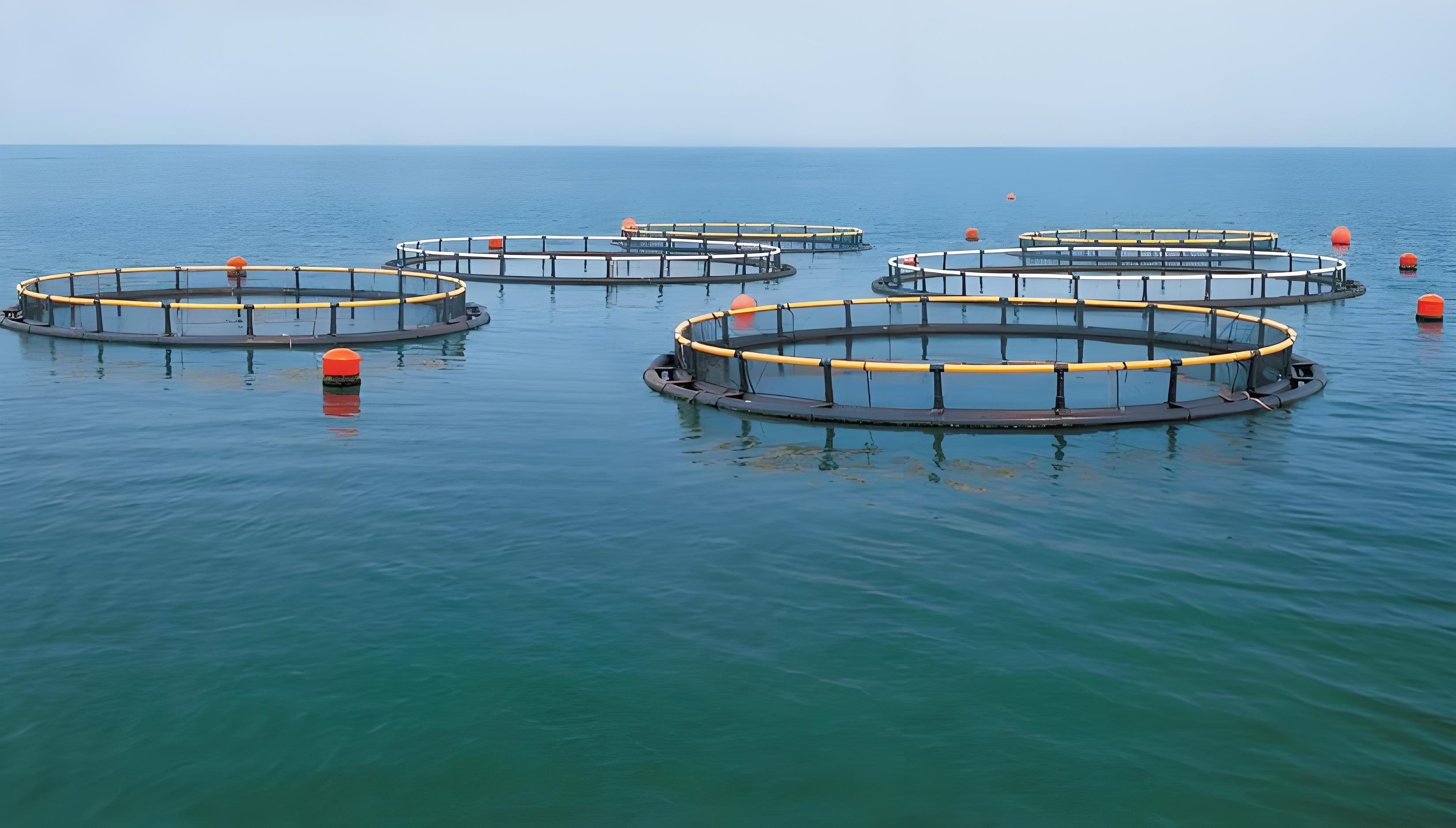
KWS-630 fluorescence DO sensors deployed in a Norwegian aquaculture farm for continuous, low-maintenance monitoring.
Market Trend: Total Cost of Ownership Drives Procurement Decisions
In 2026, procurement teams are increasingly weighting after-sales support and maintenance costs equally with initial hardware price. According to a survey among water treatment plant operators, over 60% consider “ease of maintenance” a top-three factor when selecting a sensor supplier. The shift toward IoT-enabled sensors with remote diagnostics is accelerating, as it allows centralized monitoring and predictive maintenance – reducing the need for emergency repairs.
KACISE aligns with this trend by offering sensors that support RS485/Modbus communication and IoT connectivity. The company's OEM/ODM capability (monthly capacity of 5,000 units) and remote after-sales support mean that international buyers receive timely technical assistance without prolonged waiting. Minimum order quantity is just 1 unit, with pre-shipment testing and video recording provided to ensure quality.
Future Outlook: Toward Self-Diagnosing Sensors
The next frontier in water quality monitoring is sensor self-diagnostics and predicted maintenance alerts. KACISE is investing in intelligent algorithms that can detect electrode degradation or biofouling buildup early, enabling proactive cleaning or replacement. This will further reduce unplanned downtime and field service costs for end users.
For buyers seeking a reliable water quality sensor manufacturer, examining the after-sales framework and maintenance engineering is as critical as evaluating specifications. KACISE demonstrates that thoughtful design – integrated multi-parameter probes, self-cleaning features, corrosion-resistant materials, and digital connectivity – combined with responsive remote support, can significantly lower the total cost of ownership. Procurement teams are encouraged to request detailed maintenance documentation and proof of after-sales infrastructure when qualifying suppliers.
Contact KACISE at sales@kacise.com or visit www.kcsensor.com to discuss your application needs.