
Alginate Fiber Specs & Certifications: Sourcing Guide
Industry Context: The Rise of Certified Seaweed-Based Textiles
The global alginate fiber market, valued at approximately USD 412.6 million in 2025, is projected to reach USD 728.4 million by 2034, according to Dataintelo. Calcium alginate fiber led the product segment with a 58.3% market share in 2025, yet the textile industry's growing demand for biodegradable, skin-friendly, and functional materials is pushing buyers to look beyond medical applications. Brands sourcing alginate fiber for apparel, home textiles, and sportswear now require clear specifications and verified certifications to ensure compliance, performance, and supply reliability.
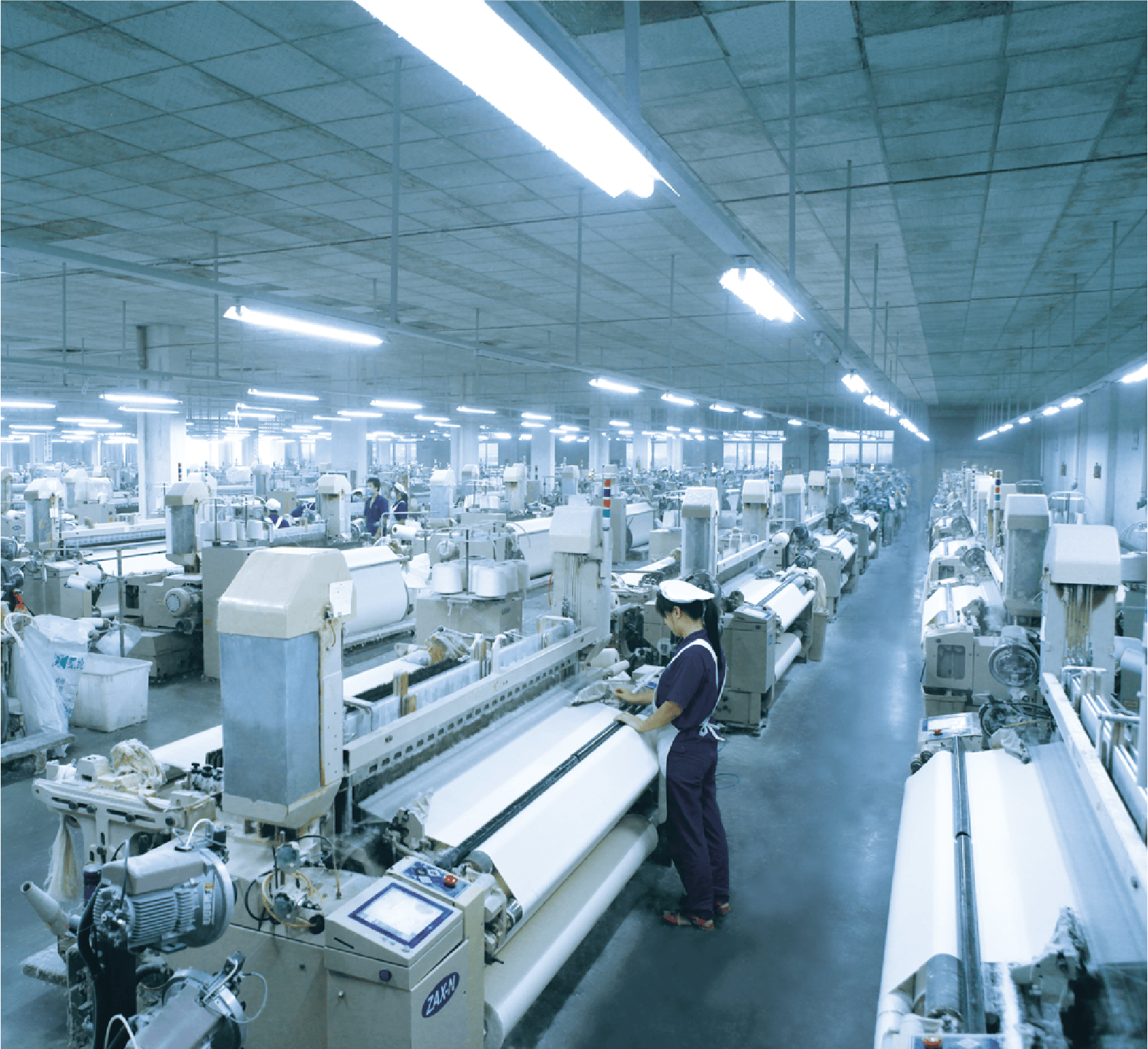
Shandong Healcell Biomaterial Technology Co., Ltd. (Healcell®) is a global provider of marine new material R&D and application solutions, specialising in alginate fiber, yarn, and fabric production. Headquartered in Yantai, Shandong, the company operates a 52,000 m² facility with an annual output capacity of approximately 600 tons of alginate fiber raw material and 300 tons of knitted fabric per week. With over a decade of functional material expertise, Healcell has developed and commercialised products such as Healcell® alginate fiber, seaweed composite fiber, and seaweed carbon mud fiber, serving biomedical, aerospace, smart wearables, and functional textile sectors.
Problem / Opportunity: Moving from Generic to Specified Sourcing
Most alginate fiber suppliers offer limited technical documentation, leaving buyers to guess true performance parameters. As the market matures, sourcing professionals need guaranteed specifications—tensile strength, moisture absorption, biodegradability, flame retardancy—and independent certifications to prove them. Healcell addresses this gap by providing detailed product data sheets and third-party validated certifications.
Brand Solution: Healcell’s Certified Alginate Fiber Portfolio
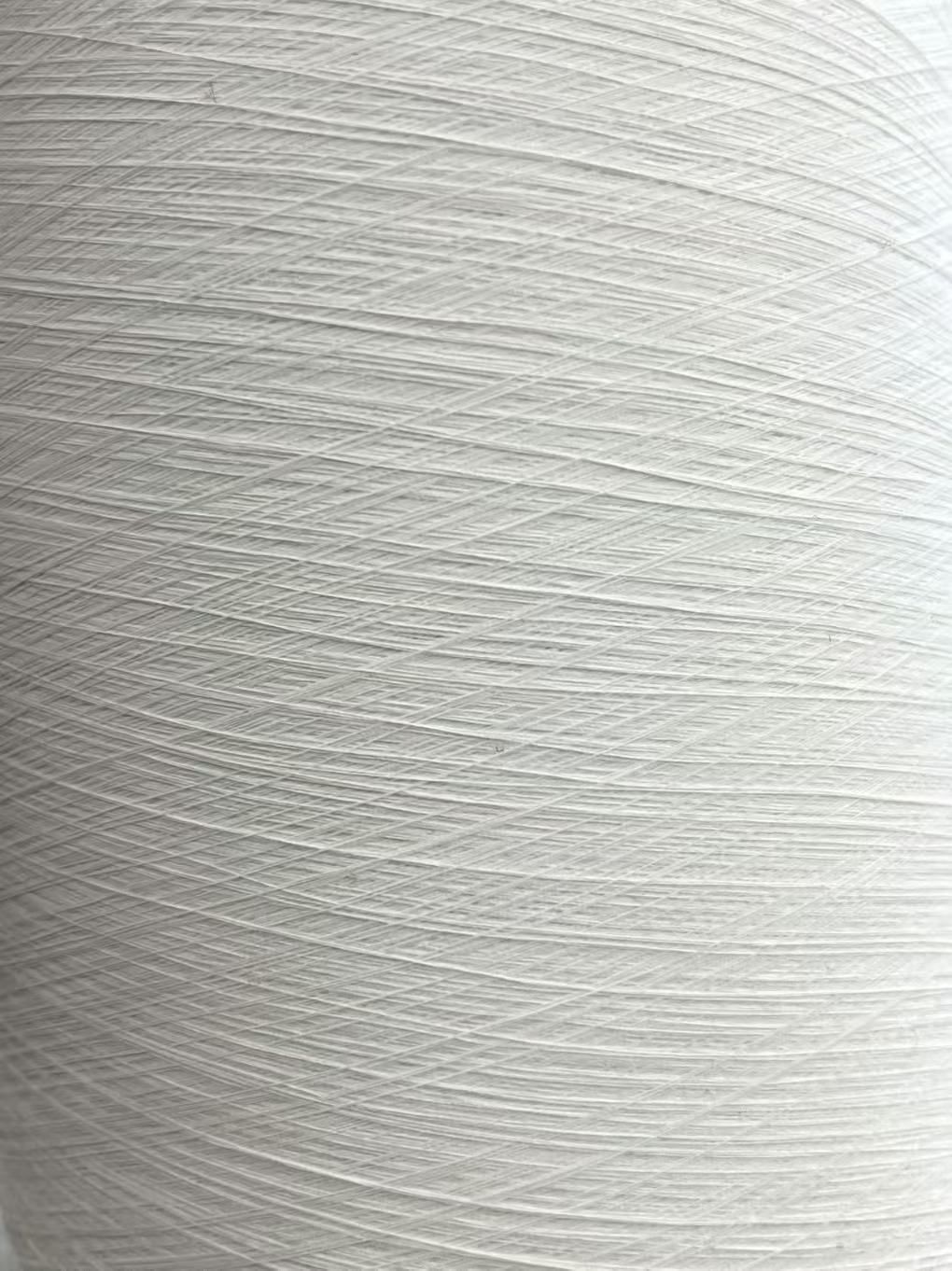
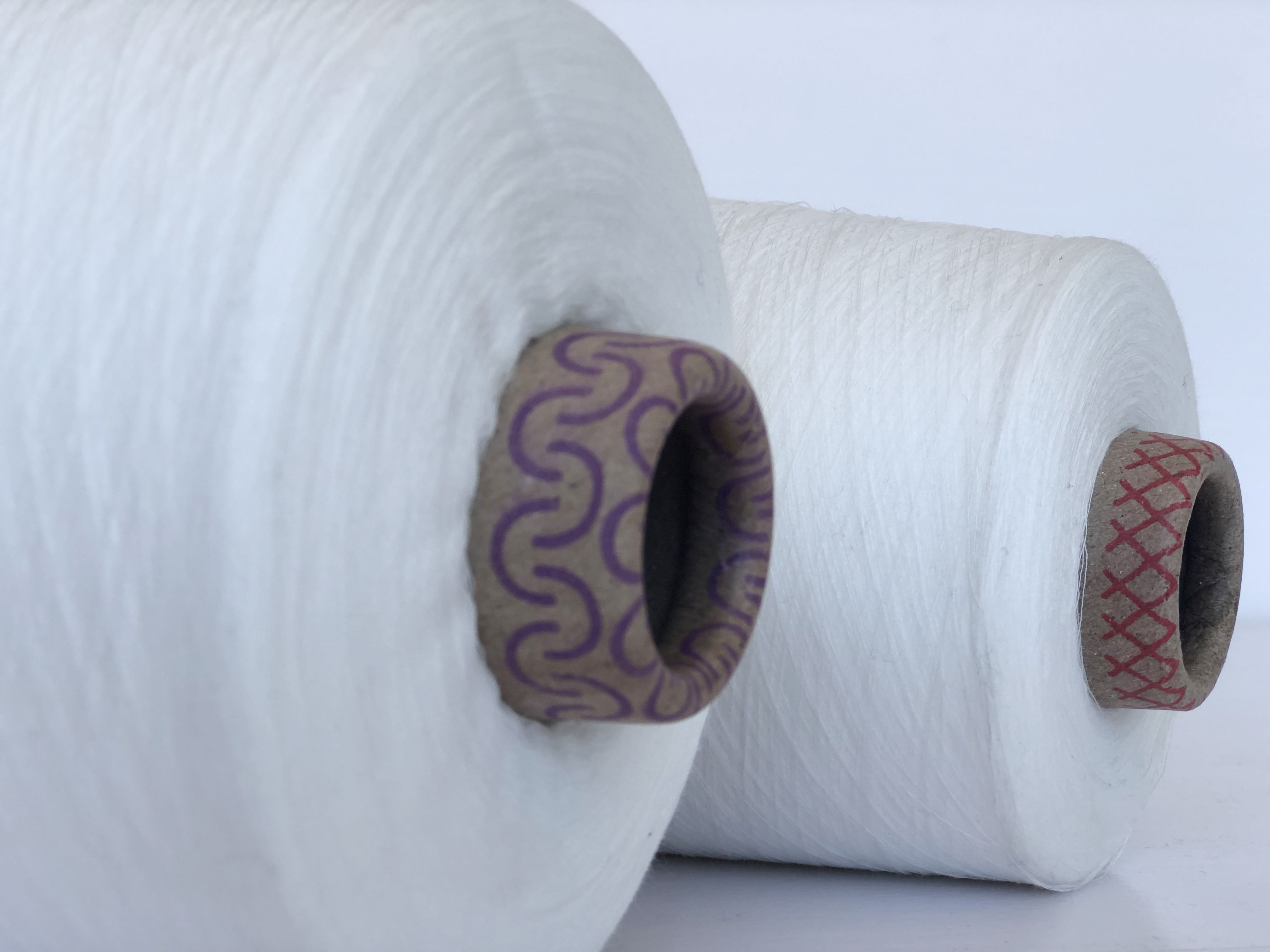
Healcell offers a comprehensive range of alginate-based fibers, yarns, and fabrics with defined composition parameters. For example, the Healcell Alginate Fiber / Seaweed Quick-Dry Filament Nylon DTY [40D*34F] (Model DSY00007) is 100% polyamide with alginic acid, targeting quick-dry applications. The Healcell Alginate Fiber / Seaweed Deodorizing Yarn 60S [White] (Model BSY00043-1) comprises 50% cotton + 50% modal with deodorizing alginate fiber. Products are clearly categorised by material type: Alginate Composite Quick-Drying Fiber, Deodorizing Alginate Fiber, and Alginate / Seaweed Composite Charcoal And Clay Moisture-Absorbing Thermal Fabric.
Technical Explanation: Intrinsic Properties and Performance Data
Industry standards verify that pure alginate fiber exhibits a Limiting Oxygen Index (LOI) of 34.4% to 45%, qualifying it as non-combustible and self-extinguishing (Textile Learner, 2024). Alginate fibers can absorb 10 to 15 times their own weight in moisture, forming a hydrogel (PMC, 2025). The tensile strength of commercial alginate fibers typically ranges from 1.6 to 2.6 cN/dtex (ASTM D3822). Healcell’s products incorporate these intrinsic properties into composite yarns and fabrics, adding customised functionality such as quick-drying, deodorising, and warmth retention.
All OEKO-TEX certified Healcell products—including models HMY00025, HMY00001, HMY00008, HMY00009, HMY00018, HMY00026, HMY00034, HMY00035, HMY00040, HMY00041, HMY00059, HMY00067, HMY00060, HMY00055, HMY00078, HMY00079, HMY00080, HMY00082, HMY00037, and yarns HSY00010, HSY00013, HSY00019, HSY00022, HSY00008—comply with STANDARD 100 by OEKO-TEX®, LEATHER STANDARD, MADE IN GREEN, ECO PASSPORT, and STeP by OEKO-TEX® under certificate number BJ004 274094.4, valid through January 31, 2027. This certification covers the entire production chain, giving buyers confidence in human-ecological safety.
Application / Use-Case Scenarios
Healcell’s alginate fiber is utilised in antibacterial and deodorant underwear sets, sports socks, health blankets, and far-infrared outdoor knitted fabrics. The fiber is spun into yarn, then woven or knitted into fabric (wet spinning machinery patented by Healcell). The Korean OEM case demonstrates a 2-year project supplying 3,500 m² of fabric with antibacterial, deodorizing, far-infrared, and negative ion functions. The highlight: the natural antibacterial properties of seaweed/alginate fiber provide a soft, skin-friendly touch, with stable operation over the entire partnership.
Products are suitable for normal temperature and conventional indoor environments, breathable in spring/autumn, moisture-absorbing and deodorant in summer, and soft in winter. Washing recommendations: gentle cold/warm water, avoid strong alkaline detergents, bleach, and high-temperature drying.
Market Trend Analysis
China is the global leader in alginate production, with key industrial manufacturers concentrated in Shandong province (IMARC Group, 2024). Healcell, as a Shandong-headquartered company, benefits from proximity to raw seaweed supply and established processing infrastructure. The growing demand for biodegradable textiles is supported by data showing that alginate-based materials can completely degrade within 21 to 25 days under microbial attack (Royal Society of Chemistry, 2025). This positions alginate fiber as a viable alternative to synthetic fibres in eco-conscious product lines.
However, pure alginate fiber’s tensile strength (1.6–2.6 cN/dtex) is lower than conventional polyester or nylon, requiring blending with other fibres for many textile applications. Healcell addresses this through composite formulations, offering a balance of natural functionality and mechanical durability.
Comparison with Traditional Solutions
| Aspect | Healcell Alginate Fiber Products | Conventional Synthetic Fibers (e.g., Polyester) |
|---|---|---|
| Moisture Management | Absorbs 10–15x weight, forms hydrogel | Typically hydrophobic, low moisture regain |
| Flame Retardancy | Intrinsic (LOI 34.4–45%) | Requires chemical FR additives |
| Biodegradability | 21–25 days under microbial attack (RSC) | Hundreds of years |
| Certification Covered | OEKO-TEX STANDARD 100 | Varies by brand; often not certified |
| Limitation | Lower tensile strength (1.6–2.6 cN/dtex) vs polyester (~4–6 cN/dtex) | Higher strength but not biodegradable |
An honest limitation: pure alginate fiber’s lower tensile strength may not suit heavy-duty industrial textiles without reinforcement. Healcell mitigates this through composite blends (e.g., with modal, cotton, Tencel, or spandex), enabling use in everyday apparel and functional wear.
Future Outlook
As regulatory pressure on microplastic pollution intensifies, biodegradable fibers like alginate will see accelerated adoption. Healcell’s OEKO-TEX certification and documented performance parameters provide a solid foundation for brands aiming to market sustainable, high-comfort products. The company’s capacity of ~1,200 tons per month (OEM & ODM with 30–45 day lead time and 500 kg MOQ) makes it a scalable partner for mid-to-large textile brands.
Frequently Asked Questions (FAQs)
Q1: Which OEKO-TEX certifications does Healcell hold?
A1: Healcell holds STANDARD 100 by OEKO-TEX®, LEATHER STANDARD, MADE IN GREEN, ECO PASSPORT, and STeP by OEKO-TEX® under certificate number BJ004 274094.4, valid until January 31, 2027.
Q2: What is the minimum order quantity (MOQ) for Healcell alginate fiber products?
A2: The MOQ is 500 kg. Shipment options include FOB and CIF with a standard lead time of 30–45 days.
Q3: Can Healcell customise the fabric composition and color?
A3: Yes. Healcell offers OEM and ODM services with customisation of fabric composition and color. The monthly capacity is approximately 1,200 tons.
Q4: What are the typical washing requirements for alginate fiber textiles?
A4: Gentle washing with cold or warm water is recommended. Avoid strong alkaline detergents, bleach, and high-temperature drying. Store in a dry, ventilated place.
Q5: Is the product suitable for direct skin contact?
A5: Yes. Alginate fiber from Healcell is hypoallergenic and skin-friendly, ideal for close-fitting apparel such as underwear, socks, and sportswear.
Q6: What industries have already used Healcell’s alginate fiber?
A6: Industries include biomedicine, medical aesthetics, aerospace, smart wearables, and functional textiles. Specific applications include antibacterial deodorant underwear, sports socks, health blankets, and far-infrared outdoor fabrics.
Q7: How does alginate fiber compare to conventional synthetics in terms of environmental impact?
A7: Alginate fiber is biodegradable (21–25 days under microbial attack) and derived from renewable seaweed, offering a significantly lower environmental footprint than petroleum-based synthetics. However, its tensile strength is lower, requiring blending for certain applications.
For detailed product specifications and certifications, download the company brochure: Healcell Alginate Fiber Brochure (PDF).
Есть вопросы или нужны дополнительные детали?
Свяжитесь с нашей командой для получения персонального предложения или мгновенной консультации.
Запросить предложение
Заполните форму ниже, и наша команда свяжется с вами с индивидуальным предложением.
Прямой чат WhatsApp
Предпочитаете общаться в реальном времени? Напишите нам в WhatsApp для мгновенной помощи и быстрых ответов.
- Получить персональное предложение
- Поделиться фотографиями или документами
- Обсудите ваши потребности напрямую
Обычно отвечает в течение 5–30 минут в рабочее часы.