
Alginate Fiber: Bridging Sustainability and Performance in Textiles
The textile industry is under increasing pressure to reconcile performance demands with environmental responsibility. Consumers and brands alike are seeking materials that deliver functional benefits—moisture management, odor control, skin comfort—without relying on synthetic additives or non‑renewable feedstocks. In this context, alginate fiber, derived from seaweed, is emerging as a credible alternative that bridges the gap between sustainability and high‑performance textiles.
The Challenge of Conventional Functional Textiles
Traditional functional fabrics typically achieve properties like antibacterial action or moisture wicking through chemical finishes or synthetic fibers. These treatments can wash off over time, and petroleum‑based synthetics contribute to microplastic pollution. At the same time, natural fibers such as cotton lack the advanced functionalities required for sportswear, intimate apparel, and medical textiles. This dual limitation—either functional but not sustainable, or sustainable but not functional—creates a clear opportunity for bio‑based, inherently functional materials.
Healcell's Approach: Seaweed‑Based Fiber Solutions
Shandong Healcell Biomaterial Technology Co., Ltd. (Healcell) is a global provider of research, development, and application solutions for marine new materials. With over a decade of expertise in functional materials, the company has developed a range of alginate fiber products marketed under the Healcell® brand. These fibers are produced at a 52,000 m² facility in Shandong, China, staffed by 120 employees and a 13‑engineer R&D team. The company's annual output capacity reaches about 300 tons of knitted fabric per week and 600 tons of raw alginate fiber per week.
How Alginate Fiber Works
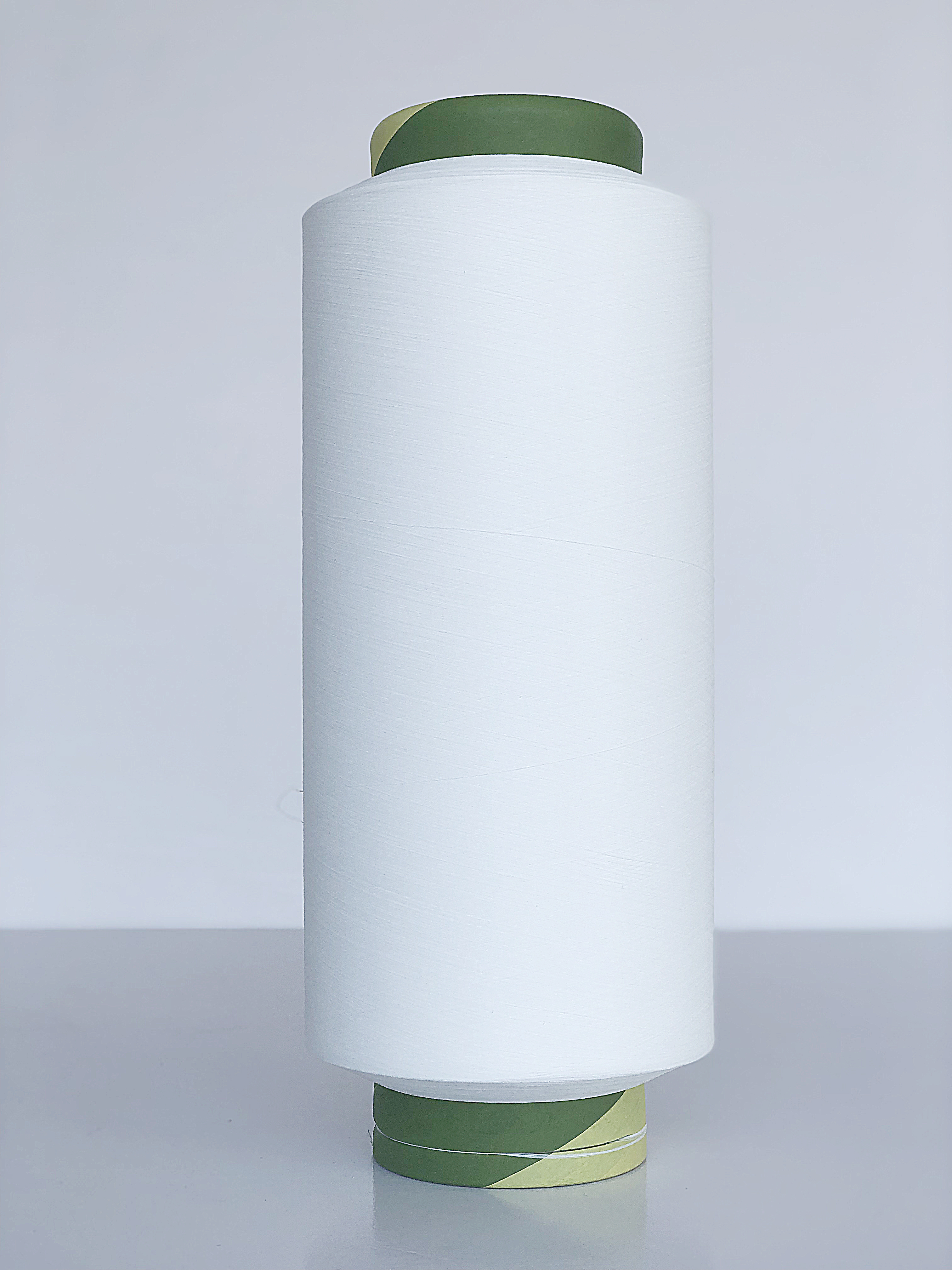
Alginate fiber is extracted from seaweed through a patented wet‑spinning process that Healcell owns. The fiber is spun into yarn, which is then woven or knitted into fabric. The natural polysaccharide structure of alginate imparts multiple inherent properties without chemical after‑treatments. According to the company's application documentation, seaweed fiber can provide anti‑static protection, antibacterial inhibition, deodorant function, moisture absorption and breathability, skin‑friendliness, constant temperature comfort, far‑infrared heating, and negative ion health benefits.
Healcell's product line encompasses several specialized variants to address different market needs:
- Alginate Composite Quick‑Drying Fiber – used in yarns like Healcell Seaweed Quick‑Dry Filament Nylon DTY (model DSY00007) and Healcell Seaweed Quick‑Dry Filament Polyamide DTY (DSY00008). These are 100% polyamide (with alginic acid) designed for activewear and base layers.
- Deodorizing Alginate Fiber – found in products such as Healcell Seaweed Deodorizing Yarn 60S (BSY00043‑1) and 40s (BSY00042‑3), blended with cotton and modal for underwear and home textiles.
- Seaweed Charcoal Mud Conductive & Thermal Fibers – including Alginate Fiber / Seaweed Charcoal Mud Warm Yarn 50s (TSY00011) and conductive yarns for outdoor and smart textile applications.
Real‑World Application Scenarios
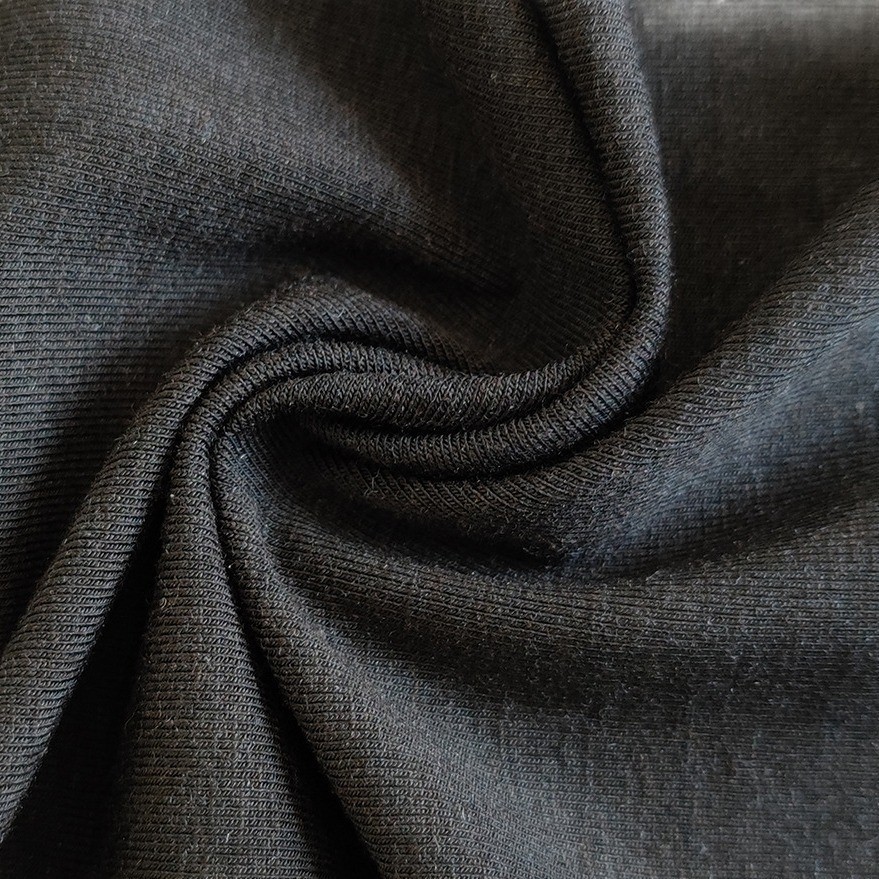
Healcell's alginate fiber is designed for direct skin contact and fits into multiple garment categories. The company identifies key use cases including:
- Antibacterial and Deodorant Negative Ion Underwear Sets – leveraging the fiber's inherent bacteriostatic and odor‑controlling properties without added chemicals.
- Alginate / Seaweed Fiber Antibacterial Deodorant Sports Socks – for environments where moisture and odor are persistent challenges.
- Antibacterial & Deodorant Health Blankets – a growing category in home textiles where consumers prioritize skin health and sleep quality.
- Antibacterial Deodorant Far‑Infrared Outdoor Knitted Fabric – combining warmth retention with far‑infrared emission for outerwear.
Application conditions are well‑documented: the fiber is suitable for normal temperature and conventional indoor environments, year‑round climate adaptability, and gentle washing with cold or warm water (avoiding strong alkaline detergents and high‑temperature drying). This makes it practical for everyday consumer use while preserving functionality over the garment's lifespan.
Market Trends Driving Adoption
Several macro‑trends support the increasing relevance of alginate fiber in the textile market. Regulatory pressure on microplastic shedding is pushing brands to explore bio‑based, biodegradable alternatives. Consumer demand for transparency and naturally functional fabrics is rising, particularly in the performance and intimate apparel segments. While exact market size figures are not disclosed, the shift toward marine‑derived biomaterials is broadly recognized across the industry. Healcell's export ratio of 20% and its position as a patent‑holding manufacturer indicate a growing appetite from international buyers for certified, scalable alginate fiber solutions.
Comparison with Traditional Solutions
Compared to synthetic functional fibers (e.g., polypropylene‑based moisture‑wicking yarns or chemically‑treated cottons), Healcell's alginate fiber offers a distinct advantage: the functional properties are intrinsic to the fiber itself, not applied as a finish. This means the antibacterial and deodorizing capabilities do not wash out over time. Additionally, the fiber is derived from renewable seaweed, aligning with circular economy principles.
One honest limitation: currently, alginate fiber production volumes are lower than those of commodity synthetics like polyester or nylon. This may translate into higher per‑kilogram costs for some product categories. However, as production scales up and new processing technologies mature, this gap is expected to narrow.
Future Outlook
As functional textiles continue to converge with sustainability requirements, alginate fiber is well‑positioned to serve high‑growth segments including smart wearables, medical textiles, and premium eco‑sportswear. Healcell's ongoing R&D efforts in seaweed composite fibers, conductive yarns, and moisture‑absorbing thermal fabrics suggest a roadmap beyond basic functionality. With patents covering extraction technology and a factory capable of rapid scaling, the brand is a credible partner for brands seeking to incorporate marine‑based performance fibers into their product lines.
Frequently Asked Questions
A: According to Healcell's product documentation, its alginate fiber provides anti‑static protection, antibacterial inhibition, deodorant function, moisture absorption and breathability, skin‑friendliness, constant temperature comfort, far‑infrared heating, and negative ion health benefits.
A: The fiber is produced using a wet‑spinning process from seaweed. Healcell holds invention patents for seaweed fiber extraction machinery. The fiber is spun into yarn, which is then woven or knitted into fabric.
A: It is suitable for underwear, socks, knitted garments, home textiles (e.g., blankets), and outdoor activewear. Application scenarios include daily life, office, sports, and sleep environments.
A: Healcell recommends gentle washing with cold or warm water. Avoid strong alkaline detergents, bleach, and high‑temperature drying to preserve the fiber's functional properties.
A: Yes, the fiber is designed for direct skin contact. It provides mild skin‑friendliness and good biocompatibility, complying with health wearing standards for functional textiles.
Download the Healcell company brochure for detailed product specifications and contact information:
Healcell Alginate Fiber Brochure (PDF)