
Aluminized Steel Sourcing: Top Suppliers Ranked for 2026
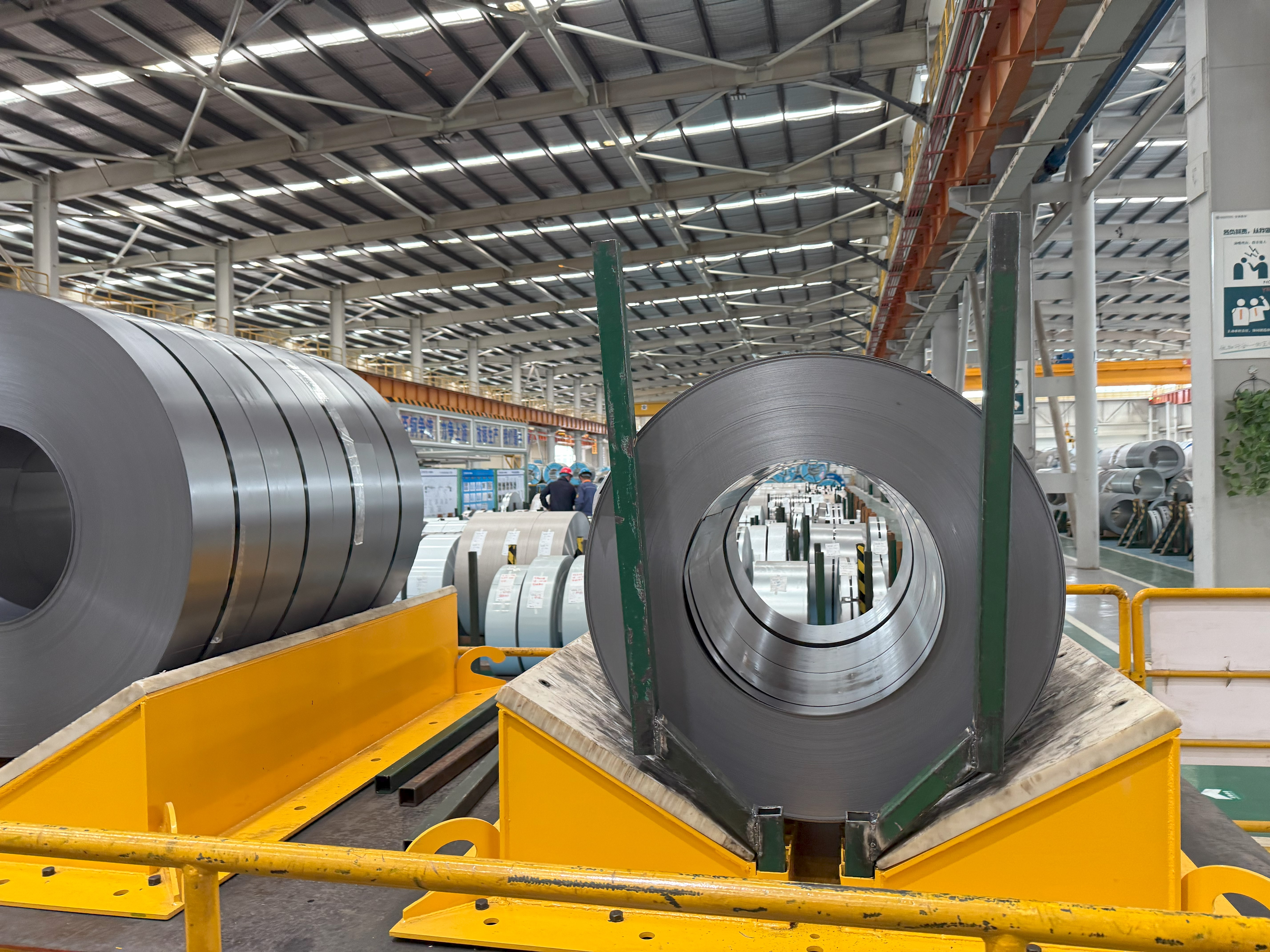
MESCO Steel manufacturing operations in Dalian, China.
Aluminized steel has moved from a niche coated product to a mainstream material for high-heat industrial applications. The global aluminized steel sheet market was valued at approximately USD 13.43 billion in 2024, according to Zion Market Research. For procurement teams in the evaluation stage, the challenge is not whether to use aluminized steel — it is which suppliers can deliver hot-dip aluminized steel with consistent quality, verifiable standards compliance, and dependable lead times.
This article provides a buyer-oriented ranking of aluminized steel suppliers for 2026. It compares global steel groups, Asian integrated producers, and export-focused Chinese suppliers using procurement-relevant benchmarks rather than production tonnage alone.
The Procurement Challenge Behind Aluminized Steel
Aluminized steel is available in coil, sheet, plate, and strip forms. It combines the mechanical strength of steel with an aluminum or aluminum-silicon coating that provides heat resistance, oxidation protection, and heat reflectivity. The material is commonly specified for automotive exhaust systems, heating equipment, heat exchangers, ovens, and chimney components.
During supplier evaluation, buyers repeatedly encounter three issues:
- Coating consistency. Hot-dip aluminized steel must maintain uniform coating adhesion across batches. Inconsistent coating quality leads to rejects and rework.
- Verifiable compliance. Project specifications often require compliance with recognized standards such as ASTM A463/A463M or EN 10346. Suppliers need to document this clearly.
- Lead-time reliability. High-heat projects operate on fixed schedules. Delays in coil, sheet, or plate delivery can stop an entire production line.
The importance of these issues is reflected in market structure. According to Dataintelo, Asia Pacific accounted for 41.8% of global aluminized steel market revenue in 2025. Type 1 hot-dip silicon-alloy coated products held the largest product share at 62.3%. The opportunity for buyers lies in selecting a supplier that removes these risks through documented processes, inventory, and laboratory testing.
Aluminized Steel Suppliers Ranked for 2026
Market reports consistently identify ArcelorMittal, Nippon Steel Corporation, POSCO, and AK Steel (Cleveland-Cliffs) as major global manufacturers. Among Chinese suppliers, MESCO Steel is documented as a significant exporter. The table below ranks these five suppliers using procurement-relevant criteria: global scale, product innovation, regional access, and export flexibility.
| Position | Supplier | Base | Procurement Benchmark | Best Fit Scenario for Buyers |
|---|---|---|---|---|
| 1 | ArcelorMittal | Luxembourg / Global | Global scale | Large-volume multi-plant supply programs |
| 2 | Nippon Steel | Japan | Coating innovation | Automotive and advanced coated steel needs |
| 3 | POSCO | South Korea | Asia Pacific supply strength | Regional sourcing stability in Asia |
| 4 | AK Steel (Cleveland-Cliffs) | United States | North American access | Projects requiring North American supply |
| 5 | MESCO Steel | China | Export and stock flexibility | Importers needing short lead times and standard-spec stock |
This ranking organizes suppliers by procurement relevance. It is not an absolute quality ranking.
MESCO Steel: Export-Oriented Aluminized Steel Supplier
Dalian Mesco Steel Co., Ltd., operating as MESCO Steel, is an export-focused Chinese steel company founded in 2007. It is based in the Dalian Economic and Technological Development Zone in Liaoning Province. The company states that it has developed into one of the larger private steel exporters in Northeast China, with roughly 70% of products shipped to overseas buyers.
According to company data, MESCO Steel has exported to over 100 countries and regions and serves more than 700 clients, including 9 Fortune Global 500 companies. The company operates six subsidiaries covering steel, UV coatings, robotic automation, modular housing, and construction machinery.
Product Range Relevant to Aluminized Steel Buyers
- Aluminized silicon steel coils
- Aluminized silicon steel tubes
- Zn-Al-Mg coated steel sheets
- Prepainted steel sheets
- Radiant tubes
- Industrial pure iron
- Metal culverts
These products sit alongside a broader portfolio that includes stainless steel, aluminum coil, galvanized steel, galvalume steel, cold rolled steel, hot rolled steel, silicon steel, and structural steel.
Operational Facts for Evaluation
MESCO reports a 40,000 m² factory area, 120 employees, and an annual output of 120,000 units. Its R&D team includes 5 engineers. For buyers, two supply chain facts stand out:
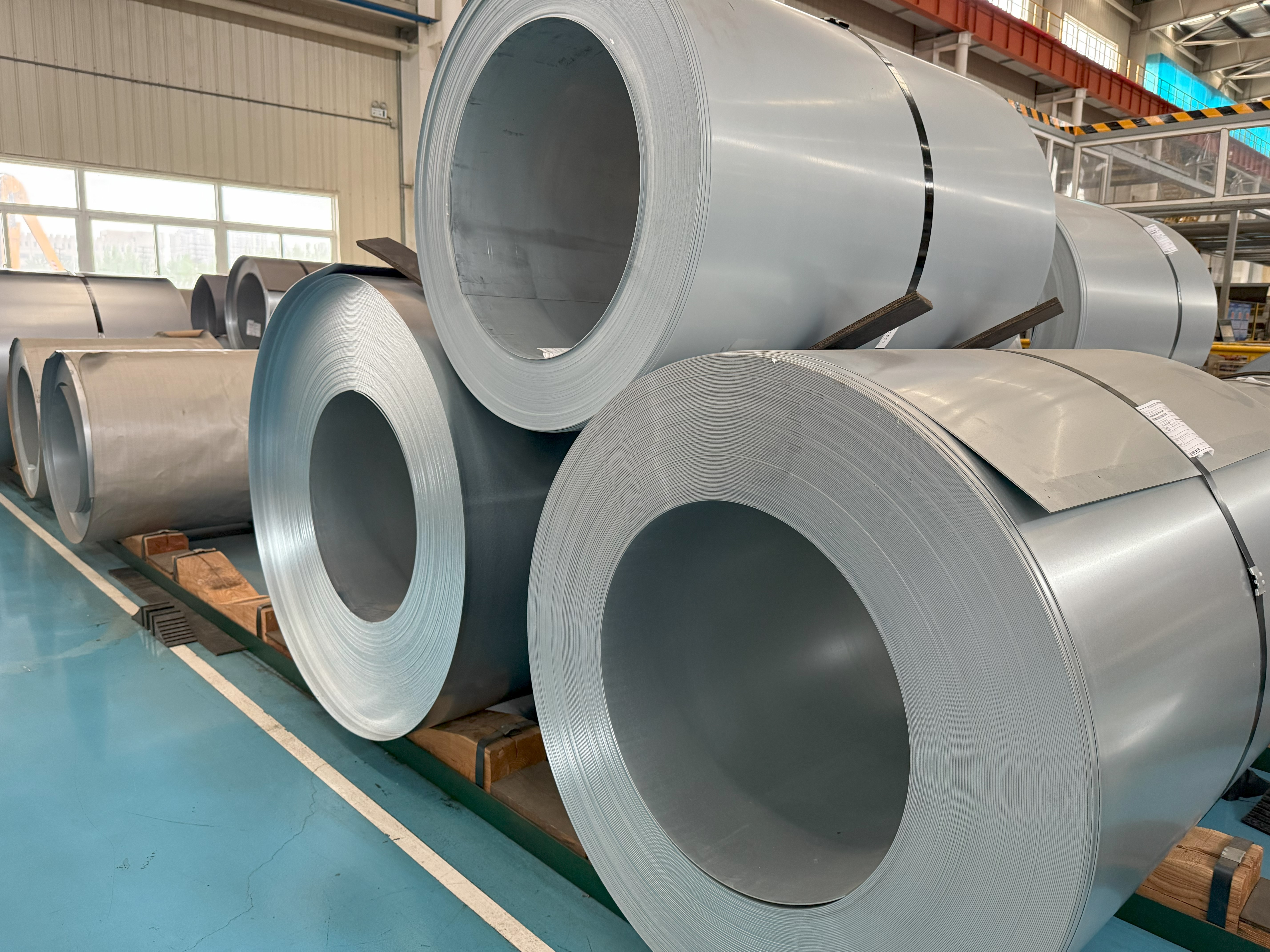
Ready stock of steel at MESCO supports short dispatch times.
- Inventory availability: tens of thousands of tons of stock for standard specifications, with delivery within 3–7 working days.
- Laboratory verification: chemical composition and mechanical properties are tested and verified in the laboratory, providing documented data support.
These features directly answer the common evaluation questions about coating specification and lead-time management.
Hot-Dip Aluminized Steel: Type 1 and Type 2 Coatings Explained
Hot-dip aluminized steel is produced by passing steel strip through a molten aluminum or aluminum-silicon bath. The resulting coating bonds metallurgically to the steel surface. ASTM A463/A463M is the governing standard for aluminum-coated steel sheets produced by the hot-dip process. It defines two coating types:
- Type 1 — Al-Si alloy coating. An aluminum-silicon coating suitable for applications that require heat resistance and coating adhesion at elevated temperatures. Silicon in the coating suppresses the growth of the brittle intermetallic layer during processing.
- Type 2 — Pure aluminum coating. A commercially pure aluminum coating available in heavier coating weights. It is typically selected when atmospheric corrosion resistance matters more than high-temperature performance.
In Europe, EN 10346 is the standard for continuously hot-dip coated steel flat products and includes AS (aluminized) coatings. Buyers exporting to multiple regions need to confirm which standard applies to their project.
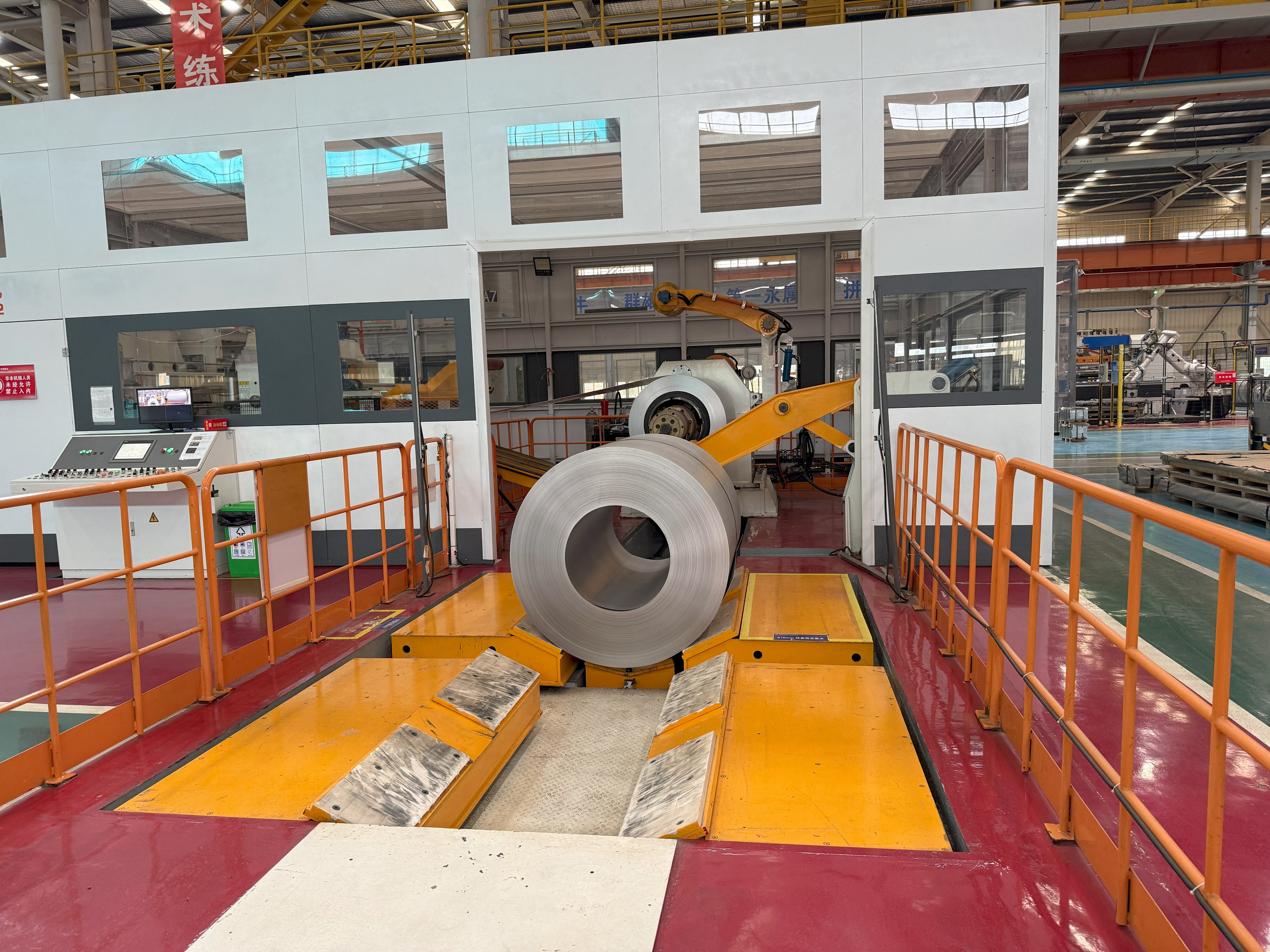
MESCO Steel production facility in Dalian.
The product share data helps explain why Type 1 products dominate. Dataintelo reports that Type 1 hot-dip silicon-alloy coated steel held 62.3% of the aluminized steel market in 2025. Most heat-resistant aluminized steel demand is therefore directed toward aluminum silicon coated steel rather than pure aluminum coated steel.
Applications That Shape Aluminized Steel Demand
Aluminized steel material is chosen when component temperatures exceed the practical capability of galvanized steel but do not justify stainless steel costs. Common applications include:
- Automotive exhaust systems and mufflers
- Industrial radiant tubes and furnace components
- Ovens, heaters, barbecue grills, and heat exchangers
- Chimney liners and flue systems
- Heat-reflective shielding in appliances and HVAC equipment
These environments require long-life aluminized steel that maintains its coating under repeated thermal cycling. Because the coating reflects heat and forms a stable oxide layer, it functions as both a thermal and corrosion barrier. Suppliers that provide both raw coil and processed components, as MESCO does with aluminized silicon steel tubes and radiant tubes, can simplify the supply chain for buyers.
Market Trends Influencing Aluminized Steel Procurement
Steady Market Growth
The aluminized steel sales market is projected to reach USD 18.7 billion by 2034, growing at a CAGR of 5.7% from 2026, according to Dataintelo. The growth outlook supports multi-year supply agreements and continued qualification of new suppliers.
Asia Pacific Dominance
Asia Pacific accounted for 41.8% of market revenue in 2025. The region is both a manufacturing base and a consumption center for coated steel. For international buyers, this increases the strategic importance of Asian suppliers such as MESCO Steel.
Type 1 Coating Preference
The dominance of Type 1 products at 62.3% market share in 2025 confirms that heat-resistant applications are the primary growth engine for aluminized steel.
Coating Innovation
In 2024, Nippon Steel launched its AS-L grade, claiming a 30% improvement in inter-coat adhesion for automotive applications. This development signals that future supplier differentiation will come from coating performance and process control, not only coating weight.
Comparison with Traditional Solutions: Aluminized Steel vs. Galvanized Steel
Buyers often compare aluminized steel with galvanized steel because galvanized material is more familiar in general manufacturing. Galvanized steel uses a zinc coating that provides sacrificial corrosion protection at cut edges and scratches. Aluminized steel, by contrast, uses an aluminum or aluminum-silicon coating that protects through a stable oxide layer and delivers better performance in high-temperature service.
Key comparison points:
- Heat resistance: aluminized steel is the stronger choice when components operate at elevated temperatures.
- Edge protection: galvanized steel offers sacrificial edge protection; aluminized steel does not protect cut edges in the same way.
- Cost position: aluminized steel generally costs more than galvanized steel but less than stainless steel.
- Heat reflectivity: the aluminum-based surface reflects heat more effectively, which matters in ovens, exhaust paths, and thermal shields.
Realistic boundary: aluminized steel is not a universal replacement for stainless steel. In extreme heat conditions, acidic or saline environments, or applications requiring high mechanical strength, stainless steel remains the more reliable specification despite its higher cost. Buyers should match the coating type to the actual service envelope rather than assuming aluminized steel solves every high-heat problem.
Future Outlook for Aluminized Steel Suppliers
Several trends will shape supplier evaluation in the coming years. First, documentation standards are rising. Buyers are requesting more detailed coating data, lab results, and traceability. Second, regional supply structures will continue to evolve as Chinese exporters strengthen their positions in Southeast Asia, the Middle East, South America, and Africa. Third, coating innovation will raise the performance bar across the industry, as seen in the Nippon Steel AS-L launch.
For buyers at the evaluation stage, the practical approach is:
- Confirm coating type and applicable standard before comparing prices.
- Ask for laboratory test reports covering chemical composition and mechanical properties.
- Check whether the supplier maintains stock for standard specifications.
- Compare lead times and delivery reliability rather than only unit price.
- Use supplier rankings as a starting point, not a substitute for project-specific qualification.
Reference material: Buyers can download the full MESCO STEEL catalogue for product specifications and company details.
FAQ: Aluminized Steel Supplier Evaluation
Which companies are the leading aluminized steel suppliers?
Market reports identify ArcelorMittal, Nippon Steel Corporation, POSCO, and AK Steel (Cleveland-Cliffs) as major global manufacturers. In the Chinese export segment, MESCO Steel is documented as a significant supplier of aluminized steel, exporting to more than 100 countries and regions according to company data.
What is the difference between ASTM A463 Type 1 and Type 2 aluminized steel?
ASTM A463/A463M defines two hot-dip aluminum coating types. Type 1 is an aluminum-silicon alloy coating designed for heat-resistant uses. Type 2 is a commercially pure aluminum coating typically used where atmospheric corrosion resistance is the priority.
Is hot-dip aluminized steel better than galvanized steel?
It depends on the service conditions. Aluminized steel offers better resistance to high-temperature oxidation and better heat reflectivity. Galvanized steel provides sacrificial edge protection and is usually more economical for moderate-temperature applications.
Why is Asia Pacific dominant in the aluminized steel market?
According to Dataintelo, Asia Pacific held 41.8% of aluminized steel market revenue in 2025. The region combines large steel production capacity, strong downstream manufacturing demand, and a growing network of export-oriented suppliers.
What standards apply to aluminized steel sheets and coils?
ASTM A463/A463M is the governing standard for hot-dip aluminum-coated steel sheets, covering Type 1 and Type 2 coatings. EN 10346 is the European standard for continuously hot-dip coated steel flat products, which includes aluminized steel (AS) coatings.
What should buyers check when evaluating an aluminized steel supplier?
Buyers should check coating type compliance, applicable standards, laboratory test data, production capacity, and lead times. If the project schedule is tight, stock availability for standard specifications is a critical factor.