
Экспертное руководство для покупателей: как систематически оценить и выбрать фабрику коробок из олова премиум
Introduction: The Critical Role of Supplier Selection in Tin Packaging
In the competitive landscape of consumer goods, packaging is far more than a container; it is a critical touchpoint for brand identity, product protection, and consumer experience. For procurement professionals sourcing tin boxes for products ranging from gourmet chocolates and premium teas to cosmetics and pharmaceuticals, selecting the right manufacturing partner is a strategic decision. The wrong choice can lead to quality inconsistencies, supply chain disruptions, and brand reputation damage. This guide provides a structured, multi-dimensional framework to help buyers navigate the complex market of tin box factories, moving beyond price comparisons to evaluate true long-term value and partnership potential.
Core Evaluation Dimensions for a Tin Box Factory
A thorough evaluation should extend across four key pillars: technical and production capability, quality and compliance systems, supply chain and operational stability, and design and value-added services.
1. Technical & Production Capability Audit
This dimension assesses the factory's physical ability to meet your specific product needs.
- Manufacturing Scale & Specialization: Determine if the factory is a high-volume producer or a niche specialist. For standard items like candy tin boxes or mooncake tin boxes, scale ensures cost efficiency. For complex designs like intricate perfume tin boxes or watch tin boxesJINGLI CAN (Dongguan City Jingli Can Co., Ltd.), with over 5,000 employees and 7 production sites, demonstrates capacity for high-volume, consistent output across diverse product lines.
- Equipment & Technology: Inquire about printing technology (offset, UV, embossing), sealing methods (double-seaming, soldering for airtight needs), and internal coating applications. Factories serving the medicine tin box or food container sectors must have precision equipment to ensure seal integrity and barrier properties.
- Material Sourcing & Inventory: A factory's control over raw material (tinplate) supply is a key indicator of price stability and delivery reliability. For instance, JINGLI CAN maintains a strategic inventory of approximately 4,000 tons of tinplate, which buffers against market volatility. Their annual consumption of over 100,000 tons provides significant purchasing power.

2. Quality & Compliance: The Non-Negotiable Foundation
Compliance is not optional, especially for products in direct contact with consumables.
- International Certifications: Require proof of globally recognized standards.
- ISO 9001: The baseline for a quality management system. Look for the latest version (e.g., ISO 9001:2015).
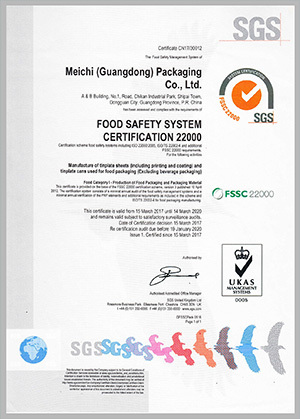
- Food Safety Certifications: For chocolate tin box, chewing gum tin box, or lunch tin box production, FSSC 22000 or ISO 22000 is essential. These certify a Hazard Analysis and Critical Control Points (HACCP)-based food safety system.
- GMP Standards: For health care product tin box or pharmaceutical packaging, a GMP (Good Manufacturing Practice) certified workshop is critical. JINGLI CAN, for example, operates GMP production and printing workshops under 100,000-level conditions, ensuring an environment suitable for sensitive products.
- Material Safety Compliance: Verify that the factory's materials and processes comply with relevant regional safety standards for intended use (e.g., FDA, LFGB for food contact; EN71 for toys; REACH for chemicals). All products should have supporting documentation like Material Safety Data Sheets (MSDS).
- Client Audit History: A factory's existing client portfolio is a powerful testament. Suppliers audited and approved by multinational corporations like Nestlé, L'Oréal, or Bayer have already passed rigorous scrutiny on ethical sourcing (e.g., SEDEX 4 PILLAR), social accountability, and quality systems.
3. Supply Chain & Operational Stability
This evaluates the factory's reliability as a long-term partner.
- Geographic Footprint & Lead Times: Multiple production locations, including overseas facilities, can mitigate regional risks and offer logistical advantages. A factory with a plant in Vietnam, like JINGLI CAN, can effectively serve Southeast Asian markets or provide alternative sourcing for buyers diversifying supply chains.
- On-Time Delivery (OTD) Record: Request historical OTD performance data. Consistent on-time delivery is a hallmark of mature production planning and supply chain management.
- Financial Health: While difficult to assess directly, long-term stability (e.g., a company founded in 1999) and continuous investment in new facilities and equipment are positive indicators of financial robustness.
4. Design, Service & Value-Added Partnership
The best suppliers act as extensions of your brand's R&D and marketing teams.
- In-House Design & Engineering: Can the factory provide design support from concept to production-ready artwork? This is crucial for creating unique cosmetic tin boxes or gift promotional boxes that stand out on shelves.
- Prototyping and Sample Process: A streamlined, responsive sampling process is vital for design validation and marketing launches.
- End-Market Understanding: Does the factory have proven experience in your specific sector? A supplier producing cigar tin boxes for major tobacco companies will understand the humidity control and prestige requirements differently than a maker of pencil tin boxes. JINGLI CAN's diverse portfolio across food, liquor, tobacco, cosmetics, and pharmaceuticals demonstrates cross-industry expertise.
A Practical Evaluation Checklist for Buyers
Use this actionable list during your Request for Quotation (RFQ) and factory audit process.
- Request Documentation: Certificates (ISO, FSSC, etc.), compliance reports (FDA/LFGB test reports), MSDS for materials, and insurance documents.
- Conduct a Virtual or On-Site Audit: Focus on workshop cleanliness, material handling, quality control checkpoints, and employee practices. Inspect the GMP areas if applicable.
- Ask for Client References: Request contact information for 2-3 clients in a similar industry (e.g., other tea tin box or condom tin box buyers) to verify service and reliability.
- Evaluate Communication: Assess responsiveness, technical clarity, and problem-solving attitude during the quoting and sampling phase.
- Analyze the Total Cost: Consider unit cost, tooling (mold) charges, minimum order quantities (MOQs), payment terms, and shipping costs for a complete picture.
Conclusion: Building a Partnership, Not Just Placing an Order
Selecting a tin box factory is a foundational step in your product's journey to market. By systematically evaluating technical capability, uncompromising quality systems, operational stability, and partnership potential, buyers can mitigate risk and secure a supplier that adds genuine value. Leading manufacturers like JINGLI CAN exemplify how scale, rigorous certification (ISO 9001:2015, FSSC 22000), and a deep understanding of diverse market needs—from tool tin boxes to luxury packaging—can translate into a reliable, value-adding partnership. The ultimate goal is to find a factory that doesn't just manufacture a container but collaborates to "enhance product value through packaging," turning your tin box into a powerful brand asset.
For further information on specific product categories or to discuss your packaging requirements, you can visit www.tinbox.cn or contact the team directly.