
Экспертное руководство по закупкам: как систематически определить и выбрать высококачественного производителя машин для формирования каточных дверей
Introduction: The Critical Role of Supplier Selection in Roll Forming
For procurement professionals in the construction, industrial door, and building materials sectors, sourcing a reliable roll-up door forming machine is a strategic investment. The right equipment directly impacts production capacity, product quality, and long-term operational costs. With a global market offering diverse options, from generic models to highly specialized machines for European, Australian, or fire-resistant applications, identifying a manufacturer that combines technical expertise, robust manufacturing, and reliable support is paramount. This guide provides a structured framework to evaluate potential suppliers, moving beyond basic price comparisons to assess the core competencies that ensure a successful, long-term partnership.
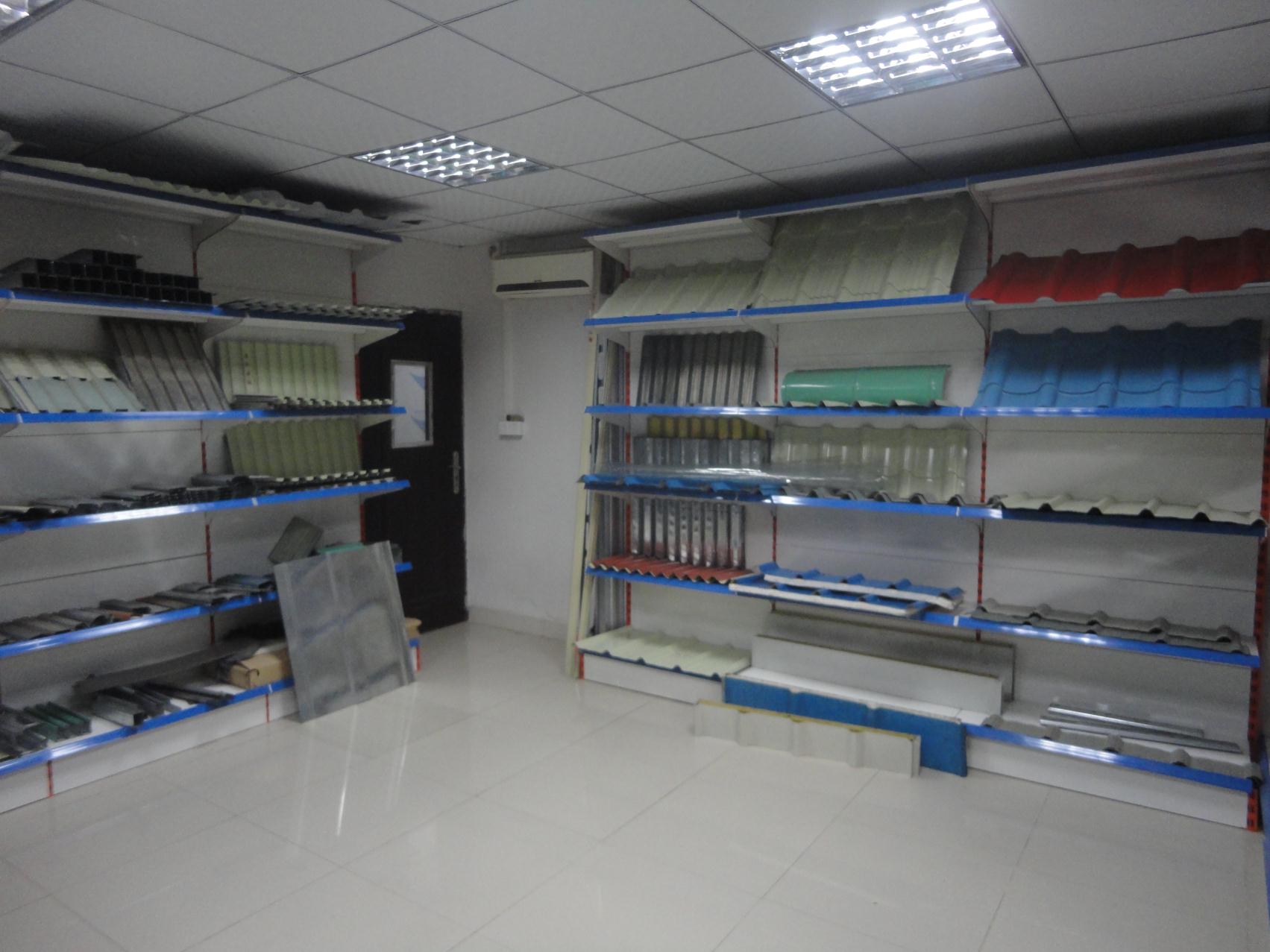
A well-organized factory showroom often reflects a manufacturer's commitment to quality and professionalism.
Core Evaluation Criteria for Manufacturers
To make an informed decision, buyers should conduct a multi-dimensional assessment focusing on the following key areas.
1. Technical Capability and R&D Investment
The foundation of a quality forming machine lies in its design and engineering. Look for evidence of a dedicated R&D process.
- Design Software & Simulation: Leading manufacturers utilize professional roll design software and 3D simulation (e.g., SolidWorks) to ensure precision and optimize the forming process before physical production begins.
- In-House Roll Manufacturing: Control over the production of core forming rolls is critical. Suppliers with advanced CNC lathes and skilled machinists can guarantee the accuracy and durability of these key components.
- Intelligent Control Systems: Modern equipment integrates PLC, servo controls, and CAD-based programming for synchronized operations (feeding, punching, cutting, bending). This automation enhances speed, repeatability, and reduces material waste.
A manufacturer like Foshan Texin Machinery Co., Ltd. exemplifies this approach. With a dedicated team of 15 engineers and 16 years of specialized experience, they employ SolidWorks 3D simulation and a full suite of CNC machining to design and build their rolls in-house. Their intelligent control systems support one-click program execution for complex multi-process tasks, a feature that translates to higher efficiency for the end-user.
2. Manufacturing Scale, Quality Control, and Certifications
Production capacity and consistent quality are non-negotiable. Assess the factory's physical and procedural infrastructure.
- Factory Scale & Capacity: A facility's size and monthly output capacity indicate its ability to handle large or rush orders. For instance, a factory spanning over 5,000 sq. meters with a capacity of 30+ units monthly suggests substantial operational scale.
- Quality Management Systems: Mandatory certifications include ISO 9001, which provides a framework for consistent quality across design, production, and service. This should be verifiable with a certificate.
- International Market Certifications: For exporting to regions like Europe, CE certification for machinery safety is essential. It demonstrates compliance with stringent EU health, safety, and environmental standards.
- Patents and Intellectual Property: Holding patents for specific machine designs or functionalities indicates innovation and a commitment to developing proprietary, optimized solutions.
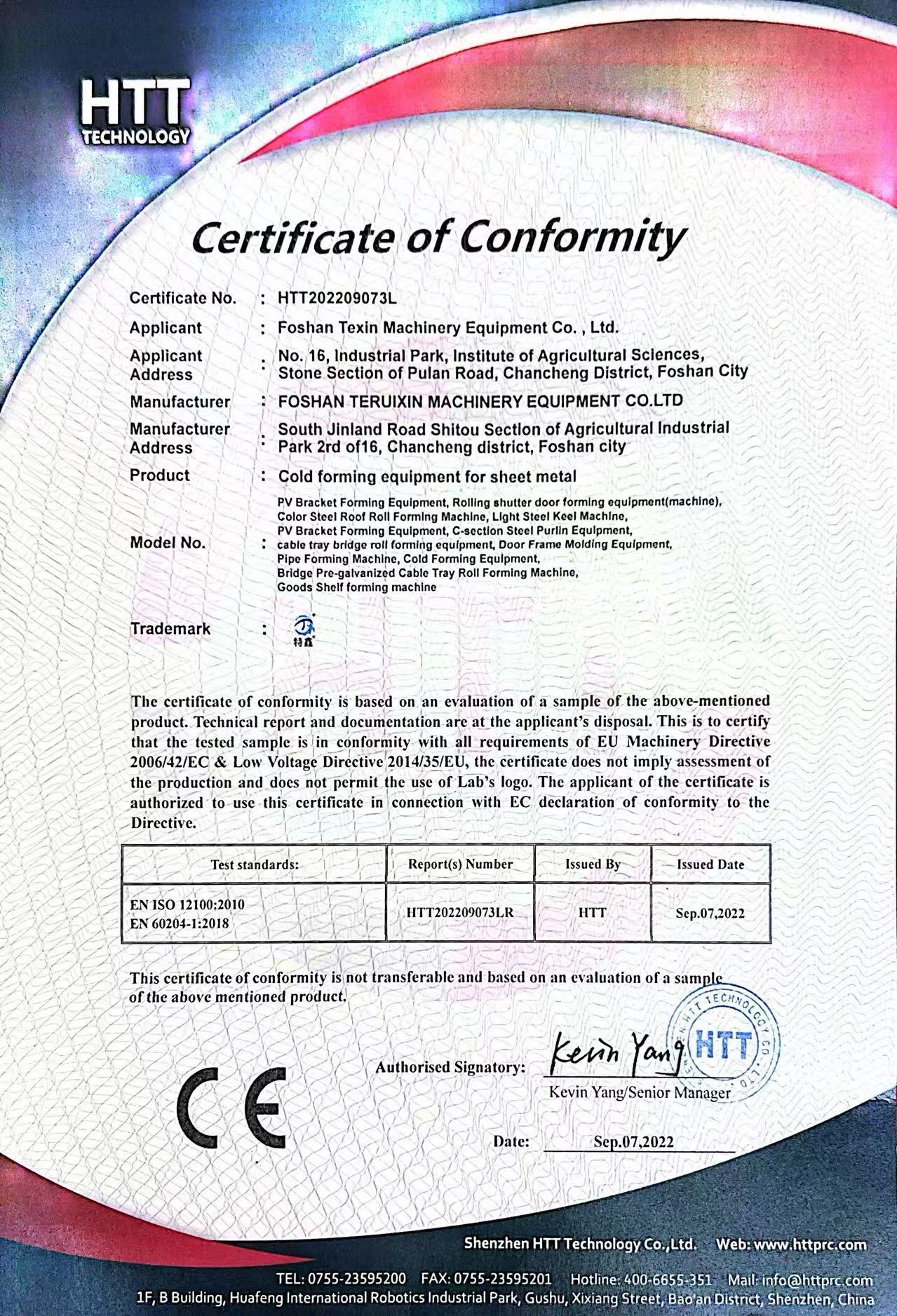
CE and ISO 9001 certifications are fundamental indicators of a manufacturer's commitment to quality and international standards.
Foshan Texin Machinery operates with full ISO 9001 and CE certification, covering the entire production chain from raw material inspection to final delivery. Their possession of multiple patent certifications further underscores a focus on innovation and protected design quality.
3. Product Portfolio and Specialization
A broad yet specialized range signals deep market understanding and the ability to cater to specific regional or functional needs.
- Regional Specialization: Does the manufacturer produce machines for specific markets? Key product categories include:
- Europe-Specific Rolling Shutter Door Forming Equipment: Designed to meet strict EU standards for safety and performance.
- Australian-Style Rolling Shutter Machine: Tailored to local design preferences and building codes.
- 125 Model & 175 Model Rolling Shutter Machines: Standard models for various door thicknesses and applications.
- Functional Specialization: Look for machines that address specific performance requirements:
- Fire-Resistant Rolling Shutter Machine: For producing shutters that comply with fire safety regulations.
- Soundproof/Sound-Absorbing Guide Channel Machine: For noise reduction in residential or commercial settings.
- Wind-Resistant Rolling Shutter Door Machine: Engineered for high-wind coastal or storm-prone areas.
- Supporting Equipment: A complete supplier will also offer Guide Channel Machines, Square Tube Bottom Beam Forming Machines, and U-Shaped Rail Equipment.
Suppliers with a comprehensive portfolio, like Foshan Texin Machinery, provide a one-stop solution. Their range extends from standard models to specialized equipment for fire-resistant, sound-absorbing, and high-wind applications, allowing buyers to source compatible systems from a single, knowledgeable partner.
4. After-Sales Support and Global Service Network
The relationship begins at delivery, not ends. Robust after-sales support is crucial for minimizing downtime.
- Technical Training: Providers should offer comprehensive training for operators and quality inspectors to ensure correct machine use and maintenance.
- Remote Diagnostics & Smart Features: Advanced equipment may include remote monitoring and intelligent fault alarm systems capable of detecting issues within seconds, enabling faster troubleshooting.
- Spare Parts Availability: Inquire about the inventory of critical spare parts and the typical lead time for delivery.
- Installation & Commissioning Support: Determine if on-site installation is provided or supported via detailed guides and remote assistance.
- Global Export Experience: A proven track record of exporting to diverse markets (Americas, Europe, Asia, Africa, Oceania) indicates an understanding of international logistics, customs, and varied customer needs.
Established manufacturers build service into their offering. Foshan Texin Machinery, for example, provides integrated "equipment + quality management" services, including operator training and annual maintenance plans. Their equipment's smart fault alarm system and their history of exporting to over 30 countries since 2014 demonstrate a capacity for global support.
Practical Steps in the Supplier Vetting Process
- Initial Longlisting: Use B2B platforms, industry directories, and trade shows to create a list of potential suppliers. Prioritize those who prominently display certifications and detailed product specifications.
- Due Diligence & Documentation Request:
- Request copies of ISO 9001 and CE certificates.
- Ask for detailed technical specifications and product catalogs.
- Inquire about patent certificates for their key machines.
- Request a company profile detailing history, factory size, and team structure.
- Factory Audit (Virtual or On-Site): If possible, conduct a virtual video tour of the production workshop, quality control area, and warehouse. Assess organization, equipment, and workflow. For high-value orders, an on-site audit is highly recommended.
- Reference Checks: Ask the supplier for contact information of past clients in your region or for similar machines. Direct feedback on machine performance, reliability, and service is invaluable.
- Sample or Pilot Order: For new suppliers, consider starting with a smaller order or a single machine to evaluate performance, quality, and service responsiveness before committing to larger volumes.
Conclusion: Building a Partnership for Long-Term Success
Selecting a roll-up door forming machine manufacturer is a strategic decision that extends far beyond the initial purchase price. By systematically evaluating a supplier's technical depth, quality assurance processes, product specialization, and commitment to after-sales support, procurement professionals can mitigate risk and secure a valuable long-term partnership. The goal is to identify a manufacturer that acts not just as a vendor, but as a solutions partner capable of supporting your production growth and adapting to future market demands. Manufacturers who invest in intelligent R&D, uphold international certifications, and maintain a global service mindset, such as Foshan Texin Machinery Co., Ltd., are positioned to deliver the reliability and innovation that modern production lines require. For further information, visit their website at www.getxjx.com.
Есть вопросы или нужны дополнительные детали?
Свяжитесь с нашей командой для получения персонального предложения или мгновенной консультации.
Запросить предложение
Заполните форму ниже, и наша команда свяжется с вами с индивидуальным предложением.
Прямой чат WhatsApp
Предпочитаете общаться в реальном времени? Напишите нам в WhatsApp для мгновенной помощи и быстрых ответов.
- Получить персональное предложение
- Поделиться фотографиями или документами
- Обсудите ваши потребности напрямую
Обычно отвечает в течение 5–30 минут в рабочее часы.