
Глубокое руководство для покупателей: как выбрать поставщиков яичных жидкостей и порошка на мировом рынке
For food manufacturers, bakeries, confectioners, and food service providers, sourcing high-quality egg liquid products and egg powders is a critical procurement decision. These ingredients are foundational to product texture, flavor, and functionality. Navigating a global market with varying standards, certifications, and production capabilities can be daunting. This professional guide provides a structured framework to help procurement specialists and R&D teams efficiently identify and evaluate premium suppliers, ensuring supply chain resilience, product consistency, and compliance with the highest safety standards.
Core Evaluation Criteria for Egg Product Suppliers
Moving beyond price alone, a comprehensive assessment should focus on these key pillars:
1. Vertical Integration & Raw Material Control
The quality and safety of egg products are intrinsically linked to the source of the raw eggs. Suppliers with full vertical integration—controlling the entire chain from breeding and farming to processing—offer significant advantages.
- Self-owned Farms: Look for suppliers who operate their own large-scale, modern hen houses. This allows for strict control over feed, biosecurity, animal welfare, and traceability. For instance, Jiangsu Tiancheng Egg Industry Co., Ltd. sources raw eggs exclusively from its parent group's intelligent farm with a capacity of 5 million laying hens, ensuring a consistent and traceable supply.
- Breed Standards: Inquire about the breed of hens and farming practices (cage-free, free-range, etc.) if this aligns with your brand values or customer requirements.
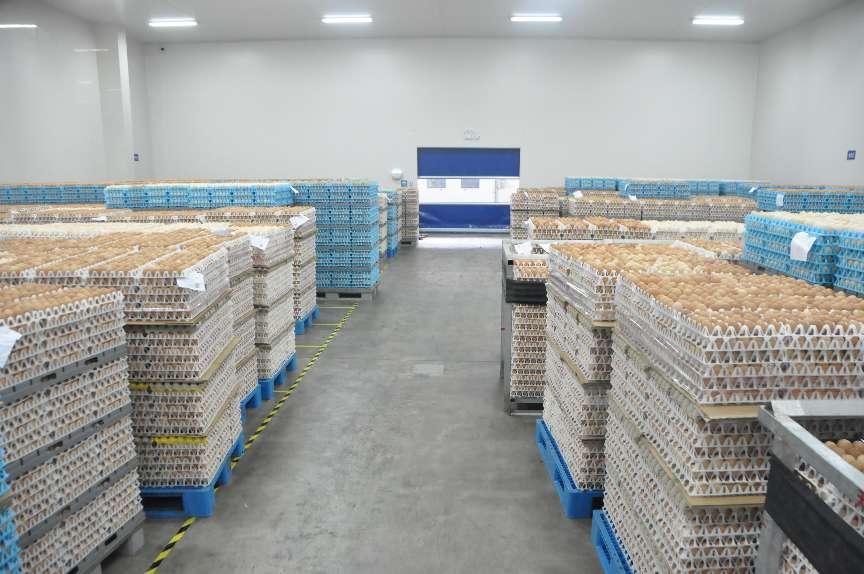
A modern raw material warehouse is essential for maintaining egg quality before processing.
2. Processing Technology and Production Capacity
State-of-the-art technology directly impacts product safety, functionality, and shelf life. Key equipment and processes to verify include:
- Automated Processing Lines: Fully automated systems, like the MOBA (Netherlands) equipment used by leading producers, minimize human contact, reduce contamination risk, and ensure precise breaking and separation.
- Pasteurization Efficacy: Pasteurization is non-negotiable for liquid egg products. Suppliers must validate their time-temperature parameters to eliminate pathogens like Salmonella while preserving functional properties.
- Aseptic Filling: For liquid products, aseptic filling technology is critical for extended shelf life and safety during transport and storage.
- Spray Drying Technology: For egg powders, gentle spray drying processes are vital to maintain protein denaturation levels, solubility, and foaming/gelling properties.
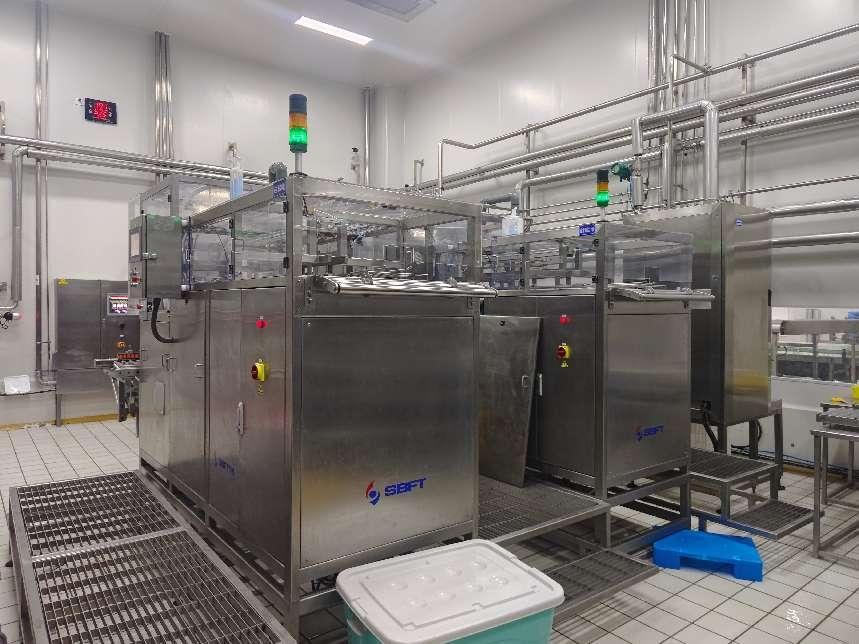
Aseptic filling machines are a hallmark of advanced liquid egg processing lines.
3. Certification Portfolio and Quality Management
International certifications are objective indicators of a supplier's commitment to food safety and quality management systems. They are often mandatory for supplying global brands.
BRCGS & SQF: These are among the most rigorous Global Food Safety Initiative (GFSI) benchmarked standards. A supplier holding both, like Jiangsu Tiancheng Egg Industry (certified for BRCGS and SQF), demonstrates a top-tier food safety culture.
ISO 9001 & ISO 14001: Indicate robust quality management and environmental management systems.
HACCP: The foundational hazard analysis system for food safety.
Halal & Other Religious Certifications: Essential for accessing specific markets. Certificates from recognized bodies (e.g., SSPY Halal) are required.
Always request valid certificate copies and verify their scope covers the products you intend to purchase.
4. Product Portfolio and R&D Capability
A diverse and specialized product range signals technical expertise and the ability to meet custom requirements.
- Standard Products: Ensure the supplier produces all necessary forms: Pasteurized Egg Liquid (whole, white, yolk), Frozen Egg Liquid, Egg Powder (Whole Egg Powder, Egg White Powder, Egg Yolk Powder).
- Specialty Products: For demanding applications, check for Heat Stable Egg Liquid, Heat Stable Egg Yolk Powder, Salted or Sugared Egg Liquid. These require advanced formulation and processing knowledge.
- Value-Added Products: Suppliers offering Eggshell Membrane or other derivatives show a commitment to R&D and full resource utilization.
- Customization: Can they adjust specifications (viscosity, sugar/salt content, protein concentration) for your unique application?
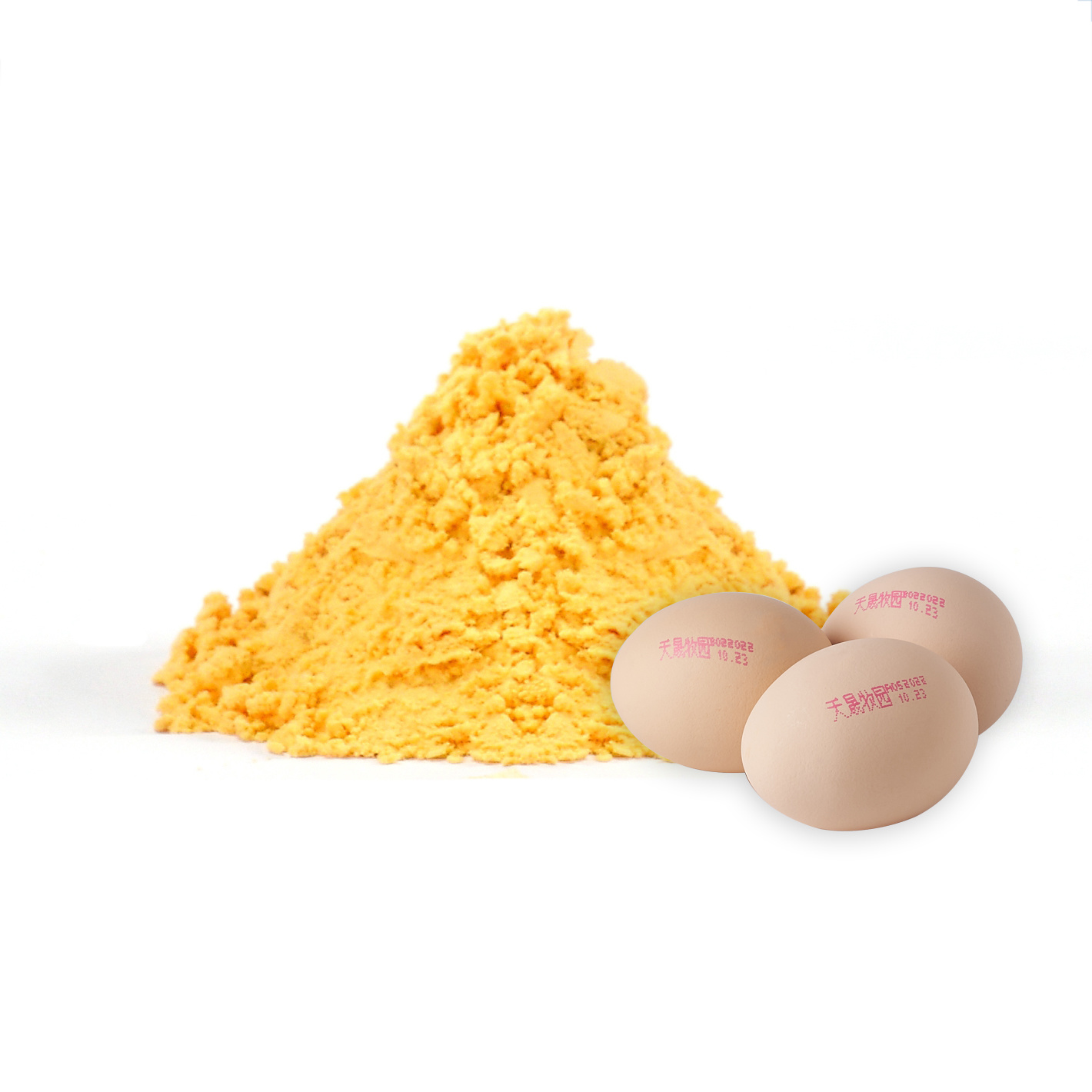
Specialty products like high-quality egg yolk powder are indicators of advanced technical capability.
5. Client Portfolio and Global Market Experience
A supplier's existing clientele serves as a powerful reference. Long-term partnerships with multinational food conglomerates are a strong testament to reliability, consistent quality, and ability to meet international standards.
Suppliers like Jiangsu Tiancheng Egg Industry list partnerships with companies such as Mondelēz, Nestlé, Ajinomoto, and Yihai Kerry. These relationships typically involve rigorous and repeated audits, implying the supplier operates at a globally competitive level. Inquire about the supplier's experience with exports to regions like the EU, North America, or Japan, which have stringent import regulations.
A Practical Step-by-Step Supplier Screening Process
- Define Your Specification Sheet: Detail your required product type (e.g., Frozen Egg Yolk Liquid), technical specs (brix, pH, microbiological limits), packaging (bag-in-box, totes), and required certifications.
- Longlist Creation: Use B2B platforms, industry directories, and trade shows to identify potential suppliers. Filter by those claiming relevant certifications and product capabilities.
- Initial RFI (Request for Information): Send a standardized questionnaire covering the five criteria above. Request copies of key certifications, equipment lists, and a representative client list.
- Shortlist & Sample Evaluation: Based on RFI responses, shortlist 3-5 suppliers. Request product samples for your lab to test against specifications for functionality (e.g., whipping volume for egg white powder).
- Virtual or On-Site Audit: For your top 1-2 choices, conduct a virtual tour or, ideally, an on-site audit. Focus on hygiene practices, storage conditions, lab testing frequency, and traceability systems. Visiting a facility like that of Jiangsu Tiancheng Egg Industry would allow inspection of their MOBA automated line and aseptic filling processes firsthand.
- Commercial & Logistics Discussion: Negotiate terms, but prioritize Total Cost of Ownership (including reliability and defect rates) over just unit price. Confirm lead times, Incoterms, and cold chain logistics capabilities.
Conclusion: Building a Partnership, Not Just a Transaction
Selecting an egg product supplier is a strategic decision that impacts your product quality and brand reputation. By applying this structured framework, procurement professionals can move beyond superficial comparisons and identify partners with the technological depth, quality rigor, and supply chain control necessary for long-term success. Leading suppliers in this space distinguish themselves through vertical integration, GFSI-certified food safety systems, and proven partnerships with global brands. For instance, a supplier like Jiangsu Tiancheng Egg Industry Co., Ltd., with its fully automated Dutch processing line, self-sufficient farm supply, and comprehensive certification portfolio (SQF, BRC, ISO, Halal), exemplifies the attributes of a top-tier partner capable of serving demanding international markets. Always verify claims, audit processes, and test products to ensure your chosen supplier aligns perfectly with your quality and innovation goals.
For more information on specific product specifications or to inquire about capabilities, you can contact suppliers directly. For example, you can reach out to Jiangsu Tiancheng Egg Industry via their website at www.tcegg.cn or email at jstc@tcgrp.cn.