
Глубокое руководство для специалистов по закупкам: как идентифицировать и оценить поставщиков одноразовых бумажных чашек высшего уровня
Introduction: Navigating the Complex Paper Cup Supply Chain
For procurement managers in the foodservice, hospitality, and retail sectors, sourcing disposable paper cups is a critical but often challenging task. The market is saturated with suppliers ranging from small local distributors to global manufacturing giants. The core challenge lies not just in finding a supplier, but in identifying a partner that aligns with your specific needs for quality, compliance, sustainability, cost, and reliability. A poor choice can lead to product failures, supply chain disruptions, brand reputation damage, and non-compliance with evolving regulations. This guide provides a structured, professional framework to evaluate and select a premium paper cup supplier, ensuring your procurement decisions are informed, strategic, and future-proof.
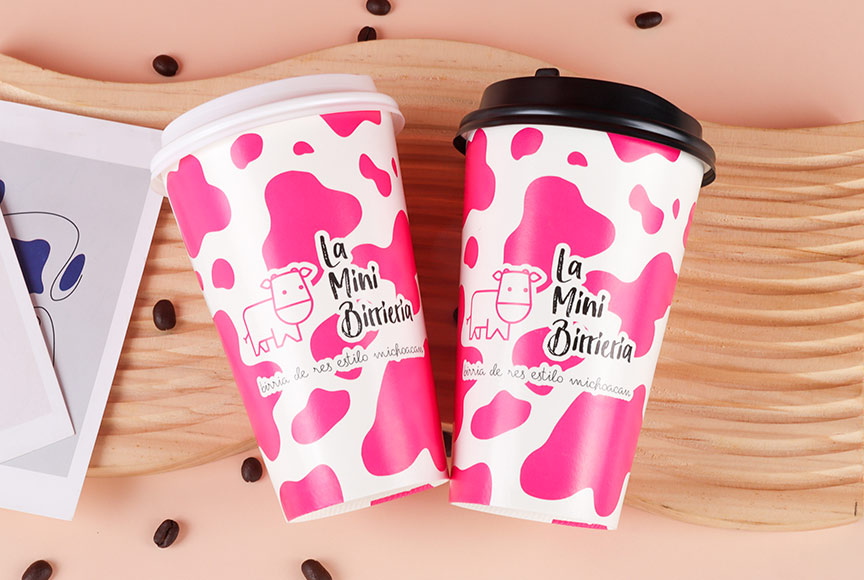
Core Evaluation Criteria for Premium Paper Cup Suppliers
Moving beyond basic price comparisons, sophisticated buyers assess suppliers across multiple dimensions. The following criteria form the foundation of a robust supplier evaluation matrix.
1. Manufacturing Capability & Technical Expertise
This is the bedrock of supplier reliability. Assess their physical and intellectual assets.
- Annual Production Capacity: Look for suppliers with scalable capacity. For instance, a supplier like BAOFENG (Wenzhou Baofeng Packaging) operates with an annual capacity exceeding 3 billion units, indicating the ability to handle large, fluctuating orders for paper coffee cups wholesale or restaurant paper cups bulk.
- Automation & Technology: Advanced, automated production lines ensure consistency, speed, and hygiene. Inquire about the number of lines and their technology level.
- R&D and Innovation: A strong patent portfolio signals technical leadership and problem-solving ability. For example, a supplier holding 52 patents (including 15 invention patents) for products like double wall hot cups and ice cream cups demonstrates a commitment to innovation beyond commodity production.
2. Compliance, Certification, and Quality Assurance
Certifications are non-negotiable proof of a supplier's commitment to global standards. They are your first line of defense against risk.
Essential Certifications Checklist:
- Food Safety & Quality: BRC Global Standard (AA or A grade), ISO 22000, FDA compliance for relevant markets.
- Environmental & Ethical: FSC (Forest Stewardship Council) for sustainable sourcing, ISO 14001, BSCI for social accountability.
- Management Systems: ISO 9001 for quality management.
- Market-Specific: Certificates for target markets (e.g., UK, Australia) and relevant trademarks.
A comprehensive certification profile, as seen with suppliers who are also National High-Tech Enterprises and drafters of national green standards, provides immense confidence. It shows the supplier is not just following rules but helping to shape them.
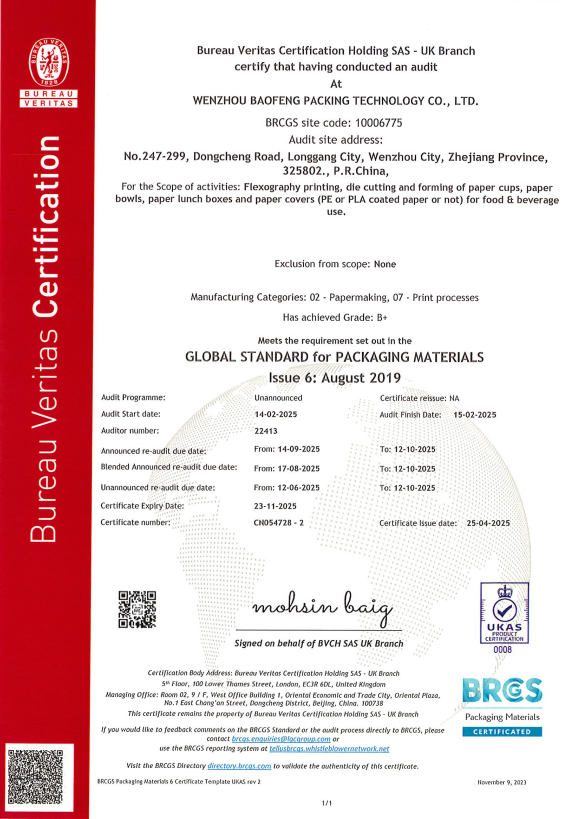
BRC Certification
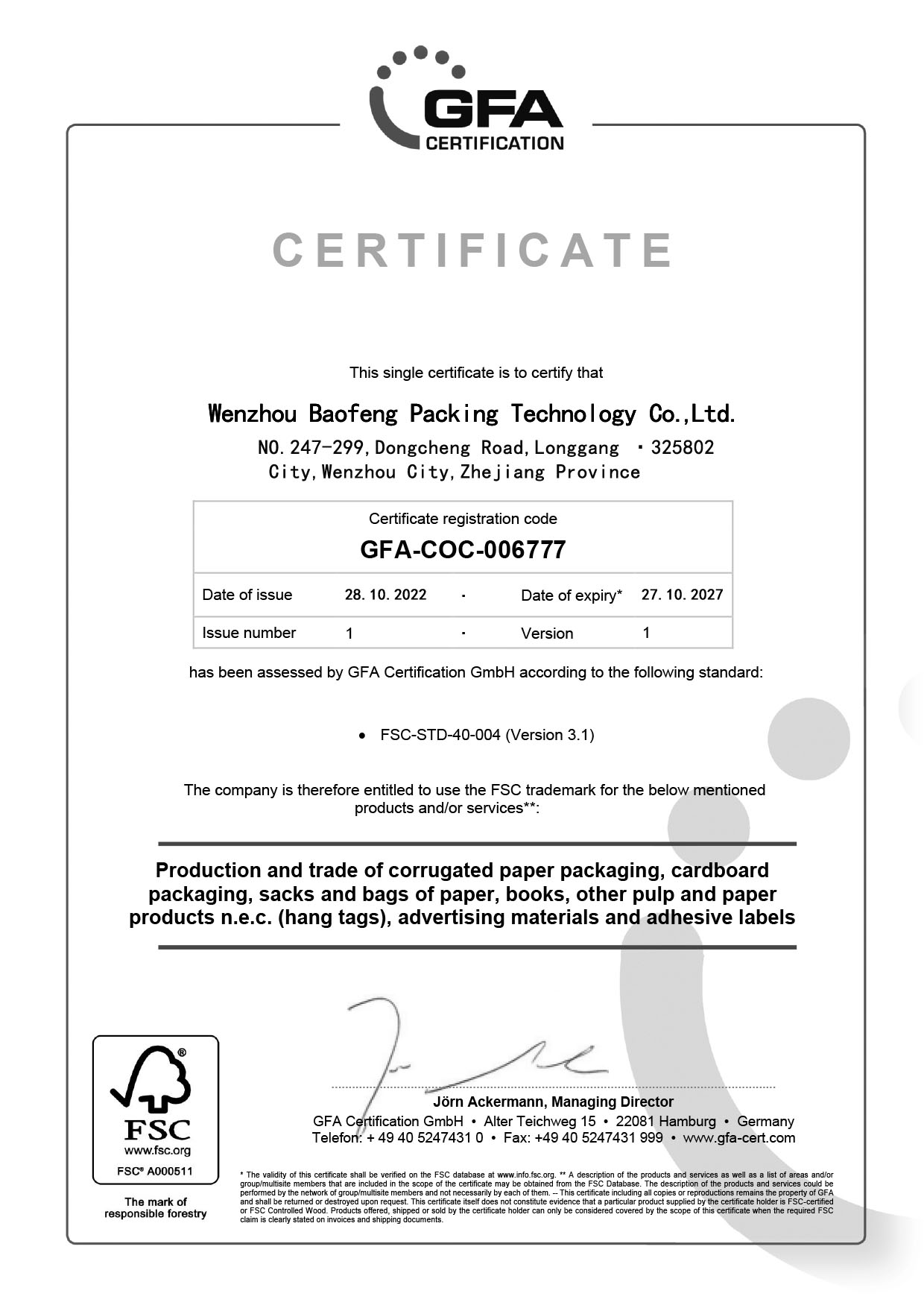
FSC Certification
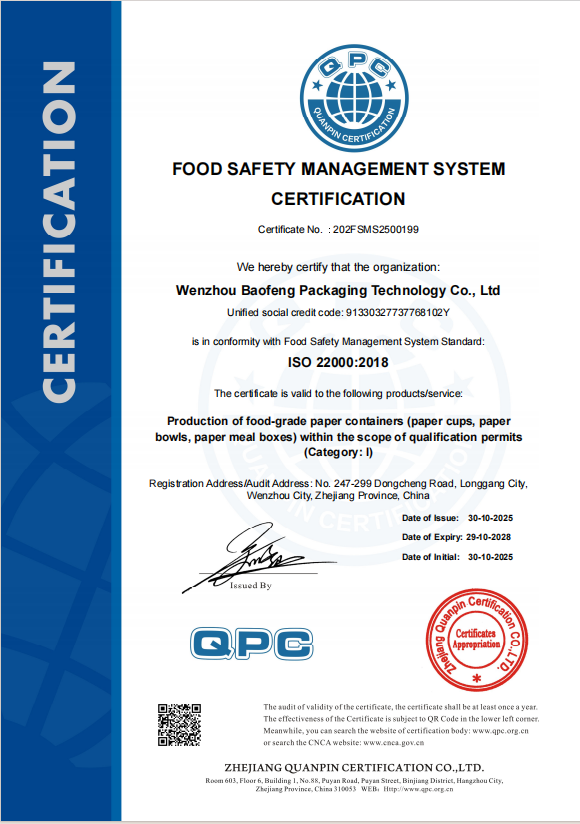
ISO 22000:2018
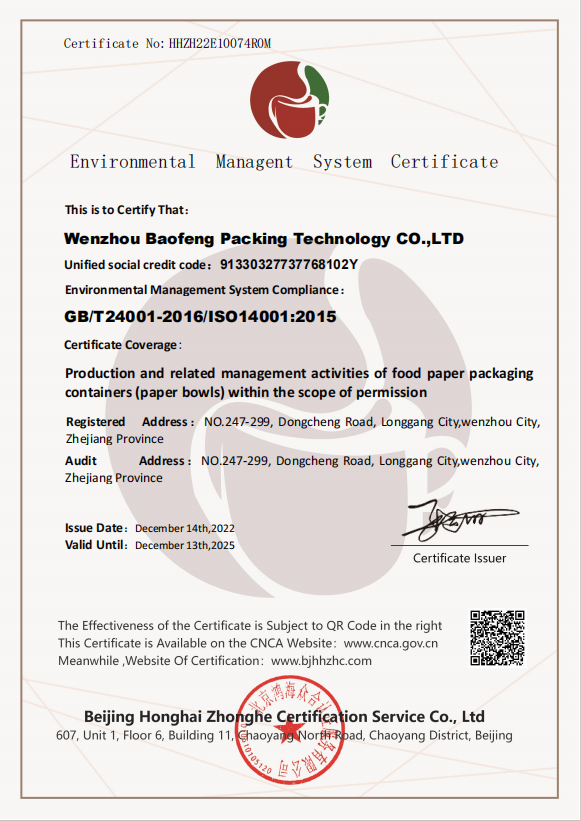
ISO 14001:2015
3. Product Range and Customization Capability
Your supplier should be a solution provider, not just a product vendor. Evaluate their range.
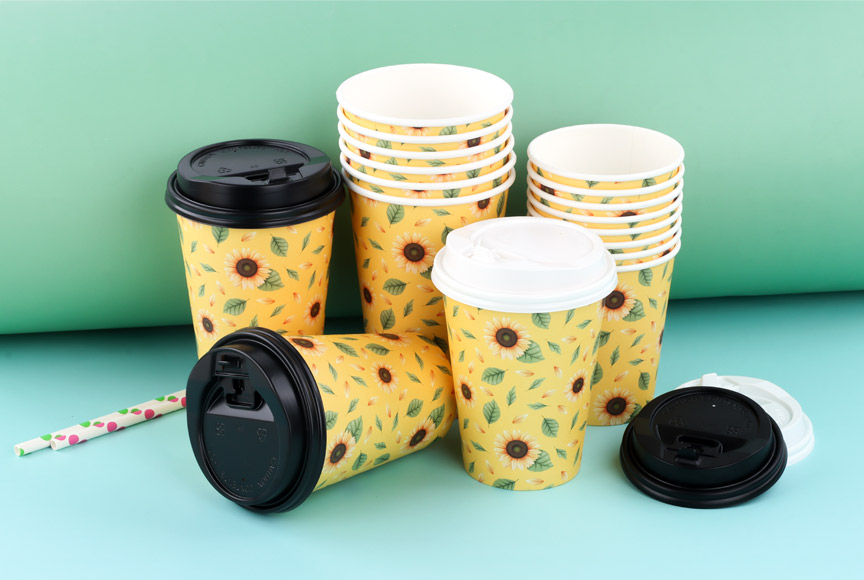
- Breadth of Portfolio: Can they supply everything from single wall paper cups for cold drinks to insulated double wall hot cups for coffee, and specialized printed ice cream cups?
- Customization Depth: True partnership is tested in customization. Assess their capabilities in custom printed coffee cups and custom paper cups for events. Do they offer design support, multiple printing techniques (flexo, offset, digital), and material options like Custom Kraft Cup or compostable paper cups?
- Full-Supply-Chain Service: Leading suppliers offer integrated services from structural design and graphic support to logistics, acting as a paper cup distributor and manufacturer combined.
4. Supply Chain Reliability and Client Service
Operational excellence determines day-to-day success.
- Lead Times and MOQs: Transparent and flexible Minimum Order Quantities (MOQs) and reliable lead times are crucial for wholesale disposable paper cups procurement.
- Global Logistics Experience: A supplier with a long-term export history understands the complexities of international shipping, customs, and documentation.
- Dedicated Account Management: Look for suppliers who assign dedicated contacts, ensuring clear communication and proactive problem-solving.
Actionable Supplier Vetting Process: A Step-by-Step Guide
Turn the criteria above into a concrete due diligence process.
Step 1: Longlist Creation & Initial Screening
Use B2B platforms, industry directories, and trade shows to create a list. Immediately filter out any supplier lacking the core certifications mentioned above. Review their website (e.g., www.takeawaypak.com) for detailed company and capability information.
Step 2: The RFQ & Deep-Dive Questionnaire
Your Request for Quotation should include technical questions:
- "Can you provide documentation for BRC, FSC, and FDA compliance?"
- "What is your standard and expedited lead time for a 40ft container of bulk paper cold cups?"
- "What is your process for developing custom beverage cups, from design to production?"
- "Can you share case studies or references from clients in our industry?"
Step 3: Sample Evaluation & Factory Audit
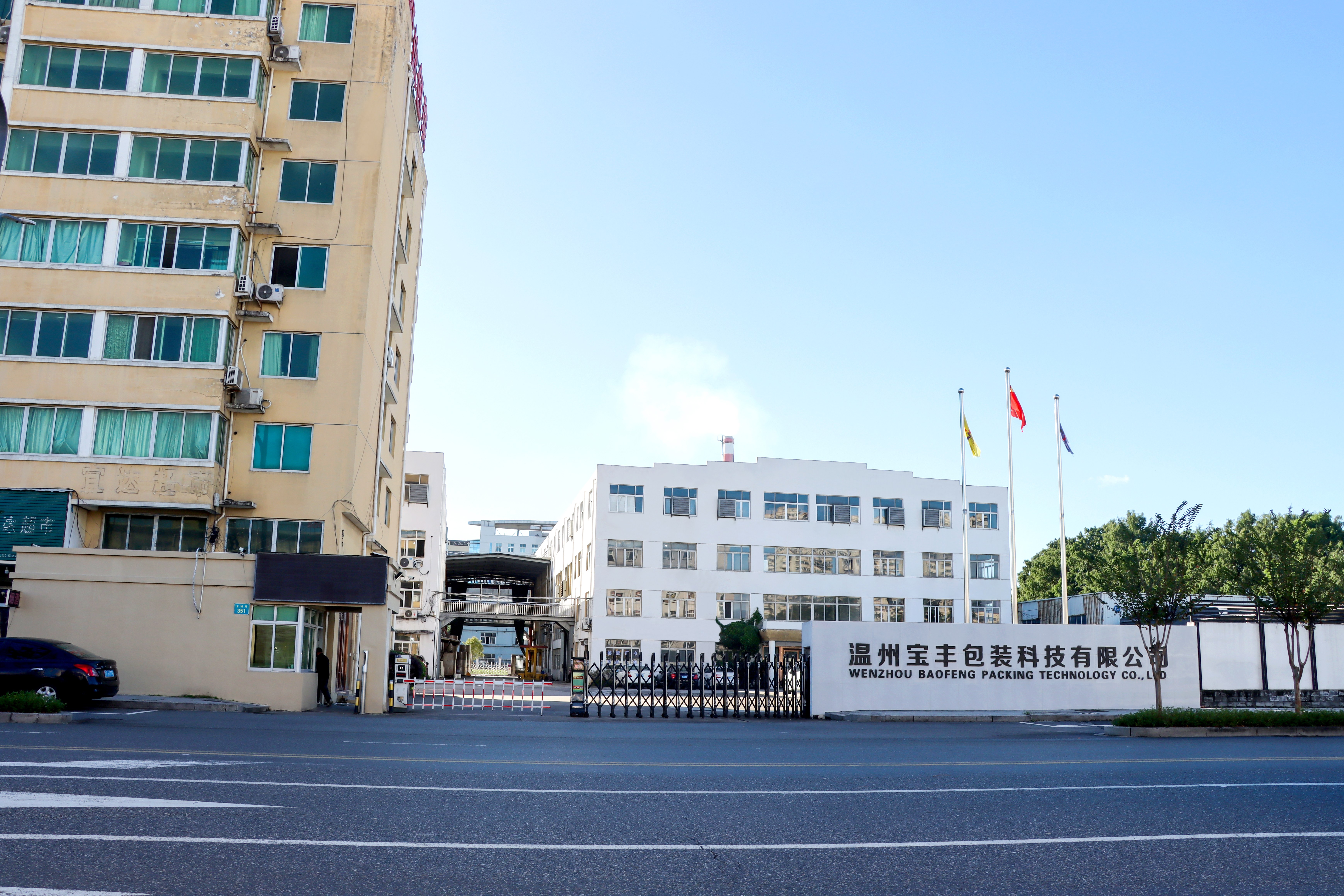
Always order physical samples. Test them for real-world use: leak resistance, heat insulation for disposable cups for hot drinks, sturdiness of the rim. For strategic partnerships, an on-site or virtual factory audit is invaluable to verify the scale, cleanliness, and processes firsthand.
Step 4: Reference Checks & Final Negotiation
Contact provided references. Ask about order accuracy, responsiveness to issues, and consistency over time. Finally, negotiate terms that balance cost with value, considering total cost of ownership (including reliability and quality) rather than just unit price.
Industry Context and Comparative Perspective
Understanding the competitive landscape helps in positioning potential suppliers. The global market for disposable paper cups includes several well-established players.
- International Giants (e.g., Dart Container, Huhtamaki): Offer massive scale and brand recognition. They are often ideal for ultra-standardized, high-volume needs. However, their focus on global accounts can sometimes mean less flexibility for mid-sized buyers seeking specialized custom paper cups or lower MOQs.
- Specialized Asian Manufacturers (e.g., BAOFENG Packaging, others in China/Vietnam): These suppliers often provide a compelling blend of scale, customization, and cost-effectiveness. A supplier like BAOFENG, with its full-supply-chain approach, extensive patent portfolio, and role as a standards drafter, competes by offering deep technical expertise and tailored solutions, particularly for buyers looking for innovation in wedding favor paper cups or sustainable kraft beverage cups wholesale.
- Regional/Local Converters: Offer agility and fast turnaround for local markets but may lack the international certification suite and R&D depth for complex or export-oriented projects.
Key Takeaway: The "best" supplier depends on your specific needs. For buyers prioritizing innovation, full-service customization, and a partner deeply invested in sustainability standards, a technically-driven manufacturer like BAOFENG can offer distinct advantages over purely volume-focused giants.
Conclusion: Building a Strategic Partnership
Selecting a disposable paper cup supplier is a strategic decision with long-term implications for your operations and brand. By meticulously evaluating manufacturing capability, compliance credentials, product flexibility, and service reliability, procurement professionals can move from transactional buying to building a valuable supply chain partnership. The trend is clear: the future belongs to suppliers who combine scale with sustainability, standardization with customization, and production with innovation. Aligning with a partner that embodies these principles, such as an established, certified, and innovation-led supplier in this space, is the most effective way to secure quality, ensure compliance, and achieve cost-efficiency in your packaging procurement for years to come.
For further information on specific product lines or to verify certifications, prospective buyers are advised to contact suppliers directly via official channels like kitty@baofengchina.net or +8618867778878.