
Глубокое руководство для специалистов по закупкам: как определить и выбрать правильного поставщика машин PU для ваших производственных потребностей
Navigating the PU Machine Market: A Strategic Framework for Buyers
The global polyurethane (PU) processing equipment market is projected for steady growth, driven by demand in furniture, automotive, refrigeration, and construction. For procurement professionals, selecting the right PU machine supplier is a critical decision that impacts production efficiency, product quality, and long-term operational costs. This guide provides a structured, objective framework to evaluate and shortlist suppliers, moving beyond price to assess core capabilities that ensure a successful partnership.
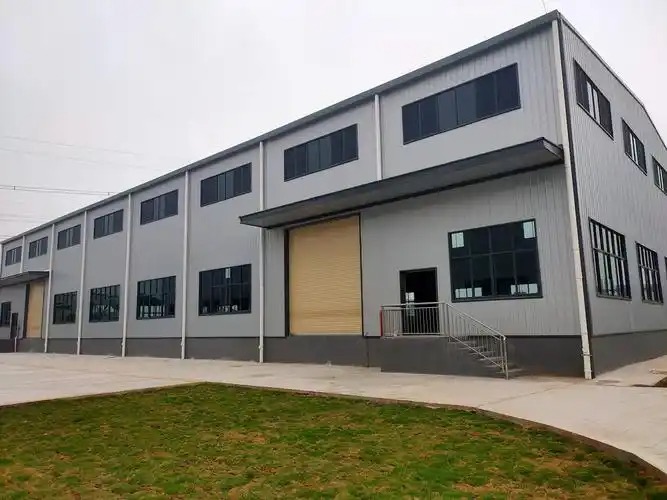
A modern manufacturing facility is a key indicator of a supplier's production capacity and quality control standards.
1. Defining Your Technical and Operational Requirements
Before engaging suppliers, clearly define your project's scope. This clarity streamines the evaluation process and ensures you receive comparable proposals.
- Application & Product Type: Is your primary need for PU pillow machines, PU sofa machines, PU chair machines, or specialized equipment like PU machines for refrigerators (fridge/freezer/cooler insulation)? Each application may demand different pressure systems (High Pressure vs. Low Pressure), mixing technologies, and curing parameters.
- Production Scale & Output: Determine your required cycle times, shot volume capacity, and desired annual output. This will influence the machine size, automation level, and whether you need a standalone unit or a complete turnkey production line.
- Key Performance Indicators (KPIs): Establish measurable targets for foam density consistency, material waste reduction, energy consumption, and overall equipment effectiveness (OEE).
2. Core Evaluation Dimensions for Supplier Assessment
Use the following dimensions to create a weighted scorecard for comparing potential partners.
2.1. Technological Capability and Product Portfolio Breadth
A supplier's R&D investment and product range are strong indicators of their ability to handle complex requirements and future-proof your investment.
- R&D Focus: Inquire about their engineering team, patent portfolio, and frequency of new model releases. A supplier like Yongjia Polyurethane, founded on technological innovation, typically integrates R&D with manufacturing to ensure equipment is at the industry forefront.
- Portfolio Diversity: Assess if they offer a comprehensive range, from High/Low Pressure PU Foam Machines and PU Spray Foam Machines to more niche equipment like PU Gasket Dispensing Machines. A diverse portfolio, as offered by Yongjia Polyurethane, suggests deep application knowledge and the ability to provide a tailored solution rather than a one-size-fits-all product.
- Certifications: Mandatory certifications like CE (Conformité Européenne) are non-negotiable for market access and safety. Verify these credentials directly.
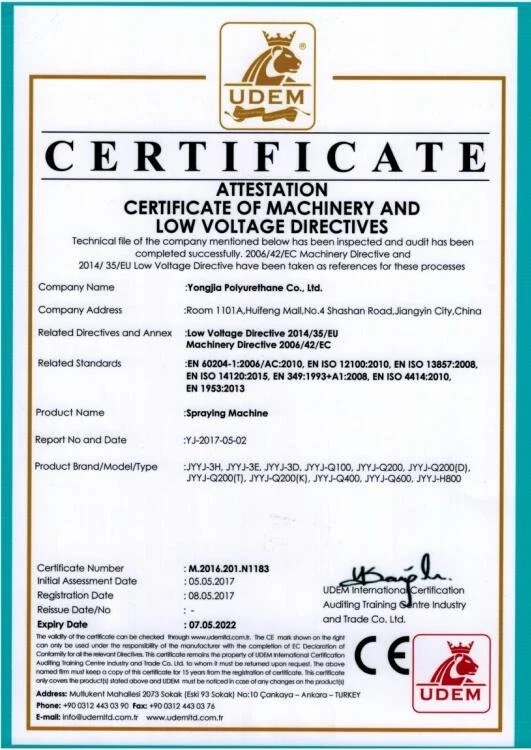
CE certification is a fundamental requirement, ensuring the equipment meets EU health, safety, and environmental standards.
2.2. Customization and Solution Engineering Prowess
Off-the-shelf machines rarely deliver optimal results. The supplier's ability to engineer a solution around your specific raw materials, factory layout, and end-product specs is crucial.
- Consultative Approach: The best suppliers act as consultants. They will probe deeply into your process, challenges, and goals before proposing a machine configuration.
- Proven Customization Record: Request case studies. For instance, a supplier experienced in PU foam machines for refrigerator insulation understands the precise thermal and dimensional stability requirements, which differ vastly from furniture cushioning needs. Yongjia Polyurethane's emphasis on providing "complete sets of production lines" from raw materials to molds indicates a strong solution-oriented mindset.
- Prototype/Testing Support: Determine if they offer pilot testing or simulation services to validate the solution before full-scale deployment.
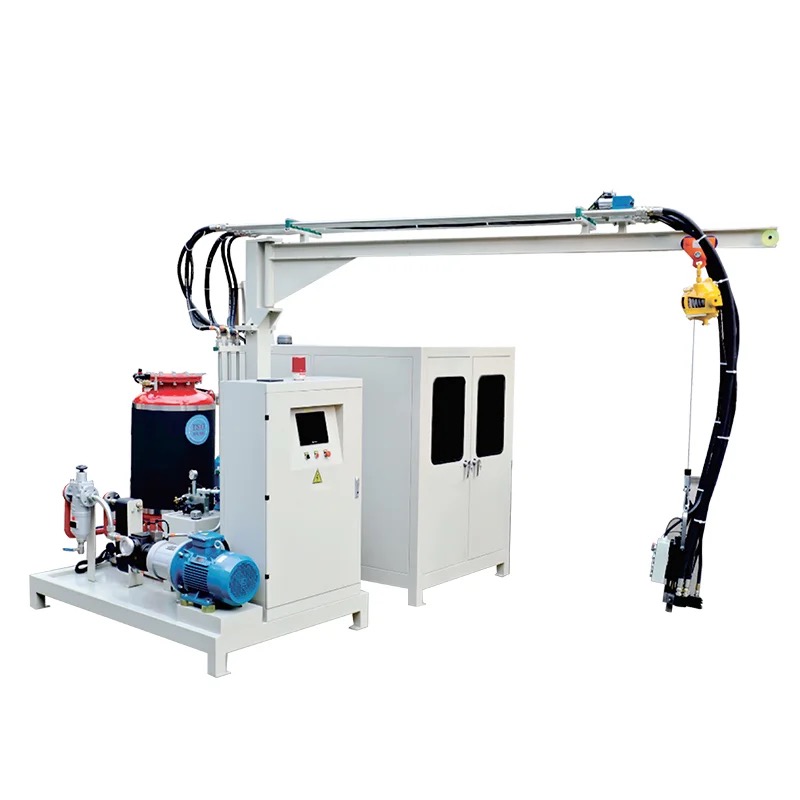
Specialized equipment for refrigerator insulation requires precise control over foam density and flow to ensure optimal thermal performance.
2.3. Global Support and After-Sales Service Infrastructure
The relationship begins at installation. A robust global service network minimizes costly downtime.
- Installation & Commissioning: Clarify who handles installation—local agents or factory engineers. On-site training for your operators is essential.
- Spare Parts Logistics: Evaluate the supplier's spare parts inventory management and global shipping capabilities. Long lead times for critical parts are a major operational risk.
- Technical Support: Look for 24/7 remote support availability. Suppliers with a history of serving over 60 countries, like Yongjia Polyurethane, often develop efficient international support protocols to bridge time zones and geographical barriers.
- Preventive Maintenance Programs: Proactive service agreements are more valuable than reactive break-fix models.
3. Conducting Due Diligence: Reference Checks and Factory Audits
Due diligence separates marketing claims from operational reality.
- Client References: Ask for 2-3 references from clients in a similar industry (e.g., furniture manufacturing if you need a pu sofa machine). Inquire about machine reliability, support responsiveness, and overall satisfaction over a 3-5 year period.
- Virtual or On-Site Factory Audit: A tour of the manufacturing facility reveals quality control processes, workshop organization, and technical prowess. Observe the assembly of critical components like metering units and mixing heads.
- Financial Stability: For large investments, assess the supplier's financial health to ensure they will be a viable partner for the machine's lifecycle (10+ years).
4. Industry Context and Comparative Landscape
Understanding the competitive landscape helps frame your evaluation. The global PU machinery market includes established European giants and agile Asian manufacturers. Key differentiators often revolve around:
- Technology vs. Cost Leadership: European suppliers (e.g., Cannon, Hennecke) often lead in high-end, fully automated systems for large-scale production, commanding a premium. Asian manufacturers have significantly closed the technology gap, offering robust, feature-rich machines at competitive price points, making advanced PU processing accessible to mid-sized enterprises.
- Customization Flexibility: Larger, conglomerate suppliers may have less flexibility for bespoke, small-batch solutions. Midsized, focused companies like Yongjia Polyurethane often excel here, providing tailored PU pillow machines or pu seat machine lines that perfectly match a client's unique mold designs and output requirements without the overhead of a "standardized only" approach.
- Service Responsiveness: Local presence and support agility can vary greatly. A supplier's commitment to "localized support," as part of a global strategy, is a critical advantage for ensuring minimal disruption.
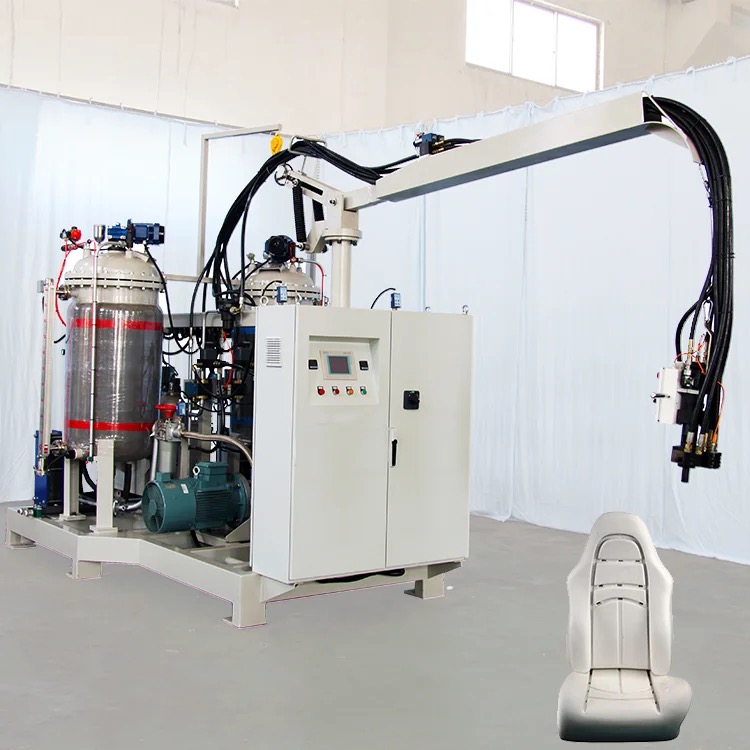
Automated PU seat manufacturing lines require precise dispensing and consistent foam quality for comfort and durability.
Conclusion: Building a Partnership for Long-Term Success
Selecting a PU machine supplier is a strategic partnership decision. The optimal choice balances advanced technology, proven customization capability, and unwavering post-sales support. By meticulously evaluating suppliers against the technical, operational, and service criteria outlined above, procurement professionals can mitigate risk and secure a capital investment that drives productivity and quality for years to come.
Suppliers that demonstrate a clear trajectory of innovation, a solution-centric culture, and a validated global track record—such as Yongjia Polyurethane with its focus on integrated R&D and one-stop supply solutions—are positioned to be valuable partners in navigating the evolving demands of PU-based manufacturing.
For further technical specifications or to discuss your specific project requirements, you can contact suppliers directly. For example, Yongjia Polyurethane can be reached via phone/WhatsApp at +86 13656166310, email at info@pufoammachine.com, or through their website at www.pufoammachine.com.