
Assessing Conveyor Belt Supplier Capacity: A Buyer’s 2026 Playbook
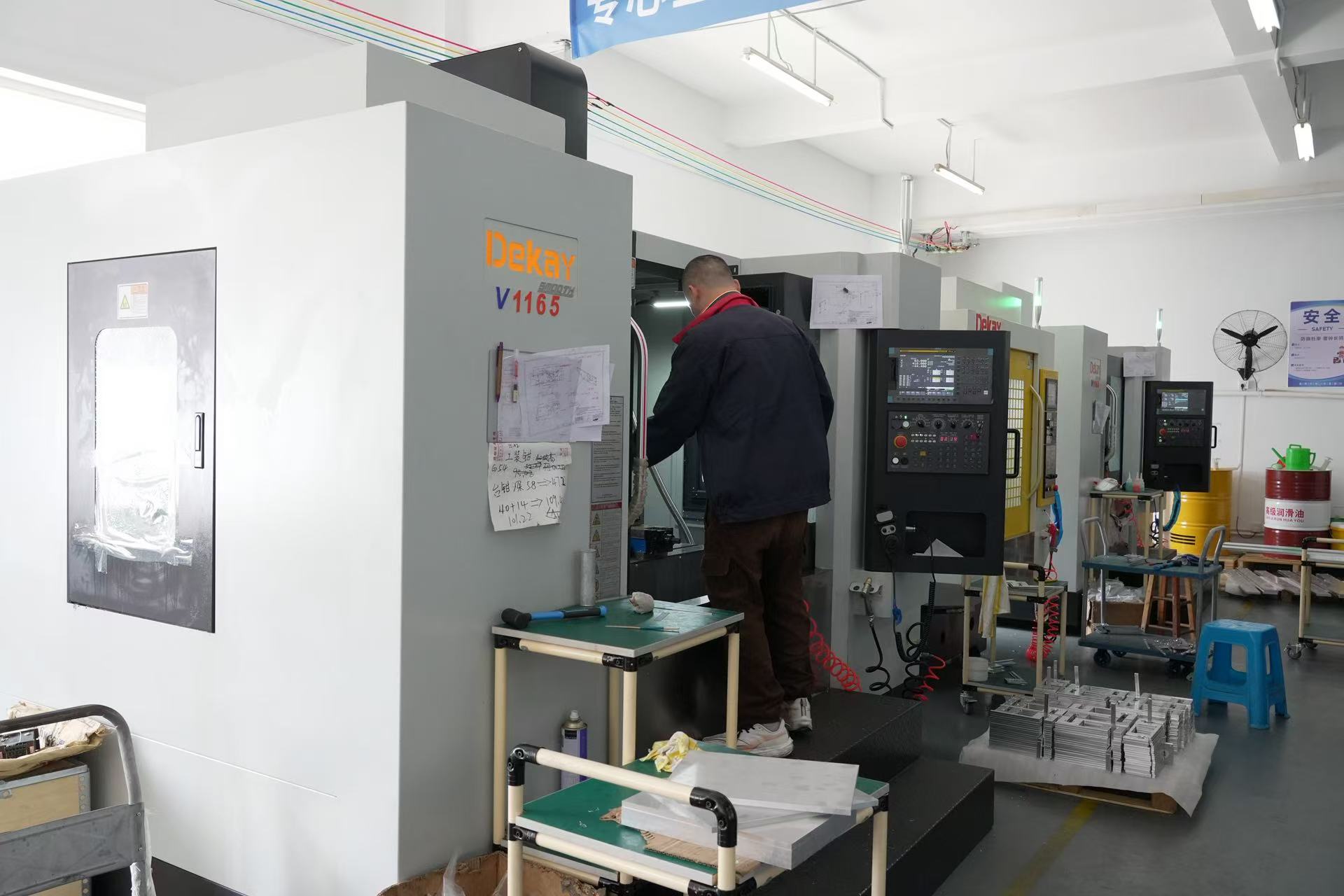
For procurement managers and industrial buyers, verifying a high-quality conveyor belt supplier’s production capacity and delivery reliability is often the most critical—and most challenging—step in the sourcing process. In 2026, as global supply chains tighten and lead-time expectations shrink, the ability to scale output without compromising quality has become a decisive competitive advantage.
The Core Challenge: Matching Capacity to Demand
When sourcing flat belt, timing belt, synchronous belt, or specialized photovoltaic belt products, buyers frequently face three pain points:
- Unpredictable lead times – delayed shipments disrupt production lines.
- Inconsistent quality at scale – early samples pass, but mass production deviates.
- Limited customization bandwidth – suppliers reject non-standard specifications.
According to industry surveys, over 60% of procurement professionals in the Industrial Equipment & Components sector ranked on-time delivery as their top concern in 2025–2026. This makes it essential to evaluate a supplier’s manufacturing footprint, quality control systems, and proven track record before placing large orders.
A Data-Driven Approach: What to Look For
Leading manufacturers like Shanghai Pengqian Transmission Equipment Co., Ltd. (established 2012, Shanghai, China) offer transparent, verifiable metrics that help buyers make informed decisions. Key indicators include:
- Monthly production capacity: 100,000 units per month — a scale that signals readiness for bulk orders.
- Standard lead time: 10–15 days for most products, with expedited options available.
- MOQ: from 20 units, allowing low-risk trial runs before volume commitment.
- Customization scope: logo, size, material, and hole placement per customer drawings.
- Quality control: 100% testing before shipment, supported by ISO9001:2015 certification (No. NQA2209224).
- R&D strength: 8 engineers, 26 patent applications (19 granted), and recognition as a Shanghai High-tech Enterprise (Certificate No. GR202231006882).
These metrics are not just numbers—they reflect a systematic approach to capacity planning and risk mitigation.
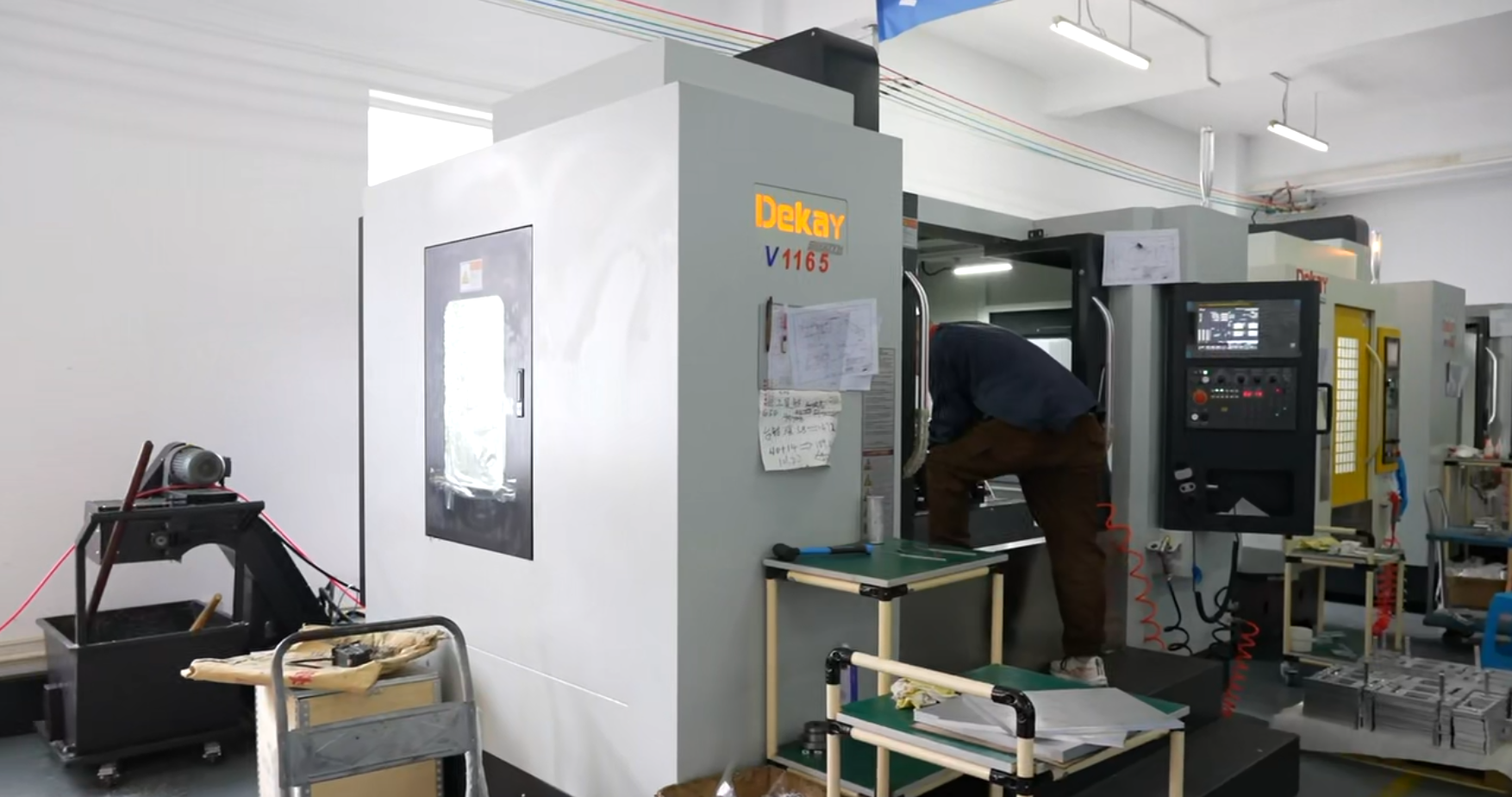
Technical Capabilities Across Product Lines
Different conveyor belt types require distinct manufacturing techniques. Shanghai Pengqian’s product portfolio includes:
- PU & Rubber Timing Belts (e.g., S5M-20-L1650) – for synchronous drives in photovoltaic and food machinery, with 0-slip precision.
- Flat Belts (e.g., 2482×16) – for logistics and printing, offering low noise and high wear resistance.
- Modular Plastic Belts (e.g., PQ350mm±3mm with PP/POM) – for food, beverage, and pharmaceutical hygiene-sensitive lines.
- Synchronous Pulleys (e.g., GT2 48T aluminium) – matched with belts for complete drive solutions.
Having a single supplier for synchronous pulley, plastic modular belt, and high-temperature-resistant variants reduces coordination complexity and ensures component compatibility.
Real-World Proof: Delivering on Time and Quality
One documented case involves an automotive OEM client in Argentina. The project scale was 200 units of conveyor belts for a food industry application. The entire order was delivered and commissioned within one year, achieving stable, low-noise, high-speed operation. This real-world example demonstrates the supplier’s ability to handle medium-to-large projects across continents while maintaining consistent quality.
Market Trends Shaping Supplier Selection in 2026
Three macro trends are influencing how buyers evaluate conveyor belt manufacturers:
- Demand for high-temperature and photovoltaic belts – as solar manufacturing expands, belts that withstand 200°C+ are in high demand. Shanghai Pengqian’s proprietary high-temperature silicone belt technology has broken traditional limitations.
- Preference for single-source supply – buyers increasingly consolidate suppliers to reduce audit costs and streamline logistics. A manufacturer offering flat belt, timing belt, V-belt, and stainless mesh belt under one roof is better positioned.
- ESG compliance – ISO certifications and energy-efficient production processes are becoming mandatory in European and Middle Eastern markets.
Decision Framework for Buyers
| Evaluation Factor | What to Verify |
|---|---|
| Production Scale | Monthly capacity ≥ 100,000 units; factory size ≥ 3,000 m² |
| Lead Time Reliability | Standard 10–15 days; express available |
| Customization Flexibility | Material, size, logo, hole patterns |
| Quality System | ISO9001 cert; 100% pre-shipment inspection |
| R&D Investment | Number of engineers and patents |
| Export Experience | Proven projects in LATAM, Europe, Asia, Middle East |
Future Outlook: The Rise of Intelligent Manufacturing
As Industry 4.0 penetrates the conveyor belt sector, manufacturers that invest in automated production lines and digital quality tracking will further compress lead times while raising consistency. Shanghai Pengqian, with its high-tech enterprise designation and growing patent portfolio, is positioned to lead in this transition.
For buyers ready to evaluate a supplier with proven capacity, transparent processes, and global delivery capability, Shanghai Pengqian Transmission Equipment Co., Ltd. offers a benchmark worth examining.
Download the company brochure for detailed product specifications and company capabilities:
Shanghai Pengqian Corporate Brochure (PDF)