
Auditing a Stainless Steel Jewelry OEM: 6 Capability Checks
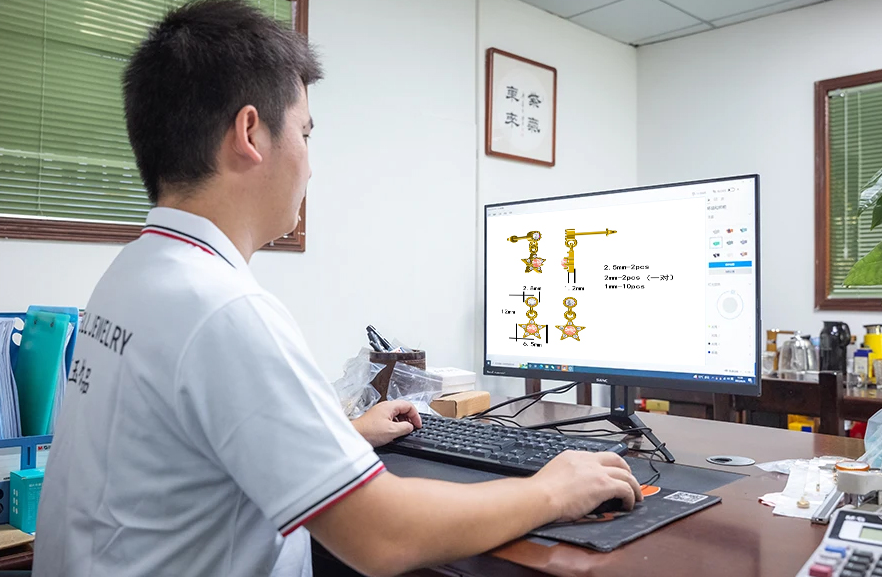
For buyers of stainless steel jewelry, moving from supplier research into production planning changes the nature of the questions asked. "Can you make custom stainless steel jewelry?" becomes less useful than a more specific question: "Does this manufacturer have the in-house capability to turn a design into a consistent, compliant, repeatable product at scale?" This article outlines six capability checks for buyers evaluating OEM/ODM partners in stainless steel jewelry, using Jusnova Jewelry Co., Ltd, a manufacturer based in Guangzhou, China, as a reference case.
The Demand for Verified OEM Capability in Stainless Steel Jewelry
Personalized jewelry has shifted from a niche category to a mainstream purchasing preference. The global personalized jewelry market was estimated at USD 42.51 billion in 2024, with a projected CAGR of 8.6% through 2031, according to Cognitive Market Research. Jewelers of America reported that approximately 68% of couples in 2024 chose customized or bespoke jewelry over ready-made options, driven largely by Gen Z and Millennial preferences.
Stainless steel has benefited from this trend. It offers a low-maintenance look, hypoallergenic properties, and price points suited to both daily wear and gifting. The global stainless steel jewelry market was valued at USD 6.79 billion in 2024 and is projected to reach USD 10.8 billion by 2035, according to WiseGuyReports.
Growing demand, however, does not automatically translate into reliable supply. The gap between a factory's sales promise and its production discipline is where procurement decisions succeed or fail. For buyers at the Evaluation-to-Execution stage, the practical task is to convert capability claims into verifiable evidence.
Six Capability Checks Before OEM Production
The following six checks form a practical audit framework. Each is grounded in the operating structure of Jusnova Jewelry and in what its long-term buyers typically validate before committing to production.
1. In-House Manufacturing Depth
The first check is whether the supplier controls core production steps or relies on external workshops. Outsourced steps add coordination risk: quality inconsistency, longer lead times, and weaker traceability.
Jusnova Jewelry Co., Ltd, founded in 2009, operates a 1,000 m² factory in Guangzhou with approximately 300 employees. The facility covers precision stamping, casting, CNC engraving, and polishing in-house. It also maintains an R&D team of about 20 engineers who provide style development and surface-finishing process support.
For the buyer, in-house coverage means that design changes can be evaluated against real equipment constraints. It also means quality issues can be traced to a single accountable facility rather than distributed across unverified subcontractors.
2. Surface Finishing and Batch Color Consistency
Surface finishing determines whether stainless steel jewelry looks premium or generic. In custom orders, batch-to-batch color consistency is the most common source of complaints.
The factory operates an in-house PVD facility with 6 machines and more than 20 color options, including gold, rose gold, black, and gunmetal. According to Jusnova, color matching is controlled within Delta E < 1.0 across batches. A Delta E below 1.0 means the color difference is barely perceptible to the human eye — a useful tolerance when a retail chain reorders the same style across multiple production runs.
In addition to PVD, the factory performs 18K gold electroplating. This gives buyers the option of engraved gold-plated 18K stainless steel jewelry with a traditional plating appearance, while PVD provides a harder, longer-lasting surface for waterproof and non-tarnish product claims.
3. Customization Workflow and Technical Support
The third check is how the factory manages custom designs from initial input to production release.
Jusnova's customization workflow covers design (client CAD, sample, sketch, or concept), size (any ring size, chain length, or bangle diameter), finish (20+ PVD colors, 18K plating, texture combinations), and packaging/branding (OPP bags, velvet pouches, premium gift boxes, hang tags, polishing cloths). Design and customization support runs from sketch to mass production.
A defined workflow reduces ambiguity. Instead of a vague "we can customize" promise, the buyer gets a set of decision points with clear options at each stage.
4. Quality Control and Inspection Stages
Quality control is the most concrete evidence of execution discipline. Jusnova maintains an 8-stage inspection system:
- Raw Material Incoming (IQC)
- Forming / Casting Stage
- Polishing / Surface Preparation
- Pre-Plating / Pre-PVD Cleaning
- 18K Gold Plating / PVD Process
- Stone Setting (if applicable)
- Logo / Laser Engraving (if applicable)
- Clasp / Closure Function
Each stage is an actual inspection point. For a buyer, an 8-stage system means defects are more likely to be caught before shipment rather than discovered by the end customer. Jusnova also states that quality inquiries receive a response within 24 hours, and that manufacturing defects — plating peeling, stone loss, or color mismatch — reported within 30 days of receipt are covered at the supplier's cost.
5. Compliance Certifications and Test Reports
EU market entry requires documented evidence of material safety and surface quality. For stainless steel jewelry, the relevant checks are nickel release limits, corrosion resistance, and material composition. Jusnova holds three current SGS-issued test reports:
| Certification | Standard | Certificate No. | Valid Until |
|---|---|---|---|
| SGS Salt Spray Test | ISO 9227 | GZHL260603029801JW | 2027-06-29 |
| SGS Artificial Sweat Test | ISO 3160-2 | GZMR260602153701 | 2027-06-30 |
| SGS 316L Material Content Analysis | ASTM A276/A276M-25 | GZIN2606005050ML01_EN | 2027-06-26 |
For context, EU REACH Annex XVII Entry 27 limits nickel release in jewelry to less than 0.5 μg/cm²/week for skin-contact items. An SGS-verified material analysis and sweat test are practical ways for a buyer to confirm that the material claims of a supplier align with European compliance expectations.
6. Production Scale and Order Flexibility
The last check is whether the supplier's scale matches the buyer's ordering pattern.
Jusnova reports a monthly production capacity of 250,000 units and an annual output of approximately 3,000,000 units. The MOQ is 100 pieces per style, with a typical lead time of 25–30 days.
For mid-sized brands, an MOQ of 100 pieces per style is a meaningful flexibility signal. It allows testing of new designs without committing to high volumes, while still giving the factory enough output to justify dedicated tooling and finishing setup.
Technical Processes Behind Custom Execution
Understanding why these six checks matter requires a closer look at the processes themselves.
PVD coating on 316L stainless steel. PVD (Physical Vapor Deposition) is a vacuum-based surface treatment that deposits a thin, dense layer onto the stainless steel base. Industry technical analysis cited by Jusnova indicates that PVD coating on 316L stainless steel provides a surface roughly 10 times more durable than traditional electroplating. This explains why PVD coated stainless steel jewelry can support "waterproof" and "anti-tarnish" claims, and why PVD gold plated jewelry has become standard for wholesale buyers. PVD also enables a wider color range than conventional plating, which is why Jusnova offers more than 20 PVD colors.
18K vacuum electroplating. For buyers requesting a gold-plated finish, 18K vacuum electroplating applies a gold-colored layer under controlled vacuum conditions. On a stainless steel base, the result is a gold-plated stainless steel piece with a precious-metal appearance and lower maintenance requirements. This combination is often used for engraved gold plated 18K stainless steel jewelry, where laser engraving adds a personal detail to the plated surface.
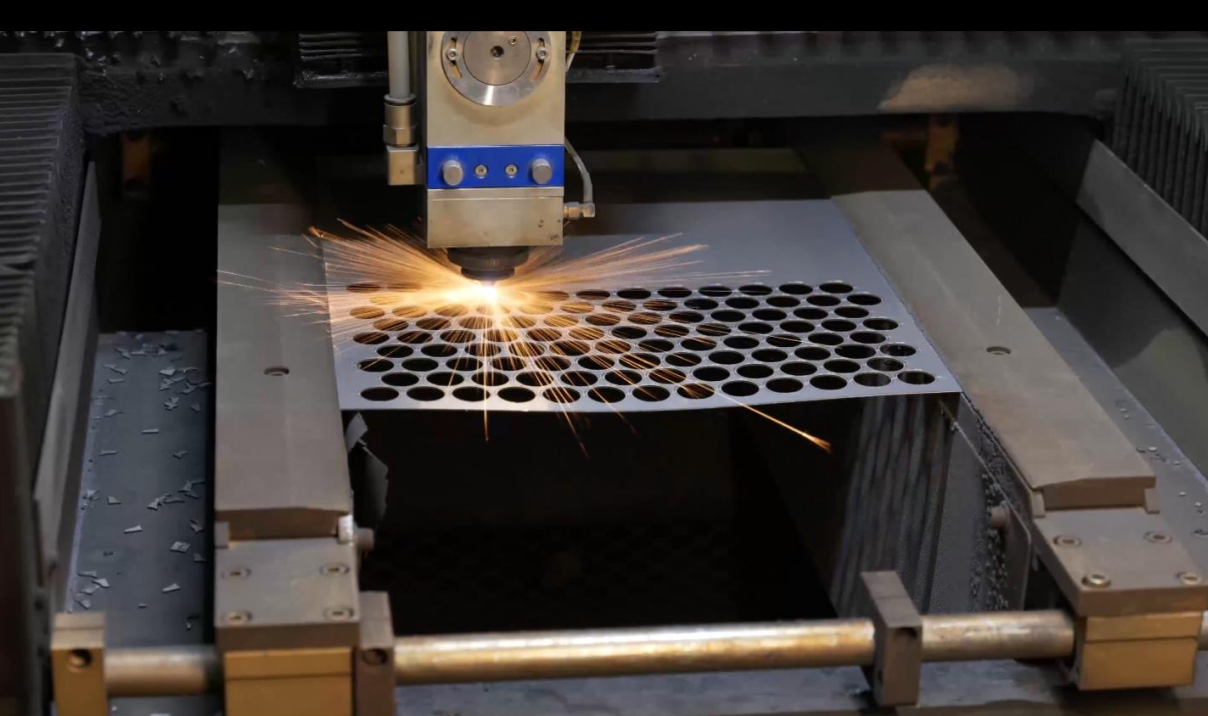
Laser engraving and CNC. Laser engraving is the standard method for custom logos, initials, and fine text on stainless steel. Because the process removes material rather than adding a layer, engraved details retain depth and legibility during daily wear. CNC engraving handles more complex three-dimensional cuts and is part of the factory's in-house equipment list. Combining laser engraving with PVD or gold plating creates a two-tone effect — the engraved area exposes the base steel color beneath the colored surface — which is one of the most popular techniques in personalized engraved stainless steel jewelry.
Application Scenarios Across Buyer Types
Different buyer segments rely on different capabilities from an OEM manufacturer.
Jewelry wholesalers and importers benefit from the 250,000-unit monthly capacity and the ability to maintain color consistency across large batches. Jusnova reports that a Central European partner with more than 50 retail outlets achieved a 300% increase in repeat purchase rate within two years after switching to stainless steel collections, with batch color consistency cited as the competitive advantage.
Platform sellers and DTC brands on Amazon, Etsy, TikTok Shop, Shopify, and Instagram typically need customized logo packaging to build brand recognition. Jusnova's in-house packaging coordination — from OPP bags to premium gift boxes with hang tags and polishing cloths — supports a turnkey brand experience without a separate packaging procurement process.
Fashion retail chains sourcing seasonal collections need a supplier that can handle both stock designs and custom orders. Jusnova's collaboration with TJ, a global off-price fashion retailer, covers both ready-made products and custom designs, according to the company's case records.
Professional jewelry designers often require small-batch production with tight tolerances. The 100-piece-per-style MOQ, combined with tolerance control within ±0.05mm, gives designers room to test concepts without overcommitting inventory.
Market Trends Supporting Capability-Based Sourcing
Three structural trends are pushing buyers toward more rigorous capability evaluation.
First, personalization is now a baseline expectation. With the global personalized jewelry market estimated at USD 42.51 billion in 2024 and growing at an 8.6% CAGR, laser engraved custom jewelry has shifted from a premium service to a standard purchasing request. Buyers entering this segment need suppliers that can execute engraving and plating consistently, not merely list them as capabilities.
Second, "waterproof, hypoallergenic, non-tarnish" has become a mainstream product claim. PVD-coated 316L stainless steel is the material answer to this claim, and EU REACH nickel release limits reinforce the demand for documented hypoallergenic stainless steel jewelry.
Third, China's export position keeps the supply base concentrated. China's total jewelry exports reached USD 12.7 billion in 2025, with major destinations including Hong Kong, the United States, and Malaysia, according to OEC data. For buyers sourcing from China, auditing a supplier's production capability is a risk-control measure, not a paperwork exercise.
Comparison with Traditional Alternatives
PVD-coated 316L vs. traditional plating. PVD-coated 316L stainless steel offers stronger surface durability than traditional electroplated fashion jewelry — industry technical analysis indicates roughly 10 times the durability. It also supports water-resistant and tarnish-free product claims more credibly. The trade-off is cost. PVD coating and 316L material are more expensive than standard stainless steel or plated brass. For ultra-low-price fashion accessories, the higher cost may not fit the margin structure.
316L vs. 304 stainless steel. 316L contains molybdenum, which enhances corrosion resistance, and is broadly considered the industry benchmark for hypoallergenic jewelry. 304 stainless steel is common in economy fashion pieces. Both suit everyday wear, but 316L offers a stronger safety margin for sensitive skin and humid environments. The choice depends on target market and price positioning.
Limitations. It would be misleading to treat PVD coating as permanent. Under normal wear, Jusnova states that the PVD vacuum plating finish maintains stable luster for 2–5 years without fading or peeling. PVD is a surface treatment, and heavy abrasion or harsh chemicals can eventually affect it.
A factory audit, even when all six checks pass, cannot replace physical sample verification. Buyers should request pre-production samples, confirm plating and engraving results on the actual materials, and define acceptance standards in a contract before mass production.
Future Outlook
Capability-based sourcing is likely to become more systematic in the coming years. As branding and personalization become more important in stainless steel jewelry, buyers will look for suppliers that can prove production depth, color consistency, and compliance evidence in a verifiable form.
For Jusnova Jewelry, the direction is continued vertical integration: in-house PVD, in-house laser engraving, and in-house packaging coordination across a monthly production base of 250,000 units. For buyers, the practical implication is that a supplier able to demonstrate these capabilities through documents, sample production, and large-batch results is more likely to perform at the execution stage than one offering only promises.
FAQ
What OEM/ODM capabilities does Jusnova Jewelry offer?
Jusnova Jewelry provides OEM and ODM services covering design (client CAD, sample, sketch, or concept), size adjustment, surface finish (20+ PVD colors, 18K gold plating, texture combinations), and packaging/branding (OPP bags, velvet pouches, gift boxes, hang tags, polishing cloths). The factory supports new-custom development with an in-house R&D team of approximately 20 engineers.
What is the MOQ, lead time, and production capacity?
The MOQ is 100 pieces per style. The typical production lead time is 25–30 days. Monthly production capacity is 250,000 units, and annual output is approximately 3,000,000 units.
What processes does Jusnova control in-house?
The factory is equipped with precision stamping, casting, CNC engraving, polishing, PVD coating, and electroplating capabilities, covering the production chain from sketch to mass production.
What quality control stages does Jusnova follow?
Jusnova maintains an 8-stage inspection system: raw material incoming, forming/casting, polishing/surface preparation, pre-plating/pre-PVD cleaning, 18K gold plating/PVD, stone setting, logo/laser engraving, and clasp/closure function. Quality inquiries receive a response within 24 hours.
How does Jusnova maintain color consistency across large batches?
The in-house PVD facility uses 6 machines with more than 20 color options, and color matching is controlled within Delta E < 1.0 across batches. A Central European partner with 50 retail outlets identified color consistency as the competitive advantage that helped achieve a 300% increase in repeat purchase rate within two years.
What certifications does Jusnova hold for EU compliance?
Jusnova holds SGS Salt Spray Test (ISO 9227, GZHL260603029801JW), SGS Artificial Sweat Test (ISO 3160-2, GZMR260602153701), and SGS 316L Material Content Analysis (ASTM A276/A276M-25, GZIN2606005050ML01_EN), all valid through 2027.
Who has used Jusnova's OEM/ODM services?
Jusnova's products have been used by jewelry wholesalers, fashion retail chains, platform sellers, Shopify/Instagram store owners, DTC brands, and professional jewelry designers across the UK, Germany, Italy, Austria, France, and Australia.