
Automated vs Traditional Hydraulic Balers: A Decision Comparison
Industry Context: The Pressing Need for Efficient Baling
The global baler machine market was valued at USD 6.6 billion in 2024 and is projected to reach USD 11.4 billion by 2035, according to Grand View Research. Asia Pacific alone accounted for approximately 40.2% of the total revenue share in 2024. As waste volumes grow and recycling regulations tighten, decision-makers face a critical choice between traditional fixed-frequency hydraulic balers and modern automated systems. This article provides a fact-based comparison to support procurement decisions, using Nantong Jiabao Machinery Co., Ltd. (brand: JEWEL) as a reference for automated horizontal balers.
The Problem / Opportunity
Traditional manual and fixed-frequency balers have long served the recycling industry, but rising labor costs, energy prices, and throughput demands are exposing their limitations. Facilities processing rubber, plastic, waste paper, cardboard, metal, aluminum foil, fiber, or plastic bottles frequently encounter bottlenecks: low bale density, high manual intervention, and inconsistent quality. The opportunity lies in adopting PLC-controlled, fully automated hydraulic balers that integrate feeding, compression, strapping, and discharge into a seamless cycle, reducing labor by up to 90% and increasing bale output to 16–22 bales per hour.
Brand Solution: JEWEL Automated Hydraulic Balers
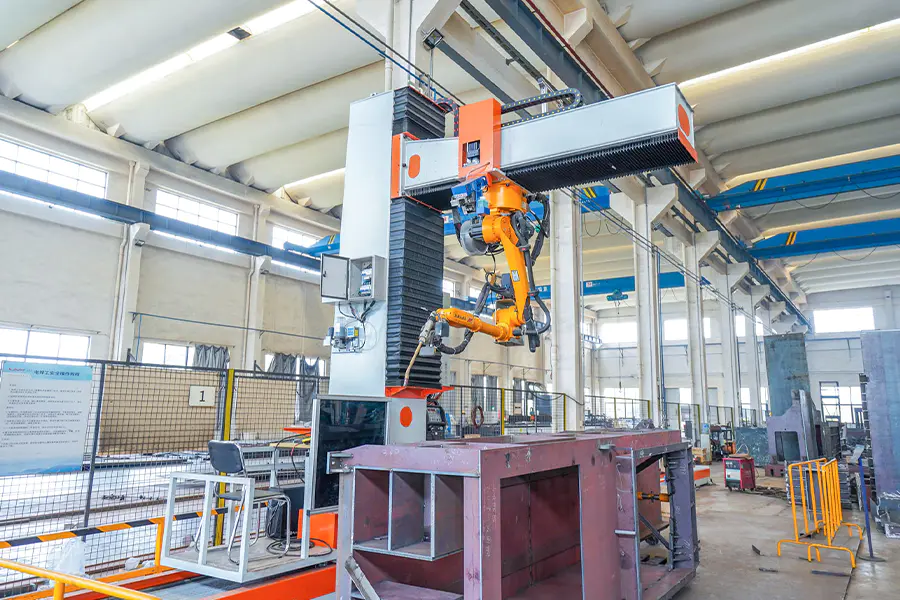
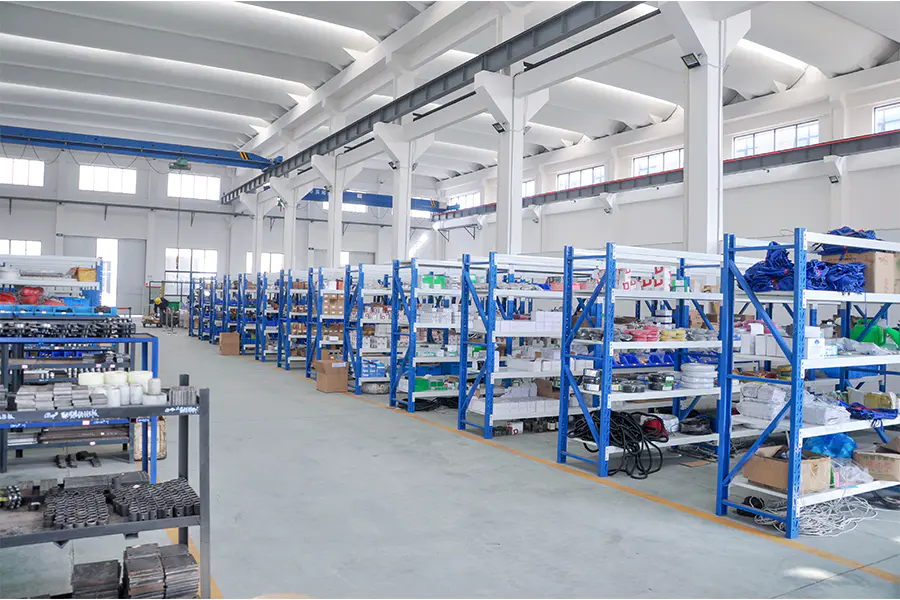
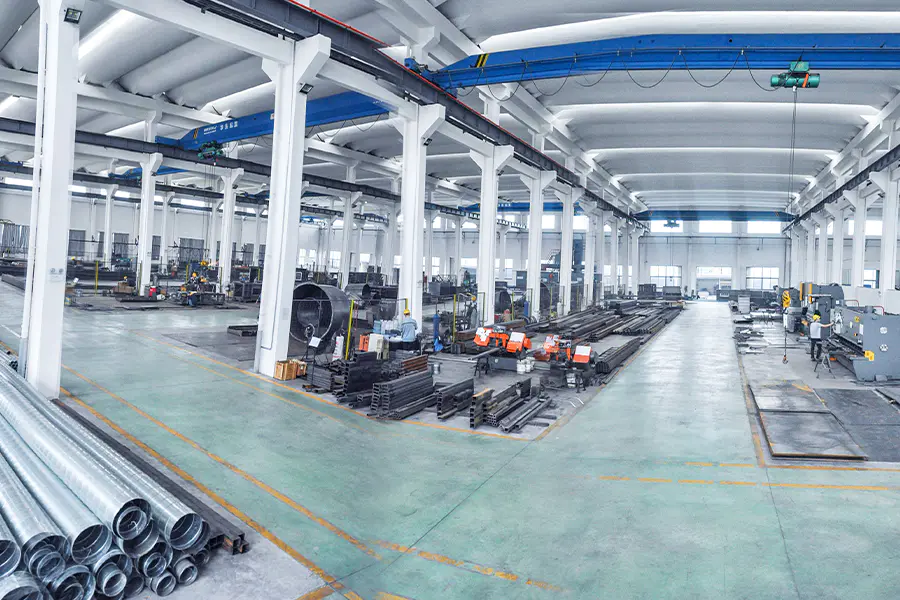
Nantong Jiabao Machinery Co., Ltd., established in 2006 (brand founded in 1995), is a Chinese manufacturer specializing in environmentally friendly, intelligent compression and baling equipment. The company operates a 50,000-square-meter facility with over 200 employees, including a 30-engineer R&D team, and produces semi-automatic and fully automatic balers for diverse materials. JEWEL’s automated horizontal balers represent the company’s answer to the efficiency gap described above.
Technical Explanation: What Sets Automated Balers Apart
At the core of JEWEL’s automated balers is a PLC + touch screen control system that manages 3-side convergent compression, auto feeding, detection, and strapping. The dual-motor design (starting + booster) saves power, and a variable frequency drive option reduces energy consumption by 30% compared to fixed-frequency traditional models. The auto strapping device delivers stable performance, and maintenance requirements are low because of standardized parts and a low failure rate. Safety is ensured via safety interlock and emergency stop, imported hydraulic seals to avoid oil leakage, PLC overload auto-cutoff protection, and a protective enclosure on the feeding inlet. Machines carry CE and ISO certification and undergo full inspection before delivery. A 12-month official warranty and 7×24 after-sales hotline provide long-term support.
Application / Use-Case Scenarios
JEWEL’s automated horizontal balers are suitable for medium-to-large recycling plants, paper mills, plastic and textile factories, and logistics warehouses that handle multiple material types. Typical scenarios include baling waste paper and cardboard from factories, compressing plastic bottles and aluminum foil, and processing rubber and plastic waste. For smaller, single-material waste points, traditional manual balers may still be cost-effective, but for high-volume operations, the automated model’s 16–22 bales/hour throughput and unmanned operation capability deliver clear operational advantages.
Market Trend Analysis
The industrial balers market was valued at USD 6.39 billion in 2024, with a projected CAGR of 9.5% through 2032 (Maximize Market Research). Regulatory frameworks such as the European EN 16500:2014 standard for vertical balers and the American ANSI Z245.5-2023 standard for baling equipment safety are pushing manufacturers toward compliant, safer designs. China’s exports of baled waste paper and scrap reached USD 288 million in 2025, reflecting the growing global trade in secondary raw materials. These trends reinforce the need for reliable, high-density balers that can meet both throughput and compliance requirements.
Comparison with Traditional Solutions
Compared to traditional manual and fixed-frequency balers, JEWEL’s automated model delivers measurable differences:
| Metric | Traditional Baler | JEWEL Automated Baler |
|---|---|---|
| Throughput | ~6–8 bales/hour (manual) | 16–22 bales/hour |
| Labor requirement | 2–3 operators | 1 operator (unmanned option) |
| Energy consumption | Fixed-frequency motor | Variable frequency (30% reduction) |
| Downtime | Higher (manual strapping issues) | <2% (auto strapping stable) |
| Maintenance | Moderate (specialized parts) | Low (standardized parts, low failure rate) |
| Upfront cost | Lower | Higher, but offset by long-term labor savings |
One honest limitation: the higher initial investment of automated balers may not be justified for very small facilities with low throughput. In such cases, a traditional model remains a pragmatic choice.
Future Outlook
As market projections indicate continued growth and regulatory standards become more stringent, the shift toward intelligent, energy-efficient balers is inevitable. Features such as IoT connectivity, remote diagnostics, and adaptive control are becoming baseline expectations. Manufacturers like JEWEL, with in-house R&D and standardized parts supply, are well-positioned to serve the evolving needs of global recyclers.
FAQ
Q: How does the automated hydraulic baler compare to traditional manual balers in efficiency?
A: The automated model achieves 16–22 bales per hour, reduces labor by 90%, and has less than 2% downtime, compared to traditional fixed-frequency balers.
Q: What are the maintenance requirements for modern hydraulic balers?
A: Maintenance requirements are low due to the use of standardized parts and a low failure rate; the auto strapping device operates with stable performance.
Q: What safety features are included?
A: The equipment is equipped with safety interlock and emergency stop, imported hydraulic seals to avoid oil leakage, PLC overload auto-cutoff protection, and a protective enclosure on the feeding inlet.
Q: What certifications does JEWEL machinery hold?
A: JEWEL machines undergo full-inspection before delivery and hold CE and ISO quality certification. A 12-month official warranty and 7×24 after-sales hotline support the equipment.
Download JEWEL product brochure (PDF) for detailed specifications and custom configurations.