
Bathroom Vanity Manufacturer Comparison: What Actually Differs
Bathroom vanity manufacturers are often compared on price, finish, and delivery time. At the procurement decision stage, the more useful comparison is manufacturing capability. A manufacturer that can combine customized design with controlled production processes will produce a different outcome than one offering only standard SKUs. This article explains how to compare bathroom vanity manufacturers, with a focus on SHKL, a China- and Vietnam-based producer.
The global bathroom vanities market was valued at roughly USD 43.34 billion to USD 47.22 billion in 2024/2025, according to Fortune Business Insights and Grand View Research, with projections approaching USD 89.96 billion by 2034. Residential applications account for an estimated 74.9% of market revenue in 2025. As the market expands, so does the range of configurations buyers expect: floating bathroom vanities, double sink bathroom vanities, wall mounted bathroom cabinets, and freestanding bathroom furniture.
For a buyer at the decision stage, the fundamental question is not which brand has the largest catalog, but which manufacturer can reliably translate design specifications into finished products. This is where the difference between a traditional factory and a digital, customization-oriented factory becomes visible.
The Industry Context: Why Bathroom Vanity Manufacturer Comparison Matters
Procurement teams often start with the same shortlist: manufacturers that can produce wood bathroom vanities, handle OEM projects, and ship internationally. But the shortlist narrows when projects require custom dimensions, unusual shapes, or specific surface treatments. In high-end hotel projects, the vanity is part of the room’s visual identity. In residential work, the vanity must fit specific wall measurements and storage needs. In commercial real estate, the same design must be repeated across many units with consistent quality.
A bathroom vanity manufacturer’s comparative value therefore lies in process flexibility. Digital manufacturing, in-house woodworking teams, and process R&D allow a supplier to move beyond fixed product lines. This distinction is central to evaluating manufacturers and explains why customization capability appears so often in sourcing checklists.
Problem and Opportunity: When Standard Vanities Don’t Fit Project Needs
Traditional bathroom vanity factories and non-customized suppliers typically operate around a set of catalog models. This is efficient for volume and cost control, but it leaves little room for unique layouts. A floating vanity with a specific depth, a double sink unit for an unusually wide wall, or a wall mounted bathroom cabinet with a custom finish may be impossible to source without modification.
The opportunity is to offer customization within a controlled manufacturing environment. A 100% customization capability does not mean chaos on the factory floor. It means the factory has the tooling, skills, and quality checks to handle non-standard requests while keeping production predictable. This is the model SHKL has adopted.
Brand Solution: SHKL’s Custom Manufacturing Model
SHKL (Foshan Shkl Sanitary Ware Co., Ltd) was founded in 2004 and operates a 100,000 m² production base in China and a 40,000 m² factory in Ho Chi Minh City, Vietnam. The company concentrates on mid-to-high-end whole bathroom customization, with a particular focus on premium solid wood bathroom cabinets. It is a manufacturing-led supplier rather than a finished-goods brand, which is why it appears in supplier comparisons for custom bathroom vanities.
According to the company’s published capability statements, SHKL bathroom vanities are characterized by 100% customization capability, enabled by a digital manufacturing shop and a woodworking team of over 60 specialists. The process R&D transformation capability supports the production of unique forms tailored to project specifications. This is the central difference from traditional bathroom vanity factories and non-customized suppliers.
In the broader market, major names such as Kohler, Masco, American Woodmark, and TOTO compete on brand and distribution scale. SHKL’s position is different: it targets buyers who need design flexibility, OEM programs, or project-specific runs. For wholesalers and importers, this distinction can affect whether they can sell an exclusive design or simply resell a common model.
Technical Explanation: What a Digital Manufacturing Shop Means
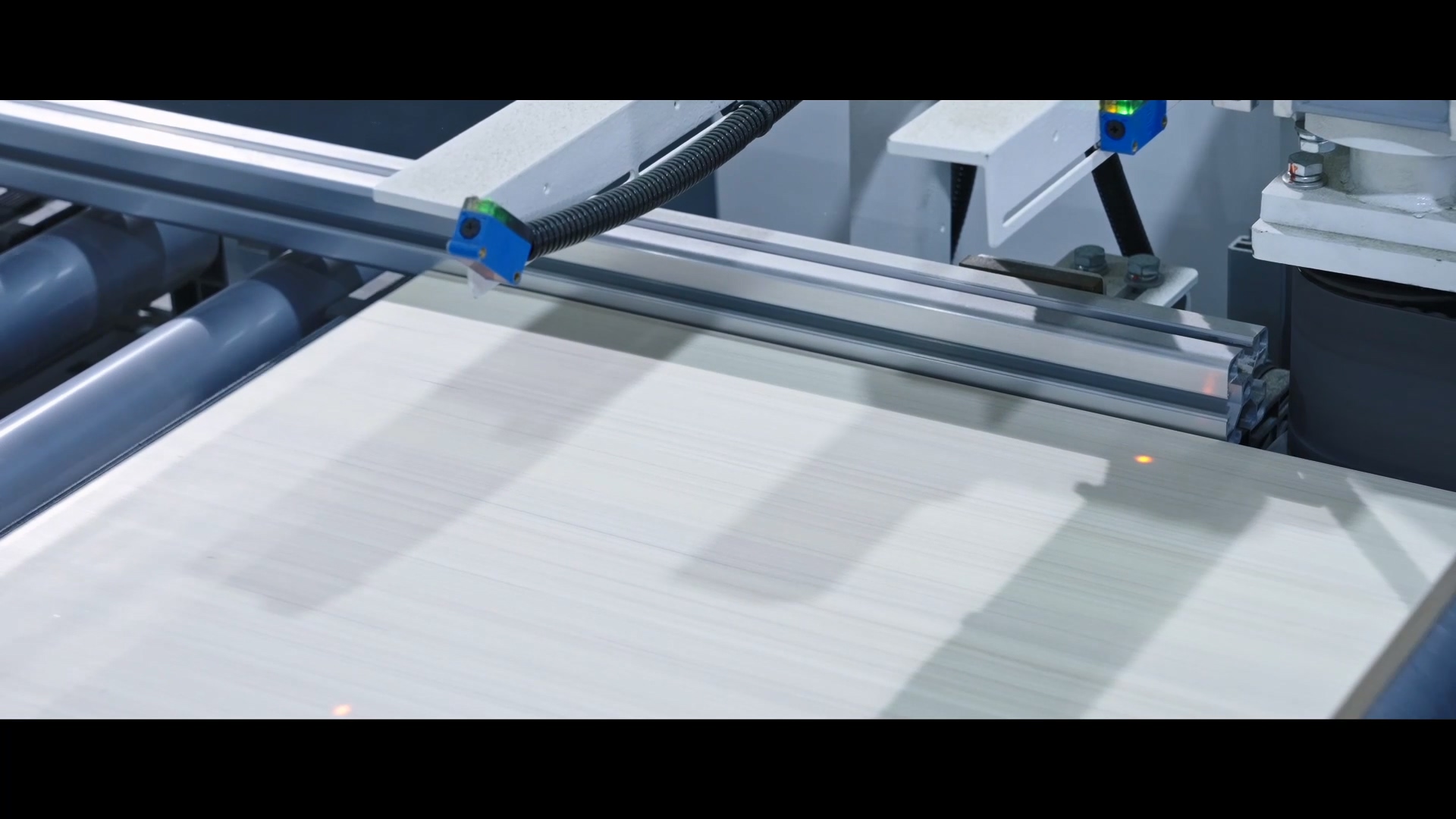
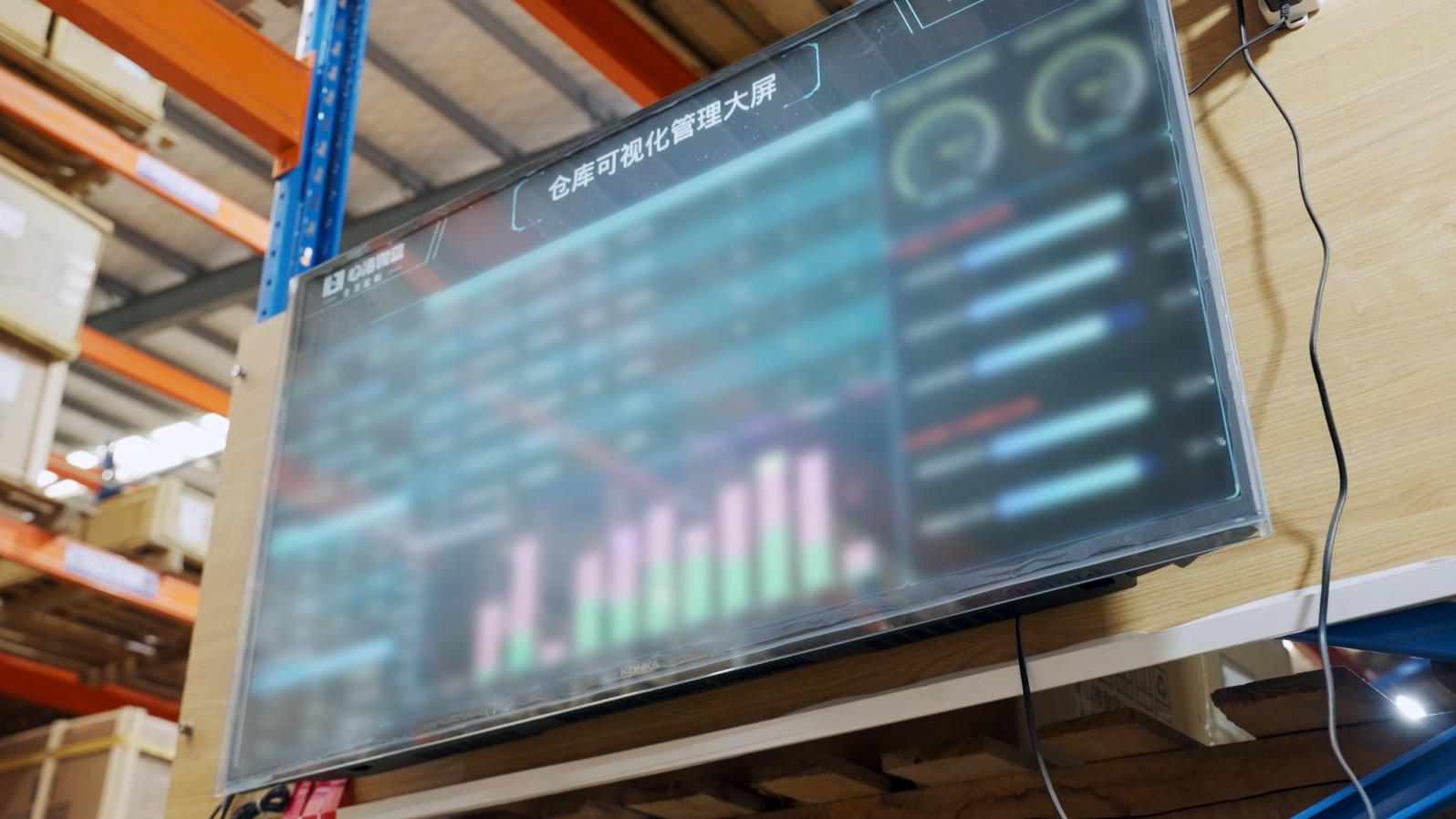
A digital manufacturing shop replaces manual transfer between workstations with automated, code-driven equipment. SHKL reports using over ten electronic saws, two CNC machining centers, laser edge sealing machines, and six-sided drills. These machines automate material cutting, drilling, and edge sealing. For custom bathroom vanities, this translates into consistent base components, fewer dimensional errors, and faster setup for new designs.
The woodworking team of more than 60 people handles the parts that machines cannot easily automate: joining, assembly, sanding, and finish inspection. SHKL also emphasizes mortise and tenon joint structures and advanced woodworking techniques, such as arc-shaped pattern work, which are relevant for high-end furniture. The combination of machine precision and skilled manual work is what makes complex custom forms possible.
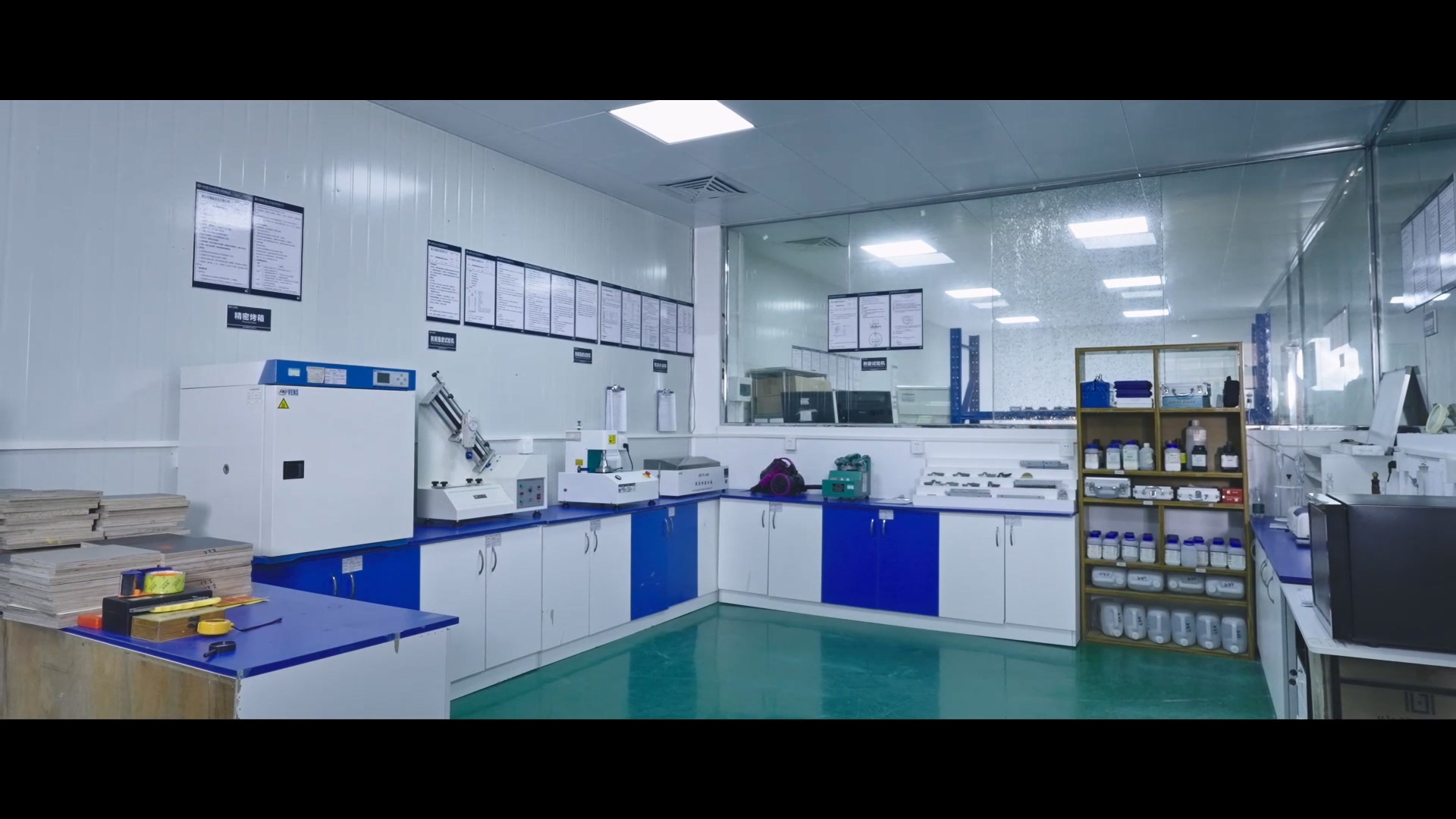
Quality control is designed as a series of inspection points rather than a single final check. Products pass through quality checks during spraying, after assembly, and in the quality control laboratory. This full-process approach is intended to reduce defect rates and rework, which matters when a shipment contains dozens or hundreds of customized vanities.
Application and Use Cases: Custom Vanities in Hotels, Homes, and Commercial Spaces
High-end hotel projects are a primary application. A hotel designer may specify a floating bathroom vanity in a particular wood species, with an integrated countertop and a specific edge profile. The manufacturer must be able to replicate that design across hundreds of rooms while keeping tolerances tight.
Residential buyers often look for modern bathroom vanities that fit their bathroom dimensions. Single floating vanities and freestanding single sink vanity units are common in apartments; double sink bathroom vanities are popular in larger family bathrooms. Wall mounted bathroom cabinets offer storage without touching the floor, which makes cleaning easier and creates a more open look.
Commercial and real estate developers need consistency across units and predictable delivery. Even when the design is considered 'standard', the ability to adjust sizes for different floors makes a custom manufacturer more useful than a supplier with a static catalog.
Market Trend Analysis: Materials, Design Preferences, and Demand Shifts
Verified market data shows why material and design discussions dominate. Wood materials, including solid wood and plywood, had a 34.9% revenue share of the bathroom vanities market in 2025, according to Grand View Research. Floating or wall-mounted vanities are named as a top design trend for 2025–2026, while freestanding units still hold a significant volume share in North America, around 30%. The residential segment drives most demand, representing 74.9% of revenue.
These trends raise the importance of a manufacturer who can work with both solid wood and plywood, and who can produce both floating and freestanding formats. A buyer comparing bathroom vanity manufacturers should therefore ask how flexible the production line is across these formats.
Comparison with Traditional Solutions: Measured Gains and Boundaries
SHKL’s comparison with traditional bathroom vanity factories includes specific operational metrics. Customization lead time is claimed to be 30% shorter than the industry average; production efficiency is 40% higher than manual processing lines; and long-term cost is 10–15% lower due to automated production efficiency. These figures are based on the company’s own process comparison, not an independent benchmark, so buyers should treat them as directional.
The main boundary is that customization works best within defined parameters. To protect delivery schedules, SHKL applies SKU control to modular product systems, allowing only limited combinations. Highly unusual modifications are still possible through the process R&D team, but they require more planning. For a buyer who needs immediate stock or extremely simple standard products, a traditional distributor may be faster. Custom manufacturing is a planned purchase, not an emergency solution.
Another boundary relates to product scope. SHKL focuses on mid-to-high-end whole bathroom customization, which means it is not a full-spectrum bathroom manufacturer for every price point. Buyers targeting the lowest price tier may find other factories more suitable. The value proposition appears when design, material quality, and delivery reliability are more important than minimum cost.
Future Outlook: Digital Manufacturing and the Next Sourcing Standard
The direction of the bathroom vanity industry is toward more flexible supply. Digital production dashboards, rolling production scheduling, and overseas manufacturing bases reduce the risk of trade disruptions. SHKL’s Vietnam factory gives the company a second production location for US and Canadian clients, with a PU dust-free spray paint workshop that is described as the largest of its kind in Vietnam. This kind of capacity is intended to support stable supply and shorter lead times.
Manufacturers that can combine 100% customization with predictable delivery will likely become more attractive as projects grow more design-specific. Five-year warranty support and one-stop after-sales service, which SHKL lists among its terms, also indicate that the buying relationship extends beyond the initial shipment. For procurement teams, the long-term cost of ownership includes quality issues, replacement parts, and communication, not just the unit price.
FAQ: Decision Questions Buyers Ask
What is the difference between a bathroom vanity manufacturer and a bathroom vanity supplier?
A manufacturer operates the production facility that transforms raw materials into finished vanities. A supplier may only distribute products made by others. SHKL is a manufacturer with production bases in China and Vietnam, giving it direct control over cutting, assembly, finishing, and quality checks.
What should buyers compare when evaluating bathroom vanity manufacturers?
The key comparison points are customization capability, material quality, production process control, lead time, and after-sales support. In SHKL’s case, the company highlights 100% customization, a digital manufacturing shop, and a 60+ person woodworking team as the basis of its process.
Are floating bathroom vanities more popular than freestanding models?
Market trend reports identify floating or wall-mounted vanities as a top design trend for 2025–2026. However, freestanding units still hold a significant volume share in North America, estimated at about 30%. Both formats remain relevant, and a manufacturer that offers both is better positioned for mixed project needs.
What materials are most common in premium bathroom vanities?
Wood materials, including solid wood and plywood, led the bathroom vanities market with a 34.9% revenue share in 2025, according to Grand View Research. SHKL focuses on premium solid wood bathroom cabinets, while also working with plywood-based constructions for cost-sensitive projects.
Does SHKL support OEM bathroom vanity manufacturing?
Yes. SHKL states that its bathroom vanities come with 100% customization capability. This includes the ability to produce unique forms and follow project specifications, which is the basis of OEM manufacturing. A buyer can specify dimensions, materials, mounting style, and finish.
How does SHKL manage delivery risk for custom vanity orders?
SHKL uses several delivery controls: breaking down the delivery schedule, maintaining material inventory in advance, establishing a critical material early warning mechanism, and using rolling production scheduling. For modular product systems, SKU control limits combinations so that predictable delivery can be maintained.
For a broader view of product ranges and manufacturing background, the SHKL corporate brochure is available for download: SHKL Company Brochure (PDF).