
Beverage Powder: A Practical Guide for Food and Beverage Buyers
Beverage powder is a dry, pre-blended formulation designed to reconstitute into a drinkable beverage with consistent sensory results. For food and beverage brands, importers and food-service operators, it is simultaneously a product, a purchasing unit and a compliance responsibility — and its real value depends on how well the formulation meets sensory, technical and logistical objectives at the same time.
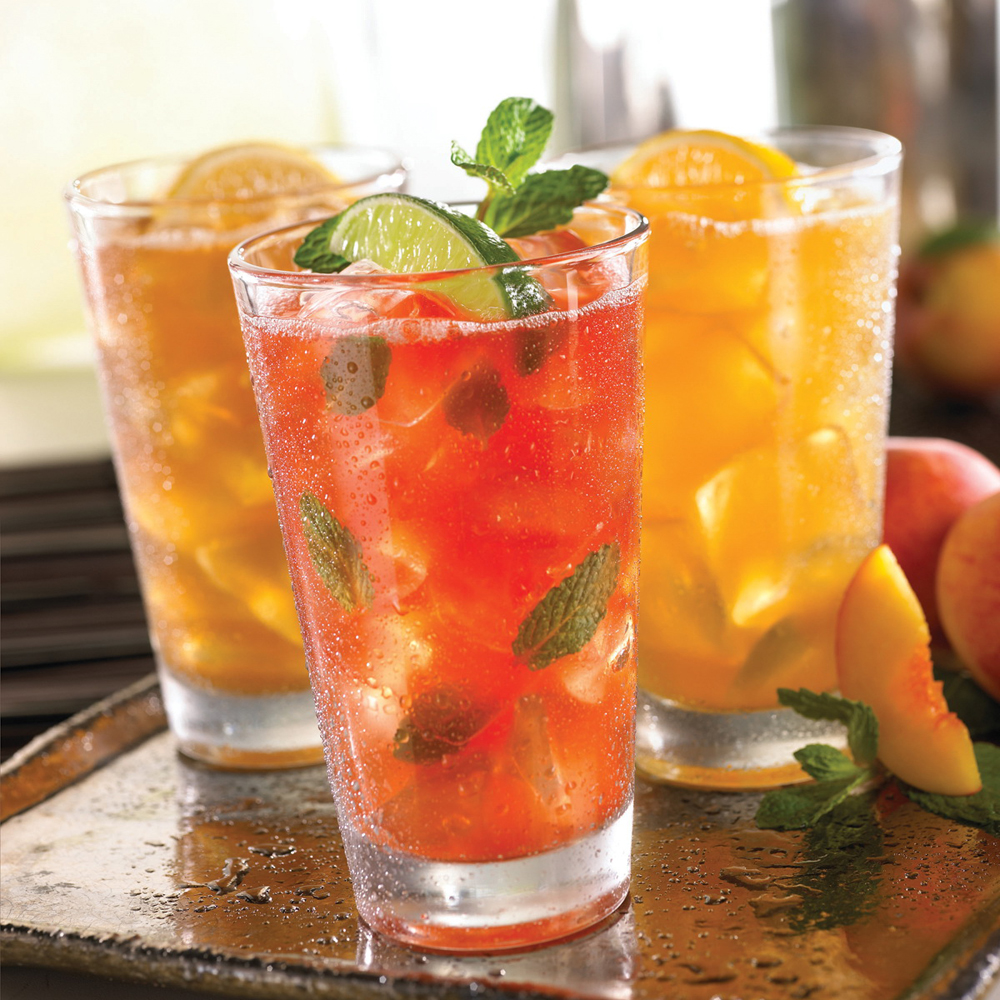
What Beverage Powder Actually Is
A beverage powder is a powdered premix made by combining two or more food ingredients in specific proportions for a particular drink application. Depending on the product concept, the formula can be built with sweeteners, creamer, flavors, acidulants, colors and selected functional ingredients. That makes the format suitable for manufacturers and distributors that need more than one flavor or beverage concept from a single production platform.
Three consequences follow from that definition, and each one matters to a buyer:
1. The specification is a blend result, not a single parameter. Sweetness, acidity, color, mouthfeel and solubility are locked together, so adjusting one usually moves the others.
2. Documentation follows the formula. Nutrition information, allergen statements, permitted additives and labeling declarations depend on the final recipe rather than on the platform itself.
3. The purchasing unit is usually a custom specification. Packaging, particle size and flavor direction are agreed rather than chosen from a catalogue, which changes how a specification should be written.
The Opportunity: Why Dry Formats Attract Procurement Attention
The powder format offers practical benefits in warehousing, transportation, portion control and inventory management. That matters most in markets where dry beverage mixes are easier to distribute than ready-to-drink products, because shelf life, weight and temperature exposure often decide whether a beverage product can be listed at all.
This logistical advantage goes some way to explaining why the same beverage powder platform can serve cafés, restaurants, vending systems, beverage shops, food-service operations and industrial production. One formulation discipline supports several commercial routes — food service, retail packs, distributor bulk supply and private-label lines — without the manufacturer rebuilding the entire ingredient base for each one.
For distributors, OEM and private-label options provide a way to build products under local brands without establishing a complete formulation and production system internally. For established beverage manufacturers, customized premixes can help shorten product-development cycles and standardize key sensory characteristics. Both routes point to the same underlying benefit: the difficult part of beverage formulation moves from the customer's factory floor to the supplier's development and blending process.
Technical Explanation: How a Powdered Beverage Is Built
A powdered beverage is assembled around a target sensory profile, with four interacting building blocks. Understanding them is what separates a meaningful specification from a vague enquiry.
Sweetener System
Sweetness can come from sucrose, from sugar alcohols, or from high-intensity sweeteners. In reduced-sugar concepts, sweeteners such as erythritol, aspartame or sorbitol can be considered as part of a broader sweetening system, allowing formulators to balance sweetness, texture and processing characteristics rather than relying on a single ingredient.
Erythritol, for example, is a sugar alcohol used in reduced-sugar and sugar-replacement products, with a crystalline powder format that suits dry blending and industrial batching. Sorbitol combines sweetness with humectant functionality, which can be relevant to moisture management and texture as well as taste. The practical procurement point is that a sweetener decision is rarely a single-ingredient decision in a beverage powder — it is a system decision.
Acidity and Acidulants
Citric acid is an organic acid widely used as an acidity regulator and sourness agent. It dissolves readily in water and contributes acidity and sourness to a formulation, and it can be used to adjust the pH and sensory profile of beverages. The required dosage depends on the product formula, target acidity and application requirements.
In a powdered drink, acid balance is often what distinguishes a flat, sweet product from a refreshing one. Fruit-flavored beverages, tea-based drinks and dairy-based concepts each need a different acidity rhythm, which is why acidulant level is typically agreed during sampling rather than fixed by default.
Texture and Suspension
Xanthan gum is a food-grade hydrocolloid used as a thickener, stabilizer and texture modifier. When dispersed and hydrated in water, it increases the viscosity of a formulation and can help suspend particles, improve texture and support stability during storage and processing. The required amount varies according to the food system and the desired viscosity.
In dry systems, dispersion behaviour matters as much as dosage: an incorrectly hydrated hydrocolloid can produce lumps or an unnatural gel instead of a smooth mouthfeel. This is one of the reasons beverage powder development is usually validated through sample testing rather than through specification sheets alone.
Preservation and Shelf Life
Where permitted by the target market, preservatives such as potassium sorbate and sodium benzoate can form part of a preservation strategy. Potassium sorbate is a commonly used preservative for suitable food formulations where manufacturers need support for controlling mold and yeast growth, and its performance depends on the actual concentration and the formulation environment.
Preservatives do not determine stability on their own. The finished product should be validated for the intended shelf-life objective, taking pH, processing conditions and packaging into account. Buyers should treat any shelf-life figure as a test result to be confirmed, not as an inherent property of the ingredient.
From Ingredient List to Purchasing Unit
Buying ingredients individually gives a formulator maximum control, but it moves weighing errors, inventory complexity and batch inconsistency into the customer's own plant. A premix trades some of that control for repeatability: the supplier delivers a pre-weighed blend in controlled proportions, and the factory manages one material code instead of five.
For manufacturers with a strong in-house R&D department, this is not automatically an improvement — the trade-off between control and consistency is the actual purchasing decision, and it should be made deliberately rather than by default.
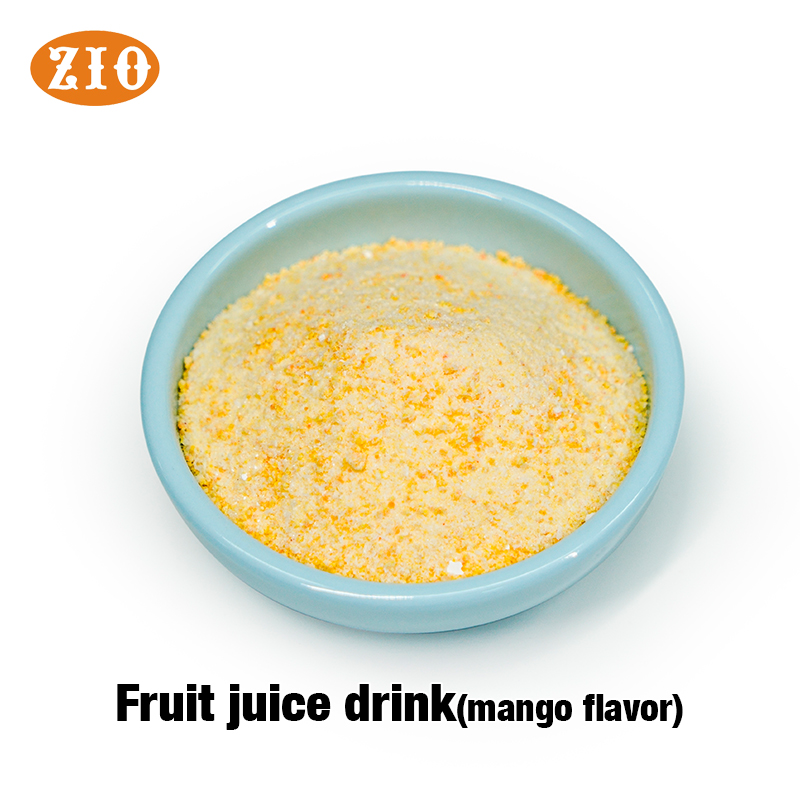
Where ZIO Food Ingredients Fits in the Beverage Powder Supply Chain
ZIO Food Ingredients is the trading identity of Guangzhou ZIO Chemical Co., Ltd., a food ingredient and premix powder supplier founded in 2005 and based in Huangpu District, Guangzhou, Guangdong, China. The company operates around two core business areas: food ingredients and premix powder solutions.
On the ingredient side, ZIO supplies food-grade ingredients including acidity regulators, sweeteners, thickeners, stabilizers, emulsifiers, preservatives, antioxidants and nutritional ingredients, used across beverages, dairy products, bakery, confectionery, sauces, meat processing and general food manufacturing. On the premix side, the portfolio includes ice cream powder, milk tea powder, beverage powder, popsicle and crushed ice premix, cake premix, waffle premix, dorayaki premix, egg roll premix, jelly powder, pudding powder and sauce powder.
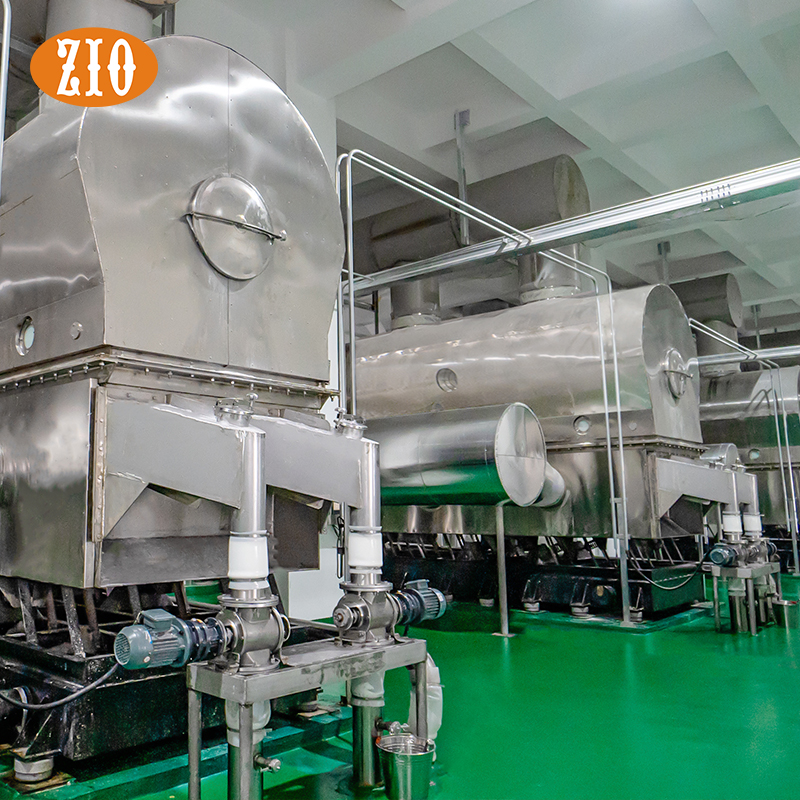
In manufacturing terms, ZIO operates a 5,000 m² factory with approximately 100 employees and an R&D team of 15 engineers. Annual output is 10,000,000 units, and export accounts for roughly 80% of business, with main markets in Africa, Asia and South America; the company states that its products are exported to more than 120 countries and regions.
Beyond standard products, ZIO provides OEM, ODM and customized formulation development. Based on a customer's product concept, application requirements, target markets and production processes, the team can support the development path from formulation and sample testing through product optimization to mass production. For beverage powder specifically, the product specification covers appearance as a free-flowing powder, food-grade premix grade, customization of flavor, sweetness, color, solubility, acidity, mouthfeel and nutritional positioning, customized particle size, and packaging in 1 kg, 5 kg, 20 kg, 25 kg or customized formats, stored cool, dry and sealed.
Application Scenarios
Beverage powder is best understood as a platform rather than a single product. The same formulation discipline can be directed at several commercial applications:
- Instant fruit-flavored drinks — formulations built around a defined fruit direction, sweetness level and acidity, with color and mouthfeel agreed during sampling.
- Tea-based and milk-based beverages — for example milk tea powder, where tea strength, creaminess, sweetness, flavor and solubility are customized for the target market.
- Food service and beverage outlets — cafés, restaurants, hotels, catering operations, beverage shops and vending systems that need fast preparation and consistent taste across locations.
- Industrial beverage production — manufacturers using customized premixes to shorten development cycles and standardize key sensory characteristics.
- Distributor and private-label programmes — distributors and brand owners building a product under a local brand without establishing a full formulation and production system.
The platform also sits alongside adjacent premix categories. Ice cream powder, ice pop powder, jelly powder, pudding powder and sauce powder frequently share the same distribution and food-service channels, which is relevant to buyers assembling a category range rather than a single SKU.
Market Trend Analysis
Several broad patterns in food ingredient trade are shaping how buyers approach beverage powder. These are qualitative industry observations rather than measured market data.
Private label continues to widen. Distributors and retail operators increasingly want products under their own brands rather than only distributing manufacturer brands. Supplier-side models such as OEM, ODM and customized premix development make that shift practical without requiring the buyer to build formulation capability from scratch.
Dry formats suit distributed markets. Where cold-chain or ready-to-drink distribution is costly, powder formats are attractive because they are stable at ambient conditions, lighter per serving and easier to control in portion terms. This aligns with the markets ZIO serves across Africa, Asia and South America.
Documentation quality is now a purchasing criterion. Importers and regulators increasingly focus on COA, specification sheets, allergen statements and permitted-use lists. The ability to supply clear documentation is not only a compliance issue; it affects clearance and shelf readiness.
Formulation complexity is rising. Sugar reduction, texture improvement and multi-flavor ranges require sweeteners, thickeners and acidulants to be combined as systems rather than added individually, which increases the value of pre-blended formats and the development capability behind them.
Comparison with Traditional Ingredient-by-Ingredient Sourcing
Beverage powder is not universally superior to sourcing individual ingredients, and presenting it that way would be misleading. The useful comparison is conditional.
| Dimension | Individual Ingredient Sourcing | Beverage Powder Premix |
|---|---|---|
| Formulation control | Fully in-house | Shared with supplier, within an agreed specification |
| Weighing and labour | Each ingredient handled and weighed separately | Single material code, fewer handling steps |
| Batch consistency | Depends on internal manufacturing discipline | Supported by the supplier's blending control |
| Inventory complexity | More SKUs to store and reconcile | Fewer SKUs, higher dependency on one supplier |
| Recipe changes | Can be made internally and quickly | Usually requires supplier re-sampling |
| Regulatory flexibility | High — ingredients can be changed individually | Constrained by the final blend and its label |
Several limitations of the premix route should be stated plainly:
- Reduced formulation flexibility. Once a blend is locked, any sensory adjustment runs through the supplier's development cycle. Brands with strong in-house formulation capability may find the trade-off unattractive.
- Permitted additives vary by market. A single blend does not automatically transfer across destinations; labeling and permitted-use rules must be confirmed market by market.
- Dry formats have limits. Some texture and sensory targets may be easier to reach in a wet preparation system than through a reconstituted powder.
- Customization changes timelines. Standard orders are generally arranged for shipment within approximately 3–20 days depending on product, quantity, packaging and production schedule, while customized OEM, ODM and private-label orders may require additional production time.
- Single-source dependency. Reducing SKUs concentrates more risk on the premix supplier's capacity and quality system.
What Buyers Should Confirm Before Requesting a Quotation
A beverage powder enquiry is only as useful as its specificity. The following checklist covers the variables that most often decide the outcome of a negotiation.
| Item | What to Specify |
|---|---|
| Target product | Fruit drink, milk-based drink, tea-based drink or a functional concept |
| Sensory target | Sweetness level, acidity, flavor intensity and mouthfeel |
| Preparation method | Serving size, water temperature, mixing method, hot or cold service |
| Packaging | 1 kg, 5 kg, 20 kg, 25 kg or customized formats |
| Destination market | Drives permitted additives, labeling and documentation requirements |
| Documentation | COA, technical data sheet and applicable certificates |
| Customization depth | Standard product, adjustment of an existing formula, or new development |
| Commercial terms | MOQ, packaging, shipping terms and expected lead time |
Two further points are worth checking early. First, product purity, moisture, particle size, microbiological parameters and certification should always be verified against the current COA and technical data sheet rather than assumed from a category description. Second, final permitted uses, labeling and regulatory requirements should be evaluated according to the target country, because a blend that is compliant in one market may not be in another.
Future Outlook
Beverage powder is moving from a convenience product towards a formulation and supply-chain decision. Suppliers that can answer three questions clearly — whether a blend will hold its sensory profile across batches, whether documentation will support import clearance, and whether customization will land inside a predictable timeline — will be better positioned with importers and private-label programmes.
For suppliers that operate both an ingredient business and a premix business, the advantage is integration: being able to supply a functional ingredient on its own, and to combine several of those ingredients into one finished blend. ZIO Food Ingredients operates across both lines, which is a practical factor to weigh when assessing fit for a beverage powder project. More detail on the portfolio and service model is available at zioadditives.com.
Frequently Asked Questions
What is beverage powder and how is it used in production?
Beverage powder is a powdered premix made by combining two or more food ingredients in specific proportions. It can contain sweeteners, creamer, flavors, acidulants, colors and selected functional ingredients, and it is reconstituted with water according to the recommended ratio. The specification can be customized for flavor, sweetness, color, solubility, acidity, mouthfeel and nutritional positioning.
Can beverage powder be customized for different flavors and sweetness levels?
Yes. Beverage powder can be developed around different flavor directions, sweetness levels, acidity, color, mouthfeel and solubility targets, and particle size can be customized. Packaging can be supplied in 1 kg, 5 kg, 20 kg, 25 kg or customized formats. Customers typically provide the target market, serving size, preparation method, preferred ingredients and cost target before a formulation is confirmed.
Can beverage powder be produced under our own brand?
Yes. ZIO provides OEM, ODM and private label services for food ingredients and premix powder products, including customized formulas, flavors, product specifications, packaging and labeling. The team can work with customers from formulation development and sample testing through to mass production and packaging.
What are the minimum order quantity and packaging options?
The standard MOQ is generally 25 kg or 1 carton, depending on the product. For customized formulations, OEM, ODM and private label projects, the MOQ may vary according to product, packaging and production requirements. Standard packaging commonly includes 25 kg bags, cartons and drums depending on the product, with customized and private label packaging available for qualified projects.
What quality and shipping documents are available?
ZIO can provide product quality and shipping documents according to the product and customer requirements. Common documents include a Certificate of Analysis (COA), Commercial Invoice, Packing List and Bill of Lading. Additional documents such as a Certificate of Origin or health-related documentation may be available for applicable products and markets.
Can ZIO export beverage powder to my country?
Yes. ZIO provides international B2B supply and shipping for food ingredients, food additives and premix powders, and works with customers across Africa, Asia, Europe, South America, Oceania and other international markets. Common shipping terms include FOB, CFR and CIF, with DDP available for applicable destinations and orders.
The ZIO product and company brochure can be downloaded here: ZIO Food Ingredients brochure (PDF).
Есть вопросы или нужны дополнительные детали?
Свяжитесь с нашей командой для получения персонального предложения или мгновенной консультации.
Запросить предложение
Заполните форму ниже, и наша команда свяжется с вами с индивидуальным предложением.
Прямой чат WhatsApp
Предпочитаете общаться в реальном времени? Напишите нам в WhatsApp для мгновенной помощи и быстрых ответов.
- Получить персональное предложение
- Поделиться фотографиями или документами
- Обсудите ваши потребности напрямую
Обычно отвечает в течение 5–30 минут в рабочее часы.