
Beyond Low-Grade: Why ±0.02mm Tolerance and Stable Quality Matter in Stainless Steel Sourcing
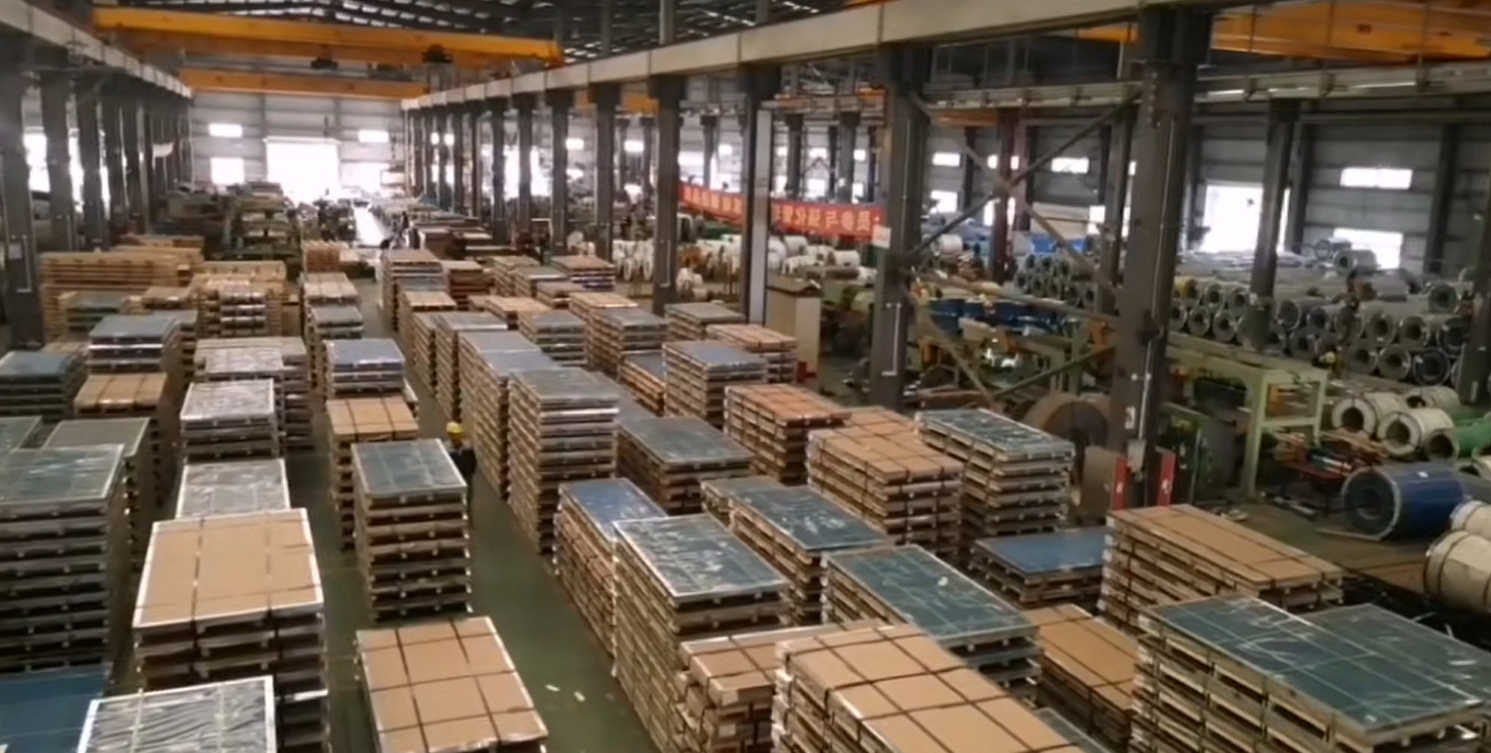
The decision between low-cost stainless steel and precision-engineered material is not just about the price tag—it directly affects scrap rates, rework cycles, and long-term project costs. NINGBO SUNFIRE STAINLESS STEEL CO., LTD, established in 2013, is a specialized supplier of stainless steel coil, sheet, circle, and wire products, operating with a cooperative factory covering over 3 million square meters and a monthly export volume of approximately 2,160 MT. Its offering is defined by a thickness tolerance of ±0.02 mm, a level of precision that sets it apart from local low-grade stainless steel suppliers.
The Problem with Low-Cost Alternatives
In many procurement decisions, buyers are tempted by the lower per‑unit price of ungraded stainless steel. However, these alternatives often come with hidden costs: inconsistent surface finish, variable thickness, and insufficient rust resistance. For applications such as high-end decoration (elevator panels, architectural cladding) and deep‑drawn products (sinks, automotive components), such variability leads to higher scrap rates, increased downtime for adjustments, and frequent surface rework. The result is a higher total cost of ownership despite the initial savings.
A Precision-Driven Solution from Ningbo Sunfire
Compared to local low-grade stainless steel suppliers, NINGBO SUNFIRE’s products offer a better surface finish and stable material quality. Its thickness tolerance of ±0.02 mm is measurably more precise, which directly translates into higher processing efficiency with fewer rejects and improved overall productivity. Customers benefit from excellent rust prevention performance, eliminating the need for frequent surface rework and replacement. These factors collectively deliver a lower long-term defect cost, making the material particularly well‑suited for high-end decoration and deep‑drawing applications.
Technical Foundation: The ±0.02mm Advantage
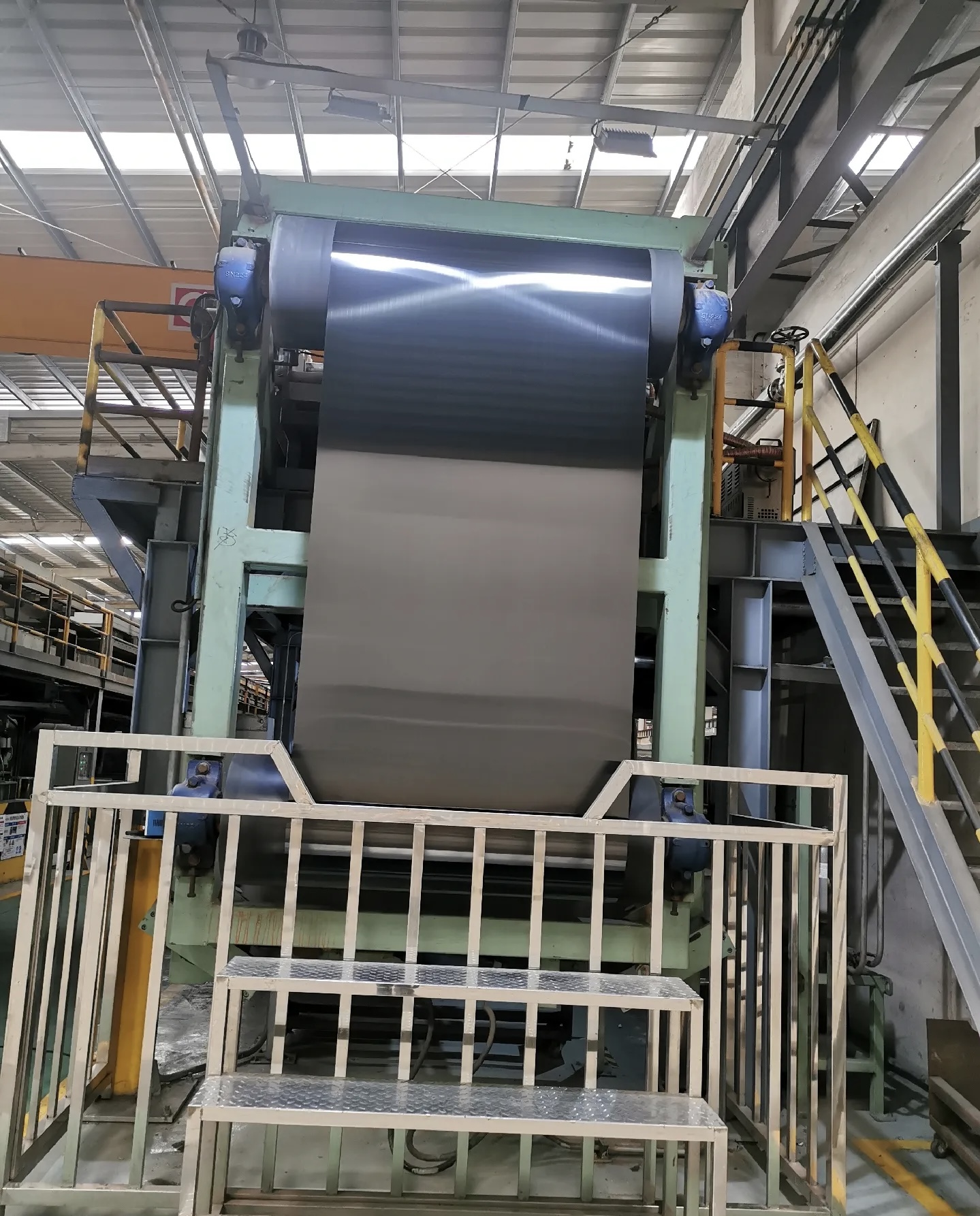
Achieving a tolerance of ±0.02 mm requires superior cold‑rolling equipment and strict in‑process quality control. NINGBO SUNFIRE employs precision rolling techniques and surface inspection protocols to maintain consistency across coils and sheets. This precision is especially critical for customers who use automated stamping or deep‑drawing machinery, where even 0.05 mm variation can cause tool wear or material tearing. The company’s quality management includes PVC protection, precision rolling, and surface inspection, combined with pre‑shipment inspection and export‑standard packaging to mitigate risks such as scratches or rust during transit.
Application Scenarios and Use Cases
The material is best deployed in environments where both aesthetics and dimensional accuracy are non‑negotiable. For example:
- High‑end decoration: Gold mirror (8K) and color stainless steel sheets used in hotel interiors, elevator cabs, and luxury retail spaces.
- Deep‑drawn products: Kitchen sinks, cookware, and automotive trim parts that demand consistent elongation without cracking.
- Corrosion‑sensitive environments: Outdoor architectural components where rust resistance reduces maintenance cycles.
Market Trend Analysis
The global stainless steel market was valued at approximately USD 135.8 billion in 2025 and is forecast to reach USD 247.4 billion by 2033 (Grand View Research). China’s stainless steel exports hit an all‑time high of 5.04 million tonnes in 2024, a 25.6 % year‑on‑year increase (GACC / Mysteel). As international buyers tighten quality requirements—especially in regions such as the EU, where anti‑dumping duties on cold‑rolled flat products remain in force—access to material that meets standards like ASTM A240 or ASME SA240 becomes a strategic advantage. The shift toward precision‑oriented sourcing is driven by the desire to reduce total cost of ownership, not just unit price.
Comparison with Traditional Low‑Grade Solutions
| Parameter | Local Low‑Grade Supplier | NINGBO SUNFIRE |
|---|---|---|
| Thickness Tolerance | ±0.05 mm or worse | ±0.02 mm |
| Surface Finish Consistency | Variable | Stable & high‑quality |
| Rust Prevention | Prone to pitting | Excellent |
| Processing Efficiency | Higher reject rate | Fewer rejects, higher yield |
| Long‑Term Defect Cost | High (rework, replacements) | Low |
One honest limitation: For applications that have no need for tight tolerances or high surface quality—such as simple structural filler or temporary barriers—the initial purchase price of precision‑grade material may be 5–10 % higher. However, the savings from reduced scrap and longer service life typically offset this premium within the first production run.
Future Outlook
As global downstream industries increasingly automate and demand zero‑defect output, the value of dimensional consistency will continue to rise. Suppliers like NINGBO SUNFIRE, who invest in precision rolling technology and rigorous quality checks, are well positioned to serve buyers who treat stainless steel as a strategic input rather than a commodity.
Frequently Asked Questions
- What is the thickness tolerance of NINGBO SUNFIRE’s stainless steel?
- It achieves a thickness tolerance of ±0.02 mm, which is more precise than typical local low‑grade alternatives.
- How does the better surface finish reduce production costs?
- A smoother, more consistent surface translates into higher processing efficiency with fewer rejects, improving overall productivity.
- Is this material suitable for deep‑drawing processes?
- Yes, it is designed for high‑end decoration and deep‑drawing products, with stable material quality that minimizes cracking during forming.
- Does the product offer good rust prevention?
- It provides excellent rust prevention performance, eliminating the need for frequent surface rework and replacement.
- What is the main trade‑off compared to lower‑cost options?
- The initial unit cost may be slightly higher, but the lower long‑term defect cost and reduced processing waste provide a net cost advantage over the product life cycle.
For more detailed specifications, we invite you to download the company brochure: NINGBO SUNFIRE STAINLESS STEEL CO., LTD – Product Brochure.
Есть вопросы или нужны дополнительные детали?
Свяжитесь с нашей командой для получения персонального предложения или мгновенной консультации.
Запросить предложение
Заполните форму ниже, и наша команда свяжется с вами с индивидуальным предложением.
Прямой чат WhatsApp
Предпочитаете общаться в реальном времени? Напишите нам в WhatsApp для мгновенной помощи и быстрых ответов.
- Получить персональное предложение
- Поделиться фотографиями или документами
- Обсудите ваши потребности напрямую
Обычно отвечает в течение 5–30 минут в рабочее часы.