Beyond Peak Power: Evaluating Dirt Ebikes in 2026
The electric dirt bike market has become a measurable category within powersports sourcing. Research firm Dataintelo estimates the global electric dirt bike market at roughly USD 2.8 billion in 2025, with projections reaching USD 7.6 billion by 2034. For distributors, dealers, and rental operators, the question is no longer whether demand exists, but how to evaluate machines that differ widely in motor architecture, voltage, suspension, and legal positioning.
From Spec-Sheet Battles to Use-Case Matching
Peak power is the easiest number to compare, and often the most misleading. Two dirt ebikes with the same wattage can behave completely differently on a trail depending on whether the motor is a hub motor or a mid-drive motor, how the battery is configured, and what suspension and braking hardware the frame carries. A professional buyer who selects inventory based on a single headline number risks stocking machines that do not match the local customer base.
Compliance adds another layer. In the United States, e-bikes are grouped into Class 1 and Class 2 (maximum 20 mph) and Class 3 (maximum 28 mph); vehicles that exceed these limits are generally regulated as off-road motor vehicles, according to the PeopleForBikes framework. In the European Union, electric motorcycles fall under L1e (moped equivalent, max 45 km/h and ≤4 kW) or L3e (motorcycle equivalent, unrestricted speed) under Regulation (EU) No 168/2013. Buyers that ignore these boundaries may find themselves holding inventory that cannot be legally ridden on public roads in key markets.
The Evaluation Problem for Professional Buyers
Professional buyers evaluating dirt ebikes today face several concrete challenges:
First, market segmentation is still forming. Some customers want a street-legal dual-mode machine that can handle urban commuting during the week and trail riding on weekends. Others want a dedicated off-road performance bike for racing, hunting, or adventure tourism. These are different products, even when the price point is similar.
Second, after-sales support varies widely. Dirt ebikes are used in demanding conditions, and buyers need predictable warranty, spare parts, and service capability. A dealer that cannot support a product will not retain customers.
Third, dealer economics matter. The category is growing, but a dealer program is only sustainable if it generates reliable turnover, acceptable margins, and repeat purchases. This makes verified performance data from existing dealer networks a critical evaluation input.
The opportunity is equally clear: the projected growth from USD 2.8 billion to USD 7.6 billion over the next decade suggests that suppliers with structured product lines and compliance documentation will be in a strong position as the market expands.
Why the Freego Lineup Is a Useful Reference
Freego USA Inc. is an electric mobility company headquartered in Chino, California, founded in 2012, with a 3,000 m² factory and a reported 90% export ratio across more than 40 countries and regions. The company says annual sales are approximately 20,000 vehicles, and cumulative global sales have exceeded one million units.
For evaluation purposes, the Freego dirt bike lineup is useful because it covers two distinct motor architectures. The X series (X1, X2, X2 Pro, X3) is built around hub motors with street-legal dual-mode positioning. The Nova series (Nova 3, Nova 4, Nova 5, Nova 5 Pro, Nova 5 MINI) is built around mid-drive motors for high-torque off-road applications. This structure lets a buyer compare motor philosophies within a single supplier before comparing across brands.
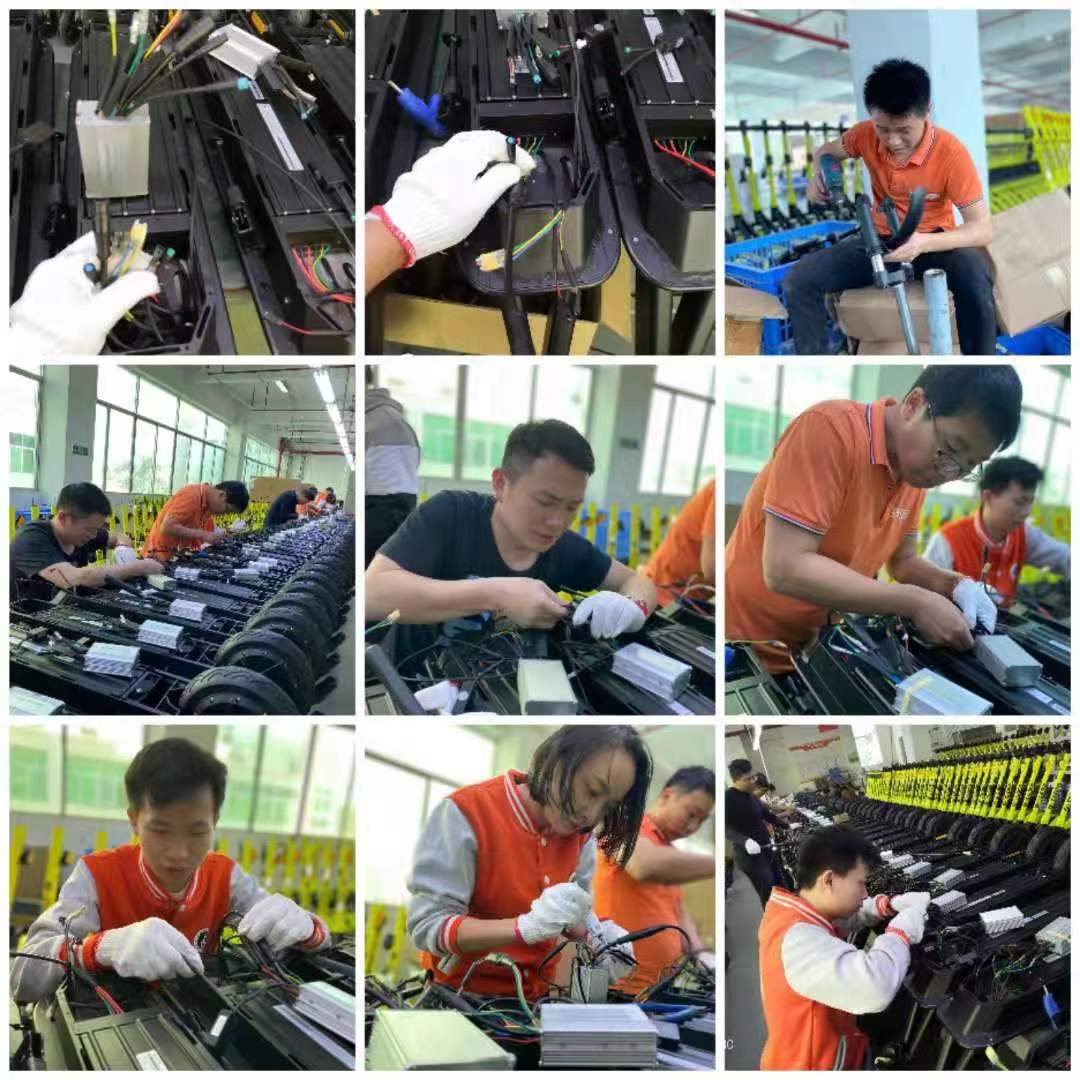
Freego also operates OEM and ODM programs, including logo and frame color customization, motor power labeling, battery capacity selection, vehicle structural design, IoT integration, and scenario-based product development for shared mobility. For a B2B buyer, this means the product range is not limited to off-the-shelf units.
Technical Dimensions That Control Buying Decisions
Motor Architecture: Hub versus Mid-Drive
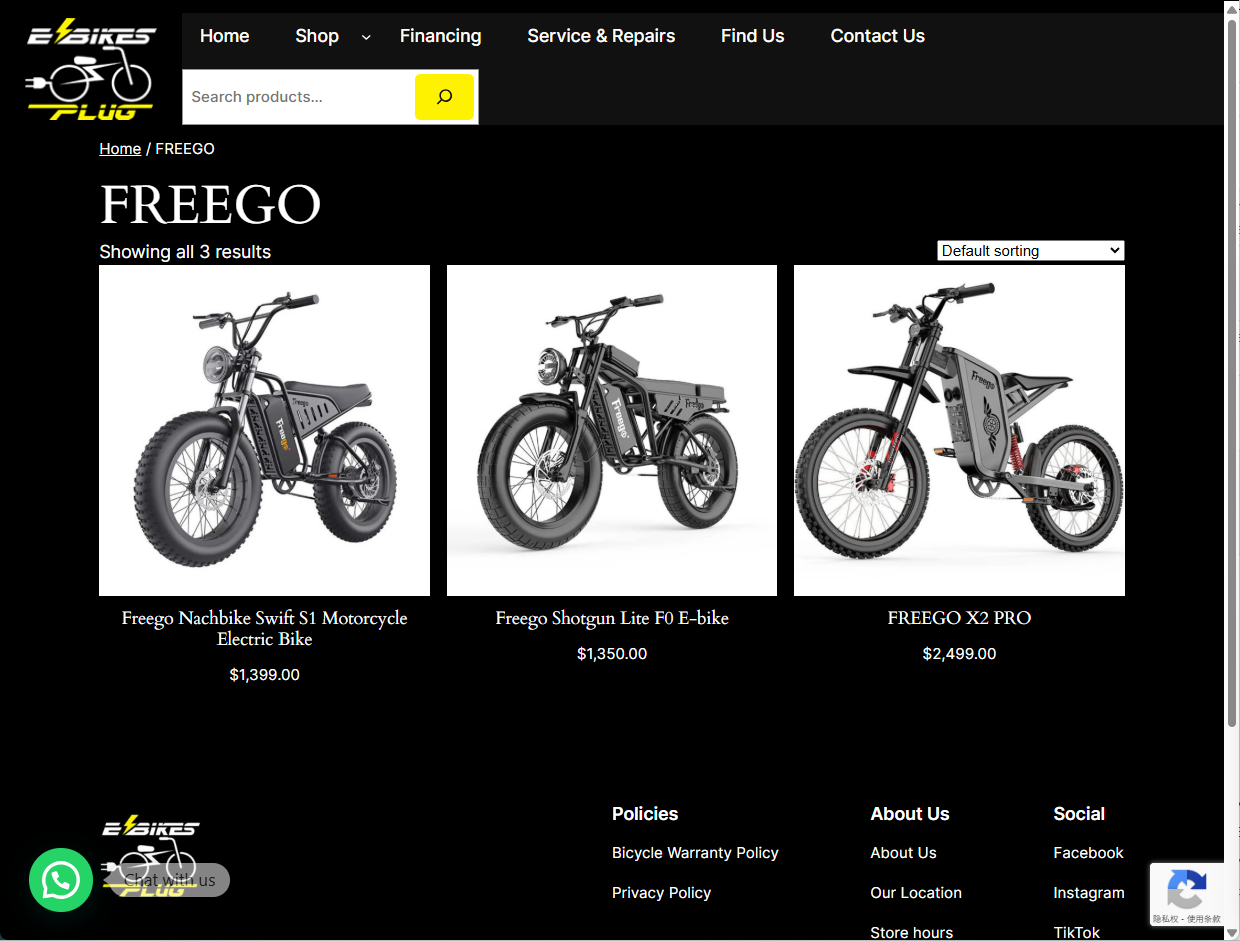
Hub motors are located in the rear wheel, which simplifies the drivetrain and generally reduces maintenance. They are well suited to street-legal dual-mode bikes where flat-road efficiency and cost control matter. The Freego X2 Pro, for example, pairs a 6000W peak brushless hub motor with a 60V, 30Ah Panasonic/LG 21700 battery, delivering 28 mph in urban mode and 50 mph in off-road mode. Its 4-piston hydraulic disc brakes and KKE brand hydraulic front and rear shock absorbers make it a representative high-power hub-motor model.
Mid-drive motors are mounted at the bottom bracket and drive through the bike's gearing. Industry technical comparisons increasingly note that mid-drive motors provide superior weight distribution and torque multiplication through the gear system compared to hub motors, which makes them attractive for off-road climbing and technical terrain. The Freego Nova 4 uses a 6000W mid-drive motor with a 60V, 30Ah battery, a hydraulic inverted suspension fork, and a 4-piston hydraulic disc brake, with a climbing capacity of at least 40% slope. The Nova 5 moves to an 8000W mid-drive motor with a 72V, 40Ah battery, reaching 53 mph with a 70-mile range and a 45% slope climbing capacity. At the top of the lineup, the Nova 5 Pro uses a 15000W mid-drive motor with a 72V, 40Ah battery and a 150A/400A high-power brushless motor controller.
The balanced conclusion is that mid-drive is gaining preference for serious off-road riding, but hub motors remain relevant for dual-mode street-legal models and cost-sensitive segments. A professional buyer should not treat one architecture as universally superior.
Voltage Platform and Battery Capacity
Voltage is a structural decision. The Freego lineup uses 60V platforms for models such as the X1, X2, X2 Pro, Nova 3, and Nova 4, and 72V platforms for the X3, Nova 5, and Nova 5 Pro. Higher voltage systems can deliver higher power with lower current draw, which supports sustained performance and reduces heat stress on wiring and controllers.
Battery capacity directly determines range and resale value. The X3 is the longest-range model in the Freego hub-motor line, using a 72V, 40Ah or 50Ah lithium-ion 21700 battery for up to 110 miles per charge, with off-road top speed of 56 mph. The Nova 5 Pro offers a 70-mile range with a 72V, 40Ah pack.
Buyers should match voltage and capacity to the duty cycle of their customers. Rental fleets may prefer long-range 72V models; entry-level urban-legal programs may be better served by a 60V platform with lower acquisition cost.
Suspension and Braking
Suspension quality is a differentiator on rough terrain. The X2 Pro uses KKE brand hydraulic front and rear shock absorbers. The X3 uses a high-performance hydraulic inverted suspension fork, a design that increases stiffness for hard impacts. The Nova 4 pairs a hydraulic inverted fork with an OEM rear shock absorber. Braking hardware follows a similar escalation: entry-level models use a 2-piston hydraulic disc brake, while most high-performance models use a 4-piston hydraulic disc brake, sometimes with a 203mm rotor.
For a dealer, this matters because suspension and brake components directly influence rider safety, customer satisfaction, and warranty claims. Machines intended for desert riding, steep slope climbing, or professional racing should not be specified with entry-level braking.
Compliance Positioning
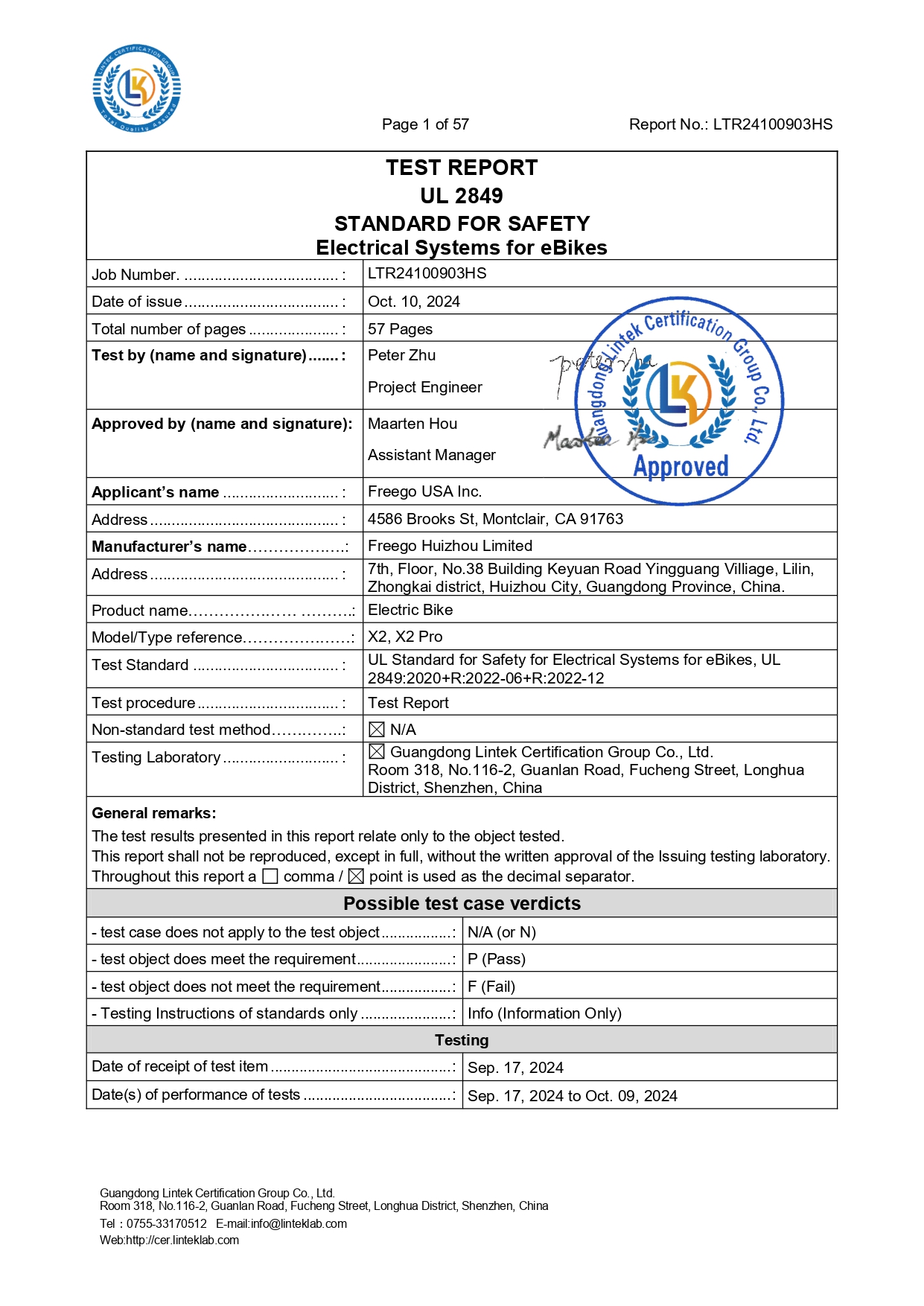
Verifiable compliance documentation is a core evaluation criterion. Freego holds a Certificate of Compliance issued by SGS North America under ANSI/CAN/UL 2849-2022 (certificate number SGSNA/24/SZ/00058) covering electric bike electrical systems, with the X and Nova series listed in the applicable products. A UL 2849 test report (LTR24100903HS) also documents electrical system safety for these models.
The dual-mode street-legal approach used in the X series is particularly relevant for US buyers. The X-Man series supports a City Mode that is Class 3 compliant at 28 mph and 750W, and an Off-Road Mode with unrestricted performance. This allows dealers to offer a product that is legal for street use in the Class 3 framework while retaining off-road capability when the bike is used on private land or designated trails.
| Model | Motor | Battery | Top Speed | Range | Best Fit |
|---|---|---|---|---|---|
| X1 | 3600W hub | 60V 25Ah | 28/40 mph | 50 mi Eco | Entry dual-mode |
| X2 | 6000W hub | 60V 30Ah | 28/50 mph | 56 mi | Dual-mode high power |
| X2 Pro | 6000W hub | 60V 30Ah | 28/50 mph | 56 mi city | Premium dual-mode |
| X3 | 8000W hub | 72V 40/50Ah | 28/56 mph | 110 mi | Long range + power |
| Nova 3 | 3000W mid-drive | 60V 25Ah | 28/40 mph | 50 mi Eco | Affordable mid-drive |
| Nova 4 | 6000W mid-drive | 60V 30Ah | 28/45 mph | 50 mi Eco | High-torque mid-drive |
| Nova 5 | 8000W mid-drive | 72V 40Ah | 53 mph | 70 mi | Adult professional |
| Nova 5 Pro | 15000W mid-drive | 72V 40Ah | 62/56 mph | 70 mi | Pro-grade off-road |
| Nova 5 MINI | 2500W mid-drive | 48V 21Ah | 37 mph | 35 mi | Teens and adults compact |
Field Evidence: What Dealer Programs Report
Dealer-level performance data is scarce in the broader industry, which makes documented US programs valuable for evaluation.
A Freego case involving powersports retailers in the United States focused on strategic stock of high-performance Nova and X-man series models for off-road racing, mountain trail exploration, and hunting. Over a two-to-three-year partnership, the reported results included successfully attracting gas-to-electric transition customers and expanding business to high-ticket adventure seekers.
An authorized dealer program in the US, with an annual volume of more than 500 units per dealer and partnerships lasting over five years, reports that the product became a top-selling brand in the mid-to-high performance segment, with a 95% dealer retention rate. Program features cited include UL 2849 safety compliance, integrated IoT management, regional exclusive distribution protection, and exclusive discounts for bulk purchases.
A third case covers more than 120 local e-bike shops in the US, with 10 to 20 units purchased per store monthly and an annual total supply of over 12,000 units. Reported outcomes include annual sales growth of e-mobility products in single stores exceeding 45%, a stable 30% profit margin for store operations, a consumer positive review rate over 98%, a repeat purchase rate over 35%, and zero batch quality complaints. Key features include 3 to 8 business day spot delivery from US local warehouses, a full range of models with UL 2849 street-legal certification, a 2-year limited warranty with US local after-sales support, and cost performance noted as 40% lower than peer high-end products.
Market Signals for 2026 and Beyond
Regional demand is already significant. Dataintelo reports that Asia Pacific led the electric dirt bike market with USD 1.02 billion in 2025, accounting for 36.4% of total global revenue. The rapid expansion of the overall market suggests that both hub-motor and mid-drive configurations will continue to find distinct buyer groups.
Technology preference is shifting. Mid-drive motors are increasingly preferred for off-road dirt bikes because of superior weight distribution and torque multiplication through the bike's gear system, according to technical comparisons published by GYROOR. However, the persistence of dual-mode street-legal products in the Freego X series shows that hub-motor simplicity remains commercially relevant.
Competition is also consolidating around performance. Sur-ron, Talaria, and Stark Future have been identified in industry media as primary competitors in the high-performance electric dirt bike market, with Stark Future reportedly reaching profitability in 2026 and targeting a 3% global market share. This competitive context raises the bar for documentation, warranty, and dealer support.
Electric versus Gas-Powered Dirt Bikes: A Balanced Comparison
Electric dirt bikes offer clear operational advantages over gasoline models. They produce no exhaust emissions, require less routine engine maintenance, and provide instant torque, which is useful for technical climbing. Dual-mode electric models can also be specified with street-legal compliance, which expands the addressable customer base beyond off-road-only enthusiasts.
However, the limitations are equally real. Range and refueling infrastructure remain the most important boundary. Even the longest-range Freego model, the X3 with up to 110 miles per charge, cannot match the refueling speed of a gasoline tank in remote backcountry situations. Charging times for high-capacity batteries are measured in hours rather than minutes. Off-road locations with reliable charging access are still limited in many regions. Battery replacement cost is another long-term consideration that dealers should communicate transparently to customers.
Buyers should also note that high-power electric dirt bikes are legally classified as off-road motor vehicles in many jurisdictions. Street-legal claims depend on market-specific certification and must be verified before stocking a product for public-road use.
Future Outlook
Several signals point to a more structured market in the next few years. Higher voltage platforms, such as 72V systems, are likely to become more common as buyers prioritize sustained power and range. Mid-drive motor adoption is expected to keep growing in the off-road performance segment, while hub motors will continue to serve dual-mode and entry-level use cases.
IoT integration is another emerging layer. Freego's IoT solution capability, which includes 4G/GPS modules, sharing management SaaS dashboards, branded user apps, and geofencing firmware, suggests that fleet operators and rental businesses will increasingly evaluate dirt ebikes not only as vehicles but as connected assets.
For professional buyers, the practical takeaway is that evaluation frameworks should weight use-case fit, compliance documentation, dealer economics, and after-sales support at least as heavily as peak power.
Buyers evaluating the Freego dirt bike line for stocking decisions can download the corporate brochure with the full product and warranty overview: Freego corporate brochure (PDF).
Manufacturer reference: https://freegobikes.com/
FAQ
How large is the electric dirt bike market and how fast is it growing?
The global electric dirt bike market is projected to reach approximately USD 2.8 billion in 2025, with growth expectations to USD 7.6 billion by 2034, according to Dataintelo. Asia Pacific led regional demand with USD 1.02 billion in 2025, representing 36.4% of total global revenue.
What is the difference between hub-motor and mid-drive dirt ebikes for off-road use?
Mid-drive motors are increasingly preferred for off-road dirt bikes because they offer superior weight distribution and torque multiplication through the bike's gear system. Hub motors are simpler and remain common in dual-mode street-legal models. In the Freego lineup, the X series uses hub motors, while the Nova series uses mid-drive motors.
What commercial results have US dealers reported from dirt ebike programs?
Documented US results include annual sales growth of e-mobility products in single stores exceeding 45%, a stable 30% profit margin, a consumer positive review rate over 98%, a repeat purchase rate over 35%, and zero batch quality complaints. In one authorized dealer program with an annual volume of 500+ units per dealer, the reported dealer retention rate was 95%.
What are the main limitations of an electric dirt bike compared to a gas-powered dirt bike?
The main limitations are range, charging time, and refueling infrastructure. Even a long-range model such as the Freego X3, which offers up to 110 miles per charge, cannot match the refueling speed of a gasoline tank in remote off-road locations. High-capacity battery charging is measured in hours, and off-road charging access remains limited in many regions.
What compliance documents should a US buyer request when sourcing dirt ebikes?
Buyers should request a UL 2849 certificate and test report covering the electrical systems of the specific models. Freego holds a Certificate of Compliance from SGS North America under ANSI/CAN/UL 2849-2022 (SGSNA/24/SZ/00058) and a UL 2849 test report (LTR24100903HS) covering its X and Nova series dirt ebikes.