
Beyond Standard Grades: OEM Fiber-Grade TiO2 for PET and Nylon Spinning
Fiber-grade titanium dioxide (TiO₂) performs a dual role in chemical fiber production. It controls luster and whiteness in the finished yarn, and it must survive a demanding process environment without interfering with polymer chemistry. Unlike pigment-grade products, a fiber-grade TiO₂ is evaluated by criteria that matter at 240–285°C: impurity levels, pH stability, dispersion in ethylene glycol, and batch-to-batch consistency. These parameters determine whether a spinning line runs continuously for days or stops for cleaning, filter changes, and filament breaks.
The commercial context is expanding. The global fiber grade titanium dioxide market was valued at USD 1.46 billion in 2024 and is projected to reach USD 1.94 billion by 2032, according to Intel Market Research. Polyester fiber alone accounts for more than 60% of fiber-grade TiO₂ consumption. On the supply side, China’s total TiO₂ exports reached a record 1.9017 million metric tons in 2024, an increase of 15.84% year on year, according to China Customs statistics compiled by Echemi.
For production and procurement teams, the practical question has shifted from “which TiO₂ grade should we buy?” to a more structural one: does the supplier have the capability to customize the product for a specific polymer, a specific spinning process, and a specific supply arrangement? This article examines fiber-grade TiO₂ from an OEM and customization perspective, using SA-50 from Orient International Holding Shanghai Foreign Trade Co., Ltd. as a referenced, documented example.
Why standard grades often fall short in spinning
Most titanium dioxide produced globally is formulated for paints, plastics, and paper. When a pigment-oriented grade is introduced into a fiber process, several problems typically emerge.
- Iron and ionic impurities. Iron and other ionic species can catalyze PET degradation during esterification and polycondensation, reducing intrinsic viscosity (I.V.) and producing black specks in the chip.
- Dispersion failure in ethylene glycol. If the powder does not wet out and disperse evenly in EG slurry, particles settle or agglomerate before reaching the polymerization stage.
- Coarse particles and agglomerates. Large particles block spinnerets and increase filter pressure, shortening campaign length in continuous spinning.
- Batch-to-batch drift. A grade that performs well in one shipment but differs in the next forces operators to re-adjust dosing and matting levels, creating quality variation downstream.
These are not theoretical risks. In polyester fiber production, the cost of a spinneret clogging event includes downtime, filter replacement, and off-spec yarn. This is why fiber producers increasingly treat TiO₂ selection as a process-engineering decision rather than a commodity purchasing decision.
The OEM and customization opportunity
The buyer’s need in fiber-grade TiO₂ is not simply “a white powder with 98% TiO₂ content.” It is a set of capabilities: matching the product to the polymer (PET versus nylon, for example), supplying consistent batches over a long campaign, adjusting matting and whitening performance without creating secondary issues, and providing documentation, quality evidence, and flexible commercial terms.
That is the OEM/ODM and customization dimension of the market. For a spinning mill, a supplier with customization capability can reduce qualification cycles, avoid process re-engineering, and stabilize yarn quality. For a trader or downstream buyer, it means being able to specify the product rather than accept whatever stock is available.
Orient International and the SA-50 fiber-grade platform
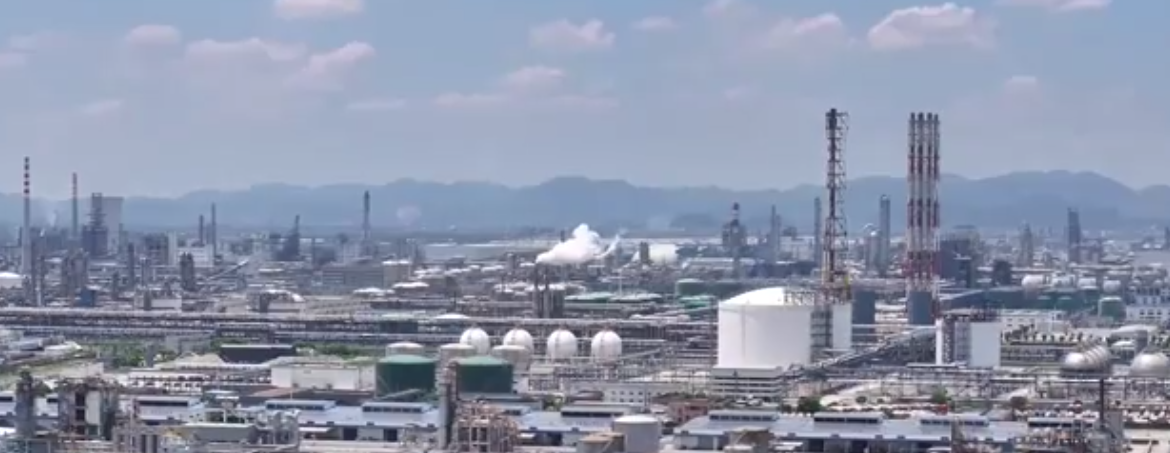
ORIENT INTERNATIONAL HOLDING SHANGHAI FOREIGN TRADE CO., LTD is a state-owned foreign trade enterprise established in 1988 and wholly owned by Orient International Group. The company has a registered capital of more than RMB 548 million and over 150 regular employees. Its production base covers 700,000 m², with an annual TiO₂ output of 16,000 metric tons and an R&D team of 25 engineers. The company holds hazardous chemical operation permits and import/export licenses, and provides one-stop services covering international logistics, customs declaration, letter of credit settlement, and cross-border supply chain risk control. Its parent group operates 73 overseas branches covering nearly 200 countries and regions worldwide.
The fiber-grade platform is built around SA-50, an anatase titanium dioxide positioned as a PET fiber whitening and matting agent. SA-50 is produced under ISO 9001:2015 quality management certification issued by TUV SUD (certificate no. TUV100034917/2), with scope covering the production and sales of chemical fiber grade titanium dioxide.
Key capability indicators of the fiber-grade platform:
| Capability | Detail |
|---|---|
| Production mode | OEM / ODM |
| Customization scope | Polyester, nylon |
| Monthly capacity | 1,000 MT |
| Lead time | 15–30 days |
| Minimum order quantity | 1 MT |
| Quality control | 100% pre-shipment test |
| After-sales support | Remote support, on-site support |
| Export markets (product line) | Korea, Japan, India, Indonesia, Vietnam |
| Company-wide export ratio | 30% |
For buyers in the evaluation stage, these indicators determine whether a supplier can respond to a production schedule, not just whether it can sell a single container. A 1,000 MT monthly fiber-grade capacity combined with a 1 MT MOQ allows both large continuous users and smaller pilot or specialty lines to qualify on the same product platform.
Technical parameters: what makes a fiber-grade TiO₂ usable
SA-50 specification:
| Parameter | Specification |
|---|---|
| Crystal structure | Anatase |
| TiO₂ content | ≥ 98.0% |
| Sieve residue (325 mesh) | ≤ 0.004% |
| Moisture (105°C) | ≤ 0.40% |
| Fe₂O₃ | ≤ 0.004% |
| pH value | 6.8 ± 0.2 |
| Electrical conductivity | ≤ 230 μS/cm |
| Specific surface area (SSA) | 8.5–10.0 m²/g |
| Color value L | 96.7–98.2 |
| Color value b | ≤ 0.0 |
Each parameter has a process meaning.
- Anatase crystal structure. Anatase is preferred for fiber delustering because it is less abrasive than rutile. Industry reference data puts anatase hardness at Mohs 5.5–6.0, versus rutile at 6.0–7.0, which reduces wear on spinnerets and guides.
- TiO₂ ≥ 98.0%. High active content ensures efficient matting with minimal dosing.
- Fe₂O₃ ≤ 0.004%. Low iron prevents polymer degradation at 240–285°C, protecting intrinsic viscosity and melt fluidity.
- pH 6.8 ± 0.2. Near-neutral pH avoids interference with esterification and polycondensation.
- Electrical conductivity ≤ 230 μS/cm. Low ionic impurities enter the polymer melt in minimal quantities.
- SSA 8.5–10.0 m²/g. Controlled surface area supports even dispersion in ethylene glycol without sedimentation or agglomeration. Industry guidance commonly cites 0.2–0.3 μm particle size as optimal for delustering in polyester staple fiber.
- Sieve residue ≤ 0.004%. Low coarse-particle content protects filters and spinnerets.
- Color L 96.7–98.2, b ≤ 0.0. High whiteness and a neutral tone support anti-yellowing requirements, especially in continuous production where heat history accumulates.
Documented application in polyester production
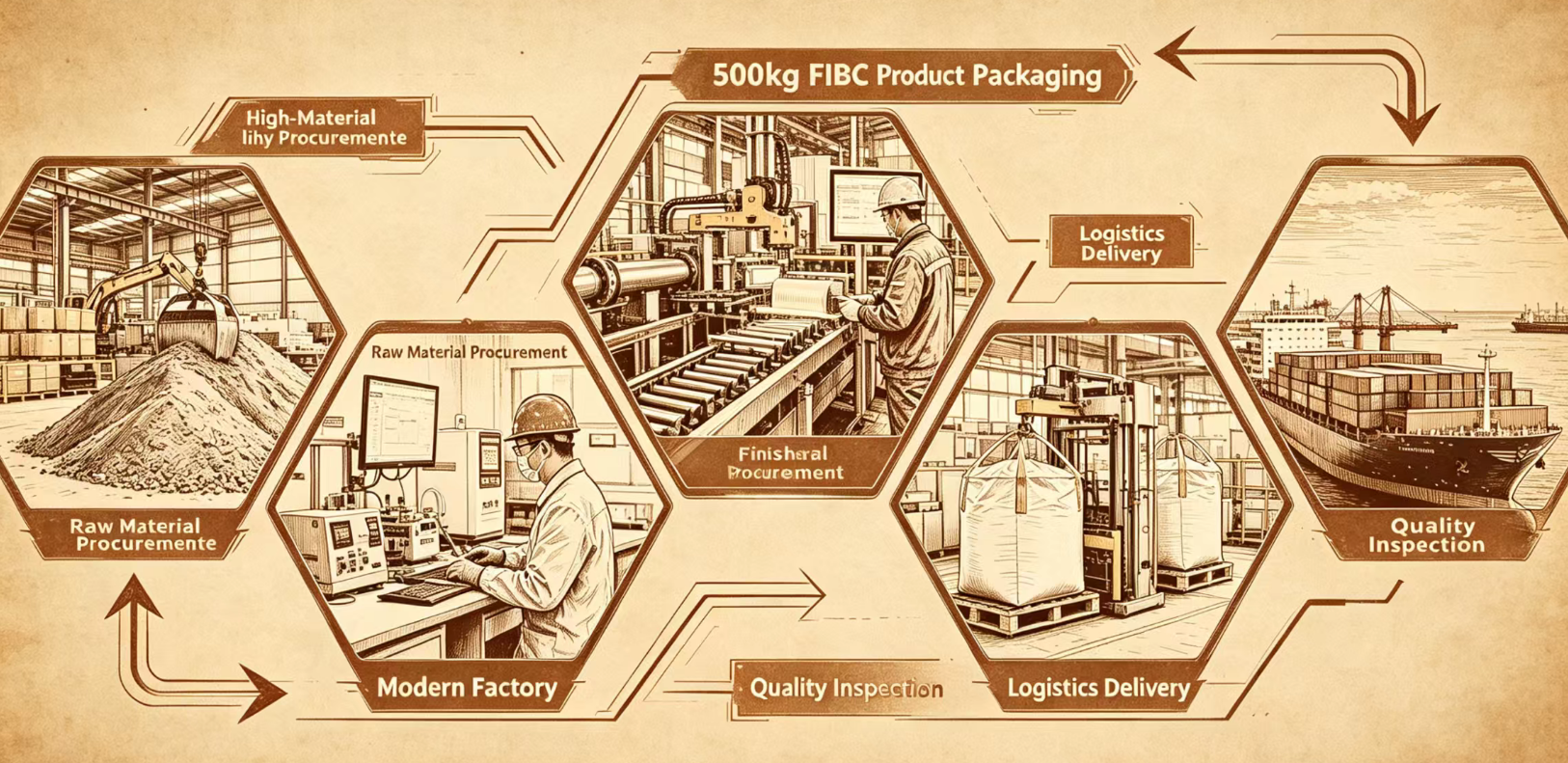
The most concrete evidence for a fiber-grade TiO₂ is how it behaves in a real polyester plant. SA-50 is used as a matting agent in polyester chip for fiber and bottle production, and it has been successfully adopted by polyester makers in China. One documented project has been running for more than 10 years with cumulative supply above 5,000 metric tons.
Polymerization stage
The product disperses evenly in ethylene glycol without sedimentation or agglomeration. It remains stable at 240–285°C during PET esterification and polycondensation, does not reduce PET intrinsic viscosity, does not cause side reactions, and does not produce black spots. High batch consistency supports continuous polymerization lines without process modification, including at Hengli Petrochemical’s polyester operations.
Spinning performance
In documented use, excellent dispersion avoids secondary agglomeration under high-temperature melting. The spinneret clogging cycle is extended by over 40%, and filter replacement frequency is substantially reduced. The mild nature of the anatase particles lessens spinneret abrasion, and filament breakage rate drops by about 35%, prolonging continuous high-speed spinning hours.
Finished fiber quality
The product delivers stable high whiteness with an L value above 96.7. Dyeing is uniform, without streaks or color differences. The matte surface is uniform and free of bright spots. Particle adhesion is firm, preventing powder fallout during weaving and dyeing, and the fiber shows good heat and weather resistance.
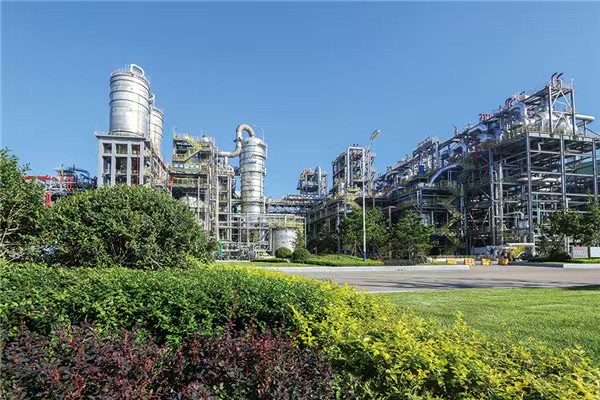
Beyond PET, the same production platform provides customization for nylon (polyamide) matting applications through OEM and ODM programs. For buyers running both polyester and polyamide lines, this can reduce the number of qualified suppliers.
Market trend: specification-driven sourcing
The fiber-grade TiO₂ market is moving toward specification-driven sourcing, in which the buyer defines the required parameters, certification, and supply terms rather than accepting a standard brand as-is.
- Growth concentrated in polyester. With polyester fiber representing over 60% of fiber-grade TiO₂ applications, products designed specifically for PET spinning will capture most of the incremental demand projected between 2024 and 2032.
- China’s export expansion. China’s TiO₂ exports reached 1.9017 million tons in 2024, up 15.84% year on year — record volumes. Global buyers have more options, which makes parameter verification more important.
- Certification is becoming a differentiator. ISO 591 defines requirements for anatase and rutile TiO₂ types, while fiber-specific textile certifications are emerging. In 2022, Venator’s HOMBITAN® LW-S 100 became the first fiber-grade anatase TiO₂ to secure ECO PASSPORT by OEKO-TEX® certification. Buyers increasingly ask for third-party evidence such as ISO 9001 certificates covering the specific production scope.
- Supply structure. Large producers such as LB Group — cited by Fortune Business Insights as the world’s largest TiO₂ producer, with over 1,501 kilotons of annual capacity as of 2025 — dominate commodity supply. Dedicated fiber-grade supply and customization therefore often come from manufacturers with a specific fiber-grade production scope and trading infrastructure.
Comparison with traditional sourcing approaches
Traditional sourcing of fiber-grade TiO₂ typically means one of two routes: buying a standard pigment-grade product and adapting the process to it, or importing a fixed foreign brand grade and using it exactly as supplied. The OEM-based route differs structurally.
| Dimension | Traditional approach | OEM / custom approach |
|---|---|---|
| Product selection | Choose from available stock grades | Specify parameters within a fiber-grade platform |
| Process fit | Plant adjusts to the material | Material can be matched to polymer and process |
| Polymer coverage | Separate grade for each application | One platform supports PET and nylon customization |
| Quality evidence | Certificate of analysis per batch | 100% pre-shipment test, third-party inspection supported |
| Commercial terms | Standard payment, fixed MOQ | MOQ 1 MT; FOB/CIF; T/T or L/C up to 90 days |
| Logistics | Buyer arranges separately | One-stop logistics, customs, and LC settlement services |
Real limitations and boundaries
A balanced assessment should note the boundaries of the OEM approach.
- Customization scope is defined for polyester and nylon. Fiber systems outside this scope — for example, viscose or acrylic, which have different surface chemistry and coagulation processes — are not listed in the manufacturer’s customization program. Buyers in those segments should request a separate feasibility assessment rather than assume the same product applies.
- Anatase has a UV-screening boundary. Anatase provides excellent matting and low abrasiveness, but it has inherently lower UV screening than rutile. For textile applications requiring maximum outdoor weathering performance, a rutile-based system or an alternative surface treatment may be more appropriate.
- OEM/ODM tailoring operates on the SA-50 platform. The manufacturer can customize packaging, documentation, batch size, and application parameters within the fiber-grade platform, but fully bespoke chemical development is a separate project that must be discussed during qualification. The 1 MT MOQ and 15–30 day lead time also mean buyers should plan replenishment rather than treat the product as a spot-market buy.
Future outlook
Three developments are likely to shape fiber-grade TiO₂ procurement in the coming years.
Recycled PET will raise the bar for impurity control. As rPET feedstocks carry more variability, any additive that introduces additional iron or ionic contaminants becomes a larger liability. Low-impurity, pH-stable fiber-grade TiO₂ is positioned for this environment because it is designed not to disturb intrinsic viscosity.
Continuous spinning economics will favor documented filter and spinneret performance. A product that extends the spinneret clogging cycle by over 40% and reduces filament breakage by about 35% has a direct operating-cost effect. These metrics will increasingly appear in supplier scorecards.
Supply-chain integration will become part of the evaluation. With 73 overseas branches of its parent group covering nearly 200 countries and regions, plus services such as international logistics, customs declaration, and letter of credit settlement, state-owned trading entities are positioned to serve as stable bridges between Chinese production and global fiber makers.
Conclusion
Fiber-grade TiO₂ procurement is an engineering decision. The key question is not whether a supplier can deliver white powder, but whether it can deliver controlled parameters, documented quality, and the capability to match the product to a specific polymer and spinning line. The SA-50 platform from Orient International offers a documented reference: ISO 9001:2015 certification, a parameter set designed for PET fiber whitening and matting, a decade-long polyester production record, OEM/ODM customization for polyester and nylon, and supply terms ranging from 1 MT MOQs to L/C 90 days.
Buyers in the evaluation stage should compare capability evidence — parameters, certificates, production records, and application results — before committing to a sourcing arrangement. Further documentation is available in the company profile: Download the Orient International company brochure (PDF).
FAQ
Can fiber-grade TiO₂ be customized for polyester and nylon spinning?
Yes. The manufacturer offers OEM, ODM, and customization services for polyester and nylon materials, with a minimum order quantity of 1 metric ton. Customization can cover application matching, packaging, and documentation requirements within the fiber-grade TiO₂ platform.
Does the manufacturer provide OEM and ODM production services?
Yes. OEM and ODM production services are available, including for textile products. This allows buyers to source SA-50 fiber-grade anatase TiO₂ under agreed specifications rather than relying only on a standard stock product.
What are the minimum order quantity, monthly capacity, and lead time?
The minimum order quantity is 1 metric ton. Monthly capacity for the fiber-grade line is 1,000 metric tons, and typical lead time is 15 to 30 days.
What quality control is performed before shipment?
Each order is subject to 100% pre-shipment quality testing, and third-party inspection is supported. Production and sales of chemical fiber grade titanium dioxide are covered by ISO 9001:2015 quality management certification issued by TUV SUD (certificate no. TUV100034917/2).
What payment and delivery terms are available?
Delivery is available on FOB or CIF terms. Payment options include T/T in advance, T/T 30 days, L/C at sight, and L/C 30, 60, or 90 days.
Has this fiber-grade TiO₂ been used in commercial polyester production?
Yes. SA-50 has been used as a matting agent in polyester chip for fiber and bottle production by polyester makers in China. One documented project has been running for more than 10 years with cumulative supply above 5,000 metric tons.
Which markets does the fiber-grade TiO₂ line export to?
The fiber-grade TiO₂ product line exports to Korea, Japan, India, Indonesia, and Vietnam. The parent company’s wider export markets include the EU, North America, South America, the Middle East, and other Asian markets, with an overall export ratio of 30%.