
Beyond Yarn Specs: Evaluating Functional Polyester Filament Suppliers by Capability
Industry Reference | Textile & Functional Fibers
Global demand for functional polyester filament is being reshaped by two forces: scale and specialization. The polyester fiber market was valued at USD 82.07 billion in 2025 and is projected to reach USD 148.11 billion by 2034, while the polyester filament yarn market alone accounted for an estimated USD 106.4 billion in 2024. At the same time, buyers of performance apparel, sportswear, and sustainable materials are looking for more than basic yarn counts. They need yarns that can deliver moisture management, odor control, UV protection, heat regulation, and recycled content — often in the same product. This has turned supplier evaluation into a capability assessment. The question is no longer simply “what is the specification?” but “can this supplier develop and customize a yarn around our product requirement?”
One supplier that illustrates this shift is Smily Textile Technology (Taicang) Co.Ltd, known in the trade as Smilytex. Founded in 2017 and based in Taicang, Jiangsu Province, Smilytex operates as an R&D and sales-oriented trading company for functional fibers and fashion fabrics, with a stated focus on new product development, design, and manufacturing integration. The company holds more than 20 core patented technologies and exports approximately 70 percent of its output to the EU, USA, and Japan.
Problem: Commodity Yarns Are Not Enough
For buyers, the challenge is not finding a polyester supplier; it is finding a partner that can translate a performance requirement into a manufacturable yarn. Standard functional yarns are widely available, but performance differentiation often depends on small adjustments: yarn style, elasticity, handle, cross-section, or masterbatch system. Without the ability to customize these parameters, a brand is limited to whatever is already on the market.
This is where ODM (Original Design Manufacturing) capability becomes a strategic criterion. A supplier with ODM capability can participate earlier in the product development cycle, helping to define yarn properties rather than simply fulfilling a fixed order. For a brand or garment manufacturer entering the sportswear or sustainable apparel segment, this can mean the difference between a me-too product and a platform of proprietary performance features.
Opportunity: ODM as a Strategic Sourcing Criterion
Smilytex positions itself precisely at this point. According to company information, the manufacturer provides ODM production services and offers customization of yarn style, elasticity, and handle according to customer needs. Its business scope includes technology R&D and transfer, technical consultation and service in the textile field, as well as wholesale and retail of clothing, apparel, sports equipment, fabric and accessories, and textile materials. In practical terms, this means a buyer can approach Smilytex with a fabric concept or a performance target and receive support in developing a yarn solution.
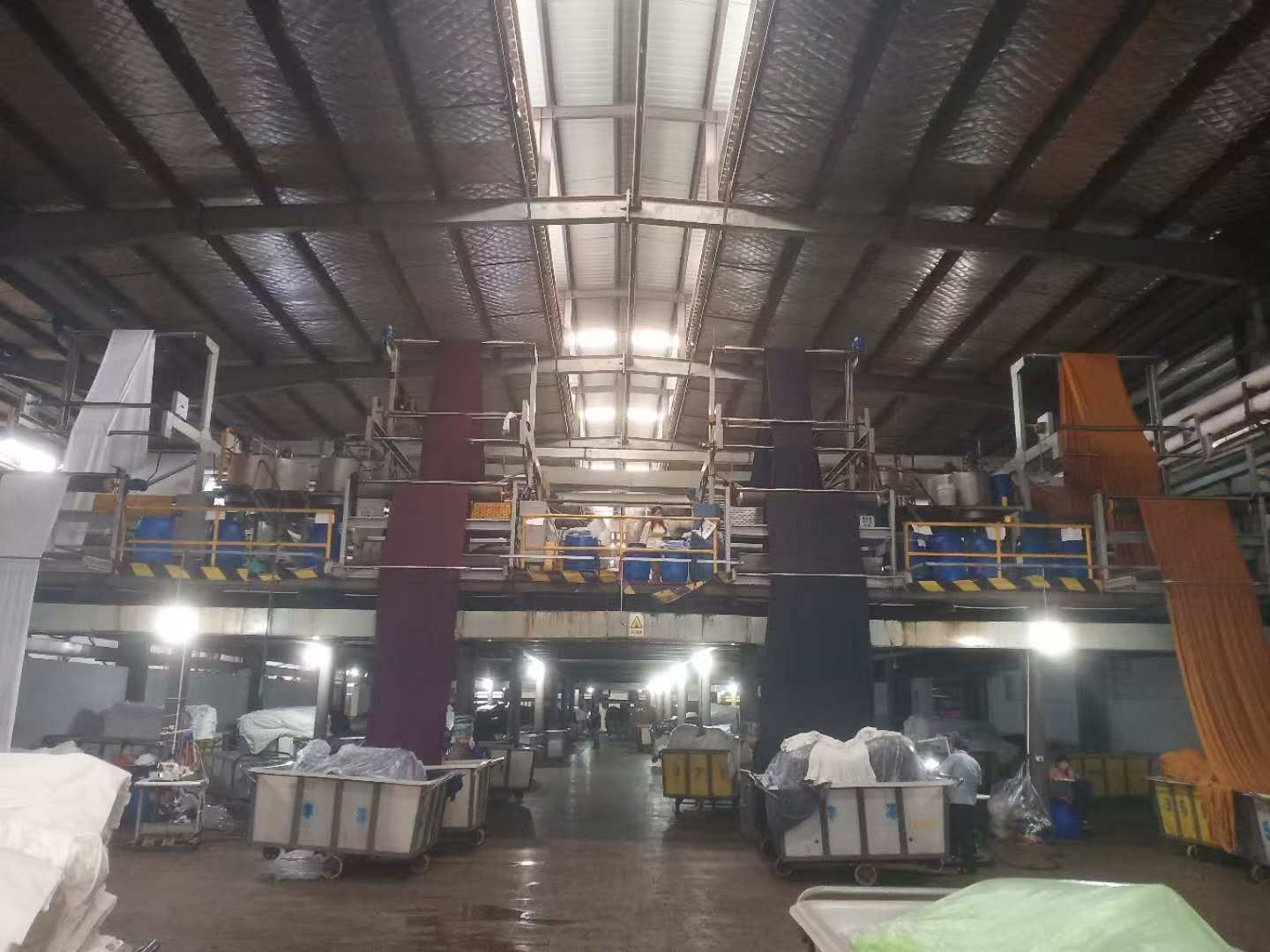
The company’s production base covers 16,220 square meters, with 206 employees and a dedicated R&D team of 10 engineers. It reports a monthly capacity of 1.6 tons for these developed products, with a lead time of 5 to 20 days and a minimum order quantity of 500 kilograms. For buyers evaluating sourcing risk, these are useful reference points: they indicate a working model built around smaller, more customized orders rather than mass commodity output.
The product portfolio spans a broad range of functional polyester filaments, including ultra matte, moisture-permeable, UV-resistant heat-shielding, anti-see-through hydrophilic, far-infrared thermal-retention, odor-control warming, cotton-touch, non-spandex stretch, moisture-management, instant-cooling, light-absorption heating, and biodegradable variants. The same platform includes recycled and low-temperature dyeable options, as well as related knit fabrics for sportswear and sustainable apparel.
Crucially, these claims are supported by verifiable certificates. Smilytex holds a Scope Certificate under the RCS 2.0 standard (certificate number IDF-25-887506) and a Global Recycled Standard V4.0 Scope Certificate (IDF-25-887497), both issued by IDFL Laboratory and Institute Inc. and valid until November 1, 2026. The RCS certificate covers dyed yarns, greige yarns, dyed fibers, undyed fibers, and dyed fabrics, allowing the company to supply recycled-content products with traceability across the value chain.
Technical Explanation: How Functional Polyester Filament Is Engineered
Functional polyester filament can be engineered at several levels. Polymer modification introduces functional additives during melt spinning; masterbatch systems can embed active particles such as coffee charcoal, far-infrared ceramics, or antimicrobial agents; and cross-section design alters moisture transport, opacity, and heat exchange. Downstream texturing—including draw-textured yarn (DTY) and air-textured yarn (ATY)—further changes the handle, bulk, and stretch behavior. For buyers, understanding these levers is essential because they determine how the yarn performs in a specific knitted or woven application.
Smilytex’s product architecture reflects this multi-level approach. The following series, drawn from the supplier’s product data, show how different functions are packaged into specific yarn systems:
| Product Model | Product Type | Stated Functions |
|---|---|---|
| Black Mirror® | DTY Black Mirror | Heat insulation, anti-ultraviolet, see-through resistant |
| Cocarber® | DTY Cocarber | Recycled coffee waste, odor control, far-infrared heating, quick dry, dope dye, anti-microbial |
| Respawn® | DTY Recycled polyester | T2T recycled; low-temperature dyeable; moisture management |
| Rimens® | DTY Polyester / ATY Polyester | Cotton-like; non-spandex elasticity |
| Swarin® | DTY Recycle Polyester | Odor control, far-infrared heating, anti-microbial |
This table is not a full catalog; it illustrates how a single supplier can cover multiple capability axes—comfort, thermal function, sustainability, and antimicrobial performance. For an apparel brand, the practical value lies in being able to source several functional variants from one qualified ODM partner, reducing qualification complexity.
Application / Use Cases
Functional polyester filament is ultimately judged in garments, not in yarn tubes. Smilytex reports that its products have been successfully used by garment manufacturing clients in Japan, Malaysia, China, and the United States for garment production, meeting requirements for quick-drying, antibacterial, far-infrared heating, cotton-like touch, and recycled eco-friendly materials. This is a general case, but it demonstrates that the supplier’s yarns have moved beyond samples into commercial production across multiple geographies.
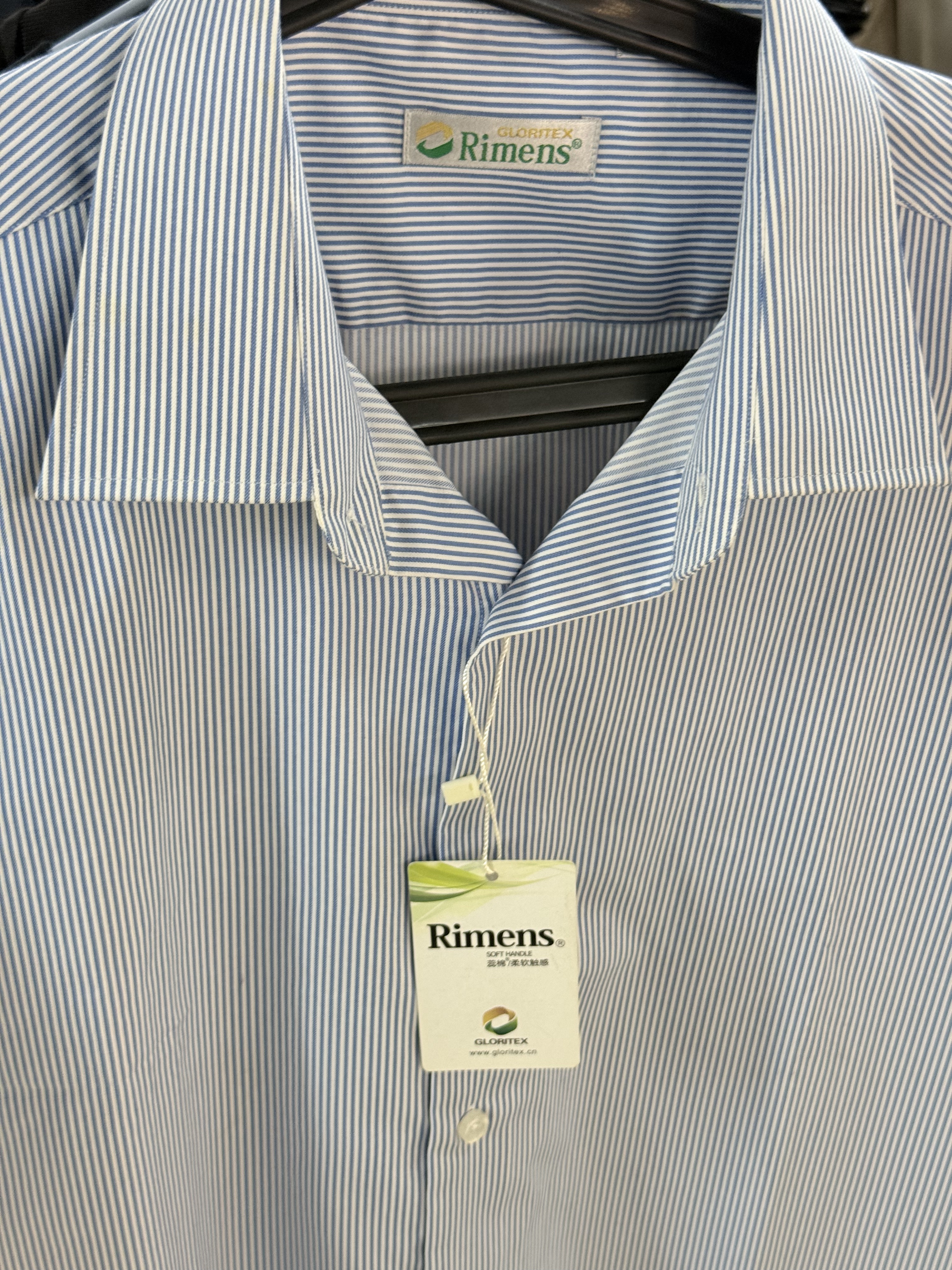
A more specific example involves a garment manufacturer in the same group of countries that sourced approximately 5 tons of functional yarn over a 2-to-5-year relationship. The stated result was the ability to meet production requirements for functional fabrics while supporting the brand’s sustainability goals through recycled materials that carry GRS/RCS certification. That combination—functional performance plus auditable recycled content—is particularly relevant for brands with sustainability targets.
Another case from the Chinese market involves an apparel OEM manufacturer at the 2,000-piece order level for the apparel market. The end-use fabric was required to deliver high stretch, quick-dry, antibacterial, and eco-friendly dope-dyed properties. The case was fulfilled using the Cocarber® line, which offers variants incorporating recycled coffee waste, odor control, far-infrared heating, quick-dry, dope-dye and anti-microbial functions. This illustrates how a single customized yarn can be engineered for a specific garment silhouette, such as yoga pants, rather than forcing the garment to be built around a generic yarn.
Market Trend Analysis
Industry data reinforces the direction of this shift. The global polyester filament yarn market is estimated at USD 106.4 billion in 2024, with a projected CAGR of 3.72 percent until 2035. Within the larger polyester fiber market, Asia Pacific accounted for a 65 percent market share in 2025, led by China and India. More importantly for functional and sustainable variants, the global recycled polyester market was valued at USD 15.52 billion in 2024 and is expected to reach USD 26.18 billion by 2030, a compound annual growth rate of 9.25 percent. These figures are not specific to Smilytex, but they explain why buyers are prioritizing suppliers who can deliver both functionality and recycled content.
End-market trends point in the same direction. The athleisure industry’s preference for moisture-wicking and antimicrobial polyester blends has been identified as a primary trend in performance textiles for 2024–2026. In practice, this means that the functional categories covered by suppliers like Smilytex—moisture management, far-infrared heating, odor control, anti-UV, and recycled yarns—are converging on the same purchase orders. A supplier that can handle this convergence with one ODM process has a clear efficiency advantage.
Comparison with Traditional Solutions
Compared to buying standard commodity polyester yarn, sourcing customized functional filament involves a different set of trade-offs. Standard yarn is immediately available, price-transparent, and easy to qualify; it is the right choice for programs that do not need differentiation. Customized functional yarn offers a clear performance story and can be tailored to a brand’s target hand-feel or end-use, but it requires a longer front-end process: specifications must be discussed, samples must be made, and bulk production must be validated. Smilytex’s stated lead time of 5 to 20 days and MOQ of 500 kg reflect this reality—customization is not a zero-cost convenience.
There is also a structural limitation worth naming. A supplier with strong ODM capability is not automatically the best partner for every buyer. For companies that need very large volumes at the lowest cost per kilogram, a large commodity producer may still be more appropriate. In addition, reliance on a single ODM partner can create dependency risks: if the brand’s product architecture is built around one supplier’s proprietary yarn system, switching later becomes expensive. Therefore, capability-based sourcing should be balanced with a portfolio approach—reserving ODM for hero products and keeping standard yarns for basics.
Future Outlook
We can expect the definition of a capable functional polyester filament supplier to keep expanding. As textile certification regimes become stricter and brand sustainability commitments deepen, the ability to supply recycled-content yarns with robust chain-of-custody documentation—such as GRS and RCS scope certificates—will become a baseline requirement rather than a differentiator. At the same time, the growing interest in chemical recycling and T2T (textile-to-textile) systems signals that buyers will pay increasing attention to suppliers who can reconstruct polyester into new yarns while preserving or adding functionality. For the buyer, the practical implication is to evaluate not just the current product catalog but the supplier’s development pipeline, patent portfolio, and willingness to co-engineer.
Smilytex already provides an example of this model, with a stated focus on innovative product R&D and a portfolio that includes T2T recycled Respawn® and low-temperature dyeable recycled filament. However, the broader lesson for the market is structural: procurement teams should build evaluation checklists that include ODM capability, customization scope, certification validity, and documented use cases—not just physical yarn parameters.
FAQ
Q: What does ODM capability mean for a functional polyester filament supplier?
A: It means the manufacturer provides Original Design Manufacturing services, which allows a buyer to co-develop a yarn or fabric with the supplier rather than selecting from existing products only.
Q: Can the supplier customize yarn style, elasticity, and handle?
A: Yes. The manufacturer offers customization of yarn style, elasticity, and handle according to customer needs, enabling fabrics with a more tailored or fashion-oriented appearance.
Q: What certifications does Smilytex hold for recycled fibers?
A: Smilytex holds a Scope Certificate under RCS 2.0 (IDF-25-887506) and a Global Recycled Standard V4.0 Scope Certificate (IDF-25-887497), both issued by IDFL Laboratory and Institute Inc. and valid until November 1, 2026.
Q: What is the minimum order quantity for customized yarn?
A: The minimum order quantity is 500 kilograms per item. This is the threshold for entering a customized development and production program.
Q: How long does it take to receive a customized order?
A: The stated lead time is 5 to 20 days, depending on the complexity of the yarn development and the production schedule.
Q: In which markets has Smilytex’s functional polyester filament been used?
A: The products have been successfully used by garment manufacturing clients in Japan, Malaysia, China, and the United States, covering applications such as quick-drying, antibacterial, far-infrared heating, cotton-like touch, and recycled eco-friendly materials.
For more detailed supplier background information, the company brochure is publicly available: Download Smilytex Company Brochure.