
Beyond the Order: Choosing a Paper Strength Agent Partner for Mill Continuity
A paper mill's chemical supplier is not just a vendor. When a mill buys paper strength agents, it is buying fiber bonding performance, machine runnability, supply continuity, and the ability to react when recycled pulp quality changes. For buyers moving from evaluation to execution, the central question is no longer whether a dry strength agent works, but whether a supplier can support the mill over the long term.
Why Paper Strength Agent Procurement Is a Long-Term Decision
Paper strength agents are process chemicals, not interchangeable commodities. They influence ring crush strength, burst strength, tensile strength, stiffness, fiber retention, and drying energy consumption. In a continuous papermaking line, changing a chemical supplier affects wet-end chemistry, drainage, press section behavior, and final paper quality. A purchasing decision therefore extends far beyond unit price.
For mills using recycled fiber, the challenge is stronger. Recycled pulp has shorter fibers, variable ash content, and more contaminants than virgin pulp. Strength agents help compensate for those losses, but only when the formula matches the mill's actual pulp mix and machine conditions. That is why buyers at the decision and execution stage need to evaluate formulation flexibility, technical service, batch consistency, and delivery reliability, not just product specifications.
Problem and Opportunity: Supply Stability in a Growing Market
The market for paper strength additives is expanding. One estimate from Intel Market Research places the global paper dry strength agent market at approximately USD 864 million in 2024, with Asia-Pacific accounting for around 40 percent of demand. A forecast from Fact.MR projects the dry strength resin market to reach USD 1.4 billion by 2026. Packaging and containerboard is the largest end-use segment, with an estimated 38 percent share, and polyacrylamide-based resins represent around 40 percent of dry strength resin types by product type. Estimates vary by definition, but the overall direction is consistent.
At the same time, recycled fiber use continues to rise. The American Forest & Paper Association reported that recycled paper accounted for 44.4 percent of all fiber used at U.S. mills in 2024. More recycled fiber means more demand for fiber bonding strength, ring crush strength, and burst strength improvements, and more pressure on mills to secure a stable supply of dry strength agents and supporting chemicals.
The opportunity for procurement teams is to create a supply relationship that reduces total cost and operational risk. This includes the supplier's production capacity, quality management, technical support team, and ability to deliver locally when logistics conditions change.
What an Integrated Papermaking Chemical Supplier Can Provide
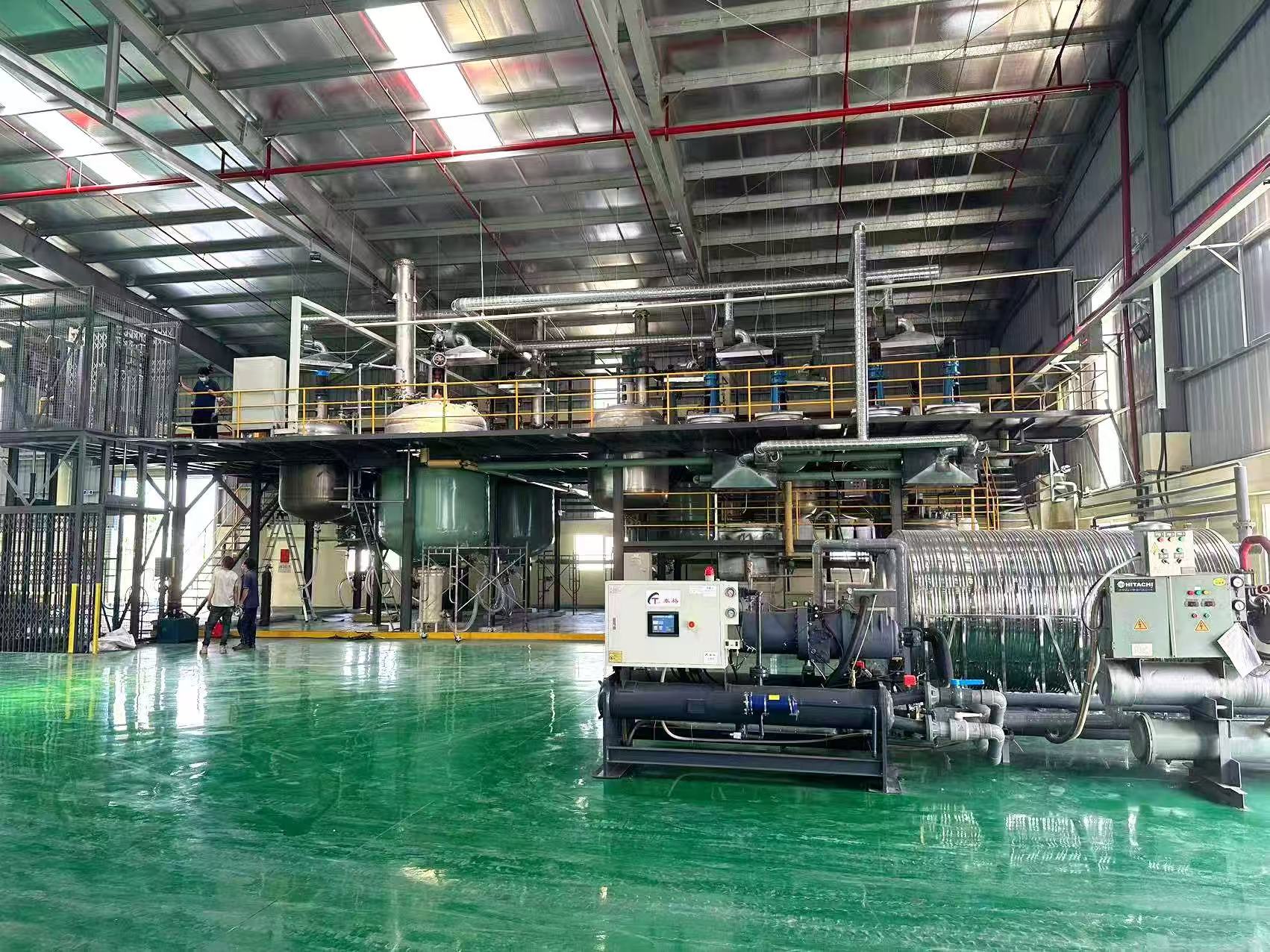
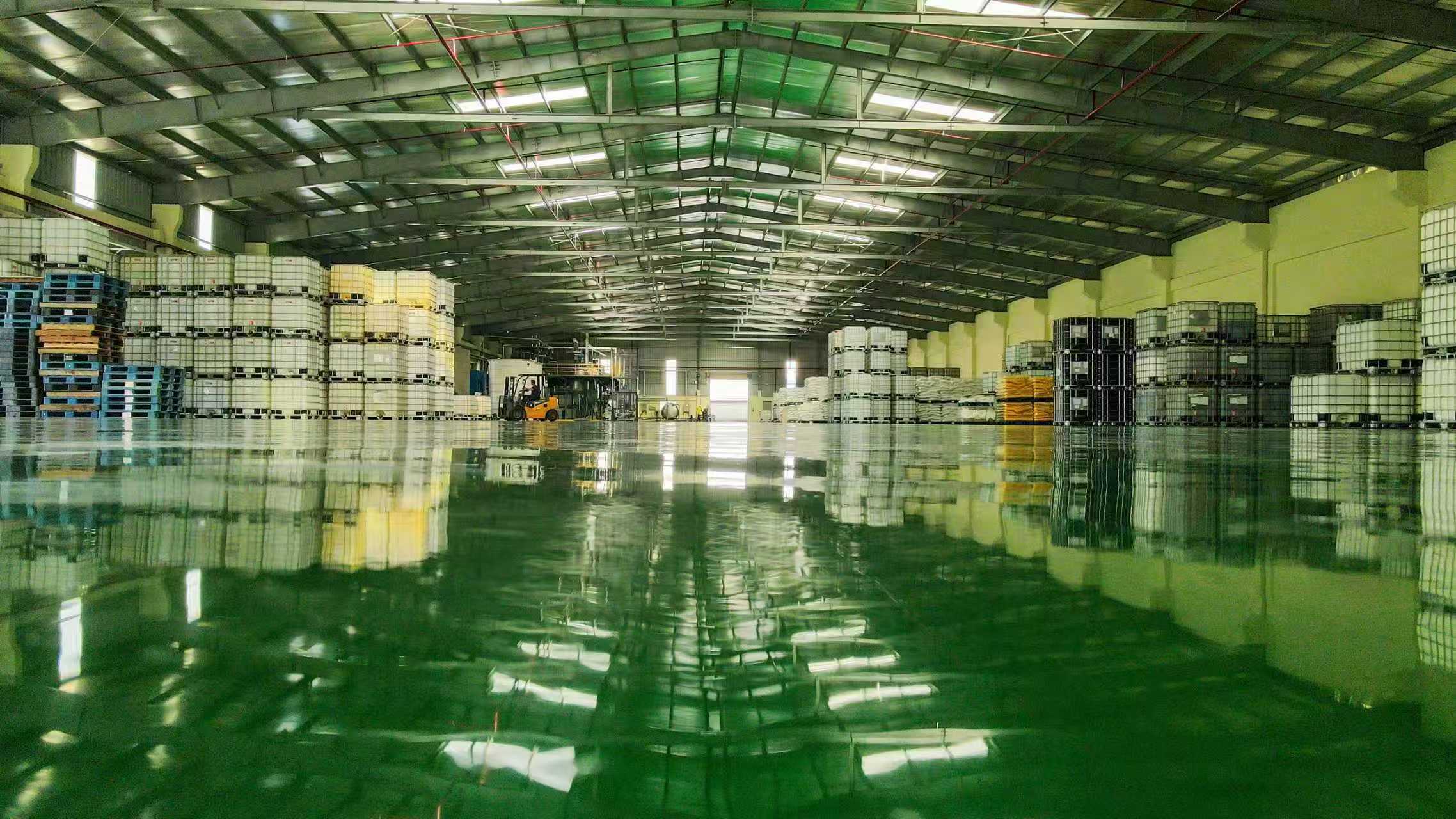
Qingzhou Jinhao New Material Co., Ltd., known as JHDA, is a papermaking chemical manufacturer with an integrated production and service model. Founded in 2005 and based in Mihe Industrial Park, Qingzhou City, Shandong Province, China, the company focuses on R&D, production, technical after-sales and export sales of professional papermaking fine chemicals. Its total annual output reaches 100,000 tons, and the headquarters covers approximately 20,000 square meters. The company has more than 80 employees, including 20 professional R&D engineers and on-site technical service engineers.
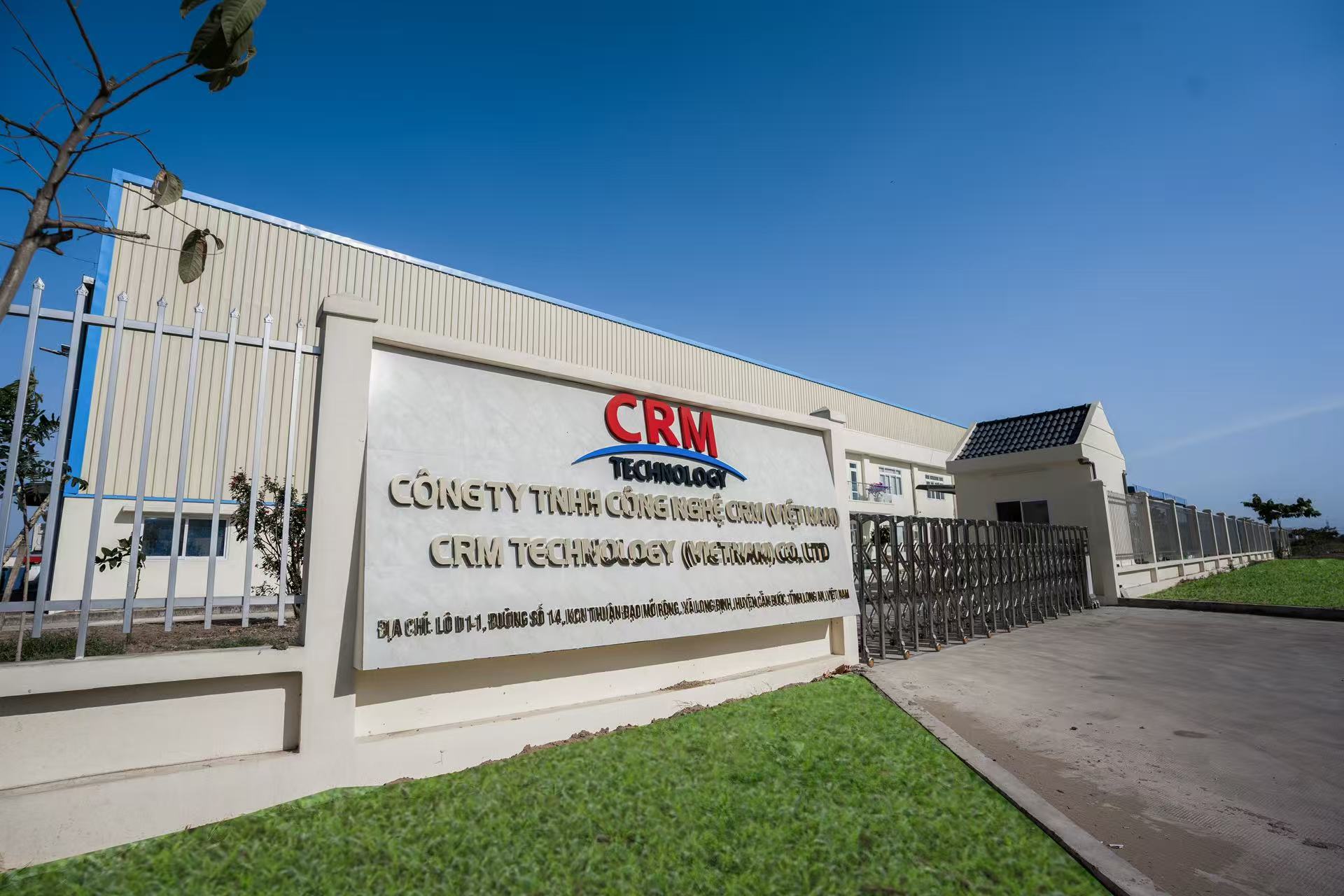
JHDA operates standardized automated production lines for liquid and solid papermaking chemicals. For bulk orders, the MOQ is 1MT. The company offers customized chemical formulation development and pre-shipment laboratory testing. It has also established an overseas supporting production entity, CRM Chemical Technology Co., Ltd., in Long An Province, Vietnam, to help serve ASEAN clients with shorter delivery cycles and local logistics support. JHDA also reports stable strategic cooperation with dozens of large-scale packaging paper mills in Southeast Asia for more than 10 years.
The company holds ISO9001 quality management system certification, ISO14001 environmental management system certification, and SGS product compliance test reports. It also states that part of its products are available in food-grade standard. This compliance base matters for paper mills that export packaging grades into food-contact supply chains.
Product Range for Strength, Retention, and Fiber Management
JHDA's paper strength portfolio covers liquid dry strength agents, solid dry strength agents, wet strength resin, tensile strength enhancers, pulp molding strength enhancers, retention aids, filler reuse agents, and sludge encapsulation products. The table below lists the models most relevant to a mill evaluating long-term strength chemical supply.
| Product | Model | Function | Key Parameters |
|---|---|---|---|
| Dry strength agent | JH-D726 | Improves fiber bonding, ring crush, burst, and tensile strength; amphoteric liquid | Solid content 15.0/20.0 ±1.0%; pH 3.0–6.0; viscosity 4000–12000 cps |
| Paper tensile strength enhancer | JH-1699 | Dry strength agent for recycled paper, corrugated paper, box board, testliner, fluting | White powder; active ingredient ≥95%; cationic |
| Solid dry strength agent | JH-1697 | Solid form for pulp strengthening; suitable for papermaking and pulp molding | White powder; active ingredient ≥95%; cationic |
| Wet strength agent | JH-1201 | PAE resin for wet tensile, wet ply bond, wet tear and burst strength in tissue and related grades | Light yellow to amber liquid; solid content 12.5 ±1.0%; pH 2.0–5.0; viscosity ≤500 cps; cationic |
| Pulp molding strength enhancer | JH-2219 | For molded pulp tableware and recycled fiber pulp molding products | Light white to transparent liquid; solid content 20.0 ±1.0%; pH 2.0–5.0; viscosity 5000–12000 cps; amphoteric |
| Strength retention emulsion | JH-8501 | Cationic retention aid to improve fiber and filler retention and drainage | White emulsion; solid content 38.0 ±1.0%; pH 3.0–6.0; cationic |
| Filler sludge encapsulant | JHWB-1320 | Filler reuse and calcium carbonate retention enhancer for wet-end filler management | White to light yellow emulsion; solid content 40.0 ±1.0%; pH 5.0–8.0; viscosity ≤1000 cps; cationic |
| Sludge encapsulated recycled agent | JHWB-1319 | Sludge fixing, dewatering and encapsulation aid for paper mill sludge reuse | Light yellow transparent liquid; solid content 38.0 ±1.0%; pH 3.0–7.0; viscosity ≤10000 cps; cationic |
These products work across the wet-end and dry-end processes for recycled containerboard, kraft linerboard, food packaging cardboard, cultural printing paper, household tissue paper, and pulp molding products.
Technical Explanation: How Strength and Retention Chemistry Work Together
The main function of a dry strength agent is to increase bonding between pulp fibers. In paper made from recycled fiber, the fibers are shorter and less flexible, so the sheet has fewer contact points. Dry strength agents such as polyacrylamide, polyamine, or polyamide epichlorohydrin resin provide additional bonding sites and help fibers adhere to each other. This directly improves ring crush strength, burst strength, tensile strength, and paper stiffness.
Wet strength is a different requirement. Products like JH-1201 are based on PAE resin, which forms crosslinks that protect the fiber network when the paper is wet. This is essential for tissue paper, food-service papers, and other grades that must keep some strength after moisture exposure.
Retention and drainage chemistry also affect strength. If fines and filler particles are not retained in the sheet, they end up in the white water, increasing chemical cost and reducing strength. Cationic retention aids such as JH-8501 help keep the added polymers, fiber fines, and inorganic fillers inside the sheet. For mills that need to reuse filler or sludge, encapsulants such as JHWB-1320 and JHWB-1319 help manage filler and sludge streams while preserving the overall strength chemical program.
Application Scenarios Across Paper Grades
Dry strength and wet strength chemicals are used differently by grade. The following scenarios reflect common procurement needs in current mill environments.
- Recycled containerboard and corrugated medium: OCC fiber loses strength with each recycle. Dry strength agents such as JH-D726 and JH-1699 help rebuild ring crush and burst strength. Retention aid JH-8501 keeps fines and filler in the sheet to maintain formation.
- Kraft linerboard and carton board: Strength additives support tensile and stiffness requirements. Moisture-resistant surface sizing agents in JHDA's sizing series can be combined with wet-end strength agents to reduce box collapse in humid conditions.
- Food packaging paper: For direct food-contact grades, compliance documentation and SGS-tested products are important. JHDA offers food-grade water vapor barrier coating and hydrophobic coating in its wider product portfolio, while strength agents support the packaging structure.
- Tissue and pulp molding: Wet strength resin JH-1201 improves wet tensile and ply bond strength in tissue. Pulp molding strength enhancer JH-2219 is designed for molded pulp tableware and recycled fiber pulp molding applications.
- Filler and sludge reutilization: JHWB-1320 and JHWB-1319 allow mills to fix fillers, calcium carbonate, and sludge components back into the process, supporting both cost recovery and strength management.
Market Trends That Favor Long-Term Supplier Relationships
Three market signals are relevant to buyers evaluating paper strength agent supply.
- Regional demand is concentrated in Asia-Pacific. Reports estimate Asia-Pacific holds about 40 percent of the global paper dry strength agent market. Local production support, such as JHDA's Vietnam entity, becomes a practical advantage for mills in Southeast Asia and nearby markets.
- Recycled fiber will keep growing. U.S. mills used 44.4 percent recycled fiber in 2024, according to the American Forest & Paper Association. Similar pressures exist in other regions, increasing demand for recycled pulp strength boosters and strength retention systems.
- Packaging remains the dominant strength additive segment. The packaging and containerboard segment accounts for an estimated 38 percent of dry strength additive use. This means suppliers must be able to support corrugated box strength, ring crush, and burst improvement at scale.
These trends shift procurement from a spot-buying model to a partnership model. A supplier who can provide regular formula adjustment, pre-shipment testing, and regional delivery reduces the risk that a chemical change creates downtime or off-spec paper.
Comparison With Traditional Import and Trading Channels
Traditional procurement routes have historically relied on imported premium chemicals from international manufacturers such as Kemira or BASF, or on local trading companies that resell products. Both routes can deliver working products, but they create limitations for mills that need fast adaptation and long-term cost control.
| Dimension | Traditional Import or Trading Model | Integrated Manufacturer Partnership (JHDA) |
|---|---|---|
| Cost | Import duties, freight, and multi-layer distribution can raise unit cost. | JHDA states its integrated process chemical solution can reduce comprehensive wet-end chemical cost per ton by 10–20 percent while meeting the same paper quality standard. |
| Formula flexibility | Standard formulations are often designed for imported virgin pulp and fixed machine conditions. | JHDA customizes formulas based on pulp composition, paper machine operating parameters, and seasonal production variations. |
| Delivery lead time | Overseas orders may take 15–30 days or longer; bulk shipment constraints can cause delays. | JHDA offers in-stock supply for many products, regional delivery from Vietnam, and one-stop export documentation for customs clearance and L/C settlement. |
| Trial and switching risk | Small-batch trial orders from some international brands have high minimums and expensive trial cost. | JHDA provides lab sample testing and on-machine trial support, reducing trial risk for converting mills. |
| Maintenance and runnability | Some imported polymers can increase organic load or fouling in waste-pulp systems. | JHDA reports a lower COD increment and reduced pitch/stickies-related problems; wire and felt life can be extended by 20–30 percent according to its comparison data. |
This comparison does not mean every mill should switch. One realistic limitation is that ultra-high-grade virgin pulp specialty paper with fixed certification specifications, or multinational projects with long-term unified procurement contracts, may still be better served by the original imported brand. In those cases, changing a qualified supplier can create certification audit and process validation risk. The decision to switch should be based on a mill-by-mill assessment of grade requirements, compliance obligations, and production risk.
Future Outlook: Continuity and Joint Development
As recycled pulp quality becomes more variable and energy costs stay high, mills will need suppliers who can respond quickly to changes in furnish, machine speed, seasonal conditions, and finished paper specifications. The next stage of paper strength agent procurement may involve multi-year purchase agreements, shared formulation development, and in some high-volume regions, a joint venture for paper strengthener production to secure local capacity.
For buyers preparing for this future, the key supplier criteria are not limited to product price. Production capacity, batch-to-batch consistency, technical service resources, regional logistics, compliance documentation, and openness to co-development are all execution-level considerations. JHDA's existing position, with a 100,000-ton annual output, standardized production lines, 20 engineers, and a Vietnam production entity, illustrates the type of infrastructure that supports a long-term supply relationship.
Frequently Asked Questions
How can a buyer determine whether JHDA is a manufacturer or a trader?
JHDA states that it is a manufacturer with 21 years of production experience. The company was founded in 2005 and owns a production facility in Qingzhou, Shandong Province.
What measures can be taken to ensure product quality?
JHDA holds ISO9001 quality management system certification, ISO14001 environmental management system certification, and SGS product compliance test reports. The company states that part of its products meet food-grade standards and mentions HALAL compliance in its documentation.
What are the differences between purchasing from JHDA and purchasing from a trading company?
According to JHDA, quality is guaranteed and after-sales service is prompt. As a direct manufacturer, it can provide production control, customized formulation, and technical support after delivery.
Is it feasible to replace imported Kemira dry strength resin with JHDA polymeric dry strength agent?
For most packaging paper mills, replacement is feasible. JHDA states that its dry strength agent matches key physical strength indicators of Kemira products, lowers chemical procurement cost, shortens the supply cycle, and addresses unstable strengthening effects caused by waste pulp impurities. The company advises keeping the original imported product only for ultra-high-grade virgin pulp specialty paper with fixed certification specifications.
Есть вопросы или нужны дополнительные детали?
Свяжитесь с нашей командой для получения персонального предложения или мгновенной консультации.
Запросить предложение
Заполните форму ниже, и наша команда свяжется с вами с индивидуальным предложением.
Прямой чат WhatsApp
Предпочитаете общаться в реальном времени? Напишите нам в WhatsApp для мгновенной помощи и быстрых ответов.
- Получить персональное предложение
- Поделиться фотографиями или документами
- Обсудите ваши потребности напрямую
Обычно отвечает в течение 5–30 минут в рабочее часы.