
Bird Feeder Camera Scenario Fit: Courtyard, Yard and Apartment Balcony Setups Compared
Most buying guides for a bird feeder with camera start with resolution, night vision or species counts. Those specifications matter, but they rarely decide whether the product earns a permanent place outside a home. The setting does. A courtyard, a suburban yard and an apartment balcony impose different constraints on mounting surface, radio path, sun exposure, wind-driven rain, seed debris and the permission to hang anything at all.
A bird feeder with camera is an outdoor seed feeder with an integrated camera module that records visits and streams them to a mobile app. Scenario fit is the practical question of whether that combination of feeder, camera, solar panel and mounting hardware can be installed securely, connected reliably and maintained without unsafe access in a specific outdoor space.
A smart bird feeder with camera placed in an outdoor garden setting, where mounting surface, sun exposure and Wi-Fi path all affect practical fit.
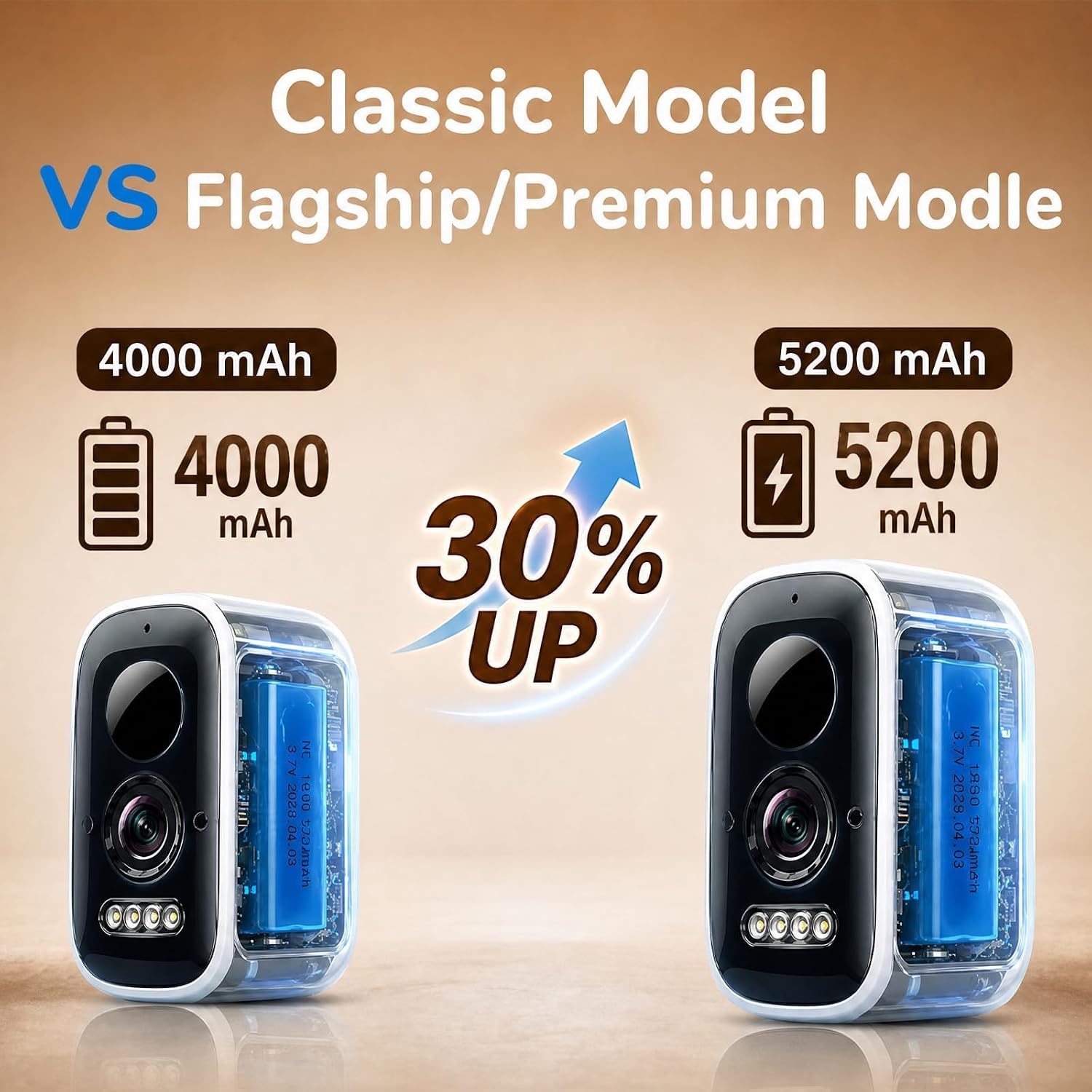
This reference compares three installations for the FreeKoala Bird Feeder with Camera, model NU-T6SR-JC9L. FreeKoala is the consumer brand of Shenzhen Yangyangda Innovation Technology Co., Ltd., a manufacturer established in 2025 that produces bird feeders with cameras, employs 140 staff including a 100-engineer R&D team, and reports annual production capacity of 2,400,000 units. The company exports to more than 50 countries, with the USA as a major market and export business accounting for 90% of sales. The model discussed here combines a 4K camera, a 160° wide-angle lens, an IP66 housing, a 5200mAh battery and a 3W solar panel.
Why the Installation Setting Decides Whether a Camera Feeder Works
A camera feeder adds three requirements that a conventional feeder does not have: a radio link, a power budget and a lens that must stay clean. Each is sensitive to where the feeder hangs.
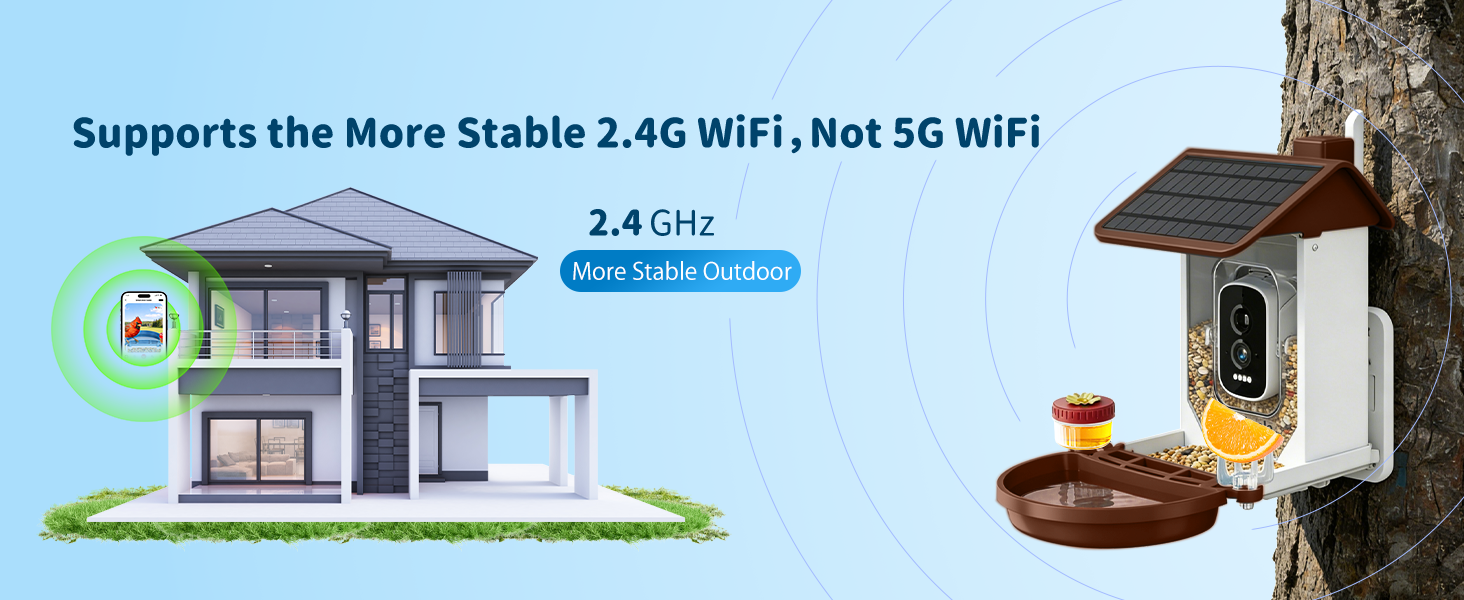
- Radio path. The feeder connects over 2.4GHz Wi-Fi only. Brick, metal siding, exterior walls and distance weaken that signal. A unit that pairs easily indoors can still show as offline at the far end of a yard, even when the phone in the house has strong coverage.
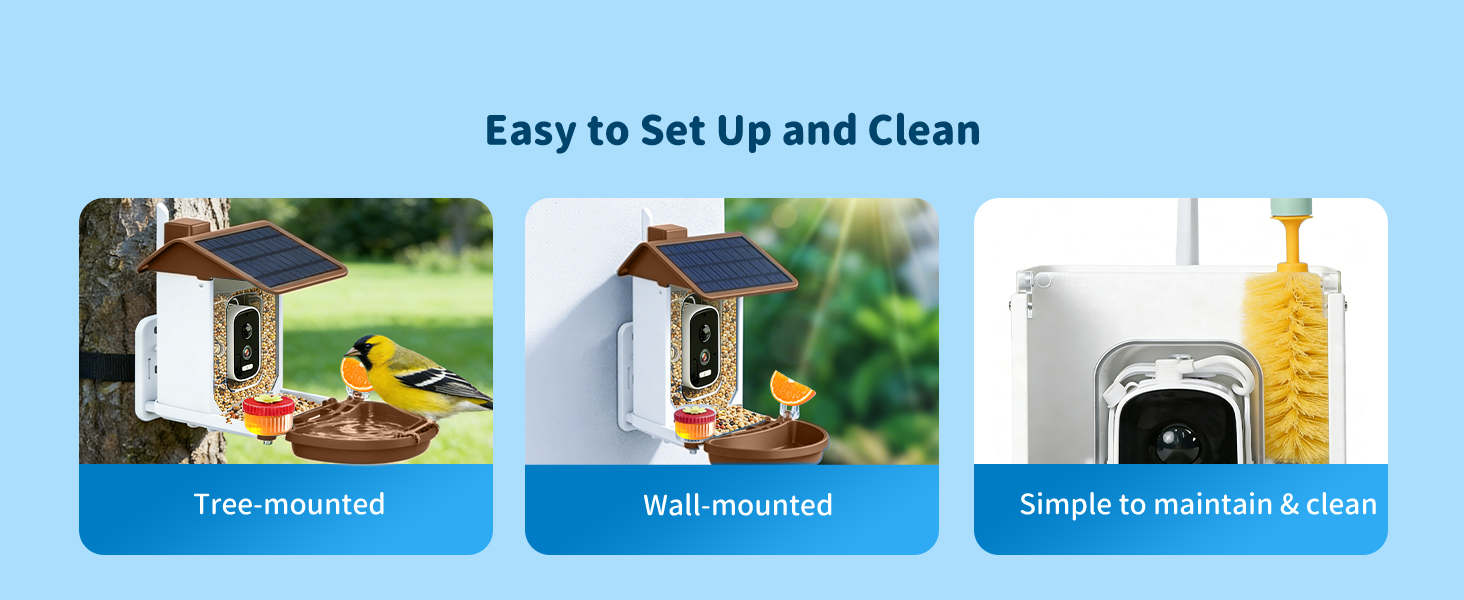
- Mounting substrate. The feeder supports tree, wall, fence and support-pole mounting. The surface must carry the loaded weight securely and remain reachable for refilling and cleaning.
- Maintenance reach. A practical mounting height is about 5 to 6 feet above ground. That keeps refilling safe; mounting higher may require a ladder every time the seed runs low.
- Weather and debris. The IP66 housing is built for rain, snow, dust and normal splashing, not submersion. Seed hulls and spilled seed also accumulate below the feeder, and where they land differs sharply between a garden bed and a balcony.
- Rules. Lease terms, building management policies and local rules on feeding wildlife sit outside the product and can override any technical consideration.
What the FreeKoala Bird Feeder with Camera Provides in All Three Settings
The same hardware serves all three scenarios. What changes is how much each specification contributes to day-to-day usability.
| Parameter | Specification | What It Changes by Setting |
|---|---|---|
| Camera | 4K UHD with night vision | Detail matters most at close balcony range; night vision extends recording after dark. |
| Field of view | 160° wide angle | Covers more of the tray, perch and surrounding activity with less precise aiming. |
| Connectivity | 2.4GHz Wi-Fi only | Longer range and better wall penetration than 5GHz; 5GHz is not supported. |
| Storage | microSD up to 256GB; card not included; optional cloud | Local recording without a monthly storage fee; recordings continue during Wi-Fi interruptions. |
| Seed capacity | 1.5L dual compartment | Fewer refill trips in a yard; smaller, more controlled loads on a balcony. |
| Waterproofing | IP66 | Dust-tight and protected against powerful water jets; not submersible. |
| Power | 5200mAh battery + 3W solar panel; USB-C backup | Solar carries most of the load in open sun; shaded courtyards rely more on USB-C top-ups. |
| Operating range | -4°F to 122°F | Covers hot summers and sub-freezing winters in exposed yards. |
| Design | 3-in-1 feeder, bird bath and hummingbird port | One station covers seed, water and nectar rather than three separate items. |
| Sharing | Live view shared with up to 20 family members | Useful when relatives live elsewhere but want to watch the same feeder. |
Source: FreeKoala product specifications for model NU-T6SR-JC9L and published product FAQ content.
Basic operation does not require a subscription. Local recording to a microSD card up to 256GB is available without a monthly storage fee, and the card is sold separately. Premium AI bird identification, which is designed to recognize more than 11,000 species, and cloud storage are offered with a 30-day free trial and require a subscription afterward if the user chooses to continue them. A 1-year warranty is included.
Courtyard Setup: Shade, Walls and Short Wi-Fi Runs
An enclosed courtyard is usually the easiest of the three settings for connectivity and the hardest for solar charging. The feeder is close to the building, often separated from the router by one exterior wall, which is well within the range characteristics of 2.4GHz Wi-Fi. The same walls that shorten the radio path also cast shade.
Mounting on a courtyard wall or fence at roughly 5 to 6 feet keeps refilling comfortable and puts the camera near eye level with perching birds. Positioning the camera away from strong direct sunlight reduces glare, and a north- or east-facing wall is generally gentler on the lens than a west-facing surface that collects afternoon sun.
The 160° wide-angle view is useful in a courtyard because space is limited and the feeder is often viewed from an angle rather than head-on. A wider field captures the feeding tray, the perch and approaching birds without requiring precise aiming. The trade-off is that a wide view also includes more background, so the camera should be angled toward the feeder rather than toward windows or seating areas.
Solar is where courtyards need planning. The 3W panel needs usable daylight, and a shaded wall may only receive a few hours of direct sun. The 5200mAh battery carries the camera through low-light periods, and USB-C charging is available when solar input is insufficient. In practice, a courtyard installation should either place the panel on the sunniest available surface or accept periodic USB-C top-ups.
Seed debris is manageable but visible. Spilled seed and hulls land on paving or planting beds directly below the feeder, so a courtyard position above a sweepable surface is easier to maintain than one above ground cover.
Yard Setup: Pole Mounting, Full Weather and Longer Signal Paths
A support pole places the feeder away from fences and branches, which improves both bird visibility and squirrel control.
A yard gives the feeder the most mounting freedom and the most exposure. A support pole set into open ground moves the unit away from fences, roofs and overhanging branches, which reduces squirrel access and produces cleaner footage. The same distance increases the Wi-Fi challenge: the pole must sit inside reliable 2.4GHz coverage, not merely inside the property line.
The practical sequence is to test the signal before final installation. Pair the camera near the router, then move it to the intended pole position and confirm the app still shows the device as online. If the unit works near the house but drops offline at the pole, the fix is Wi-Fi coverage at the feeder, not a different camera setting. Exterior walls, brick and metal siding all weaken the signal.
Weather exposure is highest in a yard. The IP66 rating covers dust, rain, snow and normal bird splashing, and the stated operating range of -4°F to 122°F covers most temperate and continental climates. IP66 does not permit submersion and does not mean the unit can be cleaned with a pressure washer. After heavy weather, the housing, roof and seals should be checked and drainage paths kept clear.
The 1.5L dual-compartment container matters more here than on a balcony. A pole-mounted feeder is a longer walk from the door, and a larger capacity reduces refill frequency. The dual hopper also allows two compatible seed types at once; black-oil sunflower is a practical starting point for broad appeal, with a second compartment used for safflower or a regional blend.
Apartment Balcony Setup: Tight Geometry, Close Focus and Building Rules
Balcony installations trade distance for proximity: mounting is easier, but Wi-Fi, drainage and neighbor considerations need earlier checks.
A balcony can work when the feeder can be mounted securely and the location receives a reliable 2.4GHz signal. Wall mounting is usually the practical option, with the feeder fixed at a reachable height rather than hung from a railing where wind movement and vibration blur the image.
Signal behavior on a balcony is counterintuitive. The feeder may be only a few meters from the router, but the path passes through an exterior wall, and balcony structures can create reflections. Testing at the actual mounting point before drilling is the only reliable check. Mesh Wi-Fi systems work as long as a 2.4GHz band is available and a node is close enough; 5GHz-only connections are not supported.
The 160° field of view needs more, not less, care in a small space. At close range, a wide lens captures the feeder plus a substantial portion of the balcony and whatever faces it. The camera is designed to aim at the feeding tray rather than the surrounding home, but the user still controls the final angle. Pointing the lens toward a neighbor's window is a privacy problem regardless of the hardware.
Seed debris is the most underrated balcony issue. Spilled seed and hulls fall below the feeder and may reach the balcony underneath or a neighbor's space. This is a placement question, not a fault in the product: a feeder positioned over an accessible tray or mat is easier to manage than one hung out over open air.
Building rules deserve a check before mounting. Policies on feeding wildlife, hanging objects from balconies and cleaning responsibilities vary by building and municipality, and no product specification can settle them.
How the 160° View, IP66 Housing, Solar Power and Family Sharing Change Each Decision
Four features carry different weight depending on the setting.
160° wide angle. In a courtyard or yard, the wide field reduces aiming precision and keeps a moving bird in frame. On a balcony, it increases background capture, so the benefit depends on disciplined positioning. The same specification is a convenience in one setting and a privacy consideration in another.
IP66 housing. This is decisive in an exposed yard and less critical in a sheltered courtyard, but it is never a licence for rough handling. The first digit indicates dust-tight construction; the second indicates protection against powerful water jets. The camera should not be submerged or cleaned with high-pressure water, and if water enters the housing during normal rain, operation and charging should stop until the unit is dry.
Solar and battery. The 3W panel and 5200mAh battery reduce manual charging, but runtime depends on bird activity, recording frequency, live-view use, Wi-Fi strength, temperature and available sunlight. An open yard with a south-facing panel will see a different charging profile from a shaded courtyard wall. USB-C remains the fallback in both cases.
Family sharing. Live view can be shared with up to 20 family members. This is most useful when a parent or relative lives elsewhere and wants to watch the same feeder, and least relevant for a single-user household. Access should be limited to people the account holder trusts and reviewed periodically.
Cleaning Access and Seed Debris: The Variable Buyers Underrate
Feeding surfaces should be cleaned about every two weeks, and more often in wet, hot or heavily used conditions. Wet or moldy seed should be removed promptly because moisture encourages mold and bacterial growth. The modular snap-on construction is designed to come apart without tools, which matters most on a pole-mounted yard feeder where the whole unit is not easy to carry indoors.
The routine is straightforward: empty old or wet seed, separate the removable parts, wash with warm water and mild soap, rinse thoroughly, allow every part to air-dry completely, then reassemble and refill. The camera lens is wiped separately with a soft microfiber cloth. The camera and charging electronics should never be immersed, and parts should not be refilled while still damp.
Debris management is a siting decision. Under a yard pole, hulls fall into grass or beds. Under a courtyard wall, they land on paving. Under a balcony feeder, they may fall onto someone else's property. The feeder design does not remove this maintenance task; it only makes the feeder itself easier to disassemble.
Camera Feeder vs Conventional Feeder: Where the Advantages Stop
A conventional feeder is simpler, cheaper and independent of Wi-Fi, power and app support. A camera feeder adds observation, recording and remote sharing at the cost of additional setup and maintenance requirements. The table below compares the two by setting.
| Consideration | Conventional Feeder | Camera Feeder by Setting |
|---|---|---|
| Observation | Direct line of sight only; no recording. | Remote viewing and recorded clips in all three settings; strongest value where the feeder is not visible from a window. |
| Installation | Hang and refill. | Requires mounting hardware, a 2.4GHz signal test and initial app pairing; the yard pole is the most involved, the balcony wall the least. |
| Power | None. | Solar plus battery in open settings; more frequent USB-C charging where shade limits solar input. |
| Maintenance | Cleaning only. | Cleaning plus lens care, firmware updates, battery monitoring and app management. |
| Privacy | Not applicable. | Camera angle must be managed, especially on a balcony facing neighboring windows. |
The limitations are as important as the advantages, and they apply across all three settings:
- 2.4GHz only. The feeder does not support 5GHz Wi-Fi. Homes configured with a 5GHz-only network, or mesh systems that steer devices unpredictably, may need a 2.4GHz or IoT setup option before pairing succeeds.
- IP66 is weather protection, not waterproofing. The camera cannot be submerged and should not be cleaned with a pressure washer. Seals and drainage should be checked after severe weather.
- Solar depends on daylight. A shaded courtyard or a north-facing balcony may not generate enough solar input to avoid occasional USB-C charging.
- Wide angle captures background. The 160° view is convenient for framing birds but requires deliberate positioning near windows and shared walls.
- Storage card is separate. Local recording requires a microSD card up to 256GB, which is not included. Premium AI identification and cloud storage require a subscription after the trial if the user continues them.
- Squirrels are managed, not eliminated. The feeder includes a squirrel-deterrent ultrasonic feature and a reinforced cable, but placement away from branches, fences, railings and roofs remains the primary control.
- Rules sit outside the product. Apartment, lease and municipal restrictions on feeding wildlife or hanging objects cannot be resolved by any hardware specification.
- Setup needs a smartphone. Initial configuration requires the app and a 2.4GHz network; everyday viewing is simpler once pairing is complete.
Market Context: Scenario Fit Is Becoming a Purchase Criterion
The category is moving from novelty to a considered purchase, and the commercial estimates available reflect that shift. Growth Market Reports valued the global smart bird-feeder camera market at USD 225 million in 2025 and projected USD 566.3 million by 2034. The same source reported that integrated camera feeders accounted for 78% of 2025 market value, and that approximately 20% of premium bird feeders incorporated smart features including cameras and AI in 2024.
Those are commercial research estimates rather than official statistics. Other commercial estimates in circulation use different market boundaries and a different product taxonomy, so they should not be combined or averaged with these figures. The directional signal is nonetheless consistent with what the product category shows: buyers are moving toward integrated units rather than add-on camera kits.
Regulation adds a second layer. In the European Union, smart feeders with Wi-Fi or Bluetooth modules fall under the Radio Equipment Directive 2014/53/EU, which places obligations on radio equipment placed on the EU market. For buyers comparing products across regions, documented compliance is a qualification question, not a marketing detail.
The practical consequence is that scenario evaluation moves earlier in the buying process. A buyer who intends to install on a balcony asks about mounting and neighbor impact before resolution. A buyer with a shaded courtyard asks about charging before species recognition. The specification sheet has not changed; the order of questions has.
Future Outlook
Three developments are likely to shape how these products are evaluated. The first is power management: solar and battery design will continue to determine whether a feeder can run unattended through winter in an exposed yard or through a shaded season in a courtyard. The second is local storage and subscription structure: buyers increasingly ask what works without a recurring fee, and products that separate basic functions from premium AI and cloud services are easier to evaluate on total cost.
The third is installation guidance itself. As the category matures, the difference between a well-performing and a poorly performing unit will depend less on the camera and more on whether the buyer tested Wi-Fi at the mounting point, chose a reachable height, planned for seed debris and confirmed building rules. Scenario fit is becoming part of the product specification rather than an afterthought.
FAQ
Can I use this bird feeder camera on an apartment balcony?
Yes, a balcony can work if the feeder can be mounted securely and receives a reliable 2.4GHz Wi-Fi signal. The feeder supports tree, wall and fence mounting, and the wide-angle 4K camera is useful at close viewing range. The lens should not be aimed toward reflective glass or neighboring windows, and falling seed should not create a problem for neighbors or the property below. Building rules on wildlife feeding should be confirmed first.
What is the best height and direction to mount the bird feeder camera?
A practical mounting height is about 5 to 6 feet above the ground, with the camera facing away from strong direct sunlight where possible. This keeps the feeder reachable for refilling and cleaning while providing a clear viewing angle. North- or east-facing placement can reduce harsh afternoon glare. The feeder should be kept away from branches, fences, roofs and other easy squirrel launch points, and it supports tree, wall, fence and support-pole mounting.
Why does it say 2.4GHz Wi-Fi only, and is that related to internet speed?
No. 2.4GHz describes the Wi-Fi radio frequency, not the speed of an internet plan. The feeder connects through 2.4GHz because that band generally provides longer range and better wall penetration than 5GHz, which suits an outdoor feeder placed away from the router. Other devices in the home can continue using 5GHz. During setup, the phone should be connected to a 2.4GHz network and the feeder kept close to the router; if a router combines both bands under one name and pairing fails, a temporary 2.4GHz-only connection can be used.
What does IP66 waterproof actually mean in practice?
IP66 means the housing is dust-tight and protected against powerful water jets. In use, the feeder is designed for outdoor exposure such as rain, snow, dust and normal bird splashing. It does not mean the camera can be submerged, and it should not be cleaned with a pressure washer. After heavy weather, the roof, camera housing and seals should be checked and drainage kept clear.
What does a 160° wide-angle camera mean?
A 160° field of view means the camera captures a much wider area in a single frame than a conventional narrow-angle camera. It is designed to capture more of the feeding tray, perch and surrounding bird activity without requiring precise aiming. Combined with 4K UHD recording, it provides both broad scene coverage and detailed footage. The trade-off is that a wider frame also includes more background, which matters in small spaces such as balconies.
How often should the bird feeder be cleaned, and what routine works best?
Feeding surfaces should be cleaned about every two weeks, and more often during wet, hot or heavily used conditions. Old or wet seed should be removed promptly because moisture can encourage mold and bacterial growth. The modular parts are designed to come apart for cleaning: empty the seed, separate the removable components, wash with warm water and mild soap, rinse thoroughly, air-dry completely, then reassemble and refill. The camera and charging electronics should not be immersed, and the lens is wiped separately with a soft microfiber cloth.
How does solar charging work when the weather is cloudy or the location is shaded?
The 3W solar panel helps recharge the 5200mAh battery whenever usable daylight is available, but charging performance is lower in cloudy or shaded conditions. Runtime depends on bird activity, recording frequency, live-view use, Wi-Fi signal strength, temperature and available sunlight. When solar charging is insufficient, the camera can also be recharged by USB-C.
How do I share the live stream with family members?
Live video can be shared with up to 20 family members, allowing multiple people to view the same feeder from their own phones. Sharing is handled through the device-sharing or family-sharing settings in the app, where an invitation is sent and accepted. Access should be limited to people the account holder trusts, and shared users should be reviewed periodically. Account credentials and invitation details should not be posted publicly.
Additional company and product information is available in the FreeKoala corporate brochure: download the brochure.
Есть вопросы или нужны дополнительные детали?
Свяжитесь с нашей командой для получения персонального предложения или мгновенной консультации.
Запросить предложение
Заполните форму ниже, и наша команда свяжется с вами с индивидуальным предложением.
Прямой чат WhatsApp
Предпочитаете общаться в реальном времени? Напишите нам в WhatsApp для мгновенной помощи и быстрых ответов.
- Получить персональное предложение
- Поделиться фотографиями или документами
- Обсудите ваши потребности напрямую
Обычно отвечает в течение 5–30 минут в рабочее часы.