
Building a Durable Hot Tub Supply Partnership: Capacity, Lead Time, and After-Sales Support
For hotels, resorts, wellness centers, and distributors planning phased hot tub programs, supplier selection goes beyond product specifications. The commercial question is whether a manufacturer can support repeat orders, consistent quality, and long-term service. This article examines the operational criteria behind durable hot tub supply partnerships, using Victoria Star Spa as a reference for capacity, lead time, and post-purchase support structures.
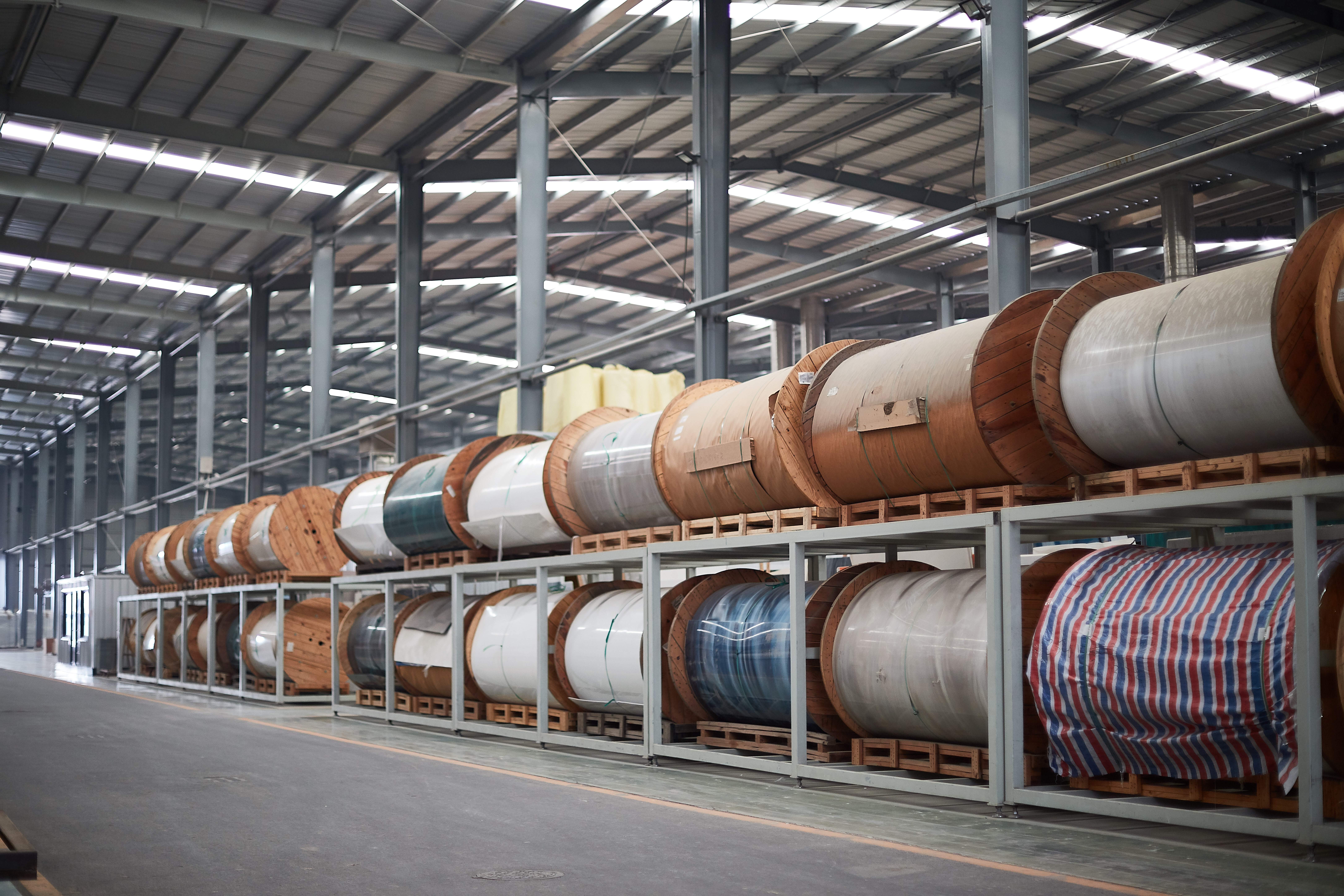
Workshop view of Victoria Star Spa's hot tub production facility in Foshan, China.
Why Buyers Need a Partnership Framework, Not Just a Product Quote
Hot tub procurement for commercial projects rarely ends with a single purchase. Villa developers may order spas for multiple phases; hotel groups may standardize models across properties; distributors require reliable replenishment across seasons. In each case, the buyer is effectively selecting a manufacturing partner whose production capacity, lead time consistency, and quality control will shape the success of an entire program.
For procurement teams, the decision criteria are different from those used in a one-off residential purchase. The practical questions include:
- How many units can the manufacturer produce per month?
- What lead time should be planned into the project schedule?
- How does the factory ensure consistent quality from one batch to the next?
- What happens after shipment if a component requires service or replacement?
- Can the supplier support customization without disrupting delivery commitments?
These questions point to the difference between a vendor and a partner. A vendor supplies a product; a partner supports a program.
Production Capacity as a Supply Reliability Indicator
Manufacturing capacity is one of the most direct indicators of whether a hot tub supplier can serve multi-unit projects and ongoing distribution demand. Buyers evaluating manufacturers should ask for current capacity figures rather than assuming that a large factory automatically translates into available production slots.
Victoria Star Spa reports a monthly production capacity of 600 sets across its hot tub, swim spa, sauna, and cold plunge lines. This figure matters for buyers in two ways. First, it indicates that the factory is scaled beyond prototype or small-batch production. Second, it provides a planning reference: a distributor ordering 50 units per quarter, or a hotel group procuring spas for several properties, can assess whether the supplier has the operational room to absorb the order without disrupting existing commitments.
For context, the global hot tub market is projected to grow from approximately USD 5.76 billion in 2025 to between USD 8.47 billion and USD 9.6 billion by 2030–2034. While industry forecasts vary, the underlying trend is consistent: commercial demand for spa amenities is expanding. Buyers who plan capacity with suppliers now are better positioned for that growth.
Lead Time: A Planning Variable, Not a Fixed Promise
Lead time determines how procurement timelines interact with construction schedules, seasonal demand, and opening dates. For a villa project, a delay in hot tub delivery can push back the entire handover. For a resort, missing an opening season has direct revenue consequences.
Victoria Star Spa's typical production lead time is 35 to 70 days, depending on order complexity. This range reflects an important reality of acrylic hot tub manufacturing: standard models move through production faster, while custom configurations—such as branded shells, specific acrylic colors, alternative control systems, or commercial-grade jet layouts—require additional engineering and validation time.
Buyers should use this range in project planning. A sensible approach is to define the minimum lead time for standard models and the maximum for customized orders, then allocate buffer time for shipping and installation. Understanding the variables that extend lead time is also useful: custom molds, new control system integration, special materials, and seasonal peak loads all affect scheduling.
Experienced importers often structure orders to manage lead time risk. For example, a distributor may place a standard-model order first to establish a baseline, then follow with customized variants once the production process is validated. This staged approach reduces schedule risk while still building toward a differentiated product lineup.
Quality Control as the Foundation of a Repeatable Relationship
Capacity and lead time are only meaningful if quality remains consistent across batches. A supplier that produces 600 units per month but ships inconsistent quality creates higher long-term costs through returns, service claims, and brand damage.
Victoria Star Spa operates a 50,000 m² manufacturing facility in Foshan, China, with more than 250 employees, including an engineering team of over 35 professionals. The company reports full control over the production chain, from material selection and mold development to assembly, testing, and quality assurance.
For hot tubs specifically, the company's stated risk control measures include:
- Multi-layer waterproof structure to prevent water leakage
- Integrated electrical protection systems
- Smart temperature control to prevent overheating
- Automatic water filtration and circulation systems
- Freeze protection for cold-climate installations
- High-quality certified components
These control points are not just engineering details. They correspond directly to the most common failure modes in hot tub operation: water leakage, electrical failure, water quality issues, overheating, freeze damage, and component wear. When a manufacturer builds quality checks around these failure points, the buyer's after-sales risk is meaningfully reduced.
Victoria Star also reports conducting 100% water testing before shipment and electrical safety inspections at the factory. For buyers, this translates into a verification step that occurs before goods leave the factory, rather than after problems appear on-site.
Factory-Built Systems vs. On-Site Construction: A Structural Advantage
For hospitality and residential projects, one of the most consequential decisions is whether to use a factory-built acrylic hot tub or a concrete pool constructed on-site. While concrete pools offer design freedom, they involve longer construction cycles, more trades on site, and less predictable quality outcomes.
Victoria Star positions its acrylic hot tubs and swim spas as an alternative to traditional concrete pools and conventional spa installations. The company's comparison data identifies several structural advantages:
- Installation time reduced by up to 60% compared with traditional pool construction
- Integrated system design minimizes on-site construction work
- Factory-built and pre-tested systems reduce commissioning risk
- Lower installation costs in many project conditions due to reduced civil works
- Simplified daily maintenance through integrated filtration and circulation
This does not mean acrylic spas are the right choice for every project. Concrete pools may still be preferred for very large swimming areas or projects where a permanent structure is architecturally required. But for hot tubs, hydrotherapy spas, and swim spa zones within a larger project, factory-built systems offer a faster, more predictable path to completion.
Procurement Support and Commercial Terms That Reduce Friction
For international buyers, the commercial terms offered by a manufacturer are as important as the product itself. Victoria Star's procurement framework covers the areas that matter for repeat business:
| Procurement Element | Victoria Star Spa Standard Terms |
| Minimum order quantity | 1 set |
| Delivery methods | FOB (Shenzhen, Guangzhou), CIF, EXW |
| Pre-shipment acceptance | 100% pre-shipment water testing; factory inspection and video inspection available |
| Payment terms | 30% T/T deposit upon order confirmation; 70% T/T balance before shipment |
For first-time importers, the 1-set MOQ is a practical entry point. It allows a buyer to test product quality, logistics, and installation experience with a minimal initial commitment before scaling to container-level orders. For established distributors, it provides flexibility in replenishment.
The availability of video inspection before shipment is also significant in a global sourcing context. Buyers who cannot visit the factory in person can still verify that units are water-tested and complete before payment of the balance.
Customization and OEM Capability as a Partnership Indicator
A manufacturer's ability to support OEM and customization projects is a strong signal of whether it can grow with a buyer's brand. Victoria Star's product range includes hot tubs, swim spas, saunas, steam rooms, and ice tubs, with capacities from 3 to 7 persons for hot tubs and swim spa lengths from 4 to 16 meters. This breadth allows buyers to consolidate multiple wellness products from a single supplier.
In terms of materials, Victoria Star offers USA-imported Aristech acrylic and Chinese acrylic sheet options, with color choices including white, ocean blue, pearl grey, cloud black, and copper. Control system options include Balboa and Gecko systems, both widely recognized in the global spa industry. These choices matter because they affect user experience, service availability, and regional compatibility.
For projects that require a distinct identity, custom branding, shell colors, jet configurations, or integrated audio-lighting packages can differentiate a property or a distributor's product line. The key point for buyers is to confirm that the manufacturer has the engineering depth to execute customization without compromising the production timeline.
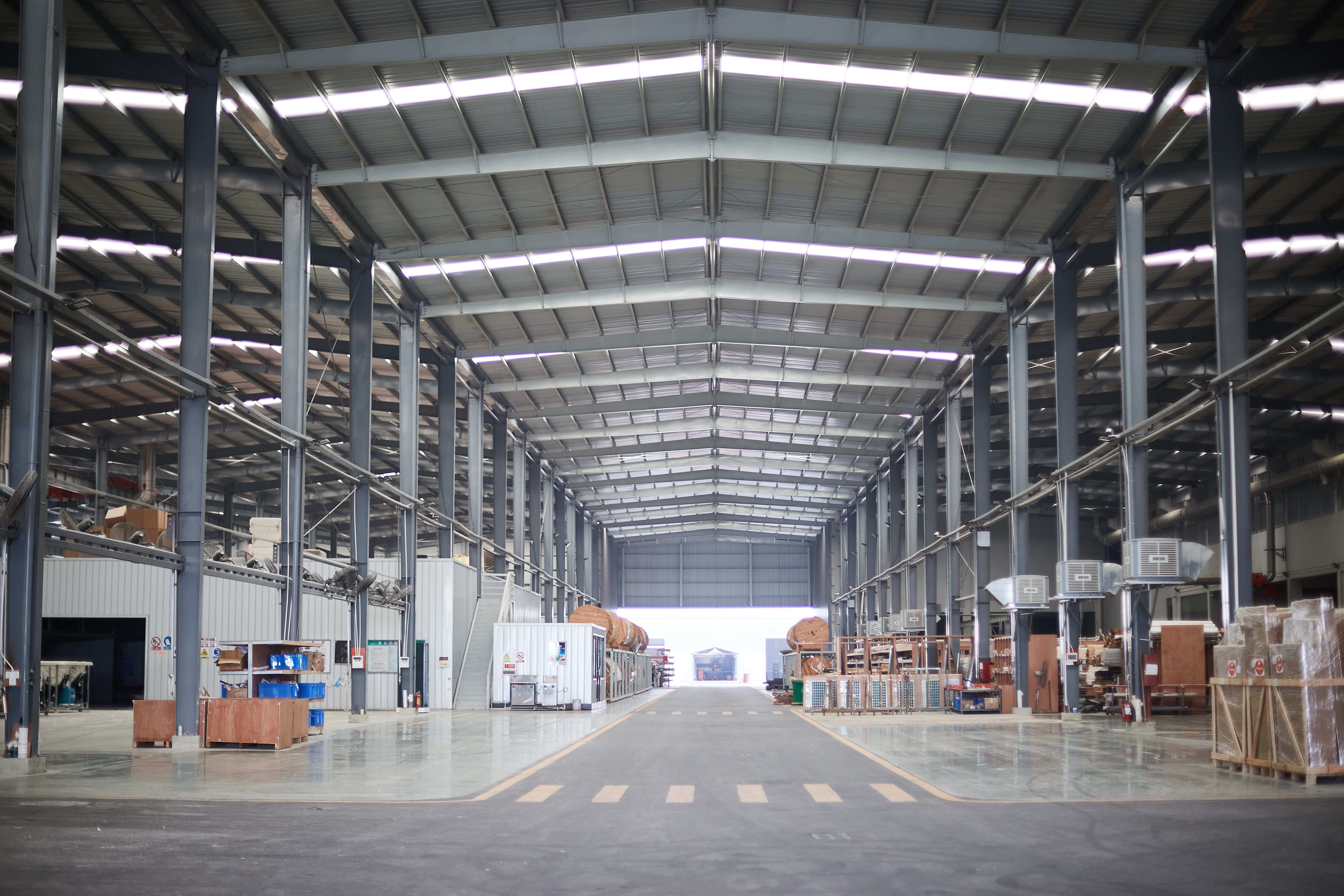
Victoria Star Spa's factory site supporting a monthly production capacity of 600 sets.
Market Context: Why Commercial Hot Tub Demand Is Rising
The commercial segment for hot tubs and spa amenities is expanding. Third-party analysis from Mordor Intelligence projects a CAGR of 5.91% for commercial use in vacation rentals and luxury hotels, in part because spa amenities correlate with higher booking premiums. For hotel owners and operators, this creates a direct revenue argument for investing in well-specified, reliable hot tub installations.
From a product type perspective, acrylic hot tubs accounted for 43.2% of the global market in 2025, according to Dataintelo, due to their durability and aesthetic flexibility. For buyers, this validates acrylic as the mainstream choice for projects where appearance, durability, and maintenance are all priorities.
On the supply side, the top five global hot tub manufacturers—including Jacuzzi, Masco, Master Spas, Bullfrog Spas, and Cal Spas—held approximately 36% of the market in 2025, according to Global Market Insights. This leaves a substantial portion of the market served by specialized regional manufacturers. For buyers, this means that selection should be based on verified capability and fit, not simply on brand familiarity.
Certifications and Compliance for Global Projects
Compliance is a precondition for hot tub supply in most developed markets. Victoria Star states that its products comply with CE, SAA, and ETL certifications, covering European, Australian, and North American requirements respectively.
For North America specifically, the relevant standard for portable electric spas is UL 1563 in the United States and CAN/CSA-C22.2 No. 218.1 in Canada. The entire unit must be certified, not just individual components. Buyers sourcing for US or Canadian projects should verify ETL certification as a marker of compliance with these standards.
Additional standards relevant to commercial hot tub procurement include:
- NSF/ANSI/CAN 50: a benchmark for materials and equipment used in hot tubs and spas, covering performance validation and operational safety.
- CEC Title 20 and ANSI/APSP/ICC-14: energy efficiency regulations in California and several other US states, requiring standby power limits and labeling.
For hospitality projects, specifying compliant equipment from the start avoids costly retrofits and regulatory delays. Buyers should always confirm which certifications apply to their target market and request certification documentation during the supplier evaluation phase.
Limitations and Considerations Buyers Should Keep in Mind
While factory-built acrylic hot tubs offer clear advantages in speed, quality control, and maintenance, they are not a universal solution. Buyers should weigh the following limitations:
- Aesthetic permanence: Concrete pools can be designed as permanent, architecturally integrated structures. A concrete pool may be more appropriate when the design brief requires a fully bespoke basin shape or integration with a larger pool system.
- Lead time variability for customization: Custom hot tub configurations extend production lead time. Buyers who need fast delivery should prioritize standard models.
- International shipping complexity: Full-container logistics for large acrylic spas require careful planning. Buyers should account for port handling, inland transport, and installation access.
- Regional service networks: For global projects, after-sales service depends on the availability of certified components and qualified technicians in the destination market. Buyers should confirm parts availability and remote support terms with the manufacturer.
These considerations are not reasons to avoid acrylic hot tubs. They are, however, the kind of boundary conditions that a well-structured supply partnership should address in advance.
Future Outlook: Phased Programs and Wellness Integration
Looking forward, the most reliable buyers in the hot tub market will be those who treat suppliers as long-term partners. The commercial segment is expected to grow with the wellness economy, but growth also attracts more suppliers, making verification and working relationships more valuable.
Several trends are likely to shape procurement over the next three to five years:
- Wellness integration: Hot tubs, swim spas, saunas, and cold plunge tubs are increasingly planned as a combined wellness zone rather than standalone purchases.
- Energy efficiency: Thermal insulation and smart temperature control are becoming baseline expectations, especially in markets with strict energy regulations.
- Smart controls: Buyers will favor control systems that support remote monitoring, scheduling, and integration with property management systems.
- Phased purchasing: Distributors and developers will increasingly use initial pilot orders followed by scaled programs, requiring suppliers who can maintain consistency across multiple batches.
Victoria Star Spa's combination of 600-set monthly capacity, 35-to-70-day lead times, CE/SAA/ETL certifications, and OEM flexibility positions it as a workable reference for buyers pursuing these strategies. The more significant point is procedural: durable partnerships are built on verified capacity, transparent lead times, documented quality control, and realistic after-sales planning.
FAQ
What is Victoria Star Spa's monthly hot tub production capacity?
Victoria Star Spa reports a monthly production capacity of 600 sets across its hot tub, swim spa, sauna, and ice tub product lines. This capacity figure provides a planning reference for distributors, hotel groups, and developers evaluating whether the factory can support multi-unit orders.
What is the typical production lead time for Victoria Star hot tubs?
The typical production lead time is 35 to 70 days, depending on order complexity. Standard models generally fall at the shorter end of the range, while custom configurations involving specific acrylic colors, control systems, or commercial specifications may require additional time.
What quality tests does Victoria Star perform before shipping hot tubs?
Victoria Star reports conducting 100% pre-shipment water testing and electrical safety inspections. Buyers can also arrange factory inspection or video inspection before shipment to verify that the units meet the agreed specifications.
Does Victoria Star support OEM and custom hot tub projects?
Yes. Victoria Star supports OEM/ODM projects with customization options including acrylic color choices (white, ocean blue, pearl grey, cloud black, copper), control systems from Balboa and Gecko, and swim spa configurations up to 16 meters in length and 3.8 meters in width.
What is the minimum order quantity for Victoria Star hot tubs?
The minimum order quantity is 1 set. This allows new buyers to test quality, logistics, and installation experience before scaling to container-level orders.
Which certifications do Victoria Star hot tubs hold?
Victoria Star states that its products comply with CE (European), SAA (Australian), and ETL (North American) certification requirements. For North America, portable electric spas must comply with UL 1563 (USA) and CAN/CSA-C22.2 No. 218.1 (Canada).
For a complete overview of Victoria Star Spa's outdoor spa and sauna collection, including available models and configurations, download the official brochure: 2026 New Collection (Outdoor Spa & Sauna) PDF.