
Bulk Matcha Hazard Controls: Residues, Metals and Batch Stability
Two questions decide most bulk matcha supply agreements: how pesticide residues and heavy metals are controlled, and why raw material variation matters once volumes scale. Both are answered by the same mechanism — preventive, system-level controls under HACCP, ISO 22000 and GMP, with testing and documentation acting as verification rather than as the control itself.
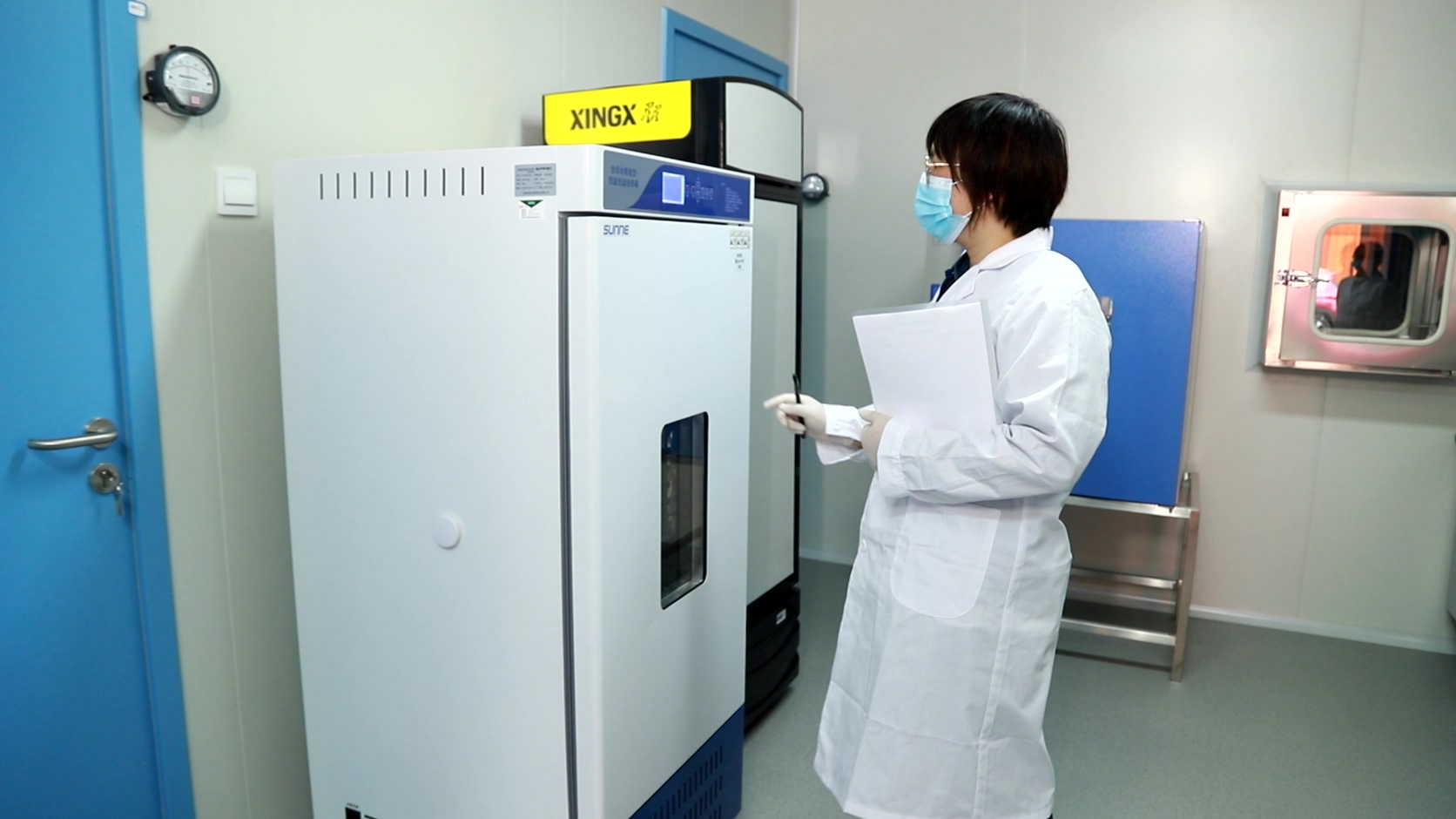
Quality control in bulk matcha supply is a documented, repeatable process rather than a single test result.
Matcha has moved from a specialty category into industrial ingredient territory. Grand View Research valued the global matcha market at USD 5.1 billion in 2025, with a projected figure of USD 8.9 billion by 2033. China's matcha output exceeded 12,000 tonnes in 2025. Growth on that scale changes what buyers ask. Once a buyer moves from sample to supply agreement, the practical question stops being whether a supplier can ship matcha and becomes whether the supplier's control system can keep residues, metals and lot-to-lot variation inside the limits that both the destination market and the buyer's own production line require.
Why These Two Questions Dominate the Procurement Stage
Residue control in bulk matcha is not a single global standard. It is a set of destination-market requirements that change independently of the supplier and the product.
- European Union: stricter maximum residue limits for clothianidin and thiamethoxam were set at 0.01 mg/kg, effective March 2026, under EU Regulation (EC) No 396/2005.
- United States: the U.S. FDA requires Food Facility Registration and FSVP documentation for all imported matcha powder, placing verification obligations on the importer as well as the supplier.
- Organic claims: recognition between markets is arranged, not automatic. Japan and the United States have operated a JAS–USDA Organic equivalency since 1 January 2014, which is an example of reciprocal recognition between two named markets rather than a universal rule.
The procurement consequence is straightforward. A supplier that only controls hazards at the point of shipment is exposed to whatever changed in regulation since the last test. A supplier that controls hazards inside the process — incoming material specifications, process parameters, hygiene conditions, verification testing — is exposed to regulatory change only at the level of the final specification and documentation package.
The second question is less visible but equally decisive. Bulk matcha is not a uniform commodity. Fineness spans roughly 800 to 1800 mesh across ten grade tiers, and applications differ substantially in what they need from the powder. Traditional stone-grinding with granite mills produces only 30–40 g of matcha per hour per mill, which means industrial volume depends on many mills running to a controlled specification rather than on a single, easily monitored output stream. Buyers who specify a grade for a café beverage program, a bakery line that depends on consistent colour, or a powdered nutrition formulation that depends on uniform dispersion are, in practice, specifying batch consistency — and batch consistency is a control-system question, not a sampling question.
TangMist Matcha: System-Level Controls as the Supplier Position
TangMist Matcha is a matcha manufacturer and B2B supplier based in China, operating as Shanghai Kelrosa Health Technology Co., Ltd., and serving cafés, food and beverage brands, distributors, wholesalers and private label businesses worldwide. The company supplies ceremonial-grade, latte-grade, culinary-grade and certified organic matcha, with products developed for different taste profiles, applications and price points.
In procurement terms, three operating facts matter most. Around 70% of output is exported to the EU and USA; annual output is 100 tonnes from a facility of 10,000–30,000 m², supported by an R&D team of 5–10 people; and bulk orders start from an MOQ of 10 kg with a standard lead time of 15–21 days.
On hazard control specifically, TangMist's supply and manufacturing systems are supported by internationally recognized certifications and quality standards, including USDA Organic, EU Organic, HACCP, ISO 22000, GMP, Halal and Kosher, with certification and documentation options available according to product and destination-market requirements. Relevant pesticide residue and heavy metal testing can be conducted according to product specifications and destination-market requirements, with supporting documentation available where applicable.
The distinction between those two statements is the core of a defensible sourcing decision. Certifications describe the system that prevents and detects hazards. Testing documentation describes the verification performed for a specific product and a specific market. Both are usually requested in a tender, but they answer different questions, and conflating them is one of the more common errors in bulk matcha evaluation.
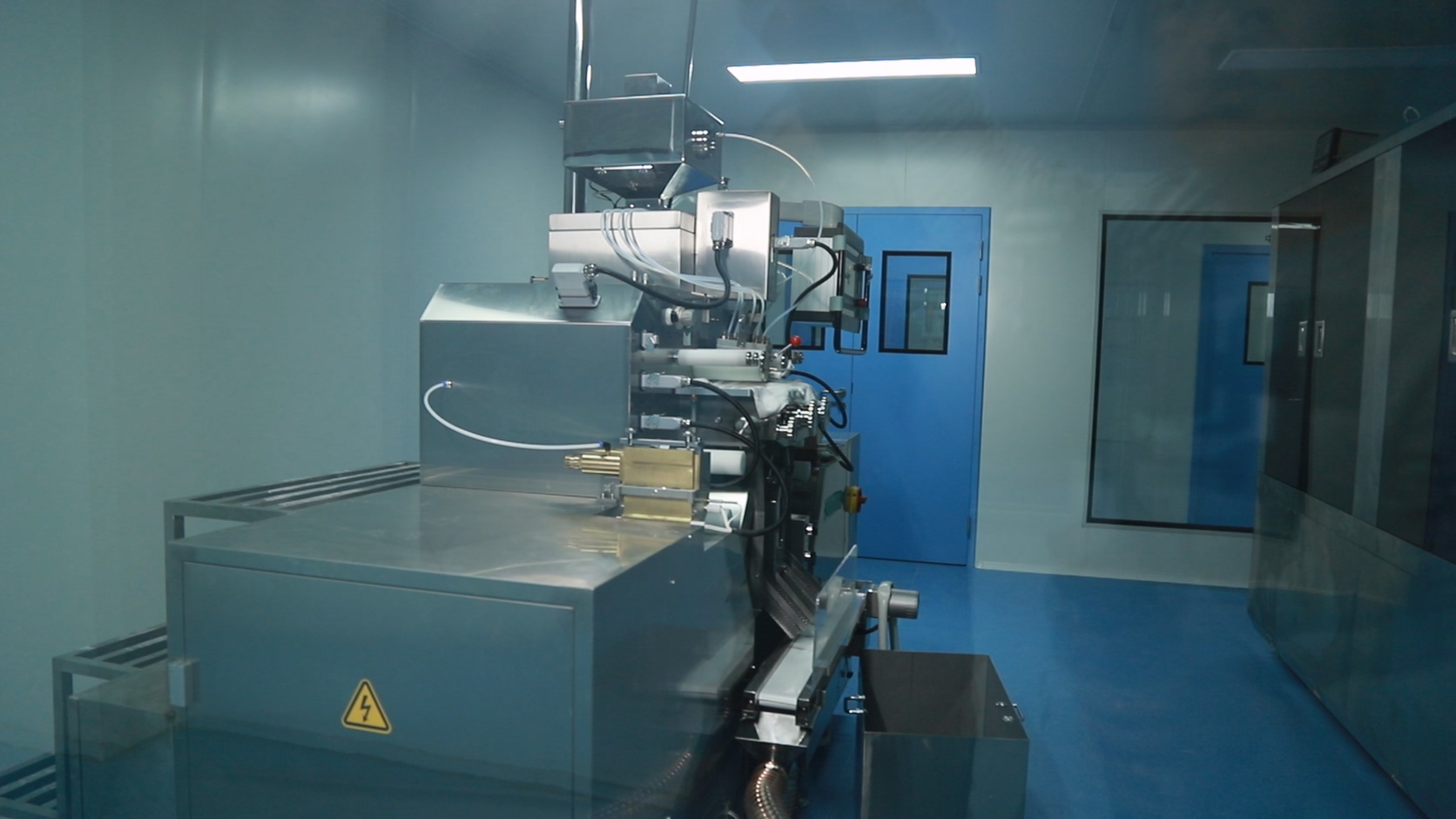
Preventive controls sit inside the process — at incoming material, grinding and packing — rather than at the end of the line.
What HACCP, ISO 22000 and GMP Each Control
The three frameworks referenced most often in bulk matcha procurement are complementary rather than interchangeable. Each governs a different layer of the same problem.
| Framework | What it governs | What it means for a buyer |
|---|---|---|
| HACCP | Hazard analysis and the definition of control points at specific stages of the process | Risk is addressed before the finished lot exists, rather than detected in it |
| ISO 22000 | Food safety management across the supply chain: documented procedures, traceability, verification and review | The control system is repeatable and auditable across orders and over time |
| GMP | Facility conditions, personnel hygiene, equipment and process discipline | Physical, chemical and hygiene contamination risks are managed at production level |
Read together, HACCP answers where can this go wrong, and what is done at that point. ISO 22000 answers who is responsible, how is it recorded, and how is the system verified and reviewed. GMP answers what conditions must hold on the floor and in the equipment for either of the above to function.
For a decision-stage buyer, the useful question is therefore not whether a supplier holds a certificate, but whether the certificate covers the product line, the production site and the destination market being sourced. A HACCP or ISO 22000 scope that covers one facility is evidence about that facility. A USDA Organic or EU Organic certificate is evidence about a defined organic chain of custody. Neither substitutes for the other, and neither automatically satisfies a market-specific residue limit.
Where Bulk Matcha Is Used — and What Each Application Demands
Application fit is what turns residue control from a compliance formality into a production issue. The scenarios below are the typical bulk matcha applications, together with the requirements that buyers in each tend to specify.
| Application | Typical use | Stated requirement |
|---|---|---|
| Nutraceuticals & functional foods | Dry powder blending into supplements and blends | Cost efficiency, batch consistency, fine particle size |
| Nutrition products | Powder-based nutrition formulations | Consistent quality, uniform dispersion, reliable bulk supply |
| Bakery & food manufacturing | Cakes, cookies, bread, desserts and baked goods | Flavour retention, colour performance, cost efficiency |
| Ice cream & frozen desserts | Dispersion into dairy or non-dairy bases before freezing | Good dispersion and stable matcha flavour in dairy-based products |
| Chocolate & confectionery | Cream, fillings and confectionery mixtures | Stronger matcha presence, fine texture, premium positioning |
| Milk tea & beverage shops | Matcha milk tea and matcha lattes | Milk compatibility, smooth dispersion, consistent flavour |
| Café chains & beverage brands | High-volume commercial beverage preparation | Consistency across locations, smooth mouthfeel |
| Specialty cafés & premium retail | Premium latte menus and packaged retail matcha | Fine particle size, smooth mouthfeel, premium presentation |
Two things follow from this table. First, the majority of bulk applications specify consistency in some form — batch consistency, uniform dispersion, consistent flavour, consistency across locations. Second, those same applications differ in how much of the matcha's own character has to survive the formulation. A powdered nutrition blend and a premium café latte are not making the same demand on the raw material, even when both are described as bulk matcha powder.
Market Trends That Are Reshaping Hazard and Stability Requirements
Several market signals point in the same direction: documentation and process control are becoming part of supply capability rather than an administrative add-on.
- Organic is the fastest-growing segment. Organic matcha is projected to grow at a 12.68% CAGR through 2033 (SNS Insider), and organic certified matcha contributed approximately 41% of total global market demand in 2025 (Matcha Tea Powder Market Industry Analysis). Organic claims carry a documentation chain that begins well before the finished powder.
- Industrial applications dominate volume. Culinary grade accounted for 56.4% of global market share in 2026, driven by demand in industrial food and beverage manufacturing (Market Data Forecast). Industrial buyers tend to specify incoming material documentation as a condition of supply.
- The export base is scaling quickly. Zhejiang Province exported 1,241.97 tons of matcha in Q1 2026, a 7.3-fold increase year-on-year (Zhejiang Provincial Department of Agriculture). Rapid supply expansion makes the consistency of individual suppliers more variable, not less — which raises the value of verifiable systems.
- Regional growth is broad. North America is the fastest-growing regional market at a CAGR of nearly 8% through 2030 (Forbes / Jade Leaf Matcha).
- Competition is established and global. Leading global matcha suppliers include Aiya Co. Ltd, ITO EN LTD, Marukyu Koyamaen and DoMatcha (Fortune Business Insights). In a field of this depth, documentation quality and traceability function as differentiators more than price alone does.
System-Level Control Compared with Certificate-Only Sourcing
Most bulk matcha buyers now operate one of two models, and the difference between them shows up mainly when something changes.
| Dimension | Certificate-only / spot-test sourcing | System-level preventive control |
|---|---|---|
| When risk is addressed | At shipment or at audit | At incoming material, process and packing stages |
| Coverage across lots | Evidence for the tested lot | Repeatable controls applied to every lot |
| Response to a new residue limit | Retrospective — discovered at the next test | Specification update within an existing documented process |
| Documentation role | Certificate treated as the end point | Certificate read as one artefact within a recorded system |
| Weakness | Depends on sampling timing and scope | Depends on system discipline; still requires market-specific verification |
Where system-level control stops. HACCP, ISO 22000 and GMP are process-management frameworks. They do not set residue limits, and they do not define the testing scope for a given market — those come from regulation and importer obligations, such as the EU maximum residue limit of 0.01 mg/kg for clothianidin and thiamethoxam under Regulation (EC) No 396/2005, or FDA Food Facility Registration and FSVP documentation for the United States. Equivalency arrangements such as the JAS–USDA Organic equivalency apply between the specific markets named, not universally. System-level control therefore reduces residue and variation risk, but it does not remove the buyer's obligation to verify destination-market compliance for the specific product and destination being sourced.
A second boundary applies inside the product range itself. Grade specifications are not interchangeable. A beverage grade at 1000–1200 mesh (KM5–KM6) and a ceremonial grade at 1300–1800 mesh (KM7–KM8) serve different functions: beverage grades prioritise commercial café performance and milk-based applications, while ceremonial grades provide a finer, more premium matcha experience. Substituting one for the other changes the finished product, not merely the cost line. The same logic applies to functional grades at 800–1000 mesh (KM1–KM2) and culinary grades at 800–1200 mesh (KM3–KM4), where functional grades are designed for cost-efficient, large-volume production and culinary grades are associated with higher cost for distinct flavour and visual effect.
A Short Decision Checklist for Bulk Matcha Buyers
Six checks cover most of the risk discussed above, and each can be answered from documents rather than from assurances.
- Confirm the destination market and the residue limits that apply to it before discussing grade or price. The limit is a property of the market, not of the supplier.
- Ask which certification scope covers the specific product line and production site, and whether that scope includes the market being served.
- Request the verification regime, not only the certificate. Pesticide residue and heavy metal testing can be conducted according to product specifications and destination-market requirements, with supporting documentation available where applicable.
- Confirm the grade specification in mesh and match it to the application, since grade tiers are not interchangeable across beverage, culinary, functional and ceremonial uses.
- Confirm MOQ and lead time against the launch plan. In TangMist's case, bulk orders start from 10 kg with a standard lead time of 15–21 days.
- Confirm which documents accompany each shipment and keep them tied to the lot, so verification survives beyond the first order.
Outlook
The direction of regulation is toward tighter, more specific residue limits rather than looser ones — the EU's 2026 update to clothianidin and thiamethoxam limits is an example of limits being narrowed rather than broadened. Organic demand is growing faster than the overall category, which extends documentation requirements further back into the supply chain. At the same time, production is expanding quickly in origin markets, which increases the spread of supplier capability and makes system evidence more, not less, valuable.
For buyers at the decision stage, the practical implication is that process control and market-specific verification should be evaluated as separate criteria and weighted separately. Suppliers whose HACCP, ISO 22000 and GMP systems are actually applied at incoming material, process and packing stages will absorb regulatory change with less disruption than suppliers whose evidence is a single certificate and a single test report. The buyer's own risk is lowest when both layers are confirmed — the system that prevents problems, and the testing that verifies it for the market in question.
FAQ
How are pesticide residues and heavy metals controlled in bulk matcha supply?
Through preventive process control supported by testing. HACCP identifies where hazards can enter the process and defines controls at those points; ISO 22000 provides the management system that documents, verifies and reviews those controls; GMP covers the facility, hygiene and equipment conditions under which they operate. Relevant pesticide residue and heavy metal testing can then be conducted according to product specifications and destination-market requirements, with supporting documentation available where applicable. Testing verifies the control system — it does not replace it.
Which certifications should be compared when evaluating bulk matcha suppliers?
The relevant set depends on the product and the destination market. TangMist's supply and manufacturing systems are supported by USDA Organic, EU Organic, HACCP, ISO 22000, GMP, Halal and Kosher, with certification and documentation options available according to product and destination-market requirements. When comparing suppliers, the scope of each certificate matters more than the number of certificates — which product lines it covers, which production site it applies to, and which markets it is recognised in.
Why does raw material variation matter more in bulk supply than in retail packs?
Because a bulk buyer's own production depends on it. Where an application requires uniform dispersion, colour performance or a consistent flavour profile, lot-to-lot differences become production variables rather than consumer-level variations. That is why batch consistency, uniform dispersion and reliable bulk supply appear as stated requirements across bulk applications such as powdered nutrition, bakery, ice cream and café beverage programs.
How do HACCP, ISO 22000 and GMP differ from one another?
HACCP focuses on hazard analysis and the control of specific points in the process. ISO 22000 is a food safety management system standard covering documented procedures, traceability, verification and review across the supply chain. GMP covers facility conditions, personnel hygiene, equipment and process discipline. They govern different layers of the same problem, which is why buyers normally see all three referenced together rather than as alternatives.
What are the limits of certification in a bulk matcha procurement decision?
A certificate is scoped evidence about a system or a product at a point in time. It does not define the residue limits that apply in a given market — those come from regulation, such as the EU maximum residue limit of 0.01 mg/kg for clothianidin and thiamethoxam effective March 2026, or from importer obligations such as FDA Food Facility Registration and FSVP documentation in the United States. Equivalency arrangements such as the JAS–USDA Organic equivalency apply between the specific markets named, not universally. Buyers should therefore confirm which markets a supplier's documentation actually covers, and treat system evidence and market-specific verification as two separate requirements.
How should grade tiers be compared before committing to a bulk order?
By specification and application rather than by price alone. TangMist's range spans functional grades at 800–1000 mesh (KM1–KM2) for cost-efficient, large-volume production, culinary grades at 800–1200 mesh (KM3–KM4) for food formulations such as baking, chocolate and ice cream, beverage grades at 1000–1200 mesh (KM5–KM6) for milk-based drinks and café programs, ceremonial grades at 1300–1800 mesh (KM7–KM8) for premium menus and specialty beverages, and ultra-ceremonial grades at 1500–1800 mesh (KM9–KM10) for applications where matcha quality is central to the product. Because each tier serves a different function, substituting one for another changes the finished product rather than only the cost.