
Bulk Matcha Sourcing: What Buyers Should Evaluate in 2026
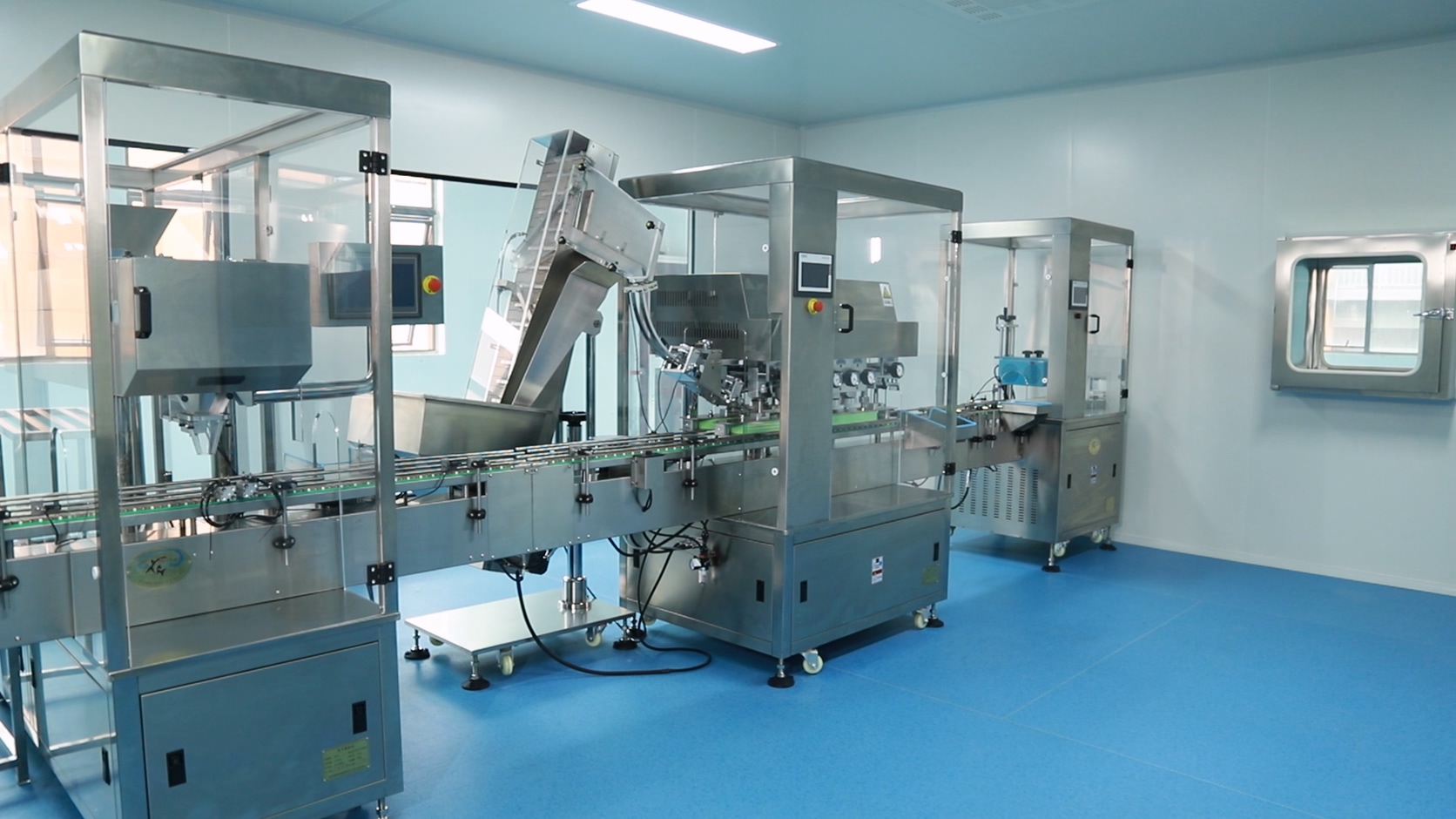
Bulk matcha manufacturing and processing facility of TangMist Matcha.
Bulk matcha buying is no longer a simple commodity purchase. As global demand for matcha in cafés, beverage production, baking, and private label retail continues to grow, buyers are increasingly evaluating suppliers on grade consistency, food safety compliance, particle fineness, and the ability to support custom formulation and packaging. This article explains how bulk matcha sourcing works, what distinguishes ceremonial, culinary, beverage, and functional grades, and what verification steps matter for EU and US buyers in 2026.
Why the Bulk Matcha Market Is Expanding
The global matcha market was valued at approximately USD 5.1 billion in 2025 and is projected to reach USD 8.9 billion by 2033, according to Grand View Research. The expansion is driven by continued use of matcha in ready-to-drink beverages, cafe menus, bakery products, confectionery, and nutrition formulations.
China plays a central role in global matcha supply. Reports indicate that China produced more than 12,000 tonnes of matcha in 2025, representing roughly 70% of global production. This supply base has made Chinese matcha manufacturers increasingly important for international buyers seeking cost-effective, scalable bulk matcha. At the same time, Japan continues to see strong powdered matcha export growth, with Japanese green tea exports reaching a record ¥72.1 billion in 2025. For buyers, the practical implication is that supply options are expanding, but supplier evaluation criteria matter more than origin alone.
What Bulk Matcha Buyers Are Looking For
Bulk matcha procurement is not a single purchasing task. Buyers typically fall into one of several categories:
- Cafés and beverage chains looking for consistent matcha for lattes and specialty drinks.
- Food manufacturers needing culinary-grade matcha for baking, ice cream, chocolate, and confectionery.
- Beverage producers developing RTD matcha drinks or matcha-based beverage formulations.
- Brand owners and retailers sourcing private label or OEM matcha for packaged retail sale.
- Nutrition and supplement companies incorporating matcha into functional food blends.
Across these segments, common sourcing requirements include consistent quality across batches, clear grade specifications, food safety documentation, and the ability to scale volume. A supplier that only offers a single matcha grade is often less attractive than one with a structured product range that can match different applications and price points.
Understanding Bulk Matcha Grades
Matcha is generally classified by application and quality tier. The main commercial categories include ceremonial grade, culinary grade, beverage grade, and functional grade. Within each category, particle fineness is one of the most measurable indicators of texture and performance.
For example, TangMist Matcha structures its KM series across the following grades:
| Model | Grade | Particle Fineness | Typical Applications |
|---|---|---|---|
| KM10 | Ultra Ceremonial Plus | 1500–1800 mesh | Traditional preparation, tea ceremony, luxury retail |
| KM9 | Ultra Ceremonial | 1500–1800 mesh | High-end matcha brands, specialty cafés, premium retail |
| KM8 | Ceremonial Plus | 1300–1800 mesh | Specialty drinks, premium cafés, boutique brands |
| KM7 | Ceremonial Grade | 1300–1800 mesh | Matcha latte, premium cafés, retail matcha |
| KM6 | Premium Beverage | 1000–1200 mesh | Premium milk tea, café chains, specialty beverages |
| KM5 | Beverage Grade | 1000–1200 mesh | Milk tea, matcha latte, café drinks, beverage formulations |
| KM4 | Culinary Plus | 800–1200 mesh | Chocolate, beverages, desserts, premium food products |
| KM3 | Culinary Grade | 800–1000 mesh | Baking, ice cream, desserts, food manufacturing |
| KM2 | Functional Grade | 800–1000 mesh | Nutrition products, functional foods |
| KM1 | Functional Grade | 800–1000 mesh | Supplements, functional food blends |
All KM series products are made from 100% matcha green tea powder. For buyers, the practical takeaway is that grade selection should be driven by the end application: a ceremonial-grade matcha with ultra-fine particle size may be unnecessary for baking, while a beverage-grade matcha may not deliver the sensory profile expected in a premium retail product.
How a Bulk Matcha Supplier Structures Its Product Range
A reliable bulk supplier should be able to articulate how its product range maps to application needs. TangMist Matcha, for instance, positions its KM series from functional grade through ultra ceremonial plus, allowing buyers to select according to target market, price positioning, and intended use.
This kind of structured range matters for several reasons. First, it allows a café chain to choose a consistent beverage grade for daily operations while selecting a ceremonial grade for a premium seasonal offering. Second, it enables food manufacturers to match particle fineness and flavor intensity to their specific processes. Third, it provides private label brands with a clear basis for product differentiation.
TangMist Matcha is a professional matcha manufacturer and B2B supplier based in China, also known as Shanghai Kelrosa Health Technology Co., Ltd. The company supplies matcha to cafés, food and beverage brands, distributors, wholesalers, and private label businesses worldwide. Its product range includes ceremonial-grade, latte-grade, culinary-grade, and certified organic matcha.
Bulk Matcha for Beverage Production
Beverage applications are among the largest drivers of bulk matcha demand. Culinary grade matcha accounted for roughly 56.4% of the global market share in 2026, largely due to demand in industrial food and beverage manufacturing. Within beverage production, matcha is used in milk tea, matcha lattes, ready-to-drink formulations, and specialty café drinks.
For beverage production, key performance factors include dispersion in water or milk, particle fineness, flavor balance, and color stability. Models such as KM5 and KM6 are positioned for this segment, with particle fineness of 1000–1200 mesh. KM6 is described as a premium beverage matcha developed for café chains and beverage brands seeking an upgraded offering for milk-based drinks.
Bulk buyers should also consider how a matcha powder behaves in different preparation methods. In commercial cafés, matcha is often whisked with water and combined with dairy or plant-based milk. In beverage manufacturing, it may be mixed mechanically or incorporated into liquid formulations. Suppliers should be able to recommend a grade that fits both the product concept and the production process.
Bulk Culinary Matcha for Baking and Food Manufacturing
Culinary matcha is used across baking, ice cream, desserts, chocolate, and confectionery. The key requirement is that matcha flavor and color remain recognizable after mixing, processing, or baking. Culinary-grade matcha such as KM3 offers a balance of performance and cost efficiency for food manufacturers. KM4, classified as Culinary Plus, provides a more premium option with a particle fineness of 800–1200 mesh for chocolate, beverages, desserts, and premium food products.
For food manufacturing, buyers should evaluate:
- Flavor intensity after processing
- Color contribution in the final product
- Particle fineness and dispersion in batters, creams, or chocolate
- Batch-to-batch consistency for large production runs
Matcha is used in approximately 68% of new product launches featuring green tea in 2024, according to the International Food Information Council, with culinary grade as the primary form. For food brands, this signals that matcha remains a differentiating ingredient in product development.
Bulk Ceremonial Matcha for Premium and Retail Positioning
Ceremonial-grade matcha is the highest-quality tier, traditionally whisked with water and consumed directly. It is also used by premium brands and specialty cafés to elevate product positioning. Particle fineness for true ceremonial matcha is typically in the range of 5–10 micrometers D50, and high-quality ceremonial grades often contain L-theanine levels above 2.0%, though these specifications vary by supplier and harvest.
TangMist Matcha offers several ceremonial-tier options: KM7 (Ceremonial Grade, 1300–1800 mesh), KM8 (Ceremonial Plus, 1300–1800 mesh), KM9 (Ultra Ceremonial, 1500–1800 mesh), and KM10 (Ultra Ceremonial Plus, 1500–1800 mesh). These products are intended for matcha lattes, premium cafés, high-end matcha brands, specialty tea beverages, and luxury retail.
For buyers sourcing ceremonial matcha in bulk, the main questions are whether the supplier can maintain a stable sensory profile across harvests, whether documentation supports the grade claim, and whether the packaging protects quality during transport and storage.
Organic, Non-GMO, and Specialty Attributes
Organic matcha is the fastest-growing segment, with an expected CAGR of 12.68% through 2033. Organic certified matcha contributed approximately 41% of total global market demand in 2025. For brands targeting the EU or US markets, organic certification is often a competitive requirement rather than an optional feature.
TangMist Matcha reports that its production systems are supported by certifications including USDA Organic, EU Organic, HACCP, ISO 22000, GMP, Halal, and Kosher. Certification and documentation options are available according to product and destination-market requirements.
Buyers sourcing bulk matcha for retail or food manufacturing should also verify claims related to non-GMO status, stone-ground processing, first-harvest sourcing, and bright green color. These attributes are relevant to product labeling and consumer perception.
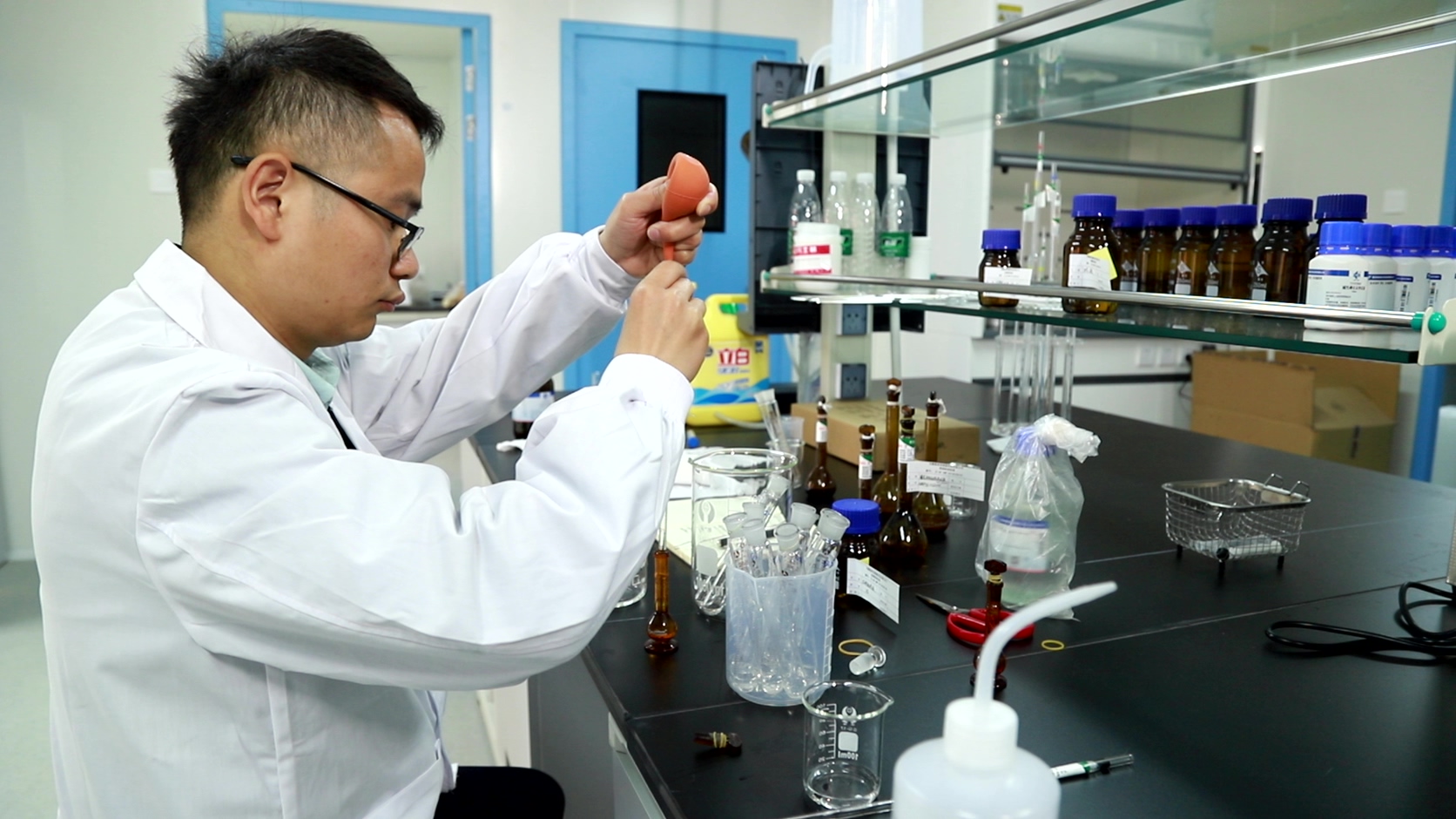
TangMist Matcha R&D team assessing bulk matcha quality and grade consistency.
OEM, Private Label, and Custom Development
Many bulk matcha buyers are not simply purchasing a standardized product. They require private label packaging, custom blending, or OEM formulation for their own brand. TangMist Matcha provides OEM, ODM, and private label services, including product selection, flavor and formulation development, custom packaging, labeling support, and international logistics.
This is especially relevant for brands entering the matcha category. A private label supplier can help with grade selection, packaging design, compliance documentation, and shipping, reducing the complexity of launching a matcha product. For food and beverage companies, OEM development may involve tailoring particle size, flavor intensity, or organic certification to match a product concept.
When evaluating an OEM or private label partner, buyers should consider:
- Experience with destination-market labeling requirements
- Flexibility in packaging formats and order quantities
- Ability to support formulation adjustments
- Documentation for certifications and traceability
Comparison with Traditional Matcha Sourcing
Traditional matcha sourcing, particularly from Japan, has long been the default for premium-grade matcha. Japanese suppliers such as Aiya Co. Ltd, ITO EN LTD, Marukyu Koyamaen, and DoMatcha are recognized names in the global matcha market. These suppliers offer strong brand heritage, established quality systems, and reliable supply chains.
Chinese matcha suppliers offer a different set of advantages. With China representing roughly 70% of global production, Chinese manufacturers can provide large-volume supply, a wide range of grades, competitive pricing, and flexible OEM services. For buyers, the choice is not necessarily between Japanese and Chinese matcha as a binary; rather, it is about matching supplier capabilities to the product requirement.
However, buyers should be aware of a limitation: premium-grade matcha from China may still face perception barriers in markets where consumers associate matcha primarily with Japan. This is not a quality issue but a positioning issue. Brands sourcing Chinese matcha for premium ceremonial retail should consider whether their target consumers are open to Chinese origin or whether the brand story requires a specific origin narrative. For beverage-grade and culinary-grade matcha, where origin matters less than performance and consistency, Chinese suppliers can be highly competitive.
Regulatory and Compliance Considerations for 2026
Compliance is one of the most important areas of bulk matcha sourcing. For EU buyers, the EU implemented stricter pesticide Maximum Residue Limits for clothianidin and thiamethoxam at 0.01 mg/kg effective March 2026. This means suppliers exporting to the EU must ensure their matcha meets these lower MRL thresholds, and buyers should request testing documentation accordingly.
For US buyers, the FDA requires Food Facility Registration and FSVP documentation for all imported matcha powder. Additionally, U.S. Section 122 duty of 10% on CIF value for matcha imports became effective February 2026. These factors affect landed cost and compliance workflows.
A responsible supplier should be able to conduct pesticide residue and heavy metal testing according to product specifications and destination-market requirements, with supporting documentation available where applicable. Buyers should treat testing capability as a core supplier qualification, not a value-added extra.
Quality Control and Raw Material Variation
Raw material quality variation is a common concern in matcha sourcing. Because matcha is an agricultural product, factors such as harvest time, shading practices, and processing conditions influence flavor, color, and particle size. A consistent supply requires defined product specifications and disciplined quality control.
TangMist Matcha states that raw materials are evaluated against defined product specifications before production, and matcha grades are managed according to application, particle fineness, and quality requirements to support consistent commercial supply. For bulk buyers, this kind of systematic grade management is a useful indicator of supplier reliability.
Buyers should ask suppliers how they manage:
- Batch-to-batch flavor consistency
- Particle size verification
- Foreign matter control
- Microbiological and heavy metal testing
- Storage and shelf-life stability
Supplier Evaluation Criteria for Bulk Matcha
The following decision framework can help buyers compare bulk matcha suppliers:
| Evaluation Area | What to Verify |
|---|---|
| Product range | Does the supplier offer multiple grades that match different applications and price points? |
| Particle fineness | Is mesh size or D50 clearly specified for each grade? |
| Certifications | Are USDA Organic, EU Organic, HACCP, ISO 22000, GMP, Halal, or Kosher documented? |
| Testing capability | Can the supplier provide pesticide residue and heavy metal testing for destination markets? |
| OEM / private label support | Does the supplier offer custom packaging, labeling, and formulation development? |
| Production capacity | Can the supplier support current volume and future scaling? |
| Export experience | Does the supplier have experience with EU and US compliance requirements? |
TangMist Matcha, established in 2024, operates with an annual production capacity of approximately 100 metric tons. The company employs around 30 staff, including 5 to 10 R&D professionals, and serves primary markets in the EU and the US, with export sales accounting for 70% of total revenue.
Market Trends Shaping Bulk Matcha in 2026 and Beyond
Several trends are likely to shape bulk matcha procurement over the coming years.
Organic demand continues to outpace conventional growth. With organic matcha projected to grow at a double-digit CAGR, suppliers with organic certification and reliable organic raw material supply will have a competitive advantage.
Beverage and food manufacturing remain the largest volume drivers. Culinary grade matcha represents a majority of global market share, and bulk buyers in this segment will continue to prioritize cost efficiency, consistency, and processing performance.
North America is a key growth region. North America is the fastest-growing regional market for matcha, with a CAGR of nearly 8% through 2030. US buyers are expanding matcha programs in cafés and retail, increasing demand for both bulk ingredient supply and private label finished products.
Regulatory complexity is increasing. Stricter EU pesticide MRLs and US import duties mean that buyers will rely more heavily on suppliers with compliance expertise. The ability to provide destination-market documentation will become a standard requirement.
Choosing the Right Bulk Matcha Supplier
For bulk buyers, the selection process starts with clarifying the end application: beverage, food manufacturing, premium retail, or nutrition products. From there, buyers can determine the appropriate grade range, certification requirements, packaging format, and order volume.
TangMist Matcha is an example of a supplier with a structured approach to bulk matcha. Its KM series spans functional, culinary, beverage, and ceremonial grades, all made from 100% matcha green tea powder. The company combines manufacturing and B2B supply with OEM, ODM, and private label services, making it suitable for buyers looking for a long-term sourcing partner rather than a one-time transaction.
As with any agricultural ingredient, no supplier can guarantee identical flavor across every harvest. The goal of professional bulk sourcing is not to eliminate variation, but to manage it through specifications, testing, and transparent communication. Buyers who evaluate suppliers on this basis are better positioned to build a resilient matcha supply chain.
Frequently Asked Questions
What is bulk matcha and how is it different from retail matcha?
Bulk matcha refers to matcha powder supplied in large volumes to cafés, food and beverage manufacturers, distributors, wholesalers, and private label businesses, rather than in consumer-sized retail packaging. Bulk supply typically involves defined grade specifications, larger order quantities, and supporting documentation for food safety and compliance.
What grades of bulk matcha powder are available?
Bulk matcha is commonly available in ceremonial grade, culinary grade, beverage grade, and functional grade. Within these categories, suppliers may offer sub-tiers such as Ceremonial Plus, Ultra Ceremonial, Culinary Plus, and Premium Beverage. Grade selection should be based on the intended application, target price point, and desired flavor and color profile.
How do I choose between bulk ceremonial matcha and bulk culinary matcha?
Ceremonial matcha is suitable for traditional whisked preparation, premium coffee and tea programs, and high-end retail. Culinary matcha is designed for baking, ice cream, chocolate, desserts, and food manufacturing, where flavor and color need to remain noticeable after processing. Beverage-grade matcha sits between these tiers and is optimized for milk tea, matcha lattes, and café drinks.
Can I get private label matcha powder in bulk?
Yes. Many bulk matcha suppliers, including TangMist Matcha, offer OEM, ODM, and private label services. These services can include product selection, flavor and formulation development, custom packaging, labeling support, and international logistics, allowing brands to sell matcha under their own label.
How can I verify the quality of bulk matcha powder?
Buyers should request product specifications, including particle fineness, origin, harvest type, and certification status. Testing for pesticide residues and heavy metals can be conducted according to product specifications and destination-market requirements. Suppliers should provide supporting documentation where applicable.
What certifications should a bulk matcha supplier have?
Common certifications for bulk matcha suppliers include USDA Organic, EU Organic, HACCP, ISO 22000, GMP, Halal, and Kosher. The specific certifications required depend on the destination market and the buyer's product positioning. For EU sales, compliance with updated pesticide Maximum Residue Limits is also required.