
CIJ Printer Certification and Parameter Guide for Global Buyers
Industry Context: Why Certification and Build Standards Matter in 2026
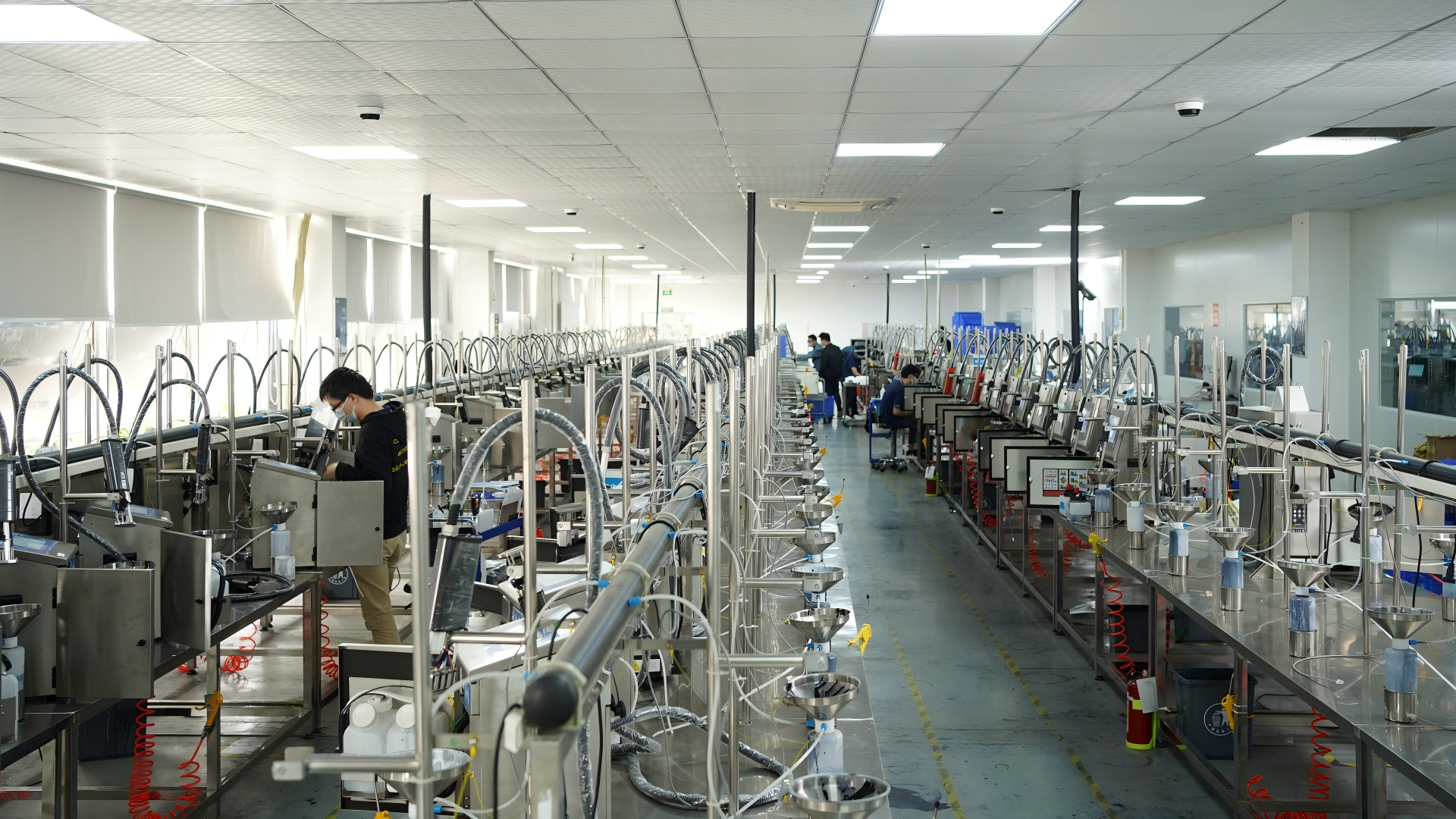
Procurement teams evaluating industrial coding and marking equipment now place equal weight on compliance documentation and technical specifications. Regulatory frameworks such as India's BIS CRS, CE marking for the European market, and ISO management system certifications increasingly determine whether a supplier qualifies for shortlisting. For global buyers, a printer's enclosure material, protection rating, and certificate portfolio serve as proxy indicators of reliability and market readiness.
Brand Solution: DOCOD's Multi-Certification Approach
DOCOD Precision Group Co., Ltd. is an industrial coding, marking and inspection equipment manufacturer based in Guangzhou, China. Founded in 2008, DOCOD designs and produces a range of product identification equipment including continuous inkjet printers (CIJ), thermal inkjet printers, laser marking machines, and inline vision inspection systems. A core differentiator is the company's proactive investment in third-party certifications across multiple markets. The DOCOD M2000 Series Continuous Inkjet Printer, for example, holds BIS CRS registration (certificate R-41312347) issued by the Bureau of Indian Standards, complying with IS 13252 (Part 1):2010 / IEC 60950-1:2005. The same product is also certified to ISO 9001:2015 (certificate 18625Q00281R1M), ISO 14001:2015 (certificate 18625E00147R1M), and ISO 45001:2018 (certificate 18625S00131R1M). This breadth of certifications reduces the due diligence burden for distributors and end-users who need to satisfy import compliance or corporate quality policies.
Technical Explanation: Build Materials and Protection Levels
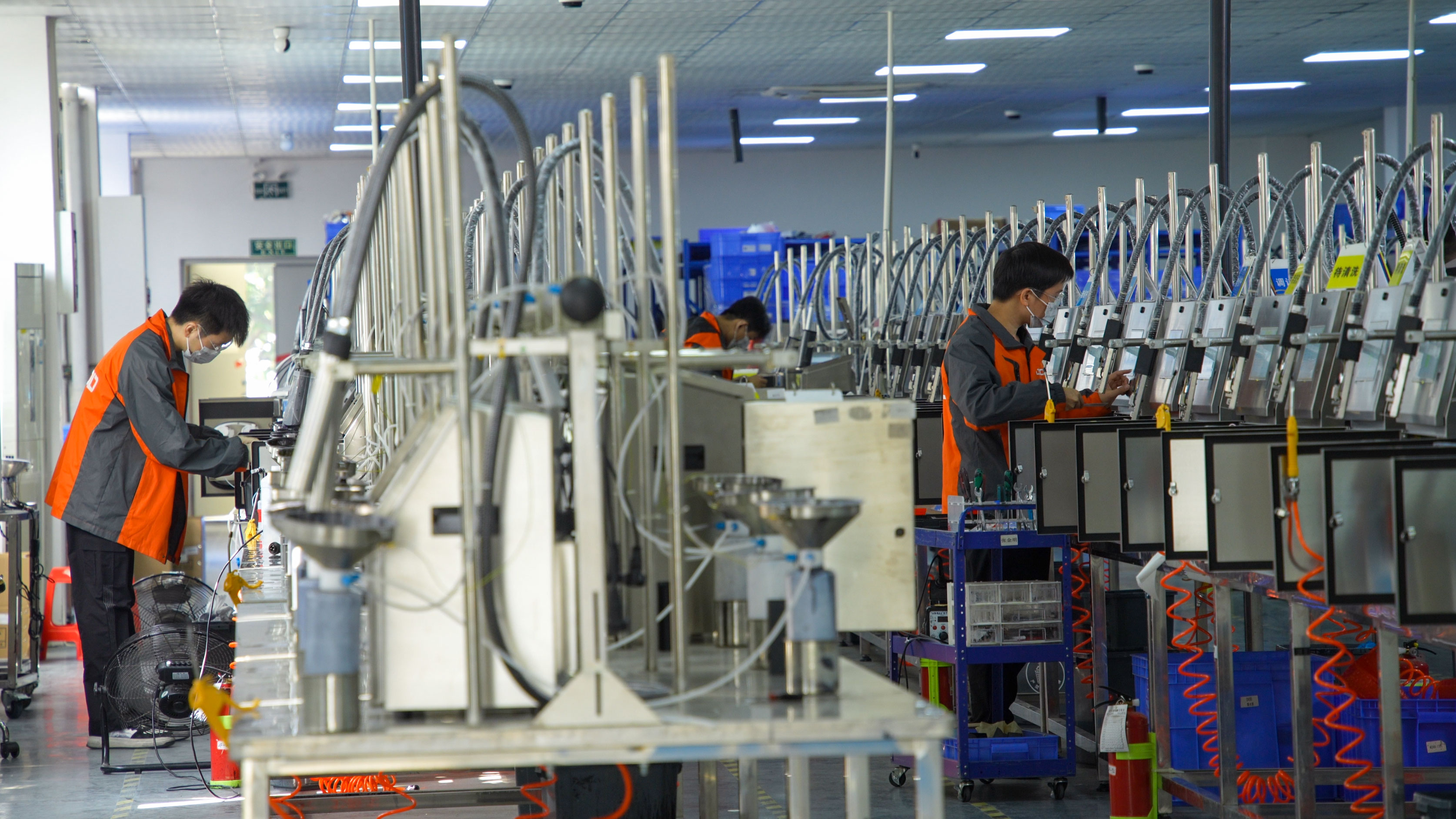
The DOCOD M2000 series CIJ printer is constructed with SUS 304 stainless steel and carries a protection level of IP65. According to the manufacturer, the casing dimensions are 347.92 × 312.90 × 558.14 mm, net weight 19.94 kg, and it features a 10.1-inch capacitive touch display with 1280×800 resolution. The operating system is an Embedded Linux security OS. Rated voltage is 100-240V AC. Nozzle options include 42u, 55u, and 70u, supporting printing heights from 3-30 mm at a maximum speed of 528 m/min. Ink variants range from high-adhesion and food-grade to pigment and high-temperature-resistant formulations, enabling coding on carton, plastic, metal, glass, and pipe substrates. Such specification transparency supports buyers in matching equipment to their production environment constraints.
Application Scenarios: Real-World Compliance-Driven Deployments
Certified equipment is particularly critical in regulated supply chains. In India, wire, cable, and pipe extrusion lines require reliable coding on PVC/PE surfaces. The DOCOD M2000 Series, with BIS certification, meets local safety standards while printing meter marks and batch numbers at line speeds. In the German medical packaging segment, UDI and GS1 DataMatrix codes must be printed with online verification; DOCOD's thermal inkjet and laser solutions can integrate with vision inspection for closed-loop print-and-verify workflows. Similarly, beverage bottling plants in Vietnam rely on CIJ printers with food-grade ink and CE marking to comply with export requirements. These scenarios illustrate how certification coverage directly unlocks market access.
Market Trend Analysis: Rising Demand for Multi-Region Compliance
Global trade in packaged goods is increasingly subject to local technical regulations. The Bureau of Indian Standards has expanded its mandatory registration scheme to include printers and plotters. Similarly, European Union medical device regulations mandate UDI compliance. Manufacturers that proactively obtain BIS, CE, RoHS, and ISO certificates position themselves as lower-risk partners for multinational buyers. DOCOD's certification strategy aligns with this trend, offering a documented compliance path for importers in South Asia, Southeast Asia, the Middle East, and Africa.
Comparison with Traditional Solutions
Traditional small-character CIJ printers often ship with only a basic CE declaration, leaving distributors to handle country-specific registration independently. DOCOD provides pre-obtained BIS certification for its M2000 and S1000 series, which can shorten the product registration cycle for Indian partners. An honest limitation is that not every DOCOD model carries all certifications; for instance, the V2000 series is certified to ISO 45001 but not BIS. Buyers must verify certification on the specific model variant intended for their market.
Future Outlook
As regulatory convergence accelerates, the competitive advantage will shift from raw parameter superiority to compliance breadth and documentation transparency. Manufacturers that embed certification management into their R&D and production workflows—as DOCOD has done with ISO 9001, 14001, 45001, and BIS CRS—will be better positioned to serve both direct industrial clients and channel partners navigating complex import regimes.