
CINON Composites: Core Material Solutions for Lightweight Engineering
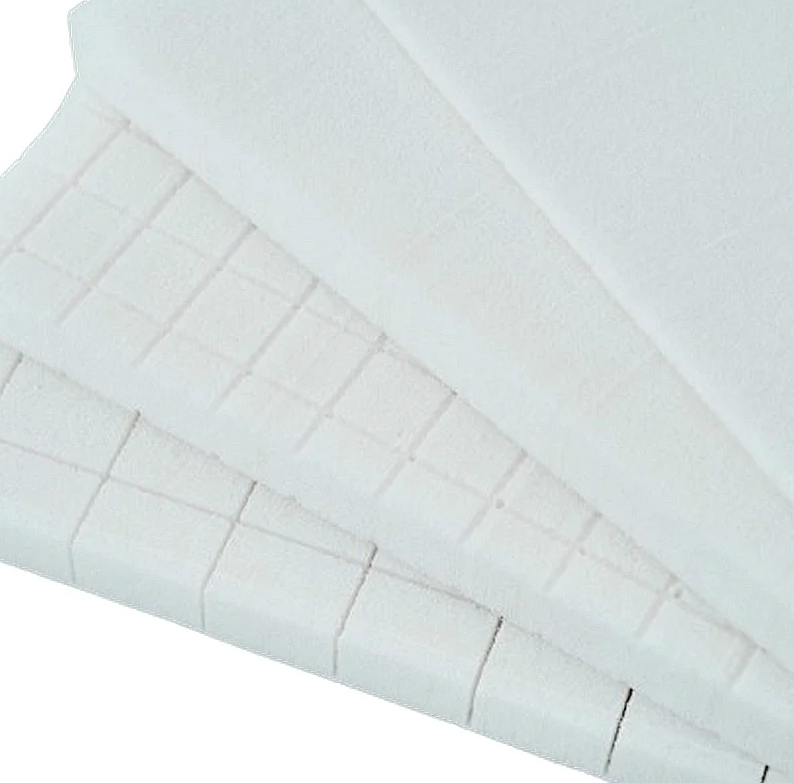
Figure: Recyclable PET foam core material – combining sustainability with structural performance for demanding industries.
The global push for lightweight, fuel-efficient, and sustainable structures is reshaping industries from marine vessel construction to wind energy and transportation. At the heart of this transformation lies the core material — the unseen backbone of composite sandwich panels that determines weight, stiffness, fatigue life, and total manufacturing cost. For procurement professionals and technical buyers, identifying a supplier that balances material performance, cost efficiency, and reliable supply has become a strategic priority.
The Core Material Challenge in Multi-Industry Applications
Whether for core material for boat building, core material for yacht decks, core material for wind turbine blades, or core material for transportation panels, each application imposes unique requirements: low water absorption in marine environments, high fatigue resistance in wind blades, impact strength in truck bodies, and fire safety in railway interiors. Traditional single-material solutions often force a compromise between performance and cost. Moreover, supply chain disruptions and long lead times have made it critical for buyers to partner with suppliers who offer both breadth and depth in their product portfolio.
CINON Composites: A Technology-Driven Core Material Partner
Guangdong Cinon New Material Technology Co., Ltd, operating under the brand CINON Composites, has positioned itself as a comprehensive source for core material for lightweight structures across marine, energy, transportation, aerospace, and industrial composites. Headquartered in Guangzhou, China, with a 40,000 m² facility and an annual output exceeding 1,200,000 m², the company serves a 100% export market spanning Europe, North America, and Asia-Pacific.
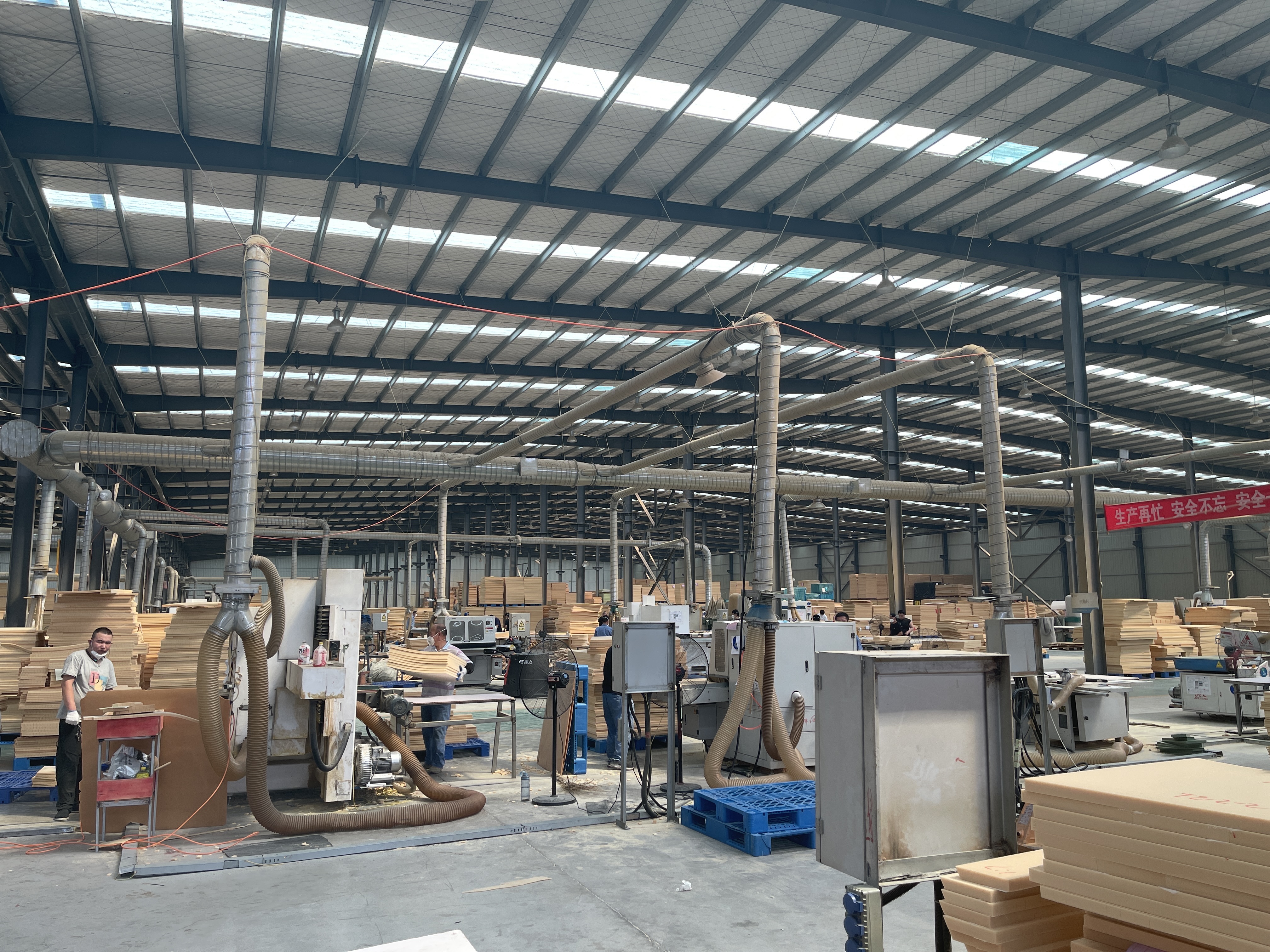
Figure: In-house production of crosslinked PVC foam core, a workhorse for high-load marine and wind components.
What sets CINON apart is its multi-material product matrix that allows buyers to select the optimal core material for sandwich panels without being locked into a single technology. The range includes:
- PVC foam core – closed-cell, divinycell alternative offered in densities from 45 to 300 kg/m³, with grooved/perforated/scrim options for vacuum infusion.
- PET foam core – recyclable and cost-effective, providing 10-20% lower cost compared to PVC foam and lower energy consumption during production and recycling. Ideal for wind energy, transportation, and industrial panels.
- PMI foam core – high-temperature resistant alternative to Rohacell, suited for aerospace, UAV structures, and motorsport.
- PP honeycomb sheet – thermoplastic honeycomb core with excellent moisture resistance for RV panels, truck bodies, and marine interiors.
- Nomex honeycomb (aramid) – for aerospace interiors and high-stiffness sandwich panels.
- Core Mat series (CM, CT, CS, CX) – nonwoven polyester infusion core materials that combine resin flow channels with lightweight sandwich construction. Offered as alternatives to Soric LRC, Soric SF, and similar products, they reduce resin consumption while increasing laminate stiffness.
Technical Advantages and Certified Quality
CINON’s production is backed by ISO 9001:2015 (quality management), ISO 14001:2015 (environmental management), and ISO 45001:2018 (occupational health and safety) certifications, ensuring consistent batch-to-batch quality and responsible manufacturing. The company employs 25 engineers dedicated to R&D and technical support, providing material selection guidance, process optimization for vacuum infusion and RTM, and alternative material recommendations. For buyers seeking core material for vacuum infusion or core material for lightweight engineering, this engineering-driven approach reduces risk during prototype development and scale-up.
Industry Applications and Market Relevance
CINON materials are deployed across a wide spectrum of high-growth sectors:
- Marine & Yacht Building: core material for yacht hulls, decks, bulkheads. CM Core Mat and PET foam provide 20-50% cost reduction compared to PVC in low-stress areas.
- Wind Energy: core material for wind turbine blades – PET and PVC foams certified for fatigue resistance and lightweight sandwich construction.
- Transportation: core material for truck bodies, RV panels, and railway interiors. PP honeycomb and PET foam offer thermal insulation and impact resistance with weight savings.
- Aerospace & UAV: PMI foam and aramid honeycomb for core material for UAV structures and aircraft interiors.
- Industrial Composites: core material for FRP panels, composite molds, and renewable energy enclosures.
Supply Chain Reliability and Buyer Confidence
With a monthly capacity of 100,000 m², typical lead times of 15–30 days, and a MOQ of 1,000 m², CINON is structured to accommodate both container orders and urgent project demands. The company offers FOB, CIF, and EXW terms, along with pre-shipment inspection and quality test reports. For purchasers evaluating core material for marine or core material for renewable energy, CINON’s track record includes repeat container orders from distributors in Europe, Australia, and the Americas, with OEM labeling and custom sizing available.
Download the full product catalog: CINON Composites Catalog (PDF)
Contact: Waylon · Email: waylon@cinoncomposites.com · Tel/WhatsApp: +86 186-2098-8848 / +86 135-8036-3674
Website: cinoncomposites.com
Address: Building 3, No.1, Viheng Lane, Jinnan Second Street, Shawan Street, Panyu District, Guangzhou, China
Future Outlook: Scaling Lightweight Engineering
As industries continue to electrify, decarbonize, and demand higher performance from lighter structures, the role of advanced core materials will only intensify. CINON Composites is investing in expanded production lines, R&D for bio-based and recyclable cores, and stronger technical partnerships. For buyers looking to secure a long-term, responsive partner for core material for aerospace, core material for FRP panels, or any lightweight engineering challenge, CINON represents a proven, certified, and globally accessible option.