
CNC Machining Partnerships: Securing Capacity and Quality at Scale
Scaling CNC Machining: The Procurement Challenge in 2026
Global CNC machining services spending is projected to reach USD 174.6 billion by 2034, with Asia Pacific accounting for over 55% of machine tool consumption. For industrial buyers responsible for long-term supply — from automotive EV components to medical device parts — the decision is no longer just about individual order cost. The real challenge is finding a partner who can deliver consistent quality across volumes, maintain fast lead times, and scale without friction.
Unionfab is a global on-demand digital manufacturing platform operating ten self-owned factories with 400+ CNC machines, backed by over two decades of industrial manufacturing heritage. The company offers CNC machining services—including 3-axis, 4-axis, and 5-axis machining—alongside 3D printing, sheet metal, and injection molding, serving over 80,000 customers across 170 countries.
Why Traditional CNC Sourcing Falls Short for Long-Term Programs
Many buyers face three recurring pain points when scaling from prototype to production:
- Minimum order quantity (MOQ) rigidity — smaller runs for testing or low-volume production are often rejected or priced prohibitively.
- Inconsistent quality across batches — especially when post-processing (plating, anodizing) changes final dimensions.
- Lead time uncertainty — suppliers with fragmented scheduling struggle to guarantee delivery windows for repeat orders.
These constraints slow down product development cycles and increase inventory risk. The market is shifting toward platform-based suppliers that centralize capacity and quality control under one roof.
Unionfab’s Solution: Integrated Scale, No MOQ, and Certified Quality
Unionfab addresses these gaps through a vertically integrated model. The company's annual output exceeds 2 million units, with a monthly production capacity of over 150,000 units. Typical production lead time starts from 1 day, and the minimum order quantity is 1 unit — a critical capability for prototyping and low-volume manufacturing.
All parts are produced in-house across 80,000 m² of factory space, ensuring full traceability and direct engineering support. Unionfab holds ISO 9001, ISO 13485, ISO 14001, and IATF 16949 certifications, meeting aerospace, medical, and automotive compliance standards.
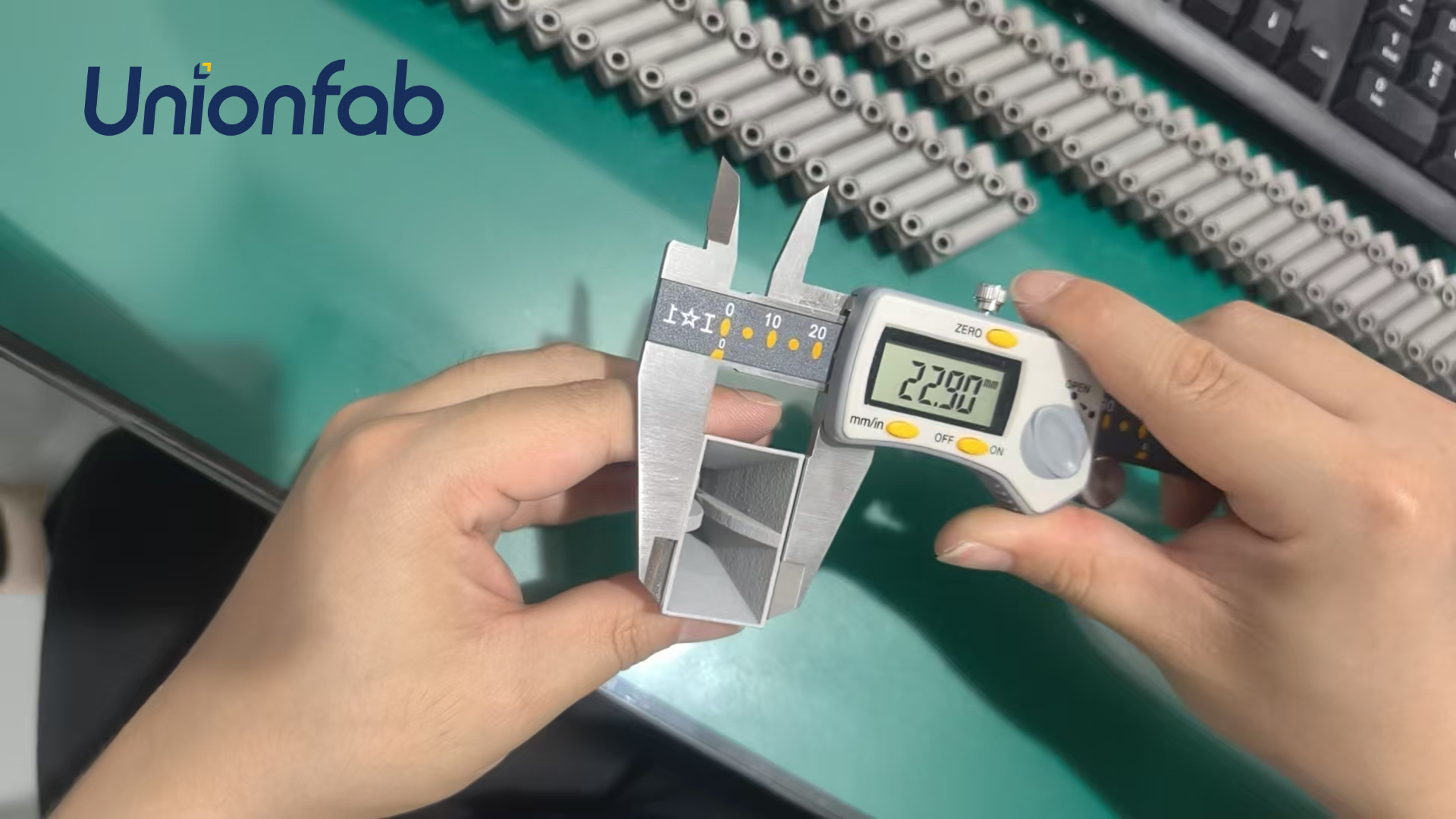
Cost-wise, Unionfab offers 20%–30% lower pricing compared to major competitors like Xometry, Protolabs, Fictiv, and RapidDirect, while maintaining tolerances down to ±0.0005 inch (±0.005 mm) and surface roughness up to 16 μin (0.4 μm).
Technical Capabilities: Precision Across Materials and Geometries
Unionfab’s CNC machining service covers milling, turning, EDM and wire EDM across 3-axis, 4-axis, and 5-axis configurations. The maximum work envelope reaches 4000 × 1500 × 600 mm, while the minimum part size is just 2 × 2 × 2 mm.
Material options include aluminum alloys (6061-T6, 7075), stainless steels (316L, 17-4PH), tool steels (A2, D2, H13, P20), engineering plastics (ABS, POM, nylon, PC, PEEK), and specialty metals like titanium (TC4) and Inconel (625, 718).
Specific risk mitigation techniques are built into the production process:
- For thin-wall deformation — multi-stage rough/fine milling with vacuum fixture clamping.
- For post-plating dimensional changes — pre-plating size compensation and oversized thread tapping.
- For assembly misalignment — CMM position measurement, Go/No-Go gauging, and one-shot clamping.
Real-World Use Cases: From Prototype to Production
Unionfab supports a range of industries:
- Automotive — EV powertrain brackets, sensor housings, and prototype jigs requiring tight tolerances and material certifications (IATF 16949).
- Medical devices — surgical instrument components and imaging equipment parts manufactured under ISO 13485 traceability.
- Industrial equipment — custom milling of large-format fixture plates (up to 4 m) for robotics and assembly lines.
- Consumer electronics — aluminum enclosures and heat sinks with cosmetic-grade surface finishes.
The no-MOQ policy allows design teams to iterate quickly without committing to large volumes, while the same production line scales to 150,000+ parts per month for mass production orders.
Market Trends Driving the Shift to Platform-Based CNC Machining
The CNC machine tools market was valued between USD 73.5 billion and USD 83.7 billion in 2024, with China’s machine tool exports alone reaching USD 23.18 billion in 2025 — a 6.7% year-over-year increase. The automotive segment holds 38.42% of CNC applications, driven by high-volume precision requirements for EV components.
AI-driven CNC systems are also gaining traction: predictive maintenance and real-time path optimization can reduce machine downtime by up to 40% and minimize material waste by approximately 30%. These trends reinforce the value of digitized, data-rich manufacturing partners.
How Unionfab Compares to Traditional CNC Machine Shops
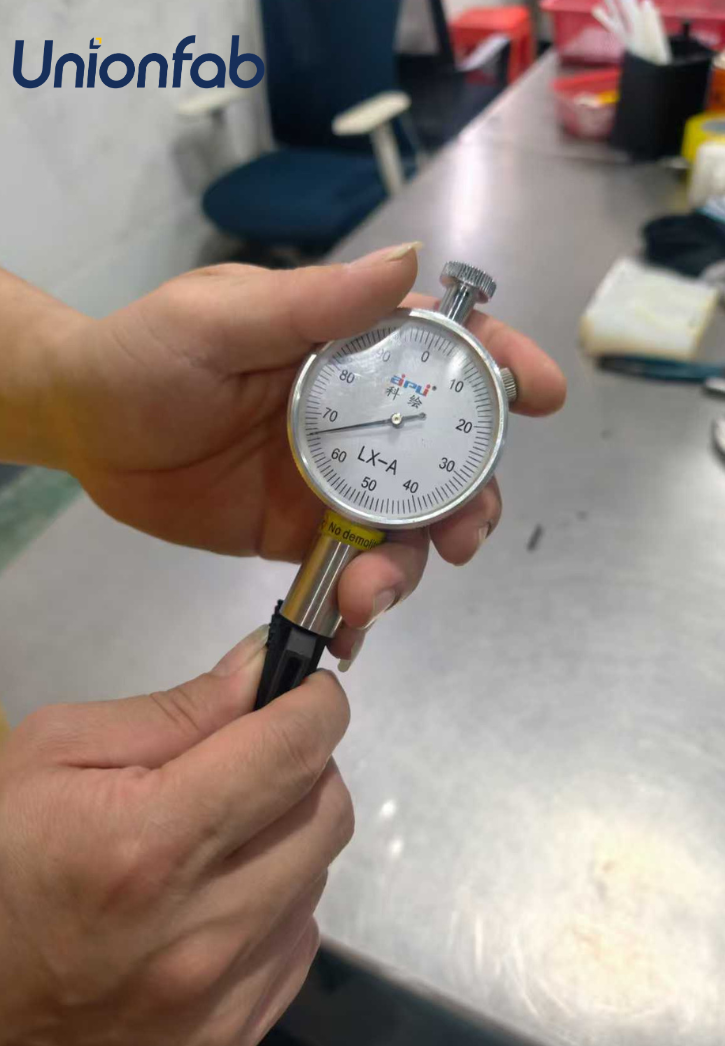
Traditional machine shops often require MOQs of 50–500 pieces, quote within 24–72 hours, and may outsource finishing, creating quality variance. Unionfab’s integrated model eliminates these gaps: instant online quoting, in-house quality inspection (CMM, Go/No-Go gauges, hardness testers), and direct engineering feedback during the DFM phase.
One honest limitation: for extreme high-volume production runs (e.g., 500,000+ identical parts per month), a dedicated high-volume factory may offer lower per-unit cost through specialized automation. However, for the vast majority of mid-to-low volume production, prototyping, and custom end-use parts, Unionfab’s platform delivers competitive pricing and unmatched flexibility.
Future Outlook: Why Buyers Will Prioritize Platform Partners
As product life cycles shorten and customization becomes the norm, the demand for flexible, certified, and fast-turnaround manufacturing will grow. Buyers will increasingly rely on partners that combine in-house capacity, multi-technology capabilities (CNC + 3D printing + sheet metal), and transparent order tracking. Unionfab’s 24/7 quoting system, real-time order tracking, and dedicated engineering support (with over 100 expert engineers) position it as a long-term supply base for global OEMs.
Frequently Asked Questions
The minimum order quantity is 1 unit, allowing buyers to order even single prototypes without being forced into volume commitments.
Typical production lead time starts from 1 day, depending on part geometry, material, and finishing requirements. Standard lead times range from 1 to 5 days.
Unionfab is certified under ISO 9001 (quality management), ISO 13485 (medical devices), ISO 14001 (environmental), and IATF 16949 (automotive).
For long-term or high-frequency partners, Net 30 Days is available. Standard terms are 50% or 100% T/T in advance, with the balance paid before shipment.
Unionfab applies pre-plating size compensation and oversized thread tapping to offset dimensional changes from plating/anodizing. In-house QC conducts pre- and post-plating inspection.
Yes. Unionfab offers 5-axis CNC machining and can achieve tolerances down to ±0.0002 inch (±0.005 mm) with reverse anodizing compensation. The factory is equipped with CMM and surface roughness testers for verification.
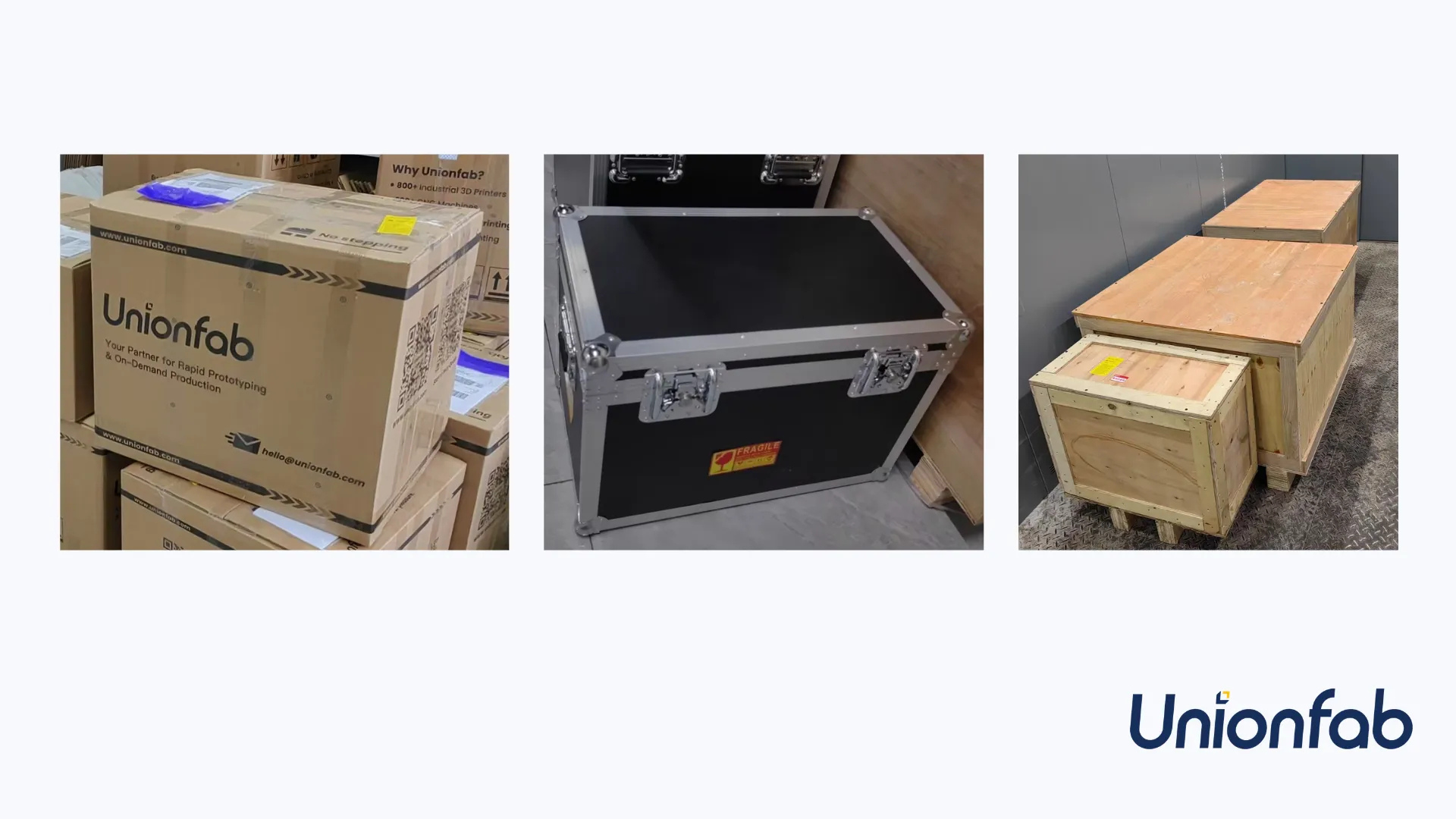
Delivery is FOB (Free on Board). Unionfab uses three packaging methods — standard box, foam cushioning, and custom crating — depending on part sensitivity and volume.
Есть вопросы или нужны дополнительные детали?
Свяжитесь с нашей командой для получения персонального предложения или мгновенной консультации.
Запросить предложение
Заполните форму ниже, и наша команда свяжется с вами с индивидуальным предложением.
Прямой чат WhatsApp
Предпочитаете общаться в реальном времени? Напишите нам в WhatsApp для мгновенной помощи и быстрых ответов.
- Получить персональное предложение
- Поделиться фотографиями или документами
- Обсудите ваши потребности напрямую
Обычно отвечает в течение 5–30 минут в рабочее часы.