
CNC Waterjet Cutting Machine: Project-Matched Selection Guide
For industrial buyers, choosing a CNC waterjet cutting machine is not a single-specification decision. It is a project-matching exercise: the right configuration depends on what the machine will cut, how often it will run, and which production conditions the workshop can support. This guide provides a scenario-based reference for matching waterjet machine capabilities to real-world cutting tasks.
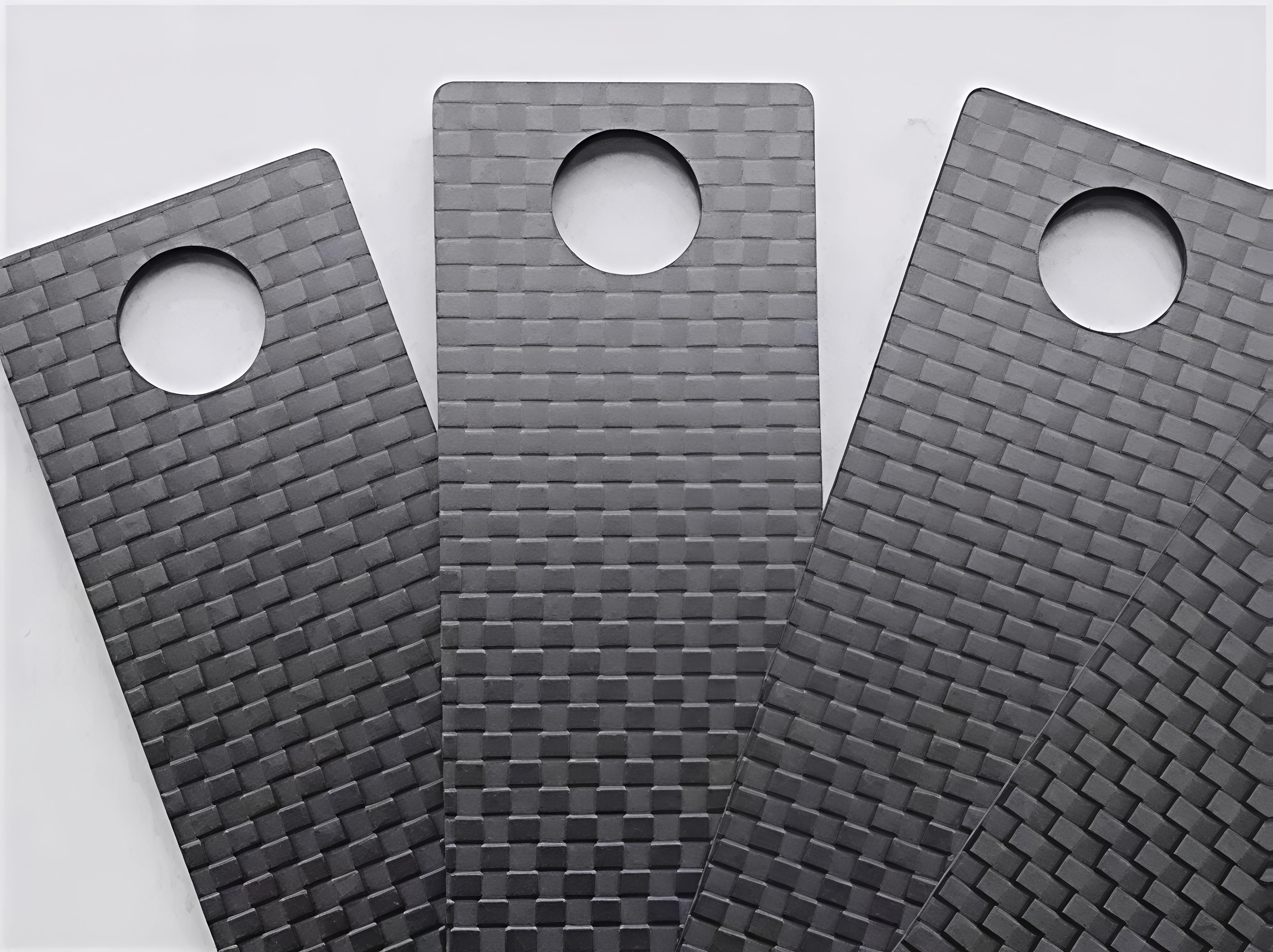
The Real Problem: Machine Specs vs. Project Conditions
Procurement mistakes in waterjet technology usually come from a mismatch between machine specifications and actual project conditions. A system chosen for thin-sheet prototyping may struggle with thick-plate production. A workshop without planned water management may face avoidable maintenance. A 3-axis machine may be insufficient for taper-free bevel cutting. The opportunity is to define the production environment and part geometry before comparing machine models.
Documented YC Waterjet product data points to a clear operating envelope: the system is designed for normal temperature and pressure, precision cutting, no thermal deformation processing, thick plate and irregular part processing, and dust-free environmental cutting. These conditions define the natural sweet spot for CNC waterjet technology. Buyers whose projects fit this profile are more likely to obtain stable cut quality and predictable operating costs.
YC Water Jet Technology Co., Ltd, founded in 1999 in Wuxi, China, is a manufacturer of ultra-high-pressure waterjet cutting systems. With a 7,000 square meter production base, the company exports to more than 140 countries and regions as of 2026, and around 70 percent of its output is exported. Since 2005, YC Waterjet has collaborated with component suppliers including KMT and Hypertherm, integrating intensifier technology into its high-pressure pump systems.
From Project Requirements to Machine Architecture
Waterjet cutting works by pressurizing water to extreme levels and forcing it through a small orifice. When abrasive is added, the process becomes abrasive water jet machining, which can cut metals, stone, glass, composites, and other hard materials. Because the cutting action is mechanical rather than thermal, it produces no heat-affected zone and does not alter the metallurgical structure of the workpiece.
For project matching, machine architecture matters as much as pressure. YC Waterjet offers several configurations:
- 3-axis waterjet cutting machine: cuts flat sheets with vertical edges and is the most economical option for standard plate processing.
- 3D MAX 5-axis waterjet cutting machine: adds rotary axes to compensate taper and produce angle cuts, useful for thicker parts and chamfered edges.
- Dynamic 5-axis waterjet cutting machine: provides real-time angled cutting for complex 3D profiles with reduced taper.
- 6-axis robotic waterjet cutter: uses a robot arm for free-form parts, automotive interiors, and composite trimming.
- Double or multiple cutting heads: increases throughput for high-volume flat cutting by cutting several parts simultaneously.
YC Waterjet Product Family in Brief
| Series | Models | Key Characteristics | Typical Project Fit |
|---|---|---|---|
| S Series | YCWJ-S0808, YCWJ-S1010, YCWJ-S1212 | Compact, full-closed design; food cutting and small-parts options | Small workshops, high-mix precision pieces, limited floor space |
| L Series | YCWJ-L1515, YCWJ-L3015, YCWJ-L3020, YCWJ-L4020, YCWJ-L4025 | Split or integral gantry; 3-axis, 3D MAX 5-axis, dynamic 5-axis, multi-head | General metal fabrication, stone, glass, composites |
| G Series | YCWJ-G2060, YCWJ-G2080, YCWJ-G3080, YCWJ-G30100 | Large gantry, heavy-duty cutting, double gantry and multi-head options | Thick plates, large-format sheets, marine and heavy industry |
| E Series | YCWJ-E3020, YCWJ-E4020 | Fixed gantry, effective cutting area 3000x2000mm or 4000x2000mm | Mid-size production with tight floor layout |
| Robot Waterjet Cutter | YCWJ-Robot | 6-axis robotic system; automated abrasive delivery, water cooling, sewage removal | Complex 3D trimming, automotive interiors, aerospace details |
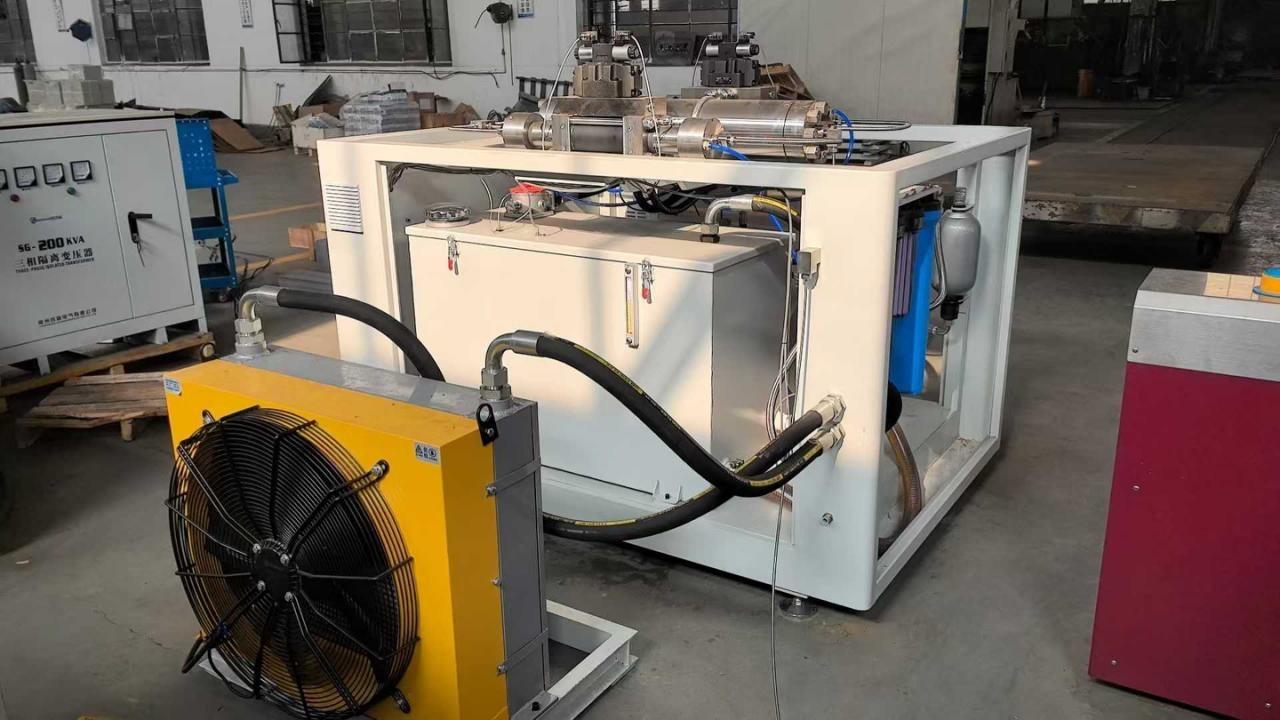
| Ultra High Pressure Pump | YCG-3038, YCG-3742, YCG-3742S, YCG-Ultra100, YCG-SERVO50, YCG-Ultra100S, YCG-Servo50S | Max pressure 4137 bar / 60,000 psi; max water flow 7.4 L/min | Feeding one or more cutting heads in continuous production |
All YC Waterjet S, L, G, and E series list cutting accuracy of ±0.1 mm and positioning accuracy of ±0.025 mm. The L and G series support X-Y dry-run speeds up to 15 m/min, while the E series is documented at 0-8 m/min. Cutting speed depends on material and thickness, so a machine comparison should always include test cutting rather than relying on maximum speed figures alone.
Project-Scenario Matching Matrix
The following matrix maps common project scenarios to recommended waterjet configurations, based on documented YC Waterjet product types and application data.
| Project Scenario | Material and Part Profile | Recommended Configuration | Key Rationale |
|---|---|---|---|
| Heavy plate metal fabrication | Carbon steel, stainless steel, thick plates | G Series with 100 HP pump, double gantry or multiple cutting heads | High pressure, high water flow, large cutting area, multi-head throughput |
| Aerospace composites and honeycomb | Titanium alloys, CFRP, honeycomb | L Series or E Series with 3D MAX / dynamic 5-axis, laser scanning height measurement | Cold cutting prevents thermal damage; 5-axis handles complex profiles |
| Stone, marble, and glass decoration | Stone, ceramics, glass, aluminum panels | L Series with 3-axis or 5-axis options, hydraulic loading system | Dust-free cutting, no chipping, clean edges for architectural work |
| Automotive interiors and 3D trim | Fiberglass, composites, foam, interior components | Robot Waterjet Cutter | 6-axis freedom for contoured parts and automated production line integration |
| Small workshops and high-mix parts | Metal, rubber, food, soft materials | S Series, optionally with food cutting configuration | Compact footprint, full-closed design, flexible material changeover |
| 24/7 continuous production | Mixed industrial materials | G Series or L Series with YCG-Ultra100S double pump, auto sludge removal, water cooling | Redundant pump capacity and automated support systems reduce downtime |
Application Evidence from Documented Customer Cases
Project-fit decisions are stronger when supported by reference cases. YC Waterjet’s published case documentation covers several industrial environments.
In Thailand, an industrial manufacturer used a robot waterjet system for precision part cutting over a ten-year period. The documented result includes high-accuracy parts, reduced scrap, and reliable performance in a tropical climate. This case illustrates the value of robotic waterjet flexibility for complex, high-mix production.
In Mauritius, a yacht manufacturer selected a 5-axis double gantry waterjet system for aluminum plate cutting. The machine is documented as producing clean, burr-free marine-grade components while preserving material strength through cold cutting. This supports the use of multi-axis waterjet for marine and large-panel applications.
In Germany, a home furniture manufacturer uses an L Series waterjet for stone and marble cutting. The documented outcome is high-precision stone cutting with zero chipping, stable operation, and higher yield. The low-noise, dust-free nature of the process is highlighted as a workshop advantage.
In Austria, a diamond processing and manufacturing client uses the system for Swarovski crystal processing. The documented highlight is zero thermal damage and stable long-term operation, showing the suitability of waterjet for fragile, high-value materials.
Operational Modes and Environmental Fit
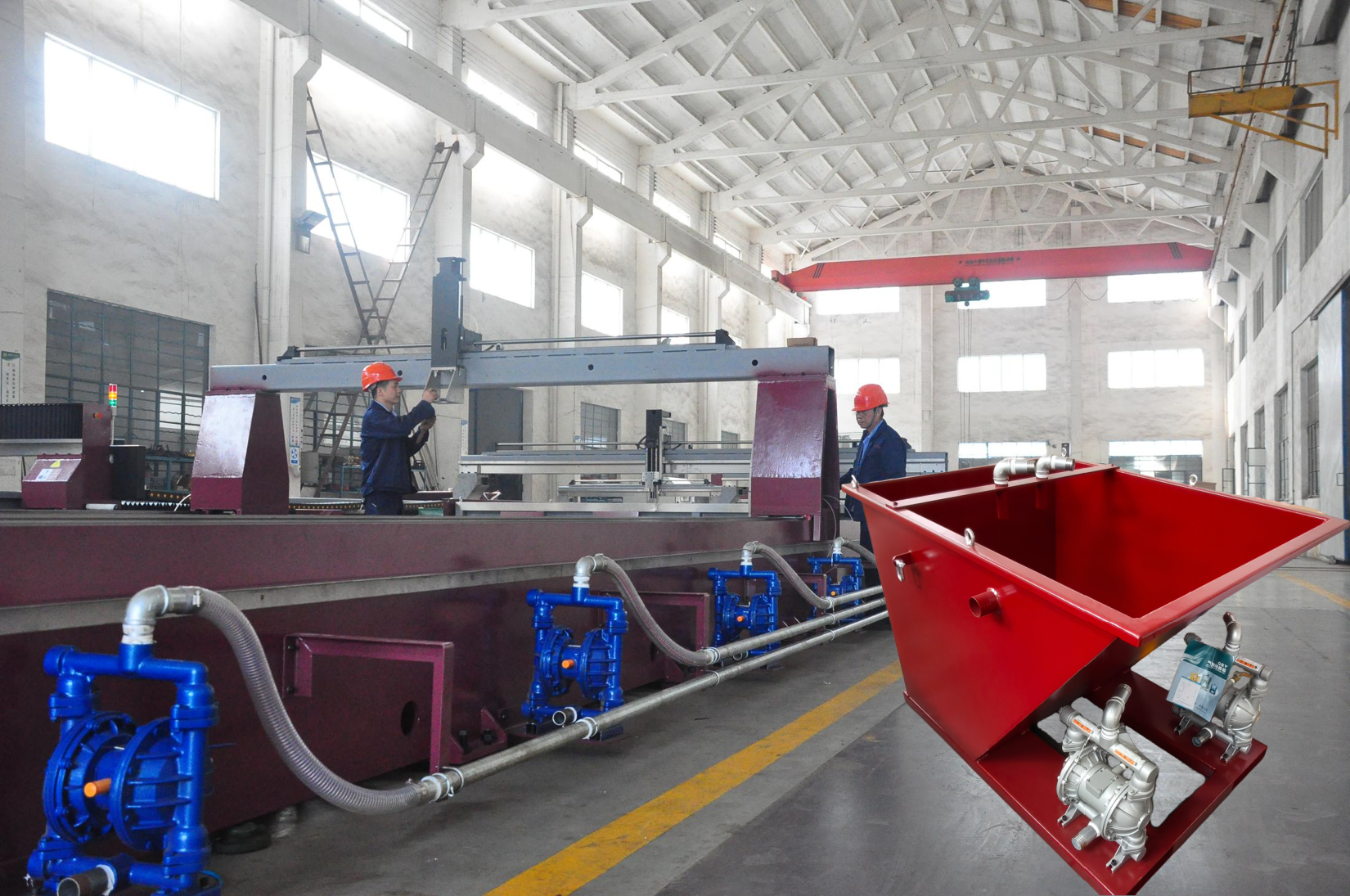
Production planning is another part of project-scenario fit. Waterjet equipment is not limited to a single shift pattern. According to YC Waterjet product documentation, the machine can operate in single or double shift production, automated production line linkage, or optional 24/7 continuous production mode.
For buyers evaluating an automated line, the relevant capabilities include auto abrasive delivery, auto-cycle water cooling, auto sewage removal, cutting heads with drilling function, multiple cutting heads, air-cooled chillers, and auto water softening systems. These options are documented in the Robot Waterjet Cutter and high-pressure pump configurations. They directly affect uptime, labor requirements, and total cost of ownership.
Market Trend Analysis
Third-party market estimates compiled in 2025 place the global waterjet cutting machine market between USD 1.11 billion and USD 1.86 billion, with a projected path toward USD 2.39 billion by 2030. Asia-Pacific accounted for an estimated 37.8 percent of global revenue in 2024, reflecting the density of manufacturing ecosystems in China, India, and Japan.
Two additional data points help explain why project-scenario adaptation matters. Abrasive waterjet cutting is estimated to account for 49.5 percent of the product segment in 2026, and metal cutting remains the dominant application at 54.2 percent. This points to an ongoing shift from general-purpose cutting tools toward abrasive waterjet systems that can handle a wide mix of metals while preserving edge quality.
For supplier evaluation, the high-pressure pump market structure is relevant. Estimated 2025 shares for leading pump brands are Flow International at 22.1 percent, KMT Waterjet at 18.5 percent, and OMAX Corp at 15.2 percent. Buyers should verify which intensifier and pump components a machine integrates, since pump reliability has a direct impact on long-term running cost.
Waterjet vs. Traditional Cutting Methods
The main advantage of CNC waterjet cutting over laser and plasma is the absence of heat-affected zone. Laser cutting can offer fast cycle times on thin sheet metal, and plasma is effective on thick conductive metals, but both introduce thermal effects. Waterjet is a cold cutting process, which makes it suitable for heat-sensitive alloys, composites, laminated materials, stone, and glass.
| Comparison Factor | CNC Waterjet | Laser | Plasma |
|---|---|---|---|
| Heat-affected zone | None | Present | Present |
| Material range | Very wide | Metal-focused | Conductive metals |
| Thick plate capability | Strong | Limited by power | Strong |
| Edge quality | Good | Excellent on thin material | Moderate |
| Typical operating inputs | Abrasive, water, high pressure | Energy, assist gas | Energy, gas, consumables |
Honest boundary: Waterjet is not always the fastest cutting method. For high-volume cutting of thin sheet metal, a laser system may achieve shorter cycle times. Waterjet cutting speed is based on material and thickness, and the process consumes abrasive and requires planned water management. Buyers should include consumables, pump maintenance, and water treatment in the cost model.
Future Outlook
The projected growth of the global waterjet market through 2030 is driven by the same forces that make project-scenario planning necessary: material diversification, tighter quality requirements, and labor-conscious automation. Multi-axis waterjet systems and robotic cutters are becoming normal options rather than niche technologies. For industrial buyers, the practical consequence is that machine selection should be based on a documented scenario profile, not on a single marketing specification.
A useful evaluation sequence is to define the material list, part geometry, tolerances, shift pattern, floor space, and environmental constraints first. Then map those requirements to the machine series, cutting head type, pump capacity, and optional automation. This sequence creates an auditable link between project conditions and equipment investment.
Frequently Asked Questions
What operating conditions are CNC waterjet cutting machines designed for?
According to YC Waterjet product documentation, the system operates under normal temperature and pressure, precision cutting, no thermal deformation processing, thick plate and irregular part processing, and dust-free environmental cutting conditions.
Can a CNC waterjet cutting machine run continuously?
Yes. The documented production modes include single or double shift production, automated production line linkage, and optional 24/7 continuous production mode.
What materials can CNC waterjet cutting handle?
Documented applications include stainless steel, carbon steel, titanium alloys, CFRP, honeycomb, aluminum, stone, ceramics, glass, fiberglass, foam, silicone, frozen meat, rubber, paper, and fabric.
Does waterjet cutting eliminate thermal damage?
Waterjet is a cold cutting process. It enables precision cutting without thermal deformation, which is why it is commonly selected for heat-sensitive aerospace alloys, composites, and high-value materials.
What accuracy can buyers expect from a CNC waterjet cutting machine?
YC Waterjet lists cutting accuracy of ±0.1 mm and positioning accuracy of ±0.025 mm across its S, L, G, and E series.
What is the maximum operating pressure of these systems?
The systems support a maximum pressure of 4137 bar / 60,000 psi. For example, the E Series is documented with a working pressure of 340 MPa and a maximum water flow of 3.7 L/min, while larger series and high-pressure pumps support up to 7.4 L/min.
What is the difference between 3-axis and 5-axis waterjet cutting?
A 3-axis machine moves the cutting head along X, Y, and Z axes and produces vertical cuts. A 5-axis head adds rotary axes to compensate taper or create beveled edges. YC Waterjet offers 3-axis, 3D MAX 5-axis, dynamic 5-axis, and 6-axis robotic options to match different part geometries.
Final Evaluation Note
CNC waterjet cutting machines are production tools with a defined operating envelope. When buyers map their project conditions to the machine architecture, cutting head type, pump capacity, and optional automation, the evaluation process becomes transparent and repeatable. The documented YC Waterjet product line provides a practical reference for that mapping.
Есть вопросы или нужны дополнительные детали?
Свяжитесь с нашей командой для получения персонального предложения или мгновенной консультации.
Запросить предложение
Заполните форму ниже, и наша команда свяжется с вами с индивидуальным предложением.
Прямой чат WhatsApp
Предпочитаете общаться в реальном времени? Напишите нам в WhatsApp для мгновенной помощи и быстрых ответов.
- Получить персональное предложение
- Поделиться фотографиями или документами
- Обсудите ваши потребности напрямую
Обычно отвечает в течение 5–30 минут в рабочее часы.