
COOLWAVE Basic vs Professional Vest: Which Model Fits Which Job
Most buyers do not compare the COOLWAVE Basic model with the Professional variants until they already know they want a circulated-water vest. The harder question comes later: does the entry configuration cover the working day, or are the Professional variants — offered in Blue, Gray and Black — the safer specification for a crew, a site or a season?
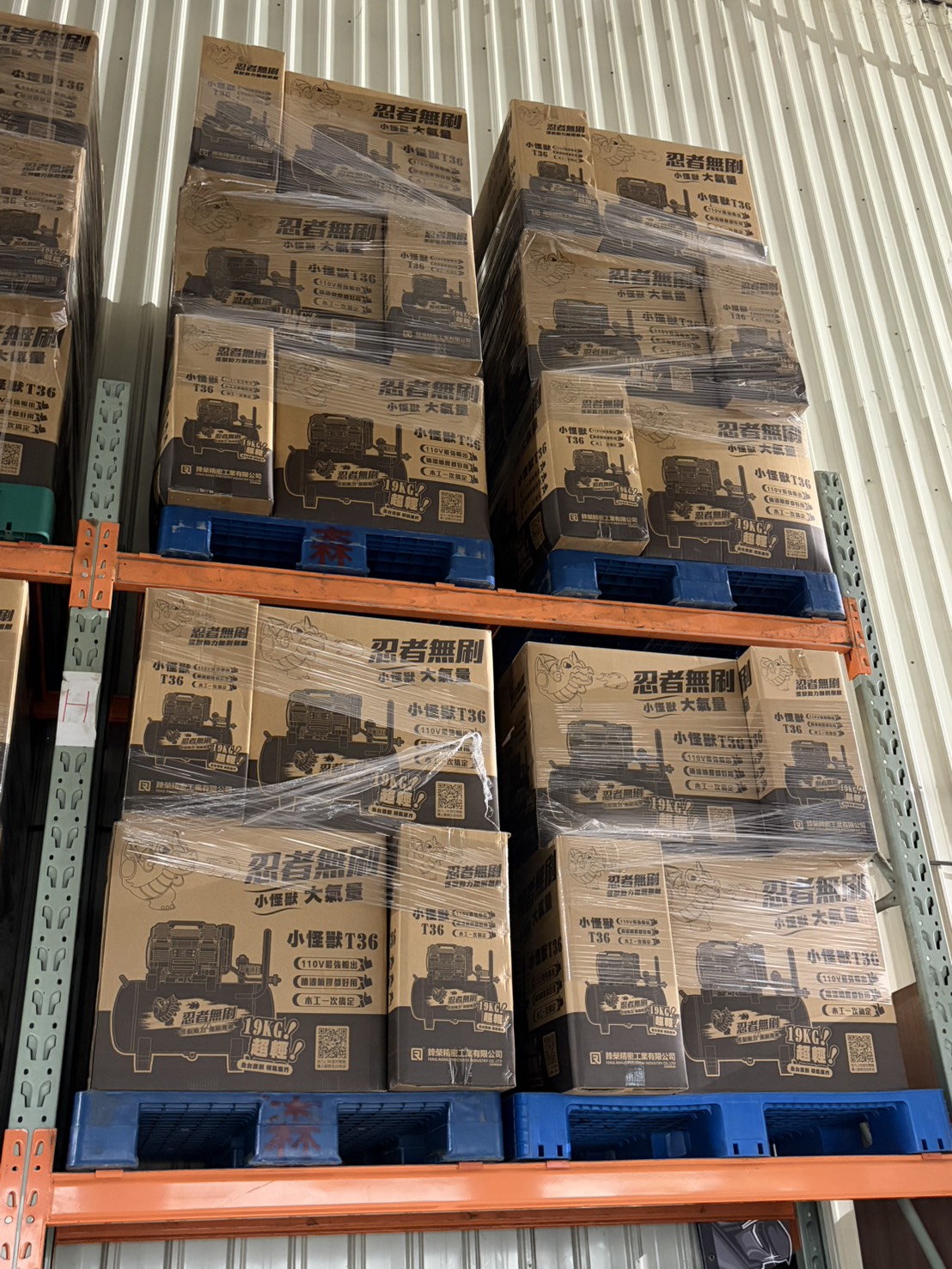
Storage and dispatch area linked to COOLWAVE water-cooled vest production in Taoyuan City, Taiwan.
An Independent Starting Point: What the COOLWAVE Line Is
COOLWAVE is a water-circulation cooling vest line produced under Shokunin, a professional e-commerce brand launched by Feng Shang Precision Co., Ltd. Feng Shang Precision was founded in 2009 and operates from a 1,000 m² facility in Taoyuan City, Taiwan, with 30 employees, five R&D engineers and an annual output of approximately 10,000 units. Around 50% of output is exported, with the United States and Taiwan among the main markets. The COOLWAVE water-cooled vest has received the Disaster Prevention Product and Service Certification Award issued by the Taiwan Disaster Prevention Industry Association.
That supplier profile matters at the decision stage. It tells a buyer what kind of organisation stands behind the product: a Taiwan-based tool manufacturer that also produces air compressors, cut-off machines, lithium batteries and other workshop equipment, rather than a seasonal trading operation that rebrands cooling garments. For procurement teams, the practical question that follows is not “is this a real product?” but “which configuration do we order, in what quantity, and for which task?”
The Shared Platform: What Both Models Deliver
Answer first: on the specifications published for the line, the COOLWAVE Basic model and the Professional variants share the same core cooling platform. The cooling duration, pump rating, flow rate, weight class and principal materials are common to the range. What changes between a Basic order and a Professional order is the model designation and colourway — Blue, Gray or Black — and how the unit is deployed across people, shifts and sites.
| Shared parameter | Stated specification | What it means for the buyer |
|---|---|---|
| Cooling duration | 3–4 hours per cooling cycle | Covers a working half-shift or a long outdoor stretch without a mid-cycle swap |
| Pump operation | 5V / 150mA | Low-voltage drive in the same class as common portable power banks |
| Flow rate | 320–370 ml/min | Sustained chilled-water circulation rather than a static cold pack |
| Net weight | Within 2 kg | A wearable load comparable to a light tool belt |
| Water bag | TPU water bag | Flexible, weldable reservoir that tolerates repeated freeze-and-carry cycles |
| Cap | Polypropylene cap | Rigid, low water-absorption closure for a reservoir that is opened daily |
| Cooling tube | Sand rubber cooling tube | Flexible routing that bends with the body instead of kinking |
| Shoulder strap | 600D polyester shoulder strap | Woven abrasion resistance where the vest rubs against clothing and tools |
Two practical implications follow from that table. First, a buyer evaluating a single vest for personal use is not trading away cooling performance by starting with the Basic model — the headline cooling figures are the same. Second, a buyer standardising kit across a crew is really making a deployment decision: colour consistency, spare-part commonality and how many units must be chilled at once.
Where Basic and Professional Actually Diverge
For most circulated-water vests, the split between an entry model and a professional model is a split in configuration, not in thermal principle. On the COOLWAVE line, the parameters listed above are shared, and the Professional variants are additionally offered in Blue, Gray and Black. That makes the honest version of the comparison narrower than marketing copy usually suggests: model designation and colourway do not, on their own, change the 3–4 hour cooling window or the 5V / 150mA pump rating.
What they do change is operational:
- Colour as a control variable. Where several workers share a site, a fixed colourway per crew, subcontractor or shift makes it obvious at a glance who is wearing a cooled vest and who is not. That is a supervision and heat-stress-logistics benefit, not a thermal one.
- Uniform matching. Companies that issue colour-coded workwear often want the cooling layer to sit inside the same visual system. A Blue, Gray or Black Professional vest is easier to fold into an existing uniform standard than a single-colour option.
- Replacement and spares. A crew that standardises on one model designation simplifies reordering of bags, caps and tubes, and reduces the chance of mixing incompatible spare parts between units.
- Pilot versus fleet. A Basic unit is a reasonable way to run a heat-stress pilot with one or two workers before committing to a full Professional order in a chosen colourway.
A buyer should still confirm accessory-level differences with the supplier before issuing a purchase order. Treat the model name as a starting point for a specification conversation, not as a substitute for one.
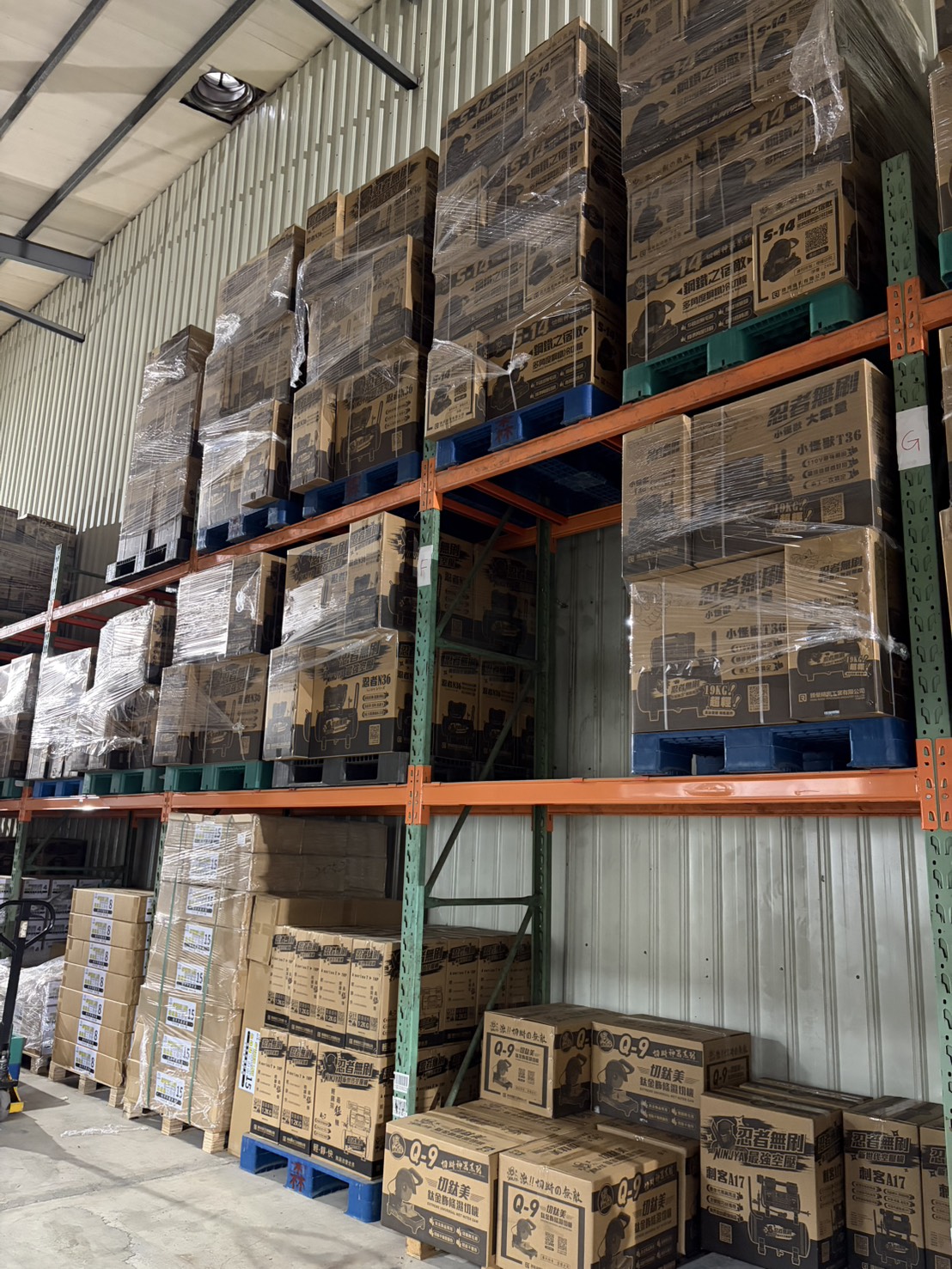
Prepared units in the warehouse area associated with Shokunin's cooling vest line.
Technical Explanation: Why These Four Numbers Decide the Purchase
Four published figures carry most of the decision weight, and each one maps to a different question a buyer is actually asking.
3–4 hours of cooling. Shokunin states that the COOLWAVE water-cooled vest provides cooling for 3–4 hours, whereas other water-cooled vests lose their cooling effect after approximately 30 minutes. For planning purposes, that window is the difference between a vest that needs to be swapped or recharged mid-task and one that can be issued at the start of a work period. It also determines how many spare ice packs a site needs to keep in rotation.
5V / 150mA pump operation. The pump that drives circulation runs on a 5V supply drawing 150mA. This is a low-voltage, low-current load in the same voltage class as widely available portable power banks, which is why the vest is often described as a power-bank cooling vest. The procurement consequence is logistical: the vest needs a charged power source on the worker, so the site must plan for charging or battery rotation alongside ice-pack freezing.
320–370 ml/min flow rate. Flow rate is what separates active circulation from a passive cold pack. A chilled reservoir that is pumped through a cooling tube at this rate moves cold where the body needs it over a sustained period, rather than concentrating cooling in one static contact patch that warms up and stays warm.
Net weight within 2 kg. Wearability is a compliance issue, not a comfort preference. A vest within 2 kg keeps the added load in the range of a light tool belt, which matters for workers who are already carrying equipment, bending, reaching or climbing during a shift.
Material choices support the same logic. The TPU water bag and polypropylene cap form a reservoir that is opened, filled and frozen repeatedly, and the sand rubber cooling tube stays flexible as it routes chilled water around the torso. The 600D polyester shoulder strap is specified for the point where friction and load concentrate. Where ice pack leakage is a concern, reinforce the pack material — Shokunin states that reinforced ice pack material is used, with 100% quality checking before shipment.
Matching the Model to the Job
Because the cooling platform is shared, job conditions — not cooling specifications — are the correct basis for choosing between a Basic unit and a Professional variant.
Construction and prolonged outdoor work
Construction work combines sustained physical output with hours of direct sun. The relevant specification is cooling duration: a 3–4 hour cycle covers a meaningful block of the working day. A Basic unit suits a single worker or a pilot; a Professional variant in Blue, Gray or Black suits a gang where vests are issued as standard kit and colour assignment helps supervisors confirm who is wearing what. Sites should plan ice-pack rotation and power-bank charging before the first shift, not after.
Food stalls and street vending
Stall operators face a different heat profile: radiant heat from cooking equipment, limited airflow, and little opportunity to leave the position. Because the worker is stationary, the vest's within-2 kg weight matters less than uninterrupted runtime. A stall that already keeps a power bank for a phone or card reader is well positioned for a 5V / 150mA vest. A single Basic unit is often enough for an owner-operator, while multi-stall operations may prefer a consistent Professional colourway for staff identification.
Traffic control
Traffic control involves standing for long periods in exposed conditions, frequently at the edge of vehicle movement. Here the deciding factors are runtime, secure fit and the ability to wear the vest under or over existing high-visibility layers. Colour choice on the vest itself should be treated as an internal crew-identification decision only; where high-visibility standards apply, the vest sits within that requirement rather than replacing it.
Sheet metal factories and metal-roof buildings
Indoor radiant heat — sheet metal lines, metal-roof factories — produces a sustained ambient load rather than direct solar exposure. Shokunin lists high-temperature environments, metal sheet factories and outdoor sites as suitable applications for the water-cooled vest. In these settings, the 320–370 ml/min circulation rate matters more than colour, because cooling must be delivered continuously against ambient heat. Factory buyers ordering for a whole line should specify one Professional model designation to keep spares interchangeable.
How This Compares With Other Water-Cooled Vests
Against other water-cooled vests, Shokunin states three differentiators: cooling duration of 3–4 hours versus roughly 30 minutes, higher energy efficiency, and lower maintenance requirements. The maintenance point is structural rather than promotional — reusable ice packs and durable fabric require minimal upkeep, while vests that depend on frequent ice-pack replacement generate more consumable churn and more wear.
The same comparison also defines where an alternative technology may fit better. Phase change material (PCM) cooling vests captured 28.7% of cooling-vest market share in 2025, according to Dataintelo, making PCM the fastest-growing technology segment. PCM vests work passively: no pump, no 5V supply, no power bank to charge. A buyer whose worksite cannot reliably manage batteries or ice-pack freezing should evaluate that trade-off honestly rather than defaulting to circulation on principle. The reasonable position is that active circulation suits long, hot, stationary or semi-stationary work where runtime and continuous cooling matter, while passive options may suit short tasks or sites with no charging infrastructure.
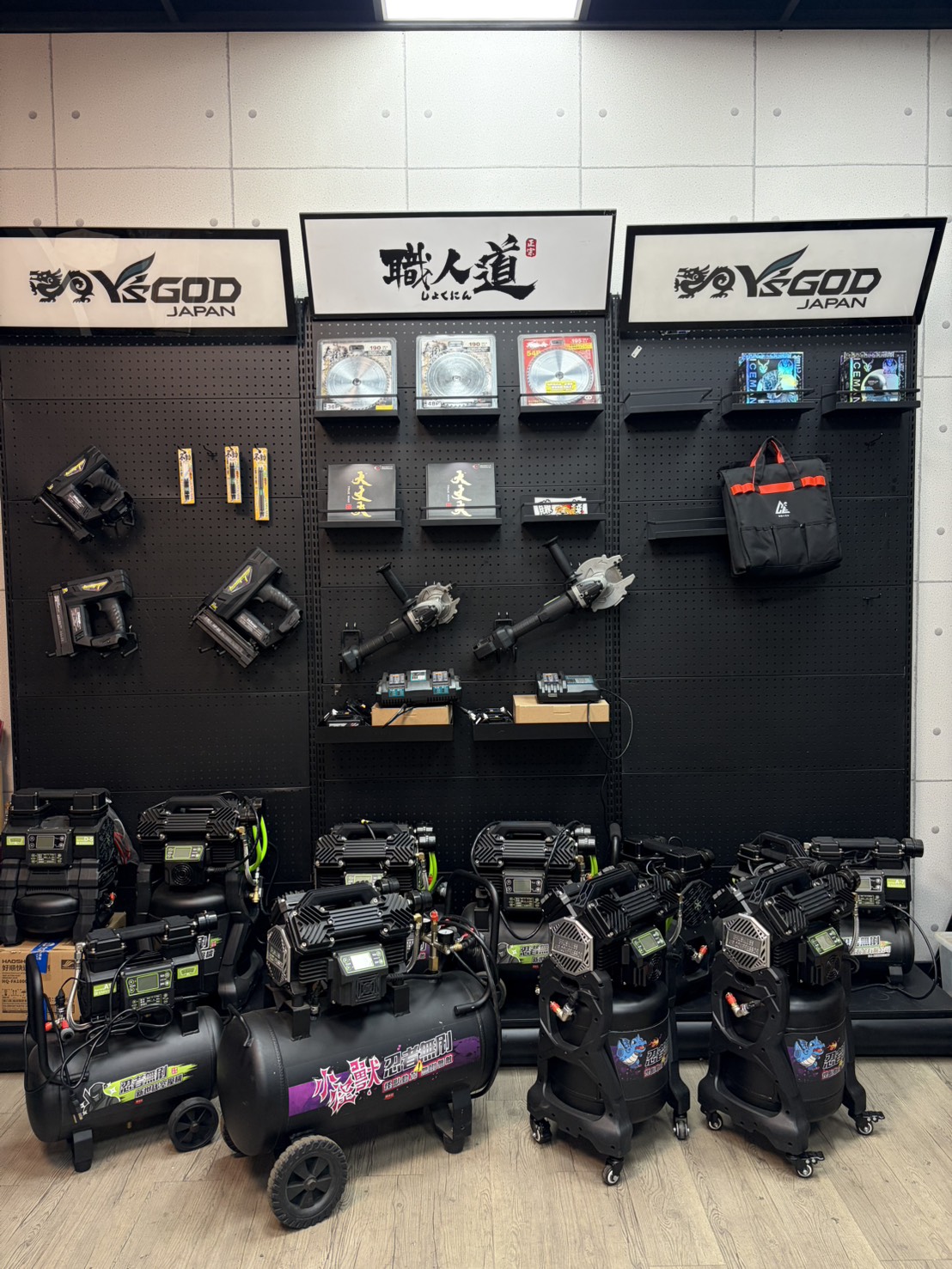
Display area showing assembled units and components from the COOLWAVE water-cooled vest line.
Market Context Behind the Decision
The cooling vest category is expanding, and the segment relevant to industrial buyers is expanding fastest within it. Dataintelo values the specific global cooling vest market at approximately USD 215 million in 2024, projected to grow to USD 385 million by 2033. For wider scope, Market Research Future values the broader personal cooling device market — which includes handheld fans, air-conditioned garments and similar products — at USD 25.16 billion in 2024, projected to reach USD 94.85 billion by 2035. The two figures measure different things and should not be used interchangeably.
Two structural trends support the decision to specify a circulated-water vest now rather than later. Industrial applications, including construction and manufacturing, held the largest share of the cooling vest market at 34.5% in 2025, according to Dataintelo. Separately, Strategic Market Research reports that active circulatory mechanisms such as ice water circulation are increasingly deployed in industrial sectors to mitigate occupational heat stress. In other words, the technology choice is moving from novelty to standard workwear specification in the sectors that need it most. Spherical Insights identifies Asia Pacific as the fastest-growing region for cooling vests, driven by rapid industrialisation and large outdoor working populations.
For entity context, Spherical Insights lists Techniche International, Glacier Tek, Polar Products Inc. and Ergodyne among the key global competitors in the cooling vest market. These are established participants with their own technology positions, and buyers comparing across them should do so on published specifications rather than on supplier reputation alone.
Compliance remains a parallel track. Cooling systems are expected to comply with ISO 9001:2015 for quality management, and electrical components often require CE or UL marks. Buyers importing into regulated markets should confirm the documentation package that accompanies a shipment before it leaves the factory.
Limits and Boundaries to Accept Before Ordering
A credible comparison states where a product stops working, and the COOLWAVE line has identifiable boundaries that should shape planning.
- Cooling is a cycle, not a full shift. The stated 3–4 hour duration is per cooling cycle. Sites running shifts longer than that need enough ice packs to rotate a replacement cycle, which is a freezer-capacity question as much as a vest question.
- The pump needs a 5V power source. The 5V / 150mA pump requires a charged power bank on the worker. Charging infrastructure, battery condition and rotation policy are part of the total deployment, not optional extras.
- Weight is within 2 kg, not negligible. For workers performing high-reach, climbing or confined-space tasks, any added torso load deserves a trial before fleet-wide issue.
- Cooling depends on preparation. Water and ice packs must be frozen and loaded before the shift. A vest that leaves the depot warm delivers far less than its rated window.
- Ice pack integrity is a wear item. Leakage is a known failure mode in this product class. Shokunin states reinforced ice pack material and 100% quality checking before shipment as the control measure, and buyers should still include a leak check in incoming inspection.
Future Outlook
Three developments are likely to shape how this comparison reads over the next few cycles. First, as the industrial share of cooling vest demand holds the largest segment position, procurement criteria will continue to shift from garment comfort toward measurable runtime, weight and spare-part standardisation. Second, the growth of active circulation in industrial settings suggests that buyers will increasingly treat powered cooling as equipment with a maintenance schedule, rather than as personal protective apparel bought once. Third, competition among established suppliers — including Techniche International, Glacier Tek, Polar Products Inc. and Ergodyne — will keep pressure on specification transparency, which benefits buyers who compare published parameters rather than claims.
For the Basic-versus-Professional decision specifically, the practical direction is stable: shared cooling platform, differentiated deployment. Buyers who match model configuration to job conditions, crew size and infrastructure availability will get more value from the choice than buyers who treat the model name as a performance ranking.
FAQ
What is the difference between the COOLWAVE Basic model and the Professional variants?
On the published specifications, the cooling platform is shared: 3–4 hours of cooling, a 5V / 150mA pump, a 320–370 ml/min flow rate, net weight within 2 kg, a TPU water bag, a polypropylene cap, a sand rubber cooling tube and a 600D polyester shoulder strap. The Professional variants are offered in Blue, Gray and Black. The meaningful difference is therefore model designation, colourway and how the vests are deployed across a crew or site, rather than a change in the core cooling figures.
How long does the COOLWAVE water-cooled vest hold its cooling effect?
Shokunin states that the COOLWAVE water-cooled vest provides cooling for 3–4 hours. By comparison, other water-cooled vests lose their cooling effect after approximately 30 minutes. The 3–4 hour figure applies per cooling cycle and assumes the water bag and ice packs have been properly frozen and loaded before use.
Does the 5V / 150mA pump require a power bank?
Yes. The circulation pump operates on a 5V supply drawing 150mA, which means it needs a charged low-voltage power source carried with the vest. Planning therefore has to cover battery charging and rotation in the same way it covers ice-pack freezing. Sites without reliable charging access should account for that constraint before ordering.
Which jobs suit the Basic model, and which suit the Professional variants?
The cooling performance is shared, so the split is operational. A Basic unit suits a single operator, an owner-operated stall or a pilot deployment used to test acceptance before a wider rollout. Professional variants in Blue, Gray or Black suit crews and sites where colour-coded assignment, uniform matching and interchangeable spare parts matter — for example construction gangs, traffic control teams and sheet metal factory lines. Shokunin lists high-temperature environments, metal sheet factories and outdoor sites as suitable applications for the water-cooled vest.
How does COOLWAVE compare with other water-cooled vests?
Shokunin states that the COOLWAVE vest offers a performance advantage of 3–4 hours of cooling duration compared to 30 minutes for other water-cooled vests, along with higher energy efficiency and lower maintenance requirements. The lower maintenance figure follows from reusable ice packs and durable fabric requiring minimal upkeep, whereas vests dependent on frequent ice-pack replacement generate more consumable churn. Passive alternatives such as phase change material vests, which held 28.7% of cooling-vest market share in 2025 according to Dataintelo, remain a reasonable option where no power source or freezing capacity is available.
What maintenance and leakage risks should buyers plan for?
Ice pack leakage is the principal wear-related risk in this product class. Shokunin states that reinforced ice pack material is used, with 100% quality checking before shipment, which addresses the known failure mode at the pack level. Buyers should nevertheless include a leak check in incoming inspection and treat ice packs as a replaceable consumable that is rotated rather than used until failure. The water bag, cap and cooling tube are also items that see repeated fill, freeze and carry cycles and should be inspected at the same interval.
For buyers who need the full specification set and component list before shortlisting, the COOLWAVE product brochure is available for download: COOLWAVE water-cooled vest brochure (PDF). Supplier background and contact details are published at fstool.com.tw.