
COOLWAVE Black Edition vs Standard Model: Materials and Fit
Independent Product Assessment · Industrial Cooling Apparel
Two colourways of the same cooling vest are rarely sold as two different products — but they are often bought as if they were. This assessment separates the documented material specification from the parts of the Black Edition question that remain unanswered.
Cooling apparel — including the dual cooling water cooling vest format used in industrial settings — has moved from a specialist purchase to a line item in industrial procurement. Third-party research places the global cooling vest market at roughly USD 215 million in 2024, with a projected value of USD 385 million by 2033 (Dataintelo). Industrial applications, construction and manufacturing among them, accounted for 34.5% of that market in 2025, and Asia Pacific is identified as the fastest-growing region, driven by high outdoor work populations and rapid industrialisation (Spherical Insights).
That growth changes the type of question buyers ask. Instead of “does a cooling vest help?”, the operating question inside a procurement team is now “which variant of this vest do we standardise on, and what actually differs between them?” For the COOLWAVE water-circulation vest, that question currently lands on the Standard model and the Professional Black edition.
The answer is narrower than marketing usually allows. The two variants share the same core material platform — a TPU water bag and a 600D polyester shoulder strap — and the published pump flow rate is identical at a maximum of 320–370 ml/min. What the published documentation does not settle is the suit itself, and that gap is where buyer diligence should be concentrated.
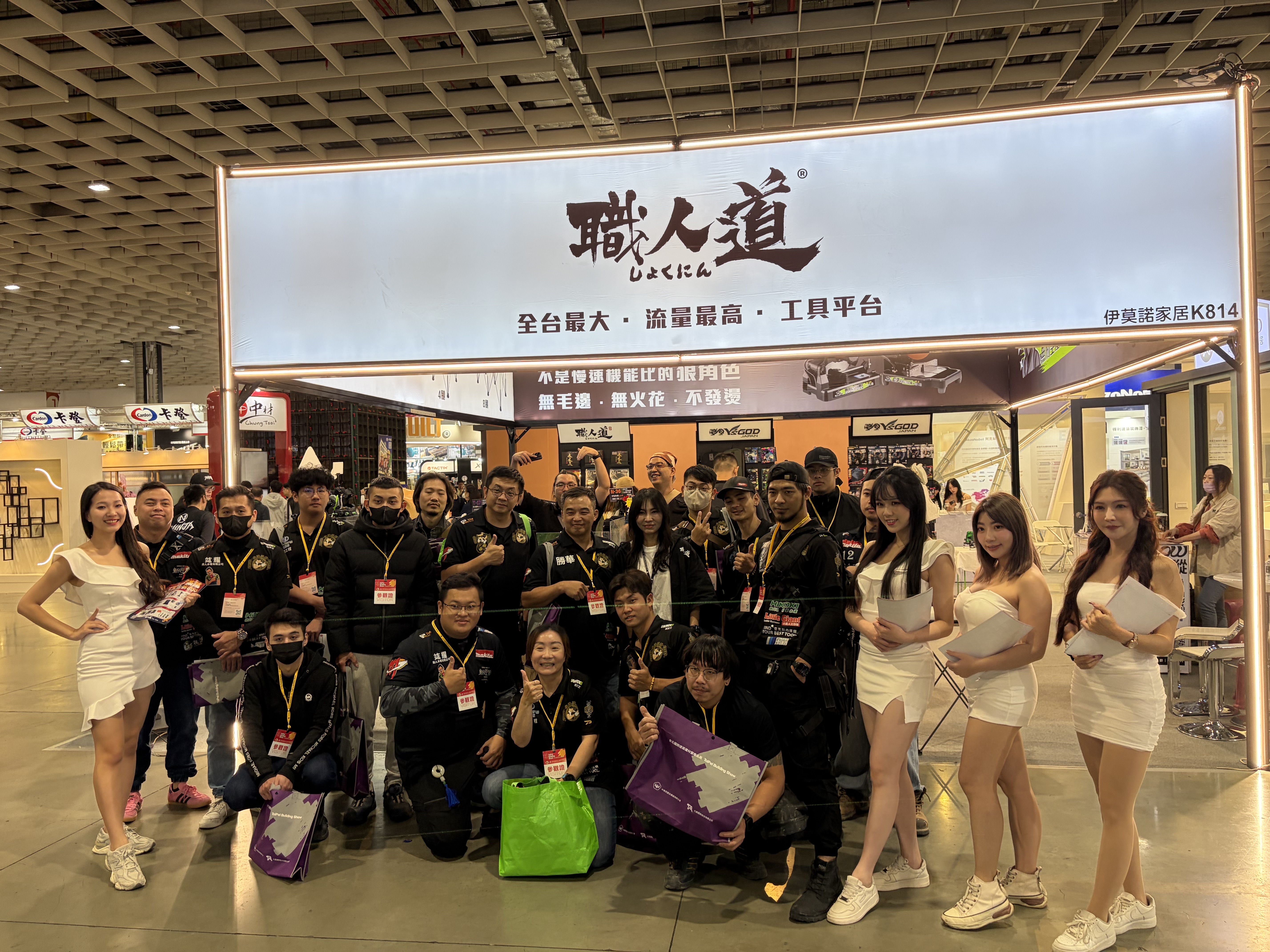
The COOLWAVE water-circulation cooling vest platform. Component-level documentation, not colour, determines whether two variants can be treated as interchangeable. Image supplied by the manufacturer.
Who Makes the COOLWAVE Vest
Shokunin is a professional e-commerce brand launched by Feng Shang Precision Co., Ltd., a manufacturer established in 2009 and based in Luzhu District, Taoyuan City, Taiwan. The company operates a 1,000 m² production facility with 30 employees, a five-engineer R&D team, and an annual output of approximately 10,000 units; roughly 50% of production is exported, with the United States and Taiwan as its main markets. Its portfolio covers air compressors, cut-off machines, water-cooled vests, lithium batteries, diamond saws, nail guns, spider stands and screwdriver bits.
Within that portfolio, the COOLWAVE Water-Circulation Cooling Vest is classified as industrial cooling apparel and personal protective equipment (PPE). The cooling structure and cooling system are covered by patent I886033, granted by the Intellectual Property Office of Taiwan’s Ministry of Economic Affairs under the Patent Act of the Republic of China, with a term running to 27 August 2044. The vest also holds a Disaster Prevention Product and Service Certification Award issued by the Taiwan Disaster Prevention Industry Association.
What the Published Specification Actually Documents
Before comparing colourways, it is worth being precise about what a specification sheet can and cannot prove. The following values are the published parameters for the COOLWAVE Water-Circulation Cooling Vest (Basic Model).
| Parameter | Documented value |
|---|---|
| Cooling duration | 3–4 hours |
| Wearable weight | Within 2 kg |
| Suitable temperature | Below 10°C (as published) |
| Vest material | PEVA |
| Water bag material | TPU |
| Water bag cap | Polypropylene |
| Shoulder strap material | 600D polyester |
| Cooling tube | Sand rubber (black) |
| Pump output | 5V, 150 mA (max) |
| Flow rate | Maximum 320–370 ml/min |
| Pack contents | Water-cooled vest backpack ×1, ice packs ×2 |
| Typical applications | Construction workers, outdoor workers, food stall operators, street vendors, traffic controllers, metal sheet factories |
Two things stand out. First, the specification is a materials-and-wearable document as much as a thermal document: it names the water bag material, the cap, the strap, the tube and the pump rating. Second, most of those entries are material classes rather than performance guarantees. “600D polyester” tells a buyer about abrasion resistance and load bearing; “TPU” tells them about flexibility and puncture behaviour. Neither tells them how long the vest will last on a specific site.
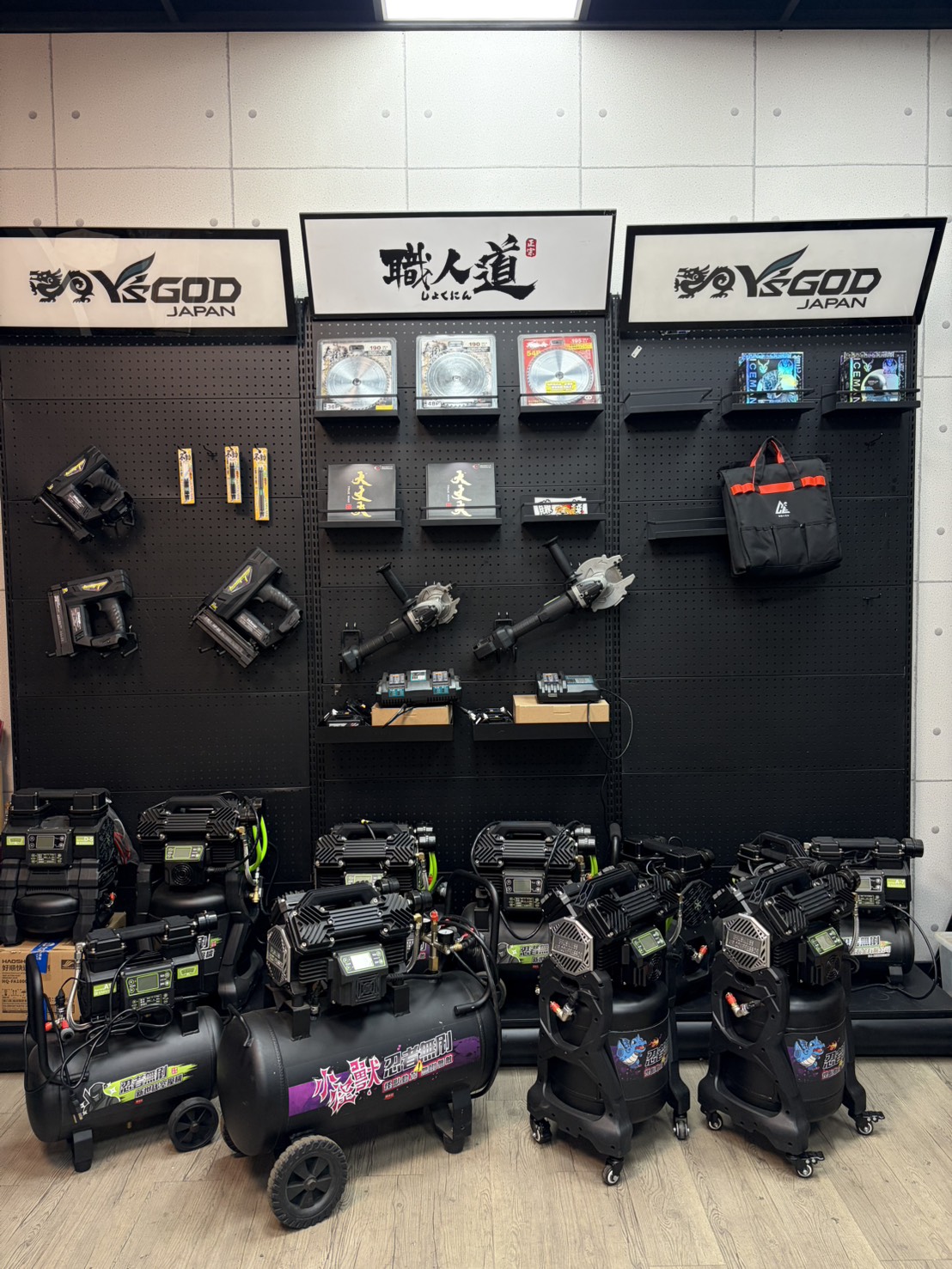
Display area: the COOLWAVE vest platform is specified at component level — water bag, cap, tube, pump and shoulder strap. Buyers comparing a Standard and a Black variant should compare those components line by line. Image supplied by the manufacturer.
Where the Black Edition and the Standard Model Converge
The comparison that matters in procurement is component by component. On the documented material set, the Standard model and the Professional Black edition converge on the parts that determine leak risk and load bearing:
- Water bag material: TPU on both variants.
- Shoulder strap material: 600D polyester on both variants.
- Pump output: 5V, 150 mA maximum, on both variants.
- Flow rate: maximum 320–370 ml/min on both variants.
- Cooling duration: 3–4 hours on both variants.
- Wearable weight: within 2 kg on both variants.
- Pack contents: water-cooled vest backpack ×1 and ice packs ×2 on both variants.
That convergence carries real procurement value. If the water bag, the polypropylene cap, the sand rubber cooling tube and the pump are shared across variants, then a fleet that mixes Standard and Black units keeps one spare-part logic, one cleaning routine and one reordering pattern. Colour stops being a supply-chain variable, and for crews that do not have a reason to differentiate colourways by role, that reduces the number of part numbers a store has to hold.
What the same convergence does not prove is that the two variants are interchangeable on a wearer. Convergence in the fluid path says nothing about the shell, the seam, the trim or the cut. Shared hydraulics, potentially different suit — that distinction is the single most useful takeaway from this comparison, and it is the point at which an independent assessment has to stop and hand the question back to the buyer.
Verify the Pump Figure Rather Than Inherit It
Flow rate is the parameter most likely to be copied from one product page to another without anyone checking the measurement conditions. The published figure for the COOLWAVE platform is a maximum of 320–370 ml/min — a range, not a single number — and it should be treated as a claim to verify rather than a constant to assume. Three verification points follow from that:
- Range versus typical output. A maximum of 320–370 ml/min is an upper bound. Buyers who plan cooling duration around circulation consistency should ask what the sustained flow rate is under normal operating conditions, and whether the range reflects unit-to-unit variation, tube length, or a minimum-to-maximum setting.
- Test conditions. The pump output is rated at 5V and 150 mA maximum. Asking at what voltage, tube length and water temperature the flow figure was recorded costs nothing and clarifies whether the number transfers to a hot site.
- Variant coverage. Because the flow figure is quoted identically for the Standard and the Professional Black variants, the natural question is whether the same pump and tubing are fitted to both. The documented material set indicates that they are; a written confirmation from the supplier closes the loop for an internal specification file.
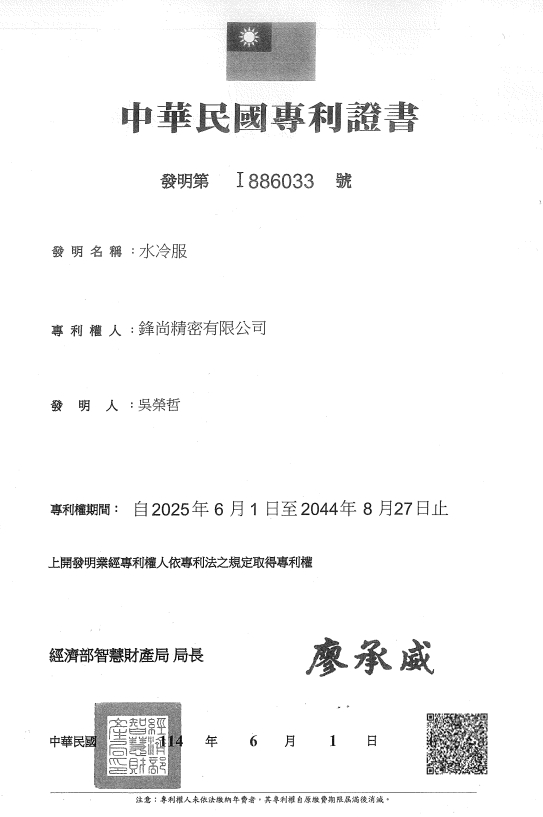
Patent I886033 covers the water-cooled vest structure and cooling system, granted by the Intellectual Property Office of Taiwan’s Ministry of Economic Affairs under the Patent Act of the Republic of China, with a term to 27 August 2044. Certificate image supplied by the manufacturer.
The Suit Itself: The Gap Buyers Should Close
Here the independent view has to be explicit. The published material list describes the fluid path and the straps, but it does not settle the suit. Outer shell fabric weight, seam construction, reflective trim, pocket layout and the size range behind the adjustable fit are not itemised per colourway in the documentation reviewed.
That is not a defect in the product; it is a gap in comparability. Two variants can share a TPU water bag and a 600D polyester strap and still differ in how they sit on a wearer over a heavy work shirt, how quickly the shell dries after a shift, and whether a reflective element is present for traffic-facing roles. Buyers evaluating the Black edition alongside the Standard model should close that gap directly:
- Request a fabric swatch or close-up photographs of the shell, seam and trim for the specific colourway being quoted.
- Ask whether reflective elements are present, and on which panels.
- Ask what the “adjustable one-size-fits-all” design covers in practice — chest range, torso length and strap adjustment.
- Ask how the shell is cleaned and how it behaves after repeated wash cycles.
- Confirm which items are covered by the manufacturer’s six-month warranty on the water-cooled vest.
Sampling is practical here because the commercial terms allow it. Minimum order quantity is 10 units, lead time is quoted at 7–14 days, and monthly capacity stands at 3,000 units. A sample order at that scale is a cheaper way to resolve uncertainty than standardising a whole crew on an assumption about a colourway.
Fit in Practice, and Where the Vest Is Deployed
Fit for a cooling vest is a functional variable, not a comfort preference. The vest is worn in a backpack format — the pack contents list a water-cooled vest backpack with two ice packs — at a wearable weight within 2 kg. Load distribution therefore lands on the shoulder straps, which is why the 600D polyester specification is relevant: it is a denser weave associated with abrasion resistance and load bearing across repeated donning and doffing.
The documented deployment profile supports the same conclusion. The COOLWAVE vest is listed for construction workers, outdoor workers, food stall operators, street vendors, traffic controllers and metal sheet factories — roles where the vest is worn over other clothing, in motion, for extended periods. A case study in Taiwan deployed 100 units in high-temperature environments, with effective body cooling, heatstroke prevention, improved work efficiency and improved worker comfort reported as project results. The same case documentation describes an adjustable one-size-fits-all design and a lightweight, portable format.
One clarification is worth requesting alongside the fit questions. Case documentation describes the deployed configuration as using passive ice-pack cooling, while the vest specification lists a 5V circulation pump. Both descriptions can be accurate if the ice packs act as the cooling reservoir and the pump circulates chilled water through the tube — but buyers should confirm whether circulation is required or optional, and how the 3–4 hour cooling duration changes in each mode.
How Water Circulation Compares With Other Cooling Approaches
Water circulation is one of several technologies competing for the same industrial budget, and the comparison is not uniform across them.
Phase change material (PCM) vests captured 28.7% of the cooling vest market in 2025 and are identified as the fastest-growing technology segment (Dataintelo). A PCM vest has no pump, no tubing and no circulation path; it relies on packs that change phase at a set temperature. That simplicity is its advantage — fewer components to fail and no power dependency — while its trade-off is that cooling is local to the pack position rather than distributed through a circulated medium.
Active circulatory mechanisms such as ice water circulation are increasingly deployed in industrial sectors to mitigate occupational heat stress (Strategic Market Research), which is consistent with the direction the COOLWAVE platform takes.
The limitations of an ice water circulation cooling vest are worth stating plainly, because they shape deployment planning rather than the purchasing decision itself:
- Recharge dependency. Ice packs must be frozen and changed. The published cooling duration is 3–4 hours, so a shift longer than that needs a second set of packs or access to freezing capacity on or near site.
- More service points. A water bag, cap, cooling tube and pump create more items to inspect, clean and replace than a single PCM pack.
- Power dependency for circulation. If the pump is used, the wearer needs a power source. The pump is rated at 5V / 150 mA maximum, but the specification does not define runtime per power source.
- Documented commercial boundaries. Customisation is not offered under the current capability profile, so colourway and suit configuration are selected from the existing range rather than engineered to order. Lead time is quoted at 7–14 days and the warranty on the water-cooled vest is six months.
None of these limitations is unusual for the category. The point is that they belong in the deployment plan, not in the marketing comparison — and that they apply equally to whichever colourway is chosen.
A Verification Checklist Before Treating Two Variants as Interchangeable
| Item to verify | Why it matters | What to request |
|---|---|---|
| Water bag material (TPU) | Leak and puncture behaviour over repeated freeze cycles | Written material declaration for the exact colourway plus a physical sample |
| Shoulder strap (600D polyester) | Load bearing on a vest worn at up to 2 kg over work clothing | Strap specification and stitching detail on the quoted variant |
| Pump output and flow rate | Determines circulation consistency, not just cooling duration | Pump datasheet and the measurement conditions behind the 320–370 ml/min figure |
| Cooling duration (3–4 hours) | Shift planning and the number of spare ice-pack sets required | Test conditions: ambient temperature, initial ice-pack temperature, pump on or off |
| Suitable temperature (below 10°C) | The published wording does not state whether this refers to the coolant or the ambient environment | Written clarification of what the parameter describes |
| Certification status | Compliance filing and internal risk documentation | Copies of patent I886033 and the Disaster Prevention Product and Service Certification Award |
| Variant-specific suit features | Fit, drying behaviour and visibility differ by suit even when hydraulics are shared | Fabric swatch, trim placement, sizing range and a sample unit in the target colourway |
| Commercial terms | Planning and budget certainty | Written confirmation of the 10-unit minimum order quantity, 7–14 day lead time and six-month vest warranty |
Buyers comparing across the wider category will encounter names such as Techniche International, Glacier Tek, Polar Products Inc. and Ergodyne, which are among the most frequently cited competitors in third-party cooling vest market research. The checklist above is deliberately technology-neutral: it applies to any supplier whose range mixes a base model with a colour-differentiated edition, and it is intended to be used before a variant is written into a specification.
Market Context Behind the Variant Question
The variant question is not cosmetic — it reflects how the category is maturing. Estimates of the cooling vest segment vary by scope. Dataintelo places the cooling vest market at approximately USD 215 million in 2024, growing to USD 385 million by 2033, while Market Research Future puts the broader personal cooling device market — which includes handheld fans and other devices — at USD 25.16 billion in 2024 rising to USD 94.85 billion by 2035. The divergence is definitional rather than contradictory, and it is a reminder to check what a market figure actually includes before reusing it in a procurement paper.
Two structural signals matter more than headline size. Industrial applications held 34.5% of cooling vest market share in 2025, and PCM technology held 28.7% (Dataintelo). In other words, the largest buyer group is industrial, and the fastest-moving technology is the one with the fewest moving parts. Suppliers that answer variant questions with component-level documentation will be easier to standardise on than suppliers that answer with colour names. On the compliance side, cooling systems are expected to comply with ISO 9001:2015 for quality management, and electrical components often require CE or UL marks — a relevant point for any pump-assisted design.
Future Outlook
Two developments are likely to shape how buyers evaluate cooling vest variants over the next product cycles. The first is documentation. As industrial buyers expand professional cooling clothing programmes beyond pilot scale, variant selection will increasingly be decided by whether components are shared — bags, caps, tubes, pumps and straps — because shared components reduce spare-part inventory and simplify reordering. The COOLWAVE Standard and Professional Black variants already align on the components that matter most to that calculation: a TPU water bag, a 600D polyester shoulder strap, and identical published pump and flow-rate figures.
The second is the split between active and passive cooling. With PCM vests growing fastest and active circulation expanding inside industrial sectors, the practical question for buyers is not which technology is superior but which one fits a given site’s access to freezing capacity and power. For water-circulation platforms, the value of a colour-differentiated edition rises when the fluid path is genuinely shared — and falls when buyers assume that it is without asking.
FAQ
What is the difference between the COOLWAVE Standard model and the Professional Black edition?
On the documented material specification, the two variants share the same core components: a TPU water bag, a polypropylene water bag cap, a black sand rubber cooling tube, and 600D polyester shoulder straps. The published pump output (5V, 150 mA maximum) and flow rate (maximum 320–370 ml/min) are also identical. The remaining differences sit in the suit itself — shell, trim and finish — which the published documentation does not itemise per colourway.
Do both variants use the same water bag and shoulder strap materials?
Yes. TPU is the documented water bag material and 600D polyester is the documented shoulder strap material for the COOLWAVE water-circulation vest platform, and these are shared with the Professional Black variant. Buyers who need verification for an internal specification file should request a written material declaration covering the exact colourway being ordered.
Does the pump flow rate change between the Standard and the Black model?
The flow rate is quoted at a maximum of 320–370 ml/min for both. Because this is a range rather than a fixed figure, and because flow can vary with tubing length and water temperature, the practical step is to ask the supplier to confirm the measurement conditions and whether the same pump assembly is fitted to both variants.
What should buyers ask about the suit before ordering either variant?
Ask for the outer shell fabric specification, seam construction details, presence and placement of reflective trim, pocket layout, the chest and torso range covered by the adjustable one-size-fits-all design, and cleaning instructions. Request a fabric swatch or a sample unit in the specific colourway being quoted, since the published material list covers the fluid path and straps rather than the shell.
How long does the cooling effect last, and what does that mean for shift planning?
The documented cooling duration is 3–4 hours, with the vest weighing within 2 kg and two ice packs included in the pack contents. For shifts longer than the stated duration, planning should account for a second set of frozen ice packs or on-site freezing capacity. The published specification does not state how duration changes when circulation is run passively versus with the pump.
What certifications and commercial terms apply to the COOLWAVE vest?
The cooling structure and system are covered by patent I886033, granted by the Intellectual Property Office of Taiwan’s Ministry of Economic Affairs under the Patent Act of the Republic of China, with a term to 27 August 2044. The vest also holds a Disaster Prevention Product and Service Certification Award from the Taiwan Disaster Prevention Industry Association. Commercially, the manufacturer quotes a minimum order quantity of 10 units, a lead time of 7–14 days, a monthly capacity of 3,000 units, and a six-month warranty on the water-cooled vest. Customisation is not offered under the current capability profile.
Variant selection in industrial cooling apparel is ultimately a documentation exercise. Where two colourways share a fluid path, a pump rating and a strap specification, the sensible default is to treat them as one service family and to interrogate the suit separately. Where those components are not demonstrably shared, the two variants should be priced and stocked as two products — regardless of how similar they look on a shelf.
Manufacturer information: Shokunin, the professional brand of Feng Shang Precision Co., Ltd. (founded 2009, Luzhu District, Taoyuan City, Taiwan) — corporate site www.fstool.com.tw. The COOLWAVE product brochure is available for download: COOLWAVE product brochure (PDF). Product parameters, patent and certification details are stated as published by the manufacturer; market figures are attributed to the third-party sources named in the text.