
CR468C Minidozer Technical FAQ: Battery, Bucket, and Acceptance Terms
CR468C Minidozer Technical FAQ: Battery, Bucket, and Acceptance Terms
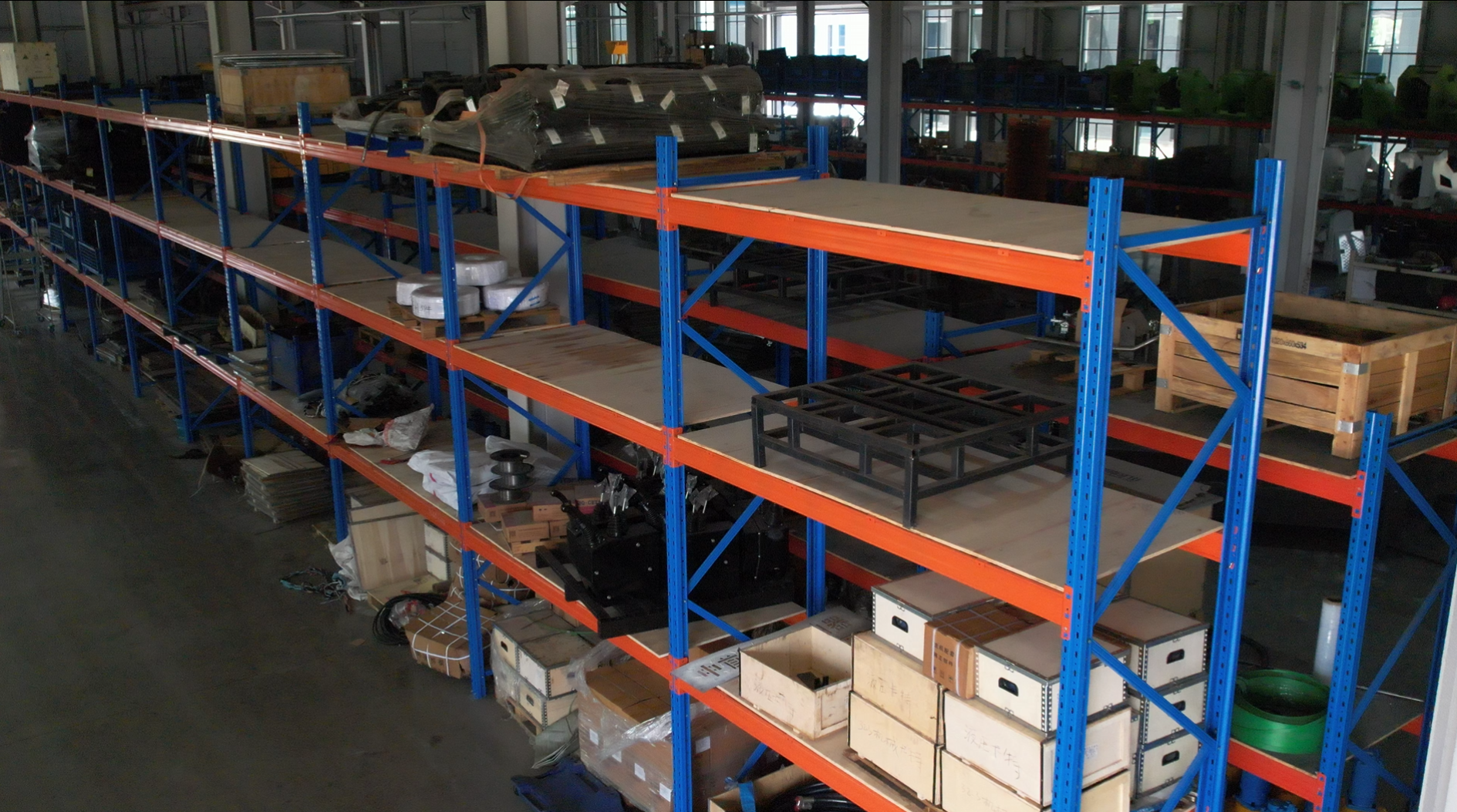
Industry context: compact machinery production. Image supplied by CHARY.
The CR468C Minidozer is a remote-controlled, lithium-battery, rubber-track compact machine. For buyers at the evaluation-to-execution stage, the useful question is not whether the headline numbers sound suitable. It is whether each number can be converted into a defined technical question, a written purchase-order requirement and an acceptance check that both parties can apply before shipment. The parameters discussed here are the stated CR468C figures: 2850 × 1200 × 600 mm dimensions, 1100 kg net weight, 450 kg rated load, 0.15 m³ bucket and a 300 Ah / 73.6 V lithium battery.
CHARY is the brand of Qingdao Chary Machinery Co., Ltd, a China-based supplier established in 2015 whose listed product range includes mini machinery, minidozer, mini loader, mini electric loader and skid steer loader. This FAQ treats the CR468C data as manufacturer-stated product information. It does not add certifications, test results or performance outcomes that are not present in the supplied material. The purpose is procurement clarity: what to ask, what to write down and what to verify.
What the stated CR468C parameters establish
The CR468C data sheet is a starting point for technical due diligence, not a substitute for an approved specification. The table below separates the stated value from the procurement question it should trigger and the acceptance evidence a buyer should request.
| Stated parameter | Stated value | Procurement question | Acceptance evidence to request |
|---|---|---|---|
| Dimensions | 2850 × 1200 × 600 mm | Which dimension is length, width and height, and does the figure include the battery, track or bucket? | Dimensional drawing, measurement method and configuration photo |
| Net weight | 1100 kg | Is this net weight with the battery installed, without packaging, and at what fluid condition? | Packing list, weighing record and configuration note |
| Rated load | 450 kg | What does rated load include, and under which surface, slope and attachment conditions? | Written definition in the quotation or technical annex |
| Bucket | 0.15 m³ | Is the volume struck or heaped, and what is the bucket interface? | Bucket drawing, interface confirmation and attachment list |
| Battery | 300 Ah / 73.6 V lithium | What chemistry, charger, management and documentation are supplied with this pack? | Battery nameplate, charger specification and battery documents |
The table does not create a certification or a test standard. It turns the supplied product figures into questions that can be answered in a quotation and checked at pre-shipment inspection.
Battery: what 300 Ah and 73.6 V do and do not tell the buyer
The stated battery is 300 Ah at 73.6 V. The arithmetic product is 22,080 Wh, or 22.08 kWh (300 Ah × 73.6 V ÷ 1,000). That is a calculated nominal energy figure, not a tested usable-energy rating. Buyers should ask for the battery chemistry, nominal and maximum voltage, charger input and output, charging temperature range, discharge limits and the documents supplied with the pack. The supplied material does not state these details.
A higher amp-hour figure does not automatically mean a full working shift, and a voltage figure does not by itself establish compatibility with a site's charging infrastructure. Runtime depends on load, surface, slope, hydraulic demand, temperature and battery condition. Because those conditions are not stated in the supplied CR468C material, the buyer should not convert 300 Ah / 73.6 V into a guaranteed runtime. Instead, write the intended duty cycle into the RFQ and ask the supplier to confirm the operating assumptions in writing.
Ask whether a battery management system is part of the supplied configuration. If it is, request its functions and protection limits. If it is not stated, do not assume it. The same discipline applies to the charger: confirm the charger model, input voltage, plug type and charging instructions because the battery nameplate alone does not describe the complete charging package.
Bucket and rated load: volume is not mass
The bucket is stated as 0.15 m³. Bucket volume and rated load answer different questions. Volume describes space; rated load describes the mass the machine is stated to handle. A full bucket of a light material and a full bucket of a dense material will not impose the same load. The supplied material does not give a material density, a heaped or struck volume definition, or a rated-load test condition. Buyers should therefore ask three questions: Is 0.15 m³ a struck or heaped figure? What bucket interface and wear protection are supplied? Does the 450 kg rated load apply to the base machine, a specific bucket, or a defined operating condition?
For procurement, the safest approach is to define the intended material and duty in the RFQ, then ask CHARY to confirm in writing whether the 0.15 m³ bucket and 450 kg rated load are compatible with that duty. Do not treat the two figures as interchangeable. Do not assume that a bucket filled to its stated volume will always stay within the rated load. The buyer-side check is to compare the intended material, attachment and site conditions with the written definition, not to infer a guaranteed payload from the bucket volume alone.
Dimensions, net weight and transport acceptance
The stated dimensions are 2850 × 1200 × 600 mm and the stated net weight is 1100 kg. These are useful starting points for site access and transport planning, but they need configuration control. Ask CHARY to confirm the dimension order, whether the figures include the battery and rubber tracks, whether an attachment changes the envelope, and whether 1100 kg is the net weight with the battery installed and without packaging. For shipment, request the gross weight, package dimensions, lifting points and tie-down points if they are not already shown in the quotation.
Acceptance should match the configuration that was ordered. A dimensional check on a machine with a different bucket or battery configuration is not a valid check of the ordered unit. The same applies to weight. A weighing record is more useful when it states the configuration, the weighing method and whether packaging was included. These are practical acceptance controls, not claims that the supplier has already performed a particular test beyond the quality-control statement in the supplied material.
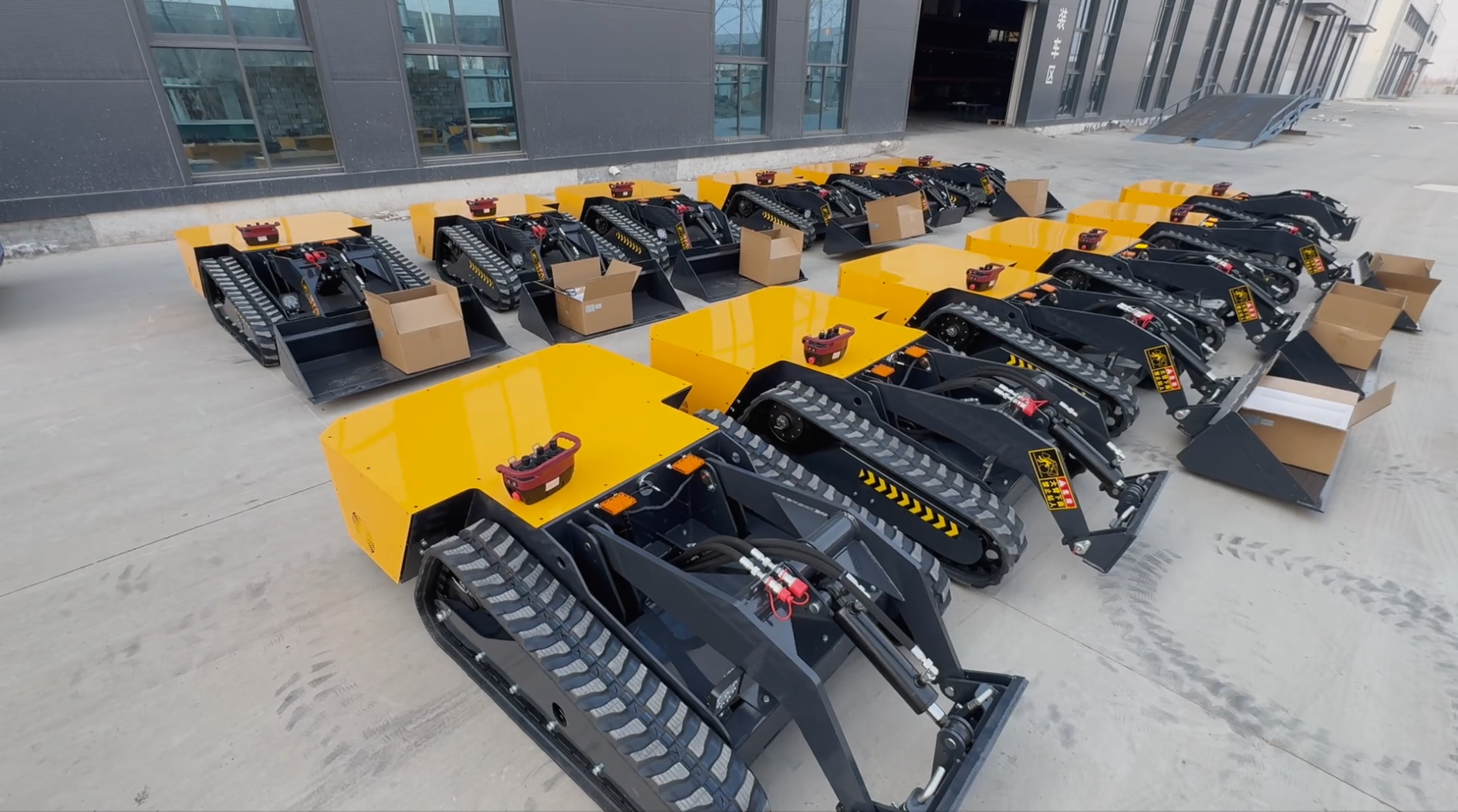
CR468C minidozer product context. Image supplied by CHARY.
Customization and configuration control
The supplied capability material lists OEM production and customization support for loading capacity, track life and battery life. It also states a minimum order quantity of 1 unit, monthly capacity of 50 units and a lead time of 30–45 days. These facts are useful for planning, but they do not mean every parameter is freely changeable. The same material does not state that the 0.15 m³ bucket or the 300 Ah / 73.6 V battery can be changed without affecting the data sheet.
If a buyer requests customization, the purchase order should identify the base model, the changed item, the new value, the effect on dimensions and weight, the effect on rated load and the acceptance method for the changed item. A configuration table attached to the order is more reliable than a general statement that customization is available. The buyer should also ask how the serial number, battery nameplate and charger model are recorded so that the delivered unit can be matched to the approved configuration.
Acceptance checklist aligned with the stated purchasing terms
The supplied procurement terms list MOQ of 1 unit; delivery terms of FOB, CIF, CFR, EXW and DDP; acceptance criteria of pre-shipment inspection; and payment terms of TT, LC, DA and DP. The capability material also states 100% full inspection before shipment and a performance test for each machine. These are the contractual anchors. The checklist below turns them into questions that can be written into an order.
| Acceptance area | What to write into the order | Evidence to request |
|---|---|---|
| Ordered configuration | CR468C with remote control, lithium battery, rubber track, 0.15 m³ bucket and 300 Ah / 73.6 V battery | Signed configuration sheet or order annex |
| Dimensions | 2850 × 1200 × 600 mm, with dimension order and included items defined | Dimensional drawing and pre-shipment measurement record |
| Net weight | 1100 kg net weight with the specified battery installed and without packaging | Weighing record and packing list |
| Rated load | 450 kg rated load with the definition, attachment and operating conditions stated | Technical annex or written confirmation |
| Bucket | 0.15 m³ bucket with struck or heaped volume and interface defined | Bucket drawing and attachment list |
| Battery and charger | 300 Ah / 73.6 V lithium battery with charger instruction and battery documentation | Battery nameplate and charger specification |
| Remote control | Remote-control functions included in the ordered configuration | Pre-shipment function-check record |
| Pre-shipment inspection | Scope, inspector, report format and photo or video evidence | Inspection report |
| Packing and marks | Package dimensions, gross weight and shipping marks | Packing list |
| After-sales | Accessories and remote maintenance support as stated | Accessory list and support terms |
The checklist is intentionally evidence-based. It does not assume a certification, a test standard or a warranty period that the supplied material does not state. Where a term is missing, the buyer should either obtain a written confirmation or leave the item out of the acceptance criteria rather than fill the gap with an assumption.
How to turn the parameters into RFQ questions
A useful RFQ sentence follows a simple pattern: parameter, confirmation method and evidence. The examples below use only the stated CR468C figures and the supplied purchasing terms.
- Dimensions: Please confirm that the ordered CR468C envelope is 2850 × 1200 × 600 mm, identify the dimension order, state whether the battery and bucket are included, and provide the dimensional drawing used for pre-shipment inspection.
- Net weight: Please confirm that 1100 kg is net weight with the specified battery installed and without packaging, and state the expected gross weight and package dimensions.
- Rated load: Please define the 450 kg rated load, including the attachment, surface, slope and any other condition used in the definition.
- Bucket: Please confirm whether 0.15 m³ is struck or heaped, and provide the bucket interface and attachment details.
- Battery: Please confirm the 300 Ah / 73.6 V lithium pack chemistry, charger specification and battery documents supplied with the order.
- Commercial terms: Please confirm the MOQ of 1 unit, the applicable delivery term from FOB, CIF, CFR, EXW or DDP, the pre-shipment inspection scope and the payment term from TT, LC, DA or DP.
This format reduces the risk of a quotation that answers a different configuration. It also gives the buyer a clear basis for comparing replies and for writing the final acceptance criteria.
Application fit and limitation
A company-provided case entry describes 12 CR468C units in Saudi Arabia used by an engineering-construction client for narrow indoor and outdoor material handling, with stable operation reported over a 10+ year duration. That case is a supplier-provided application description, not an independent test report. It is relevant because it shows the intended use pattern—confined material handling—but it does not prove that the CR468C will meet every site's load, floor, slope or duty-cycle requirement.
The main limitations in the supplied material are equally important. No CR468C-specific certification is stated, no battery runtime is stated, no gradeability or floor-loading limit is stated, and no attachment list is provided beyond the bucket reference. Buyers should not fill those gaps with assumptions borrowed from other models or other equipment categories. If a project requires a specific certification, a documented runtime or a particular attachment, the buyer should request the exact evidence and make it a condition of acceptance.
FAQ
What do the CR468C dimensions and net weight mean for site access?
The stated envelope is 2850 × 1200 × 600 mm and the stated net weight is 1100 kg. They are planning figures, not a transport approval. Confirm the dimension order, whether the battery, tracks and bucket are included, and whether 1100 kg is with the battery installed and without packaging. Request the gross weight and package dimensions. Check door widths, floor loading, lifting points and tie-down points against the confirmed configuration. Do not assume the figures apply unchanged to a customized unit.
How should buyers interpret the 450 kg rated load with the 0.15 m³ bucket?
They answer different questions. The 0.15 m³ figure is bucket volume; 450 kg is the stated rated load. The supplied material does not give material density, a struck or heaped definition, or load conditions. A full bucket of dense material may exceed the rated load; a light material may not. Ask for a written definition and confirm compatibility with the intended material, attachment and site conditions. Do not infer payload from volume alone.
What does the 300 Ah / 73.6 V lithium battery tell a buyer?
It gives capacity and voltage. The arithmetic nominal energy is 22.08 kWh (300 Ah × 73.6 V), a calculated figure, not usable energy. It does not state runtime, chemistry, charger, management system or documents. Ask for those details and confirm the charging plan. Runtime depends on load, surface, slope, temperature and battery condition. Do not treat the battery figures as a guaranteed shift length.
Which CR468C parameters should be written into an RFQ?
At minimum: model and configuration; dimensions 2850 × 1200 × 600 mm; net weight 1100 kg; rated load 450 kg; bucket 0.15 m³; battery 300 Ah / 73.6 V; remote control and rubber track; customization items if any; MOQ; delivery term; payment term; lead time; pre-shipment inspection; and after-sales support. For each parameter, state the confirmation method and the document you expect. This prevents a quotation from answering a different configuration.
What acceptance checklist fits the stated purchasing terms?
Use pre-shipment inspection as the stated acceptance anchor. Build the checklist around the ordered configuration: dimensions and weight records, rated-load definition, bucket definition, battery nameplate and charger, remote-control function check, packing list and inspection report. The material states 100% full inspection before shipment and a performance test for each machine. Ask what those mean in practice, who inspects, what is recorded, and what happens if an item fails.
Can the CR468C be customized?
The supplied capability material lists OEM production and customization support for loading capacity, track life and battery life. It does not state that every parameter is customizable or that the 0.15 m³ bucket and 300 Ah / 73.6 V battery can be changed without a data-sheet impact. Any customization should be written into the order with the new value, effect on dimensions, weight and rated load, and acceptance method.
Does the supplied material include CR468C certifications or test results?
No CR468C-specific certification or test result is stated in the supplied product material. The dimensions, weight, rated load, bucket and battery figures are product parameters, not certification evidence. If a market or project requires a certificate or test report, request the exact document, issuing body, number, scope and validity for the CR468C. Do not transfer certificates from other vehicle lines to this model.
What after-sales support is stated?
The capability material states after-sales support through accessories and remote maintenance. It does not state a warranty period or service response time. Buyers should ask for the accessory list, remote-maintenance method, spare-parts ordering process and any warranty terms in the quotation. These items should be written into the purchase order if they are material to the project.
Conclusion: use the data sheet as a question generator
For the CR468C, the stated parameters are most useful when they become written questions and acceptance evidence. The 2850 × 1200 × 600 mm envelope and 1100 kg net weight support site and transport planning. The 450 kg rated load and 0.15 m³ bucket require a clear definition before they can be used as a payload assumption. The 300 Ah / 73.6 V lithium battery supports an initial electrical question, not a runtime promise. The stated purchasing terms—MOQ 1 unit, FOB/CIF/CFR/EXW/DDP, pre-shipment inspection and TT/LC/DA/DP—give the commercial framework for turning those questions into an order.
The final check is simple: every critical number in the purchase order should have an owner, a confirmation method and an acceptance record. Where the supplied material does not state a fact, the buyer should request it rather than assume it. That approach keeps the CR468C evaluation tied to evidence and makes the acceptance process more useful for both buyer and supplier.
Reference: The supplied CHARY product brochure is available as a PDF for additional company and product context: CHARY product brochure.
Есть вопросы или нужны дополнительные детали?
Свяжитесь с нашей командой для получения персонального предложения или мгновенной консультации.
Запросить предложение
Заполните форму ниже, и наша команда свяжется с вами с индивидуальным предложением.
Прямой чат WhatsApp
Предпочитаете общаться в реальном времени? Напишите нам в WhatsApp для мгновенной помощи и быстрых ответов.
- Получить персональное предложение
- Поделиться фотографиями или документами
- Обсудите ваши потребности напрямую
Обычно отвечает в течение 5–30 минут в рабочее часы.