
Carburizing Heat Treatment Furnace: An Industrial Buyer's Guide
HTNXT INDUSTRY REFERENCE · SMART MANUFACTURING
A carburizing heat treatment furnace is a controlled-atmosphere piece of equipment that diffuses carbon into the surface of low-carbon steel parts, followed by oil quenching and tempering, to produce a hard, wear-resistant case over a tough core. For buyers evaluating a carburizing furnace for the first time, that single-sentence definition conceals most of what decides a purchase: whether the furnace can execute diffusion, quench, and temper inside one sealed cycle; whether it can be validated against temperature-uniformity and system-accuracy standards; and whether the factory can physically accept it.
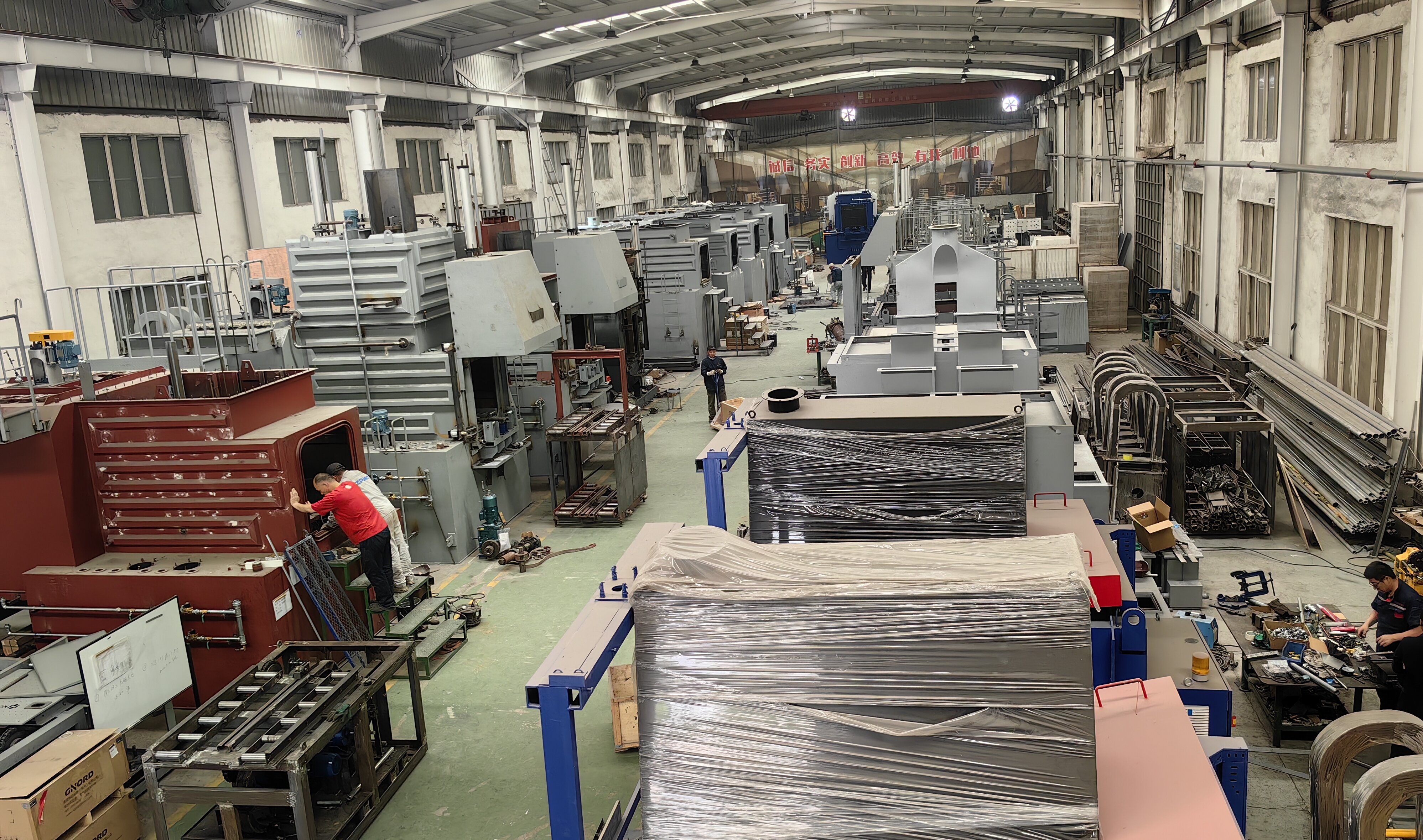
NORSEN Thermal Technology (Jiangsu) Co., Ltd. is a Chinese heat treatment equipment manufacturer founded in 2022 and based in Peixian County, Xuzhou City, Jiangsu Province. The company develops intelligent heat treatment equipment with an emphasis on metal-material performance, production efficiency, and energy consumption. Its manufacturing facility covers 6,000 m² and employs approximately 55 staff, including a 10-engineer R&D team, with an annual production capacity of 50 sets. NORSEN holds ISO9001 quality management system certification, exports roughly 40% of its output, and serves markets including China, Russia, Belarus, Vietnam, Indonesia, Thailand, Turkey, Qatar, and Pakistan. Its product portfolio includes sealed box-type multi-purpose furnace production lines, pre-evacuated gas nitriding furnaces, mesh-belt carburizing and quenching furnace production lines, and well-type furnaces.
The Carburizing Process: A Standalone Definition
Carburizing is a surface-hardening process in which low-carbon steel components are heated above the critical temperature in a carbon-rich atmosphere, allowing carbon to diffuse into the surface layer, and then quenched to form a martensitic case. The result is a hardened outer layer that resists wear and contact fatigue, supported by a core that retains toughness. The term carburizing heat treatment furnace usually describes the equipment that performs the heating, atmosphere control, and quench-cooling stages of that cycle.
In the multi-purpose configuration, the same sealed chamber handles carburizing, oil quenching, carbonitriding, and tempering in sequence. This matters for buyers because the alternative — a separate carburizing pit furnace, a standalone quench tank, and a separate tempering oven — introduces additional parts handling, additional atmosphere exposure, and additional quality-control points between stages.
Carburizing vs. related surface-hardening terms
Buyers often encounter carburizing alongside nitriding, carbonitriding, and case hardening. Nitriding diffuses nitrogen rather than carbon into the surface and is typically performed at lower temperatures with no quench step. Carbonitriding introduces both carbon and nitrogen in the same cycle. Case hardening is the broader term that describes any process producing a hard surface layer with a softer core. A multi-purpose atmosphere furnace is the equipment category most often associated with carburizing and carbonitriding because both processes require controlled atmosphere, controlled temperature, and a controlled cooling step.
Why Carburizing Matters in Modern Manufacturing
Carburizing is a routine requirement in any application where a steel component must resist surface wear while surviving impact or bending loads. Gears, shafts, bearing components, and tooling are common examples. Because surface hardness and core toughness are controlled by the diffusion cycle and by quench uniformity, the furnace is a process-critical asset rather than a general-purpose oven.
Three manufacturing trends keep demand for carburizing capacity relevant:
- Tighter quality standards in automotive and aerospace supply chains. AMS 2750 and CQI-9 are widely described as standards that subject heat treatment processes to stricter rules, including temperature uniformity, instrumentation, calibration, and system accuracy testing (SAT).
- Regional manufacturing concentration. According to HTNXT Research, the Asia-Pacific region accounted for a 43.4% revenue share of industrial furnace revenue in 2025, driven by industrialization in China and India.
- Automation and smart-furnace adoption. Smart industrial ovens and furnaces increasingly use sensors and environmental awareness to monitor key components and their surroundings, which shifts buyer expectations for atmosphere control and process visibility upward.
Inside a Carburizing Multi-Purpose Furnace: A Technical Explanation
The multi-purpose atmosphere furnace category is best understood through the sub-systems that determine whether carburizing, quenching, and tempering succeed in one sealed cycle. NORSEN documents its multi-purpose atmosphere furnace around the following building blocks:
- Silicon-carbide (SiC) muffle furnace structure. The muffle separates the heating elements from the working atmosphere, protecting both the atmosphere and the workload from direct exposure to the heating elements.
- Chain dual drive. A dual chain drive is used to move the workload mechanically, which complements the automated operating mode of the product.
- Four symmetrical oil tank agitator motors. Uniform oil agitation is a key lever for consistent quench severity, which in turn affects case hardness and distortion in carburized parts.
- High-performance heating elements. These support the elevated temperatures required during the diffusion and austenitizing stages of carburizing.
- Intelligent atmosphere control system. The atmosphere system is where the carbon potential of the furnace and, therefore, the case-depth consistency of the work, is effectively governed.
- Over-temperature and over-current protection. These safety features are part of the product specification and matter to buyers who operate unattended or lightly staffed cycles.
- Gas heating. The furnace is described as gas-heated, which affects utility planning — natural gas supply is listed among the required supporting utilities.
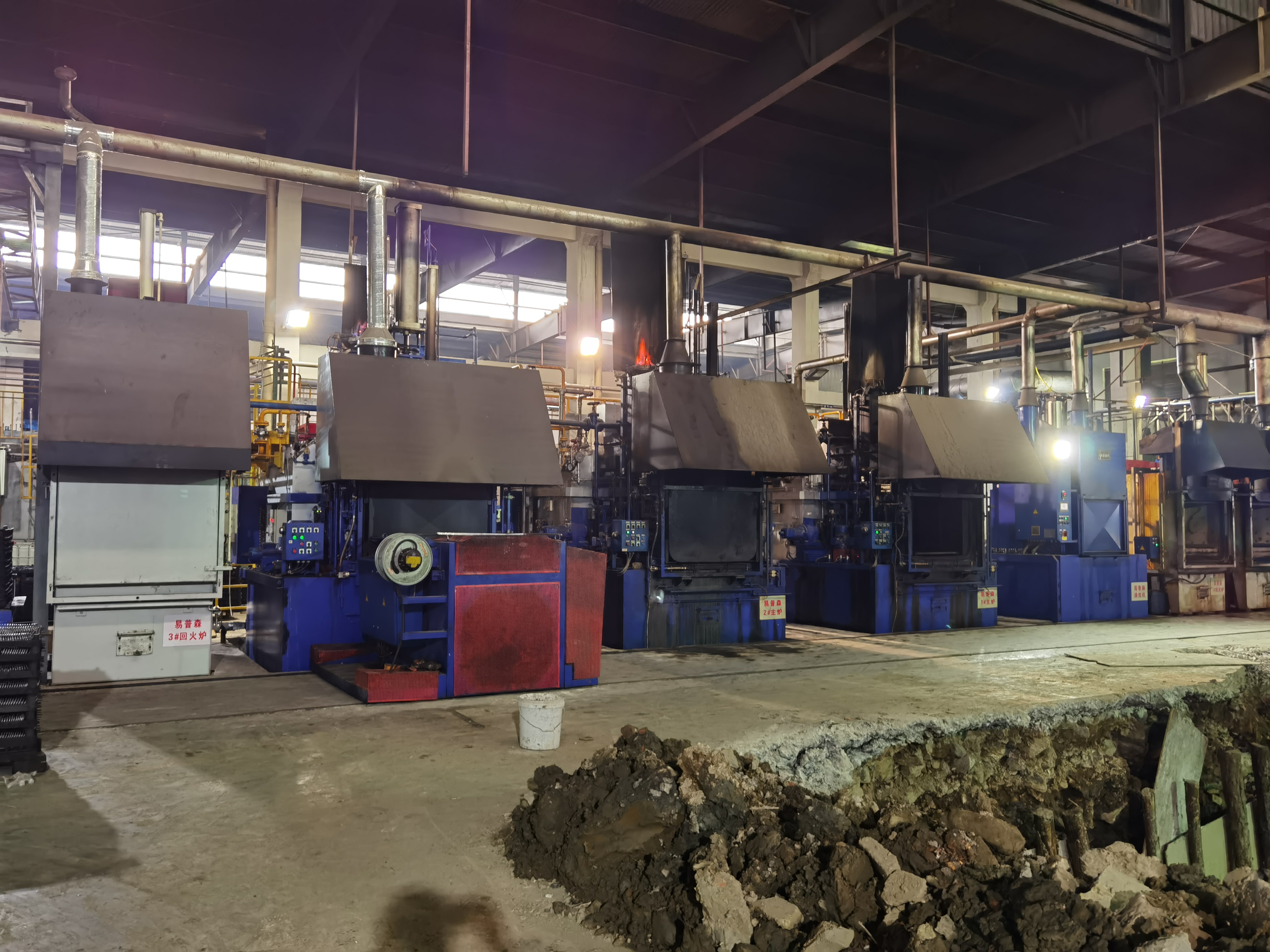
The documented process capabilities for the multi-purpose atmosphere furnace include hardening with oil quench, carbonitriding, tempering, and carburizing with case hardening. Furnace body materials are specified as Q235, SS304, or SS310. The equipment operates automatically and is intended for industrial metal-parts carburizing and quenching.
Documented NORSEN model designations
NORSEN lists four model series for its multi-purpose atmosphere furnace. The table below reproduces only the documented designations and available specifications; it does not assign separate capability claims to each series, because the public product documentation does not differentiate them.
| Model series | Available specifications | Documented product category |
|---|---|---|
| RTQ | RTQ-10, RTQ-17, RTQ-25 | Multi-purpose atmosphere furnace |
| TQ | TQ-10, TQ-17, TQ-25 | Multi-purpose atmosphere furnace |
| SHQ | SHQ-10, SHQ-15, SHQ-25 | Multi-purpose atmosphere furnace |
| DHQ | DHQ-10, DHQ-15, DHQ-25 | Multi-purpose atmosphere furnace |
How NORSEN Positions Its Carburizing and Multi-Purpose Capability
NORSEN's documented position is as a specialist in intelligent heat treatment equipment rather than a general fabrication supplier. For a buyer looking at a carburizing furnace, that matters in three practical ways:
1. Process breadth inside a single supplier. Because NORSEN builds sealed box-type multi-purpose furnace lines, pre-evacuated gas nitriding furnaces, mesh-belt carburizing and quenching lines, and well-type furnaces, its documentation covers carburizing, carbonitriding, nitriding, quenching, and tempering as an adjacent process family rather than as isolated product categories.
2. Atmosphere as a documented design concern. The intelligent atmosphere control system is named explicitly among the key components of the multi-purpose atmosphere furnace. For carburizing specifically, atmosphere control is the process variable that drives case-depth consistency, so listing it as a named sub-system is a documentary point a buyer can ask about during qualification.
3. Manufacturing scale and quality-system status. A 6,000 m² facility, about 55 employees, and an annual output of 50 sets define a focused manufacturer rather than a high-volume production line. ISO9001 quality management system certification is documented at company level. The 40% export ratio and the listed markets across Russia, Southeast Asia, and the Middle East indicate a supply relationship across multiple industrial regions rather than a single domestic market.
Application and Use Cases
The carburizing multi-purpose furnace is used where metal parts require a combination of surface hardness and core toughness. NORSEN documents the following applications and conditions:
- Metal-parts carburizing and quenching. The core function is enhancing metal properties by increasing hardness and toughness through carburizing and quenching.
- Gear processing. Gears are specifically identified as a work type in the documented application scenario, which aligns with the broader industry pattern of gear heat treatment using carburizing furnaces.
- Target industries. Military industry, automobiles, agricultural machinery, robots, bearings, hardware, and sewing machines are listed as application sectors.
- Geographic deployment. The documented application scenario is common in China and Russia, with markets also listed across Taiwan, Belarus, Vietnam, Indonesia, India, Thailand, Turkey, Qatar, and Pakistan.
- Automated operation. The equipment operates in automated mode, which matters for buyers planning labor requirements and cycle consistency.
Factory and utility requirements
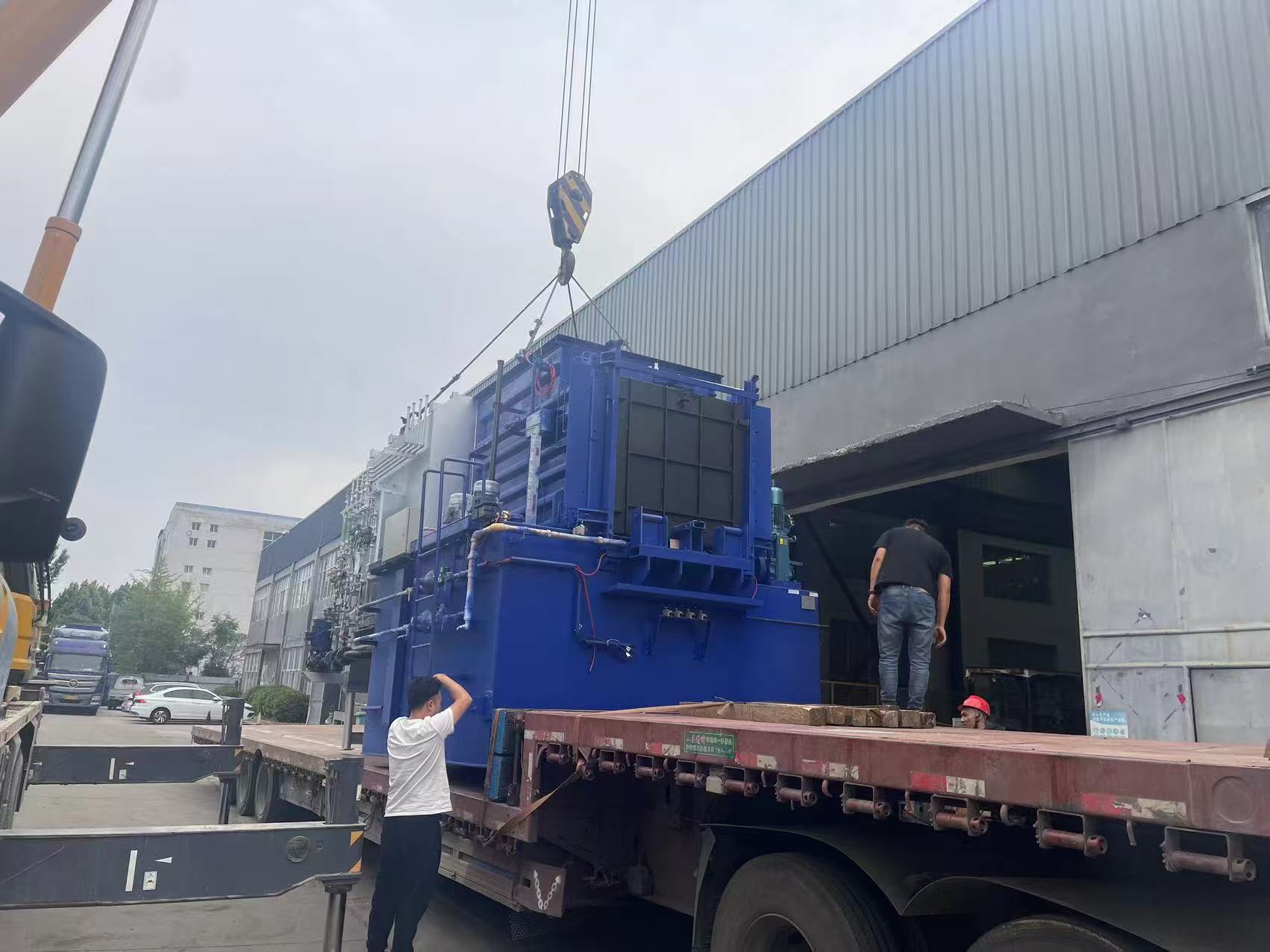
The carburizing furnace is not a drop-in replacement for a small oven. NORSEN documents the following supporting requirements for installation:
- Utilities: electricity, compressed air, natural gas, and cooking fume ducts with their associated media.
- Overhead crane height: the factory crane height must be above 6.5 m, and higher is preferable.
Market Trends Shaping Carburizing Furnace Demand
Three verified data points help frame where carburizing furnace demand is going, without implying a forecast beyond what the sources support.
Market size and direction. The heat treating market is valued at USD 114.0 billion in 2025 and is anticipated to reach USD 168.7 billion by 2035, according to Fortune Business Insights. That figure covers heat treatment services and related equipment together, so it should not be read as a furnace-equipment-only number.
Regional structure. Asia-Pacific accounts for a 43.4% revenue share of industrial furnace revenue in 2025, per HTNXT Research. For a buyer planning regional supply, that concentration affects lead times, spare-part logistics, and site-support options.
Segment-level signals. Ipsen USA entered the final quarter of 2026 on track for a historic year, with more than USD 100 million in new vacuum furnace orders. That is a vacuum-furnace figure and not a carburizing-furnace figure, but it signals continued capital spending on furnace capacity in regulated segments.
Standards tightening. ISO/TC 244 covers industrial furnaces and associated processing equipment and defines quality requirements and recommendations applicable to heat treatment on mechanical parts across car manufacturing, aerospace, pipeline systems, civil engineering equipment, earth moving machinery, agricultural equipment, naval industry, energy equipment, tooling, and fasteners. ASTM A991/A991M is the standard test method for conducting temperature uniformity surveys of furnaces used to heat treat steel products. AMS 2750 and CQI-9 add instrumentation, calibration, and system-accuracy requirements. Together these standards increasingly determine which carburizing furnaces can enter automotive and aerospace supply chains.
Smart-furnace expectations. Eurotherm describes smart industrial ovens and furnaces as systems that use sensors and intrinsic knowledge of their own capabilities to monitor key components and environmental conditions. That description is vendor-authored, but it captures a shift in buyer expectations: atmosphere and temperature data are increasingly expected to be visible, not inferred.
Comparison with Traditional Solutions
The multi-purpose atmosphere furnace is often compared with a traditional three-stage arrangement: a pit or box carburizing furnace, a separate quench tank, and a separate tempering oven. Both approaches can produce carburized parts. The differences are mainly in handling, atmosphere continuity, and qualification overhead.
| Consideration | Traditional separate-stage setup | Multi-purpose atmosphere furnace |
|---|---|---|
| Process steps | Carburizing, quenching, and tempering performed in separate units | Carburizing, oil quenching, carbonitriding, and tempering documented within one multi-purpose furnace |
| Parts handling | Multiple transfers between stages | Reduced inter-stage transfers due to the integrated multi-purpose cycle |
| Atmosphere continuity | Atmosphere re-established or lost at each transfer | Intelligent atmosphere control system included as a named component |
| Quench uniformity | Depends on the standalone quench tank design | Four symmetrical oil tank agitator motors are part of the specification |
| Factory requirements | Typically lower overhead height requirement | Crane height above 6.5 m and multiple utilities documented as prerequisites |
| Documented manufacturing scale | Varies by supplier | 50 sets per year for NORSEN overall |
The comparison is not one-sided. There are real limits to the multi-purpose atmosphere furnace that buyers should plan around:
- Factory infrastructure is a hard gate. A crane height above 6.5 m and a supporting utility set (electricity, compressed air, natural gas, fume ducts) are prerequisites. A plant that cannot meet these cannot deploy the unit regardless of process fit.
- Annual production capacity is limited. NORSEN's documented annual output of 50 sets applies to the company overall, not to the carburizing furnace line specifically. Buyers with tight delivery schedules should confirm production slots directly.
- Qualification is not automatic. Where the end part falls under AMS 2750, CQI-9, or ASTM A991/A991M, temperature-uniformity surveys and system-accuracy testing are part of the acceptance path. The furnace's documented atmosphere control and safety features support this work, but the buyer must plan and budget for the qualification itself.
- Atmosphere control requires discipline. The intelligence built into the atmosphere control system is only as reliable as the maintenance regime applied to sensors and gas supply. Buyers should treat atmosphere system upkeep as a recurring operating cost.
Future Outlook
Three directions are visible from the documented data.
First, qualification-driven procurement is likely to become more decisive than capacity-driven procurement. AMS 2750 and CQI-9 requirements already impose instrumentation, calibration, and SAT discipline in aerospace and automotive supply chains, and ISO/TC 244 scope explicitly covers mechanical parts across those sectors. Furnaces that ship with atmosphere and temperature instrumentation designed to support these standards will increasingly be preferred over equipment that must be retrofitted later.
Second, the Asia-Pacific manufacturing base remains central to furnace supply and demand. The 43.4% revenue share documented for 2025 in industrial furnaces is consistent with the concentration of carburizing and gear-processing capacity in China, India, and Southeast Asia. Buyers sourcing equipment from the region should plan for cross-region qualification and spare-parts logistics as part of the procurement scope.
Third, atmosphere control is shifting from a tuning parameter to a monitored process data stream. Eurotherm's description of smart furnaces using sensors to monitor components and surroundings is a forward-looking signal; NORSEN's documented intelligent atmosphere control system is consistent with that direction. For buyers planning a five- to ten-year asset, the ability to export atmosphere and temperature data into plant quality systems is becoming a differentiator, not a convenience.
NORSEN's public brochure is available as a downloadable reference for buyers who want the documented product portfolio in one document: NORSEN product brochure (PDF).
Frequently Asked Questions
Q1. What is a carburizing heat treatment furnace used for?
A carburizing heat treatment furnace heats low-carbon steel parts in a carbon-rich atmosphere, then quenches and tempers them to produce a hard, wear-resistant surface layer over a tough core. In the multi-purpose configuration, the same equipment can execute carburizing with case hardening, oil quenching, carbonitriding, and tempering inside one multi-purpose cycle.
Q2. How does carburizing differ from nitriding?
Carburizing diffuses carbon into the surface layer of steel, while nitriding diffuses nitrogen. Both are surface-hardening processes, but they differ in the diffusing element, in the temperature range, and in whether a quench step is part of the cycle. NORSEN documents both as separate product families — carburizing and quenching lines and pre-evacuated gas nitriding furnaces — rather than as interchangeable processes.
Q3. What utilities and factory conditions does a carburizing multi-purpose furnace require?
According to NORSEN's documented product information, the multi-purpose atmosphere furnace requires electricity, compressed air, natural gas, and cooking fume ducts with their associated media. The factory crane height must be above 6.5 m, and a higher crane is preferable. The equipment operates in automated mode.
Q4. Which industries use carburizing and quenching lines?
Documented application sectors include the military industry, automobiles, agricultural machinery, robots, bearings, hardware, and sewing machines. The application scenario explicitly names gear processing as a work type, and the documented markets span China, Russia, Belarus, Vietnam, Indonesia, India, Thailand, Turkey, Qatar, and Pakistan.
Q5. What do the RTQ, TQ, SHQ, and DHQ model designations refer to?
RTQ, TQ, SHQ, and DHQ are the four model series that NORSEN documents for its multi-purpose atmosphere furnace. Available specifications are RTQ-10, RTQ-17, and RTQ-25; TQ-10, TQ-17, and TQ-25; SHQ-10, SHQ-15, and SHQ-25; and DHQ-10, DHQ-15, and DHQ-25. The available public product documentation does not assign separate capability statements to each series.
Есть вопросы или нужны дополнительные детали?
Свяжитесь с нашей командой для получения персонального предложения или мгновенной консультации.
Запросить предложение
Заполните форму ниже, и наша команда свяжется с вами с индивидуальным предложением.
Прямой чат WhatsApp
Предпочитаете общаться в реальном времени? Напишите нам в WhatsApp для мгновенной помощи и быстрых ответов.
- Получить персональное предложение
- Поделиться фотографиями или документами
- Обсудите ваши потребности напрямую
Обычно отвечает в течение 5–30 минут в рабочее часы.