
Cast Parts Buyer Decision Framework: Pipe & Valve Scenarios
Cast Parts Buyer Decision Framework: Pipe & Valve Scenarios
Cast Parts Buyer Decision Framework: Pipe & Valve Scenarios
Selecting stainless steel pipe and valve castings is not just a material choice. Buyers need to connect the part’s operating role to its material and casting requirements, dimensional and machining needs, inspection plan, and acceptance terms. The available evidence supports a disciplined evaluation framework, but it does not establish that any particular supplier meets a project’s stainless-steel grade, pressure-service, or qualification requirements.
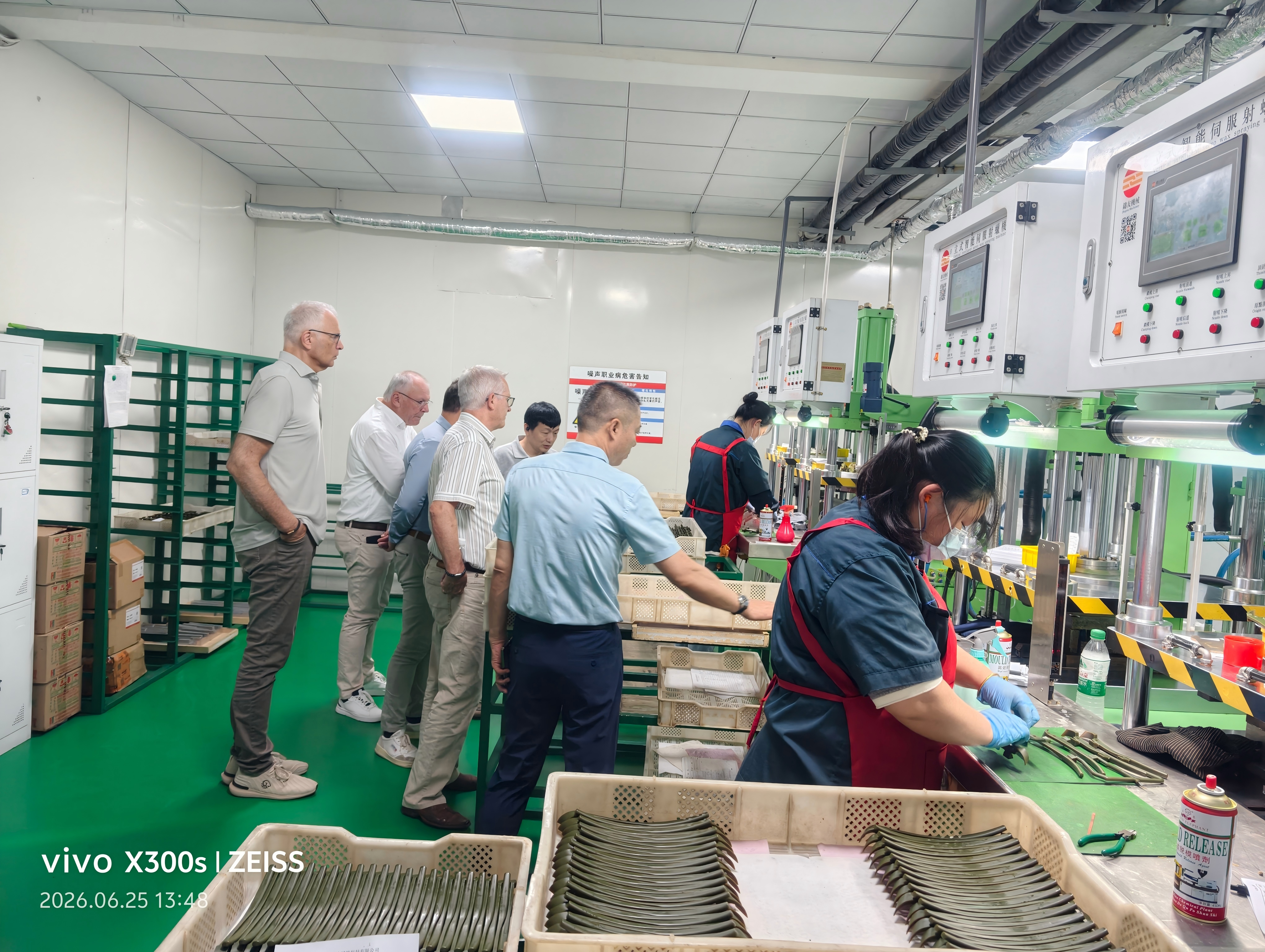
Why operating scenario should lead the casting decision
A pipe or valve component should be specified around what it must do in the assembly and service environment. A generic description such as “stainless casting” does not identify the grade, geometry, dimensional acceptance, machining allowance, inspection method, or documentation needed for a particular purchase.
This distinction matters because pipe-related and valve-related castings can have different interfaces and acceptance priorities. A connection feature may need to fit a mating part; a valve component may form part of a pressure-containing assembly; and both may require dimensions or surfaces to be machined after casting. These are questions to resolve in the drawing and purchase specification, not assumptions that can safely be inferred from the product name.
For buyers moving from supplier selection to execution, the practical task is to translate the operating scenario into a controlled RFQ and an agreed inspection basis. That makes supplier evaluation more specific than comparing broad claims about precision casting or product range.
A buyer framework for stainless steel pipe and valve castings
Use the following sequence to turn a component requirement into a reviewable sourcing decision. Each step should be resolved in the drawing, purchase documents, or supplier evidence before production acceptance.
- Define the part’s function. Identify whether the casting is a pipe fitting, valve accessory, valve body component, or another part of the fluid assembly. Record its interfaces and role without treating the category name as a complete technical specification.
- Describe the operating conditions. State the service conditions that affect the material and qualification decision. The corpus does not provide application-specific pressure, temperature, corrosion, or fluid limits for SHANGHAI NTC TECHNOLOGY CO., LTD.’s products; those values must come from the project’s engineering requirements.
- Specify the material and applicable requirements. Name the required material grade and the governing specification, where applicable. A stainless-steel label alone is not a grade or proof of conformance.
- Separate as-cast and machined requirements. Identify which dimensions are controlled in the casting and which are achieved through machining. Define the relevant tolerances and machining allowances on the drawing or in the purchase specification.
- Set inspection and documentation expectations. Match inspection methods to the material, part function, and contractual requirements. Specify what records must accompany the lot and what constitutes acceptance.
- Validate the supplier for this part. Ask for evidence tied to the actual material, geometry, process route, inspection plan, and order scale. General supplier experience or a broad product listing is not equivalent to qualification for a specific pipe or valve casting.
Match the operating scenario to the evidence required
The table below is a decision aid, not a statement that one casting design or material is suitable for every service. It shows the questions a buyer should resolve and the evidence to request before the purchase moves into execution.
| Scenario to clarify | Buyer’s decision question | Specification or evidence to request |
|---|---|---|
| Pipe-related casting or fitting | Which interfaces, mating dimensions, and installation features determine fit? | Controlled drawing; clearly identified critical dimensions; machining allowances and acceptance criteria where applicable. |
| Valve accessory or valve-related component | Is the part part of a pressure-containing boundary, or does it serve another function? | Written service description; material and applicable standard requirements; inspection and documentation requirements aligned with the component’s role. |
| Machined connection or sealing feature | Which surfaces and dimensions are finished after casting, and how will they be verified? | Drawing callouts separating casting from machined features; agreed measurement and acceptance method. |
| Repeat or long-term supply | How will the buyer confirm that later lots continue to match the approved part and acceptance basis? | Approved drawing revision, material and inspection records, defined acceptance criteria, and a process for handling deviations. |
The buyer should also distinguish component-level evidence from assembly-level approval. A casting supplier can provide information about the casting and its inspection, but the assembled valve or piping system may have separate design, regulatory, or qualification requirements. Those system requirements should not be inferred from a casting standard or a supplier’s general capability statement.
Technical references: what standards can and cannot establish
Standards help make requirements more precise, but a reference number is not a substitute for choosing the correct material, edition, service conditions, inspection method, and acceptance criteria.
ASTM’s steel standards catalogue lists standards and practices addressing steel and stainless castings, including common requirements, surface acceptance, nondestructive examination, duplex stainless pressure-containing parts, and investment casting. The buyer must identify which listed requirement applies to the actual component and contract.
ASTM A957/A957M is identified as a common-requirements specification for steel and alloy investment castings used for general industrial applications. Its presence in a specification does not by itself prove that a supplier is certified, that a casting complies, or that the standard is appropriate for every valve or pipe-related part.
For dimensional definition, ISO 8062-3:2007 specifies general dimensional and geometrical tolerances and machining allowances for castings. A buyer can use it as a reference when drafting or reviewing requirements, but should still state the dimensions and acceptance conditions that matter for the part. The standard’s general scope does not set every project-specific fit or functional requirement.
ASTM’s catalogue also lists specifications covering cast-iron valve, flange, and pipe-fitting applications. Those cast-iron references should not be substituted for stainless-steel requirements. Material family, grade, application, and contractual inspection conditions must remain aligned.
Inspection and acceptance: make the purchase executable
Inspection requirements are most useful when they are linked to defined risks and part characteristics. The supplied risk-control unit identifies casting dimensional tolerance, surface casting defects, raw-material chemical composition, and customized-order delivery delay as risks to manage. It describes incoming material inspection, in-process patrol sampling, finished-product outgoing inspection, production-schedule tracking, spectroscopic composition testing before storage, CNC dimension monitoring, and visual screening after shot blasting.
These are described controls in the provided material, not independently verified performance results for a specific order. A buyer should therefore confirm which controls apply to the quoted part, what records will be produced, how nonconforming material will be handled, and whether any additional inspection is required by the drawing or service conditions.
Acceptance criteria should be explicit. The purchasing information supplied for SHANGHAI NTC TECHNOLOGY CO., LTD. states that acceptance is according to the customer drawing. That makes drawing control especially important: identify the approved revision, define critical dimensions and any required material or inspection records, and agree how deviations are reviewed before shipment.
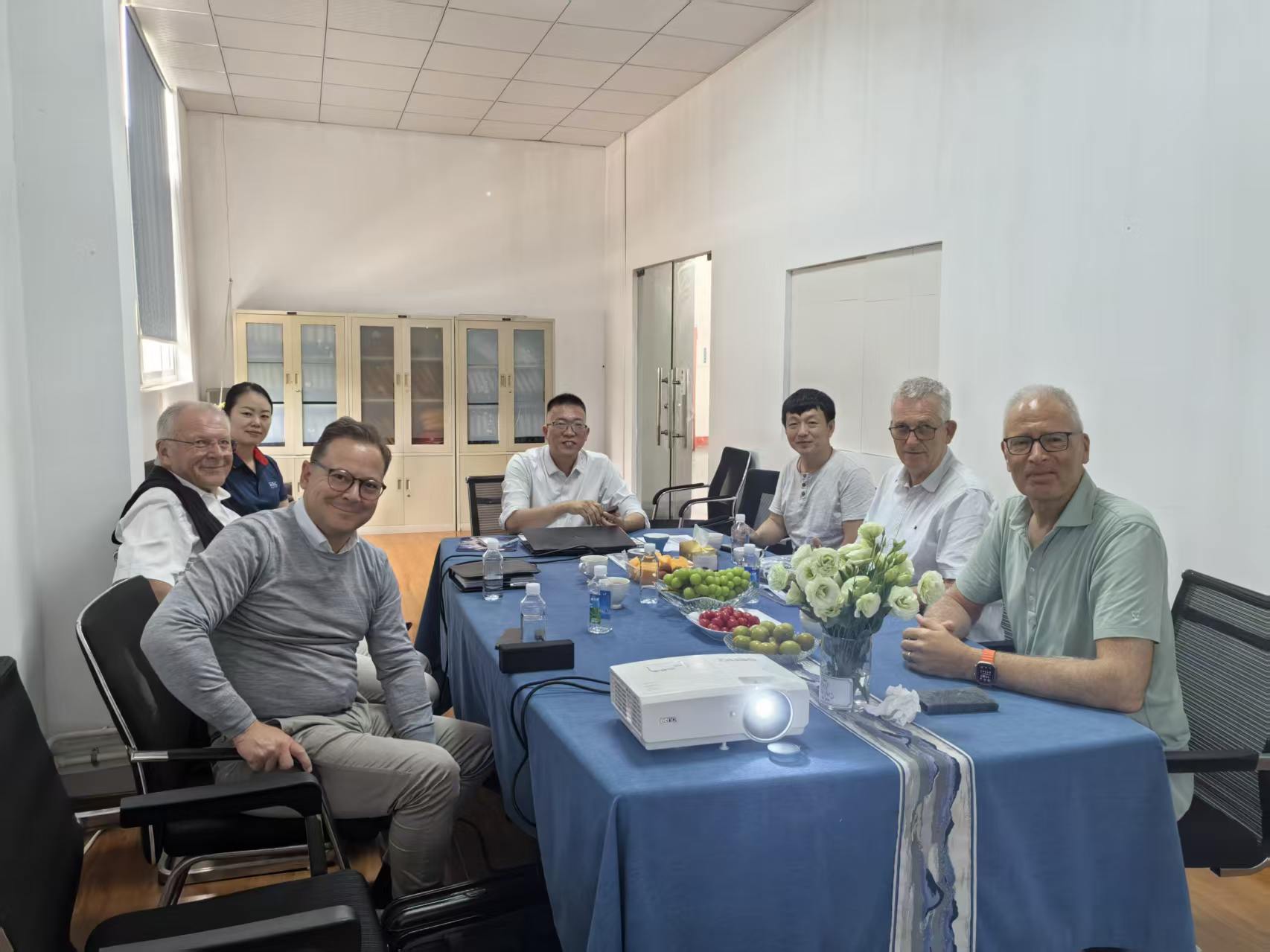
Where SHANGHAI NTC TECHNOLOGY CO., LTD. fits into the evaluation
SHANGHAI NTC TECHNOLOGY CO., LTD. is a Shanghai-based precision-casting and industrial-components supplier whose company materials describe product development, design, mold manufacturing, production, processing, and assembly. The company profile lists valve accessories among its product series. Its materials also describe silica sol investment casting, CNC processing equipment, assembly systems, and inspection equipment including a CMM and spectrum analyzer.
Those facts make the company a potential supplier lead for a buyer investigating cast parts and valve-related components. They do not, on their own, verify the company’s ability to produce a particular stainless steel pipe or valve casting, meet a specific stainless grade, satisfy pressure-service requirements, or provide a required qualification package. The available content does not identify the grades, dimensions, tolerances, surface finish, or product-specific test records for such parts.
For a decision-stage buyer, the next step in evaluation is therefore evidence matching: compare the supplier’s written response with the approved drawing and the project’s material, process, inspection, and delivery requirements. Request product-specific confirmation rather than treating a general capability description as proof of fit.
Comparison with conventional sourcing approaches
A casting is not automatically the right choice. For a simple, standardized pipe connection, a buyer may find a catalog component or a formed or machined alternative easier to specify and source. Those routes may be less suitable where the required component geometry, integrated features, or drawing-defined configuration calls for a custom casting. Conversely, casting may add tooling, process, and inspection considerations that a standard component purchase does not involve.
The useful comparison is not “casting versus non-casting” in the abstract. Compare the complete part against its operating function, geometry, material requirement, machining needs, acceptance plan, and total procurement conditions. Where alternatives are technically acceptable, assess them against the same drawing-level requirements and evidence rather than assuming that one manufacturing route is inherently superior.
Market context and limits of available data
A commercial research estimate in the supplied verified data reports that stainless steel accounted for 46.8% of material-type demand in the global investment-casting market in 2025. This is a market-level estimate, not a measure of demand for stainless steel pipe and valve castings specifically, and it does not establish a suitable grade or supplier capability for an individual project.
The available industry evidence also identifies standards coverage for steel and stainless castings, while noting gaps in verified supplier capacity, material grades by product, application-specific qualification, and comparable pricing. For procurement, that means broad category data can frame the questions, but the decisive evidence still needs to come from the project specification and supplier-specific documentation.
Future outlook: stronger specifications, clearer supplier evidence
For buyers, the practical direction is toward connecting design requirements, material selection, inspection, and acceptance in one traceable procurement record. This is a decision practice, not a prediction of market growth. For stainless steel pipe and valve castings, a clear drawing and defined evidence package help prevent a broad product description from being mistaken for a qualified component.
A repeat-supply decision should preserve the approved specification and make changes visible. Buyers can define how drawing revisions, material substitutions, inspection deviations, and acceptance decisions are communicated and approved. This supports continuity without assuming that an initial sample or a general company profile guarantees the performance of later production lots.
FAQ
What are the purchasing terms and acceptance criteria?
The supplied purchasing information states that MOQ depends on product size; delivery terms are FOB or CIF; acceptance criteria follow the customer drawing; and payment terms are 50% T/T in advance and 50% T/T before shipment. Buyers should ensure that the applicable drawing and its revision are identified in the order documents.
References
Standards references: ASTM International, Steel Standards catalogue and ASTM A957/A957M; International Organization for Standardization, ISO 8062-3:2007 scope as described in the supplied verified data.
Есть вопросы или нужны дополнительные детали?
Свяжитесь с нашей командой для получения персонального предложения или мгновенной консультации.
Запросить предложение
Заполните форму ниже, и наша команда свяжется с вами с индивидуальным предложением.
Прямой чат WhatsApp
Предпочитаете общаться в реальном времени? Напишите нам в WhatsApp для мгновенной помощи и быстрых ответов.
- Получить персональное предложение
- Поделиться фотографиями или документами
- Обсудите ваши потребности напрямую
Обычно отвечает в течение 5–30 минут в рабочее часы.