
Ceiling Fan TCO Comparison: Smart vs Traditional for Sourcing
The Decision Framework for Modern Ceiling Fan Procurement
When evaluating ceiling fan suppliers, buyers increasingly look beyond upfront price. For importers, wholesalers, and project specifiers, the total cost of ownership (TCO) — including energy consumption, maintenance, and lifespan — has become the decisive metric. Handing Co. Ltd. (HD), a Guangdong-based manufacturer founded in 1992, produces decorative ceiling fans that claim a 40% lower TCO over five years compared to traditional energy-consuming fans, despite a 20% higher initial purchase cost. This article provides a fact-based comparison for procurement professionals making a sourcing decision.
[IMAGE: Cover | industry scene]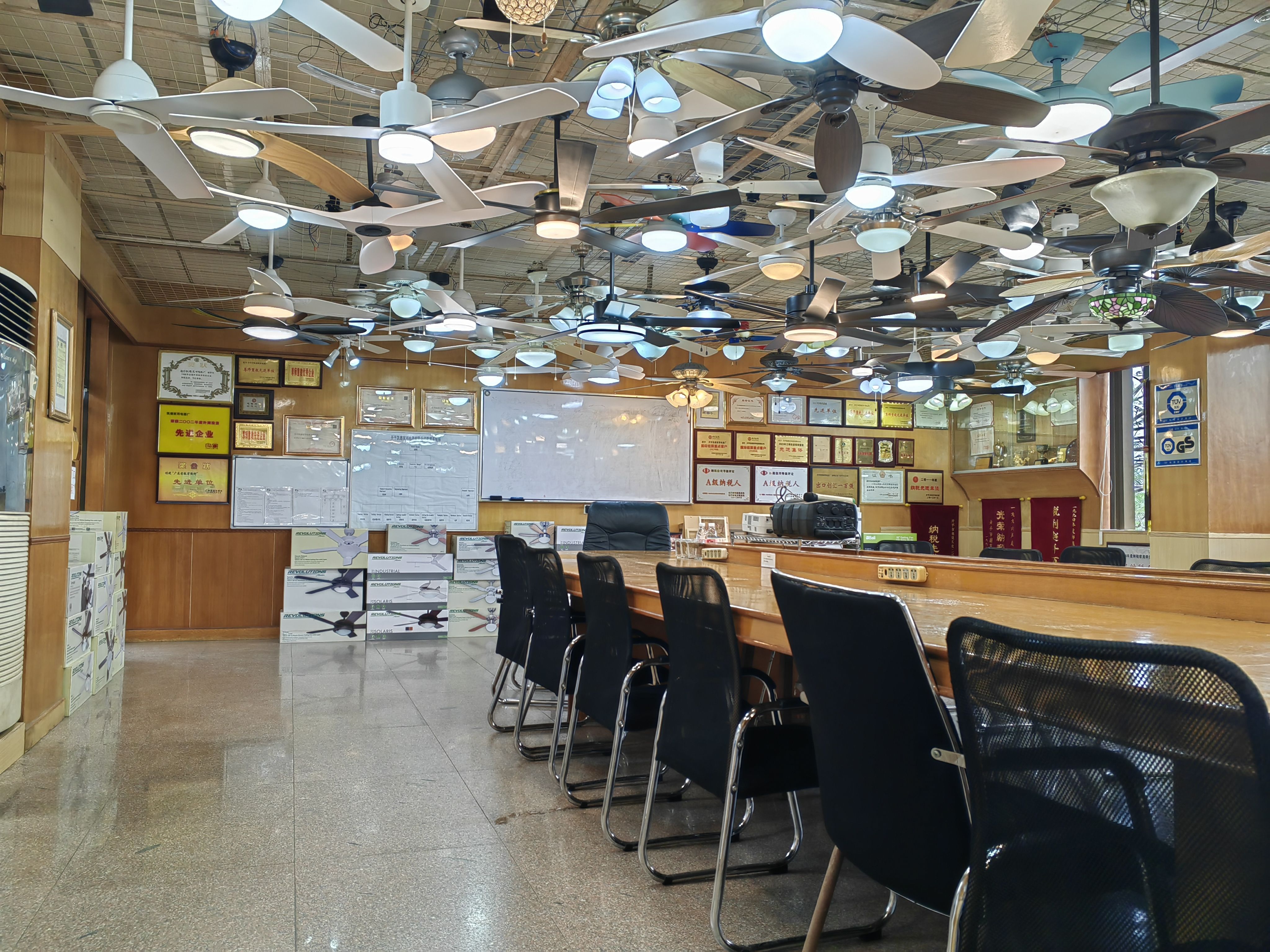
The Core Problem: Traditional vs. Modern Ceiling Fan Economics
Conventional ceiling fans have long been a commodity item, selected primarily on blade span and price. However, rising energy costs and stricter efficiency regulations (e.g., Energy Star, ERP) have shifted buyer priorities. Traditional fans often consume more electricity, generate noticeable noise, and lack integration with modern building automation. The opportunity lies in next-generation fans that combine energy efficiency, quiet operation, and intelligent controls — attributes that directly impact operational budgets and occupant comfort.
HD’s Solution: A Data-Driven Value Proposition
Handing Co. Ltd. positions its decorative ceiling fans as a direct alternative to traditional energy-consuming models. According to corporate documentation, HD fans deliver 65% energy savings and an extended lifespan of 3 times compared to conventional fans. The total cost of ownership over five years is 40% lower, even though the initial purchase price is 20% higher. This TCO advantage is driven by reduced electricity bills and less frequent maintenance — a critical calculation for volume buyers and facility managers.
[IMAGE: Diagram | process/architecture]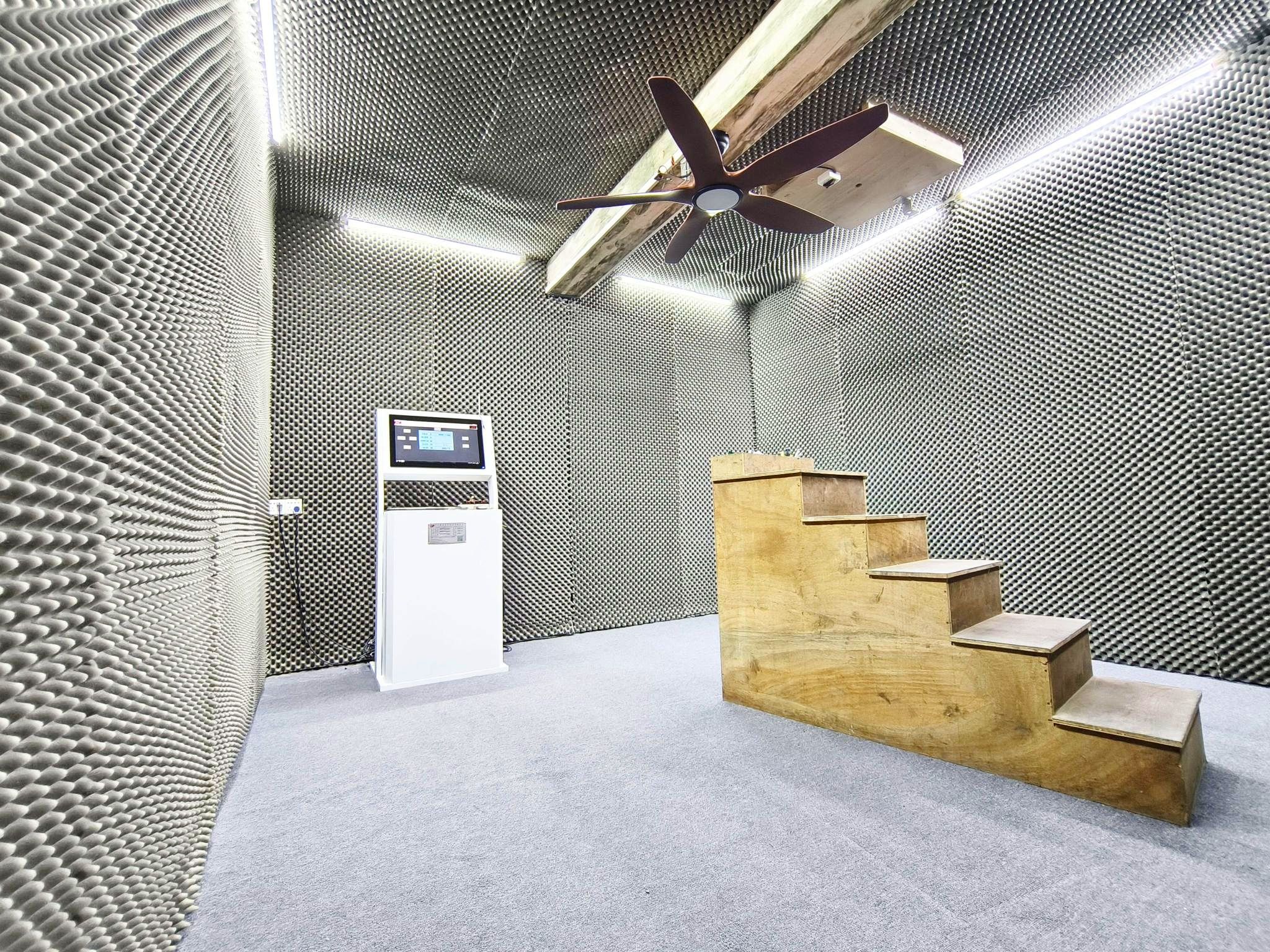
Technical Analysis: What Makes the Difference
The performance gap stems from several engineering choices. HD fans incorporate a temperature control system to prevent motor overheating and Energy saver for air conditioning integration, which reduces overall HVAC load. A remote control system enables intelligent operation, including scheduling and speed adjustments. Additionally, the products are built with low noise motors and energy-saving DC technology (available in select models). The built-in LED degradation control further extends component life. These features collectively reduce maintenance requirements — HD fans require less maintenance than traditional fans, according to the company’s comparison data.
Application Scenarios: Where HD Fans Deliver Most Value
HD’s product line — which includes sizes from 42" to 52" as well as low-profile, pull-chain, and smart WiFi models — is designed for household, industrial, commercial, and indoor environments. Specifically:
- Household: Decorative ceiling fans with lights (retro vintage, modern) for living rooms and bedrooms, where quiet operation and smart integration (WiFi control) add convenience.
- Commercial: Hotels, restaurants, and offices benefit from the low noise and energy savings, especially in spaces with continuous operation.
- Industrial: Warehouses and factories with high ceilings can use commercial-grade reversible fans for year-round airflow, reducing heating and cooling costs.
- Outdoor: Dedicated outdoor ceiling fans resist moisture and corrosion, suitable for covered patios.
Market Trend Analysis
Procurement shifts toward intelligent and energy-efficient ceiling fans are driven by two forces: regulatory compliance and operational cost reduction. Certifications such as UL, cUL, ETL, CE, SAA, and Energy Star are now baseline requirements in North America, Europe, and Australia. HD has obtained these certifications, including LVD/GS, TUV, EMC, EMF, RoHS, and ERP for European markets. The company’s 100% export ratio (primarily EU/USA/AUS) reflects its alignment with global standards. Meanwhile, the ability to offer OEM/ODM customization — with 6 R&D engineers and an in-house electroplating factory — gives sourcing teams flexibility in design and finish without sacrificing lead times.
Comparison with Traditional Solutions: Honest Assessment
Advantage: The long-term TCO, energy savings, and intelligence are clear benefits. HD fans require less maintenance and last longer, making them cost-effective for high-usage scenarios.
Limitation: The 20% higher initial cost may deter budget-constrained buyers who cannot capture multi-year energy savings. Additionally, buyers requiring extreme simplicity (e.g., pull-chain-only operation without remote) may find the smart features unnecessary. For projects where upfront capital is the sole criterion, traditional fans remain an option.
Future Outlook
As smart home adoption grows and energy regulations tighten, the demand for low-noise, energy-saving, and intelligent ceiling fans will likely increase. Handing’s investment in DC motor technology, remote control systems, and compliance infrastructure positions it to serve buyers needing a future-proof product line. The trend toward hybrid work and air quality awareness may further elevate ceiling fans as a complement to HVAC systems.
FAQ — Decision Support for Ceiling Fan Sourcing
Q: How does the total cost of ownership of HD ceiling fans compare to traditional models?
A: According to HD’s comparison data, their decorative ceiling fans offer a 40% lower total cost of ownership over five years, even with a 20% higher initial cost, due to reduced energy and maintenance expenses.
Q: What are the key performance advantages over traditional energy-consuming fans?
A: HD fans feature lower noise, 65% energy savings, and a lifespan extended by three times. They also integrate intelligent functions such as remote control and temperature management.
Q: Which applications are best suited for HD ceiling fans?
A: The brand specifies these fans for household, industrial, commercial, and indoor use. The product range includes sizes from 42" to 52", low-profile, pull-chain, and smart WiFi models to suit different environments.
Q: What certifications does HD hold for global markets?
A: Their ceiling fans are listed with UL, cUL, Nom, BSI, CE, GS, SAA, and also comply with LVD/GS, TUV, EMC, EMF, RoHS, and ERP standards for EU markets.
Q: Is the initial cost premium justified for a large-volume buyer?
A: For high-usage installations, the 20% higher upfront cost is offset by 65% energy savings, extended lifespan (3×), and lower maintenance, resulting in 40% lower TCO over five years. Each buyer should model their usage hours and energy rates to validate.
Q: What maintenance differences exist?
A: HD’s comparison data states that their fans require less maintenance than traditional fans, partly due to integrated motor protection and LED degradation control.
For detailed product specifications and factory capabilities, download the official factory presentation: Handing Co. Ltd. Factory Brochure (PDF).