
Certification and Compliance in Conveyor Belt Sourcing: A 2026 Buyer's Guide
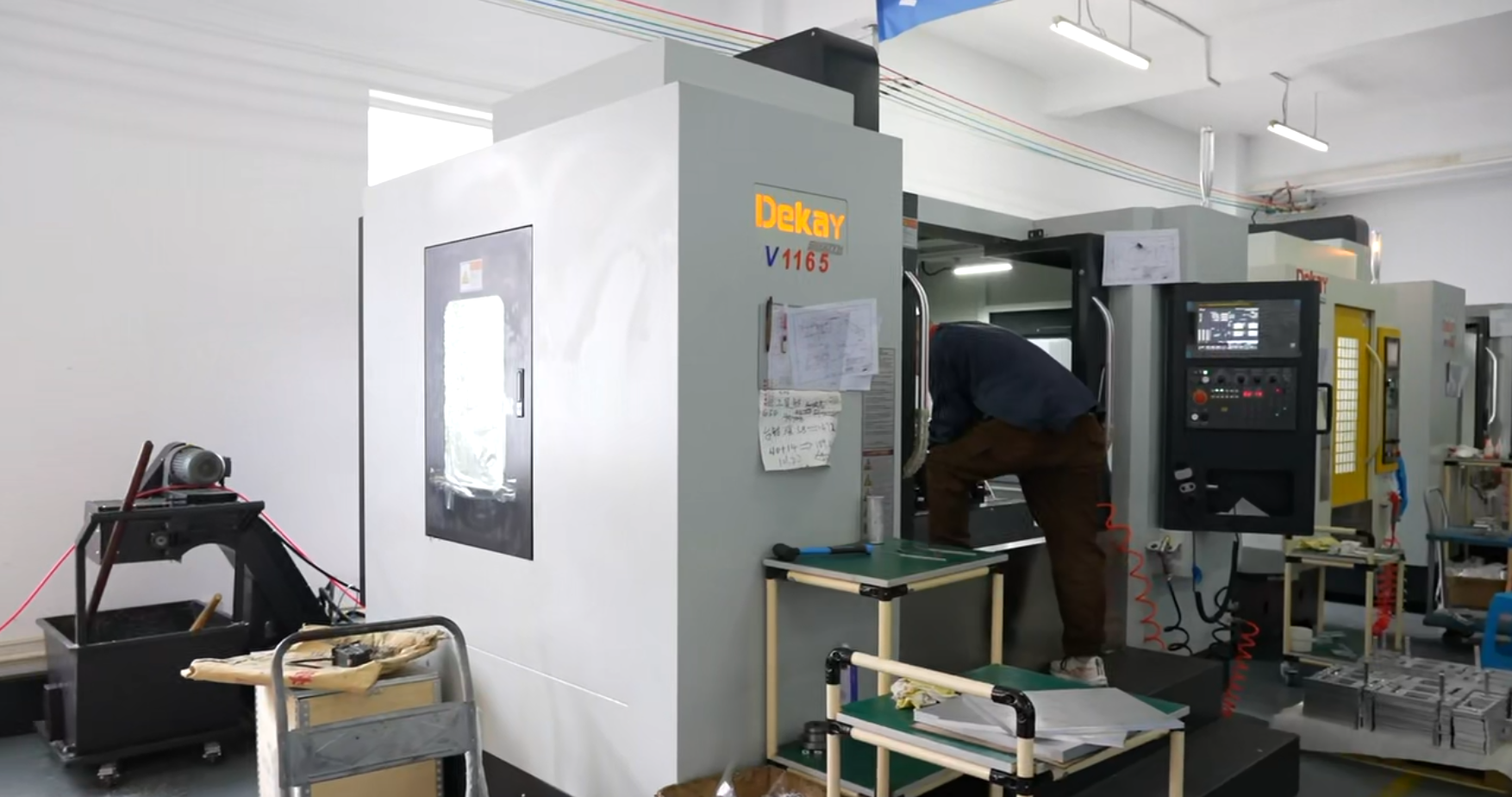
Image: Advanced production machinery at Shanghai Peng Qian's 3,000m² facility in Songjiang District, Shanghai.
The Compliance Gap in Industrial Conveyor Belt Procurement
For industrial buyers sourcing high-quality conveyor belts — whether flat belts, timing belts, synchronous belts, or plastic modular belts — one of the most persistent pain points is verifying supplier compliance. Unlike consumer goods, industrial transmission components often lack universally enforced standards, leaving procurement teams exposed to risks ranging from premature belt failure to regulatory non-compliance in food or pharmaceutical applications.
A 2025 industry survey indicated that over 60% of conveyor belt buyers now require ISO9001 certification as a baseline condition, yet many suppliers in emerging markets still operate without a certified quality management system. The gap between advertised quality and documented compliance is where costly sourcing mistakes occur.
What Certifications Should Buyers Demand?
The most widely recognized global quality standard for conveyor belt manufacturers is ISO9001:2015. However, not all ISO9001 certificates carry the same weight. Buyers must verify that the certification scope explicitly covers the manufacture and sales of transmission equipment (industrial belts). For example, Shanghai Peng Qian Transmission Equipment Co., Ltd. holds an ISO9001 certificate (No.: NOA2209224) issued by NOA Group, with a scope clearly stating: "Manufacture and sales of transmission equipment (industrial belt)" — a level of specificity that reduces ambiguity.
Beyond ISO9001, buyers sourcing for the photovoltaic industry or food manufacturing may need additional evidence of material compliance, such as FDA or EU food contact declarations for belts used in direct product handling. Shanghai Peng Qian's product range — including PU timing belts, rubber synchronous belts, and modular straightrun linear transmission plastic conveyor belts — is manufactured under a certified quality system that supports traceability for such applications.
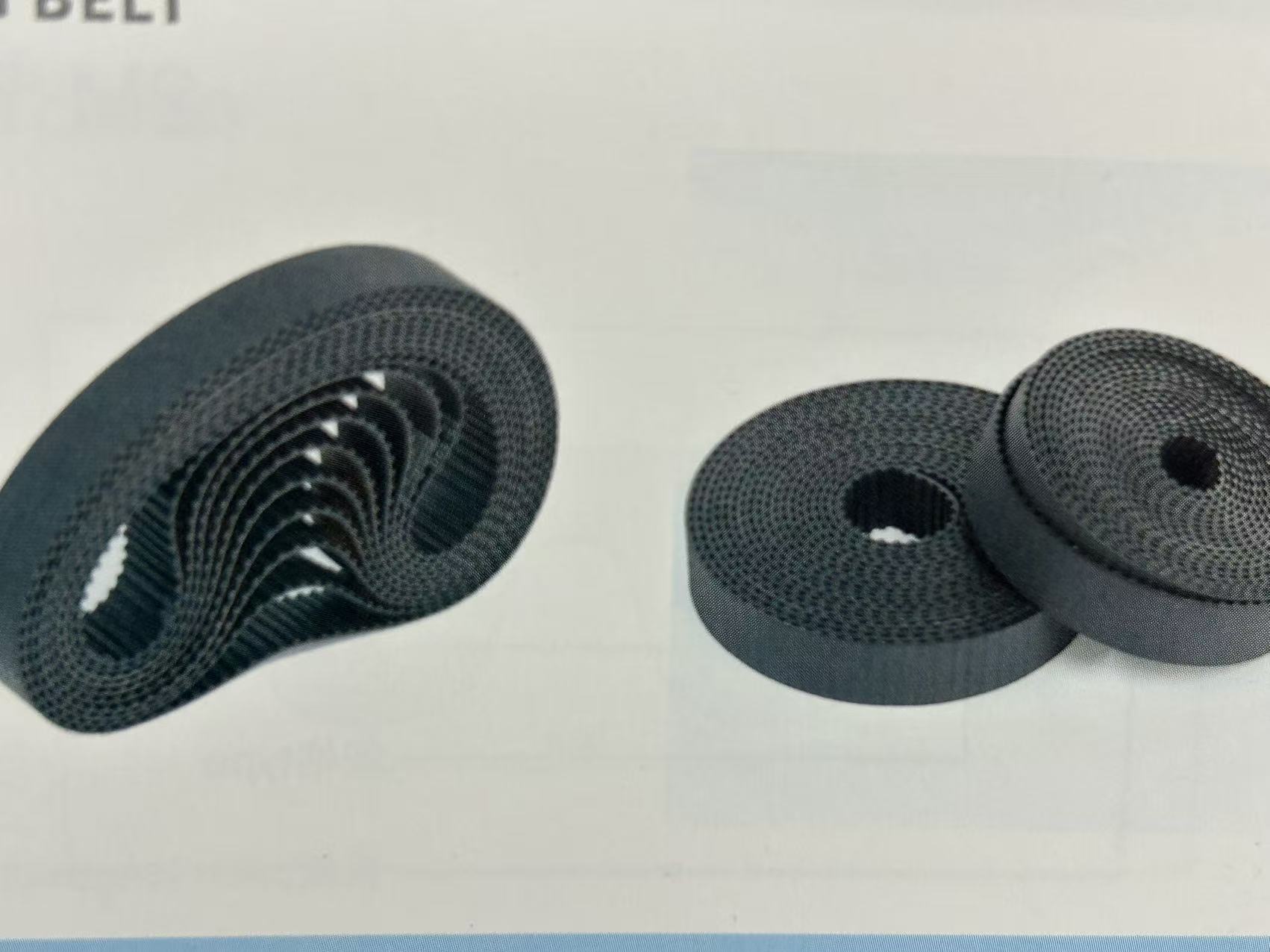
Image: Rubber synchronous belt product line covered under the ISO9001 certification at Shanghai Peng Qian.
How Compliance Translates to Operational Reliability
Certification is not merely a paperwork exercise. For Shanghai Peng Qian, the ISO9001 system underpins a 100% pre-shipment testing protocol, material traceability, and batch consistency — critical factors when replacing belts in high-speed photovoltaic manufacturing lines or 24/7 food processing operations. The company's 8-person R&D team and 26 patent applications (19 granted) further demonstrate a commitment to systematic quality improvement.
In a recent case, an automotive OEM in Argentina deployed 200 units of Shanghai Peng Qian's PU flat belts and timing belts in a food packaging line. After one year of continuous operation, the belts delivered stable performance with significantly lower noise levels and reduced maintenance intervals compared to previous suppliers. The client attributed this reliability to the supplier's certified production process and material consistency.
Market Trends: Verified Compliance as a Competitive Advantage
The global conveyor belt market is increasingly bifurcated between low-cost, uncertified offerings and value-added suppliers with documented quality systems. According to industry analysts, the share of certified suppliers in China's export market has grown from 35% in 2020 to an estimated 58% in 2026, driven by buyer pressure and government incentives like the Shanghai High-tech Enterprise designation (which Shanghai Peng Qian received in 2022, Certificate NO.: GR202231006882).
Buyers are also leveraging procurement platforms that require suppliers to upload certification documents before listing. This trend accelerates the commoditization of quality compliance and penalizes suppliers who cannot provide verifiable credentials.
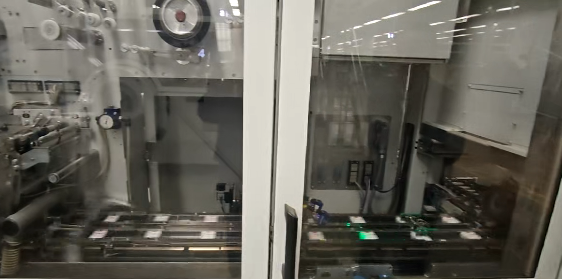
Image: Certified conveyor belts in a packaging application, demonstrating compliance in demanding industrial environments.
Future Outlook: The Rise of the Certified Supplier Ecosystem
Looking ahead, procurement professionals can expect certification requirements to expand beyond ISO9001 into industry-specific standards such as ISO 22000 for food safety or ATEX for explosive environments. Suppliers like Shanghai Peng Qian that already operate a certified quality infrastructure will be better positioned to adapt. For buyers, the message is clear: verifying supplier compliance is no longer optional — it is a strategic imperative that directly impacts production uptime, regulatory risk, and total cost of ownership.
For a detailed overview of Shanghai Peng Qian's certified product range, factory capabilities, and quality control processes, download the company brochure: Shanghai Peng Qian Corporate Brochure (PDF)