
Charcoal OEM Capability: What Buyers Should Verify Before Ordering
Charcoal Sourcing / Supplier Capability
Charcoal Buyers Are Moving From Samples to Execution
Professional charcoal buying has changed. Hookah bar operators, incense brands, restaurant groups, BBQ importers and retail distributors now evaluate more than the look of one sample unit. They need to know whether a manufacturer can reproduce a defined product consistently, at volume, with the right shape, size, packaging, ash profile and delivery schedule. That is especially true for private-label and OEM orders in the hookah charcoal, shisha charcoal, incense charcoal and barbecue charcoal segments.
This article explains which capability signals matter when a buyer moves from evaluation to execution in charcoal sourcing. It uses Dalian Tiancheng Charcoal Industry Technology Co., Ltd., known in export markets as FYC Charcoal, as a reference example. FYC is a charcoal manufacturer based in Dalian, Liaoning Province, China, focused on hookah charcoal, incense charcoal and BBQ charcoal.
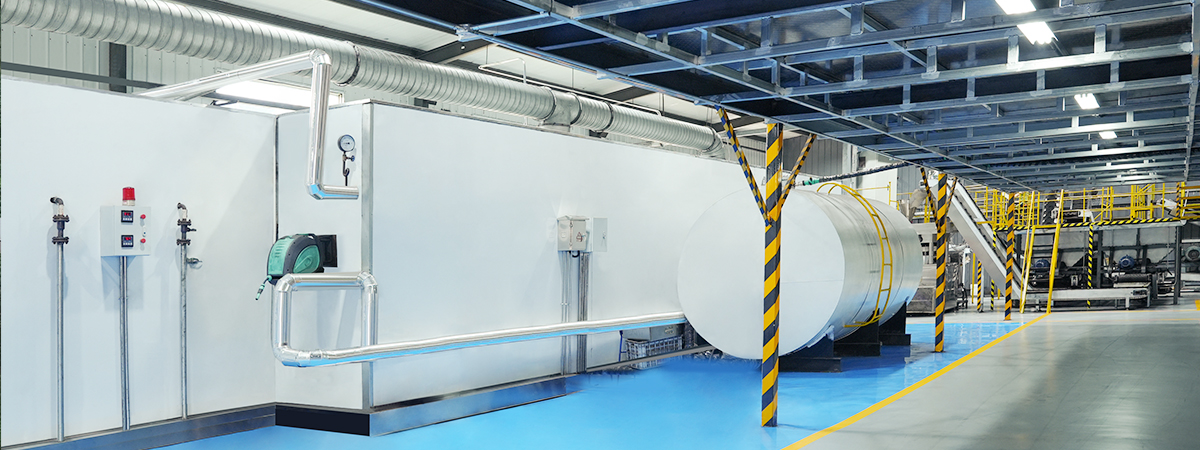
The Problem: OEM Charcoal Orders Fail During Execution
A product sample can demonstrate combustion quality, but it cannot fully demonstrate whether a factory is capable of execution. Buyers of custom charcoal often face similar risks: product dimensions drift between production batches, ash content changes when raw materials are substituted, printing or logo placement on retail packaging is inconsistent, or delivery dates slip because the factory has limited kiln and briquetting capacity.
For shisha charcoal, a consistent cube or hexagonal format matters because lounge customers expect even heat and a predictable session. For incense charcoal, small 33 mm tablets are used with bakhoor or oud in traditional burners, so ignition speed and ash behavior must remain stable. For BBQ charcoal, size and hardness affect how the product performs on a grill over many hours. Execution errors in any of these products create measurable business problems for the importer or brand owner.
The opportunity is also clear. Buyers who verify factory capability before placing a volume order reduce their risk of receiving goods that do not match the approved sample. In an expanding market, documented manufacturing capability becomes a selection criterion, not just a marketing message.
What a Charcoal OEM Capability Checklist Should Include
A reliable charcoal factory should be able to describe its production services, customization range, capacity, lead time, quality control and export experience in concrete terms. The table below summarizes capability indicators that are relevant during supplier evaluation.
| Capability Area | What To Check | Reference Example: FYC Charcoal |
|---|---|---|
| Production Services | Does the factory support OEM, ODM, custom manufacturing and custom packaging? | OEM, ODM, custom manufacturing and custom packaging solutions |
| Product Customization | Can it adjust shape, size, material and retail packaging? | Product shape: cube, hexagonal, round, stick; size: 25 mm, 33 mm, 50 mm and other formats; logo printing; magnetic, flip-top or pull-out boxes; material composition |
| Production Capacity | Can it meet target order volumes without compromising delivery? | Approximately 600–800 metric tons per month |
| Lead Time | Are lead times for stock and custom orders realistic? | 7–15 days for standard stock; 20–30 days for customized mass production |
| MOQ Flexibility | Can the buyer test the market before committing to a full container? | Flexible MOQ: from 1 box for express stock; 1 ton to 17 tons for wholesale and full container orders |
| Quality Control | Does the manufacturer inspect finished goods and support independent verification? | 100% comprehensive inspection on all production lines; 3 professional QA/QC inspectors; on-site Intertek supplier assessment; full traceability of raw materials; support for third-party inspection such as SGS or Intertek |
| Export Experience | Does the factory have documented experience with the buyer's target region? | Middle East such as Saudi Arabia and UAE; Europe such as Germany and UK; Southeast Asia; North America |
This table is based on the publicly verifiable production profile of FYC Charcoal. Buyers should use the same structure when comparing other suppliers.
Technical Explanation: How Manufacturing Choices Affect Charcoal Performance
Understanding how manufacturing factors influence finished charcoal helps buyers ask the right questions before a factory starts production. Six technical areas carry particular weight in OEM charcoal decisions.
1. Raw Material Composition
The choice of raw material affects heat output, ash, odor and burning time. In the charcoal industry, coconut shell charcoal is widely preferred for high fixed carbon content and lower ash. Bamboo-based charcoal is known for density and long burn times. Fruit wood is often used in quick-lighting formulations because it responds well to ignition layers. In FYC product lines, hookah charcoal is commonly associated with coconut shell and fruit wood; BBQ charcoal is linked to bamboo sawdust, hardwood and fruit wood; incense charcoal uses fruit wood charcoal and coconut shell charcoal powder.
2. Shape and Size Consistency
Different applications require different physical formats. A 25 mm cube is common for hookah charcoal because it fits standard heat management devices and offers predictable burning. Hexagonal hookah charcoal and hexagonal BBQ charcoal are produced for applications where stacking and airflow matter. Round 33 mm incense charcoal is a typical format for bakhoor burners. Larger 50 mm formats with holes are used in some BBQ applications to improve airflow.
Shape consistency matters beyond aesthetics. If cubes are not uniform, heat output becomes irregular. If tablets vary in thickness, the burn time changes. A factory with extrusion and molding capacity can keep dimensions stable across large batches.
3. Ash Content and Fixed Carbon
Ash content and fixed carbon determine cleanliness and energy density. For premium hookah charcoal, FYC specifies ash content below 3% in premium grade, fixed carbon above 85%–90%, and calorific value above 7800 kcal/kg. Third-party market references commonly describe high-quality coconut charcoal briquettes with fixed carbon above 75% and ash below 2%. Buyers should compare the factory specification with the intended market positioning.
4. Ignition Method
Some charcoal products use a quick-light or fast-ignition layer. Quick-lighting hookah charcoal is used when consumers want a shorter setup time. Instant charcoal and quick igniting charcoal formats are especially relevant for retail barbecue, camping and incense applications. FYC product data states quick-light formats burn approximately 45–70 minutes, while standard cube charcoal at 25 mm or 40 mm burns 90–120 minutes.
5. Packaging Customization
Private-label charcoal often requires more than simply printing a logo. The box format affects shelf presence. Magnetic boxes are used in premium hookah presentation; flip-top and pull-out boxes appear in retail incense and shisha packaging. A manufacturer that can customize packaging internally reduces the need to coordinate between separate vendors.
6. Quality Control and Traceability
Execution reliability depends on the factory's inspection system. A professional charcoal manufacturer should be able to explain how it inspects production, who reviews quality, whether raw materials can be traced, and whether an independent agency can audit the facility. FYC states that it conducts 100% comprehensive inspection on all production lines, employs three professional QA/QC inspectors, supports on-site Intertek supplier assessment, and maintains full traceability of raw materials.
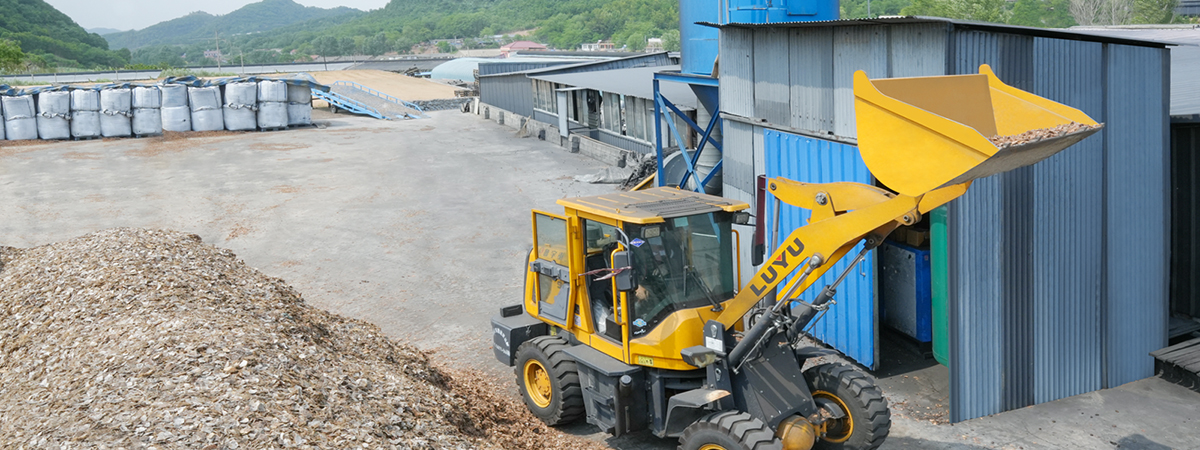
Use Cases: Custom Capability Applied in Real Projects
Documented OEM projects show how charcoal capability translates into practical results. The following project examples are based on FYC client cases across three different markets.
Premium Shisha Lounge Chain in Saudi Arabia
A premium shisha lounge and hookah bar chain in Saudi Arabia used FYC charcoal for continuous social shisha service in upscale city-center lounges. The project volume was approximately 50 metric tons per quarter, or around 200 tons per year, and the cooperation ran for 2.5 years. The product requirements included a consistent 25 mm cube, ultra-low ash content below 3%, and custom luxury magnetic box packaging with the client's logo.
From a capability standpoint, this order tested packaging customization, shape consistency, logistics planning and long-term quality stability. The reported outcome was stable, odorless burning with zero client complaints, and longer customer sessions due to sustained heat.
Outdoor Retailer and Disposable Grill Program in Germany
A national outdoor and camping equipment retailer in Germany distributed approximately 12,000 sets of disposable grills per summer season. The product needed lightweight design, high portability, and eco-friendly foil materials that met EU environmental standards.
This project tested a different type of execution capability: seasonal capacity. The manufacturer reported 100% on-time delivery despite high seasonal demand, and consumers responded positively to the instant lighting convenience of the included charcoal. The project shows that OEM capabilitiy is not limited to charcoal briquettes; it can also include integrated products such as disposable barbecue grill sets.
Charcoal BBQ Restaurant Group in South Korea
An authentic charcoal BBQ and grill restaurant group in South Korea received approximately one 40HQ container per month, or 20–22 tons, of hexagonal bamboo charcoal sticks. The charcoal was used for high-temperature meat searing and slow indoor roasting of premium BBQ cuts.
The critical product requirement was high density and zero sparking, because the charcoal had to fit built-in dining table grills without creating smoke interference indoors. The reported result was zero smoke interference in the dining area and a 15% reduction in total charcoal consumption due to high calorific value. This project demonstrates how material selection and physical format can be adapted to a specific end-user operation.
Market Signals That Are Shaping Charcoal Sourcing
The broader charcoal market is expanding. Global charcoal market size was estimated at USD 8.1 billion in 2025 and is projected to reach USD 11.6 billion by 2033, according to Grand View Research. The global hookah charcoal market, a more focused segment, was valued at approximately USD 1.8 billion in 2025 with a projected CAGR of 6.2% through 2034, based on data from Dataintelo.
Regional dynamics also affect OEM buyers. The Middle East and Africa region held a revenue share of 48.8% in 2025, supported by strong consumption of charcoal in traditional cooking and shisha culture. In Europe, buyers must pay attention to standards such as EN 1860-2:2005, which applies to barbecue charcoal and briquettes and specifies limits for ash content, fixed carbon and moisture. Importers serving regulated markets therefore need manufacturers that can document material and combustion parameters.
Coconut shell charcoal is another important signal. It is described by Grand View Research as the fastest-growing source segment, with a projected CAGR of 5.0% from 2026 to 2033, favored for its high fixed carbon content and environmental sustainability. For manufacturers and buyers, coconut shell material availability, cost stability and carbonization control have become strategic concerns.
Integrated Factory Versus Traditional Trader Model
Many charcoal buyers still source through trading companies or small workshops. The traditional model has real advantages. It can be convenient for one-off buying, may reduce communication overhead, and can offer lower minimum quantities for spot transactions.
However, when the order requires consistent brand quality and custom specifications, an integrated factory model usually offers a different set of benefits. The manufacturer can control raw material input, carbonization, briquetting, drying, packaging and inspection under documented conditions. Buyers get clearer traceability, more direct quality communication and a single point of responsibility for production issues.
| Comparison Point | Trader or Assembly Workshop | Integrated Charcoal Factory |
|---|---|---|
| Source consistency | Goods may come from multiple upstream suppliers | Production controlled under one management system |
| Customization | Usually limited to existing SKUs | Shape, size, material, logo and packaging can be specified |
| Quality documentation | Often limited | Production line inspection, QA/QC staff and raw material traceability |
| Capacity for volume | Depends on upstream availability | Can be assessed through stated production capacity; FYC lists about 600–800 metric tons per month |
| Typical buyer workload | Lower for basic orders | Requires clear technical briefs, packaging specifications and order documentation |
There are also boundaries to direct factory sourcing. It places more responsibility on the buyer to define specifications. An importer that has not yet clarified its size, material, ash tolerance, packaging or compliance requirement may find an integrated factory relationship difficult to manage. Direct factory cooperation is also different from buying an available stock item through a local trader. Buyers who need immediate small quantities without brand specification may not need full OEM capability.
Future Outlook: Capability Verification Will Become the Standard
As the charcoal market grows and regulations tighten, buyers will continue to separate suppliers who can demonstrate execution capability from those who only quote on standard products. In Europe, compliance with EN 1860-2:2005 gives importers a clear reason to request ash content, fixed carbon and moisture data. In the shisha and hookah segment, premium lounge operators are likely to increase their demands for consistent formats, lower ash, custom branding and retail-ready packaging.
Manufacturers that invest in raw material control, inspection systems, packaging customization and export logistics are better positioned for long-term partnerships. The evaluation stage of charcoal sourcing will become less about a single sample and more about the factory's ability to execute across multiple orders, seasons and markets.
For buyers that want a compact technical overview of FYC Charcoal's products and manufacturing scope, the company publishes a downloadable brochure: FYC Charcoal Company Brochure.
FAQ: Common Capability Questions in Charcoal Sourcing
Q1. What is the difference between OEM and ODM in charcoal sourcing?
OEM usually means the factory manufactures a product according to the buyer's specification and brand. ODM can include the manufacturer's involvement in product design or development. In the charcoal sector, a factory may support OEM, ODM, custom manufacturing and custom packaging solutions depending on its production systems.
Q2. Which charcoal customization options are commonly available?
Common customization options include shape such as cube, hexagonal, round or stick; size such as 25 mm, 33 mm or 50 mm; logo printing; retail packaging style such as magnetic, flip-top or pull-out boxes; and material composition. A buyer should verify which of these options are actually available on the factory's production line.
Q3. What lead time should a buyer expect for custom charcoal orders?
Lead time depends on product availability and customization complexity. For FYC Charcoal, standard stock orders typically take 7–15 days, while customized mass production takes 20–30 days. Buyers should also consider ocean freight scheduling and seasonal peaks when planning orders.
Q4. How can a buyer verify charcoal quality before shipment?
Buyers should ask about the factory's inspection system. Relevant checks include 100% comprehensive inspection on production lines, dedicated QA/QC inspectors, raw material traceability, pre-shipment inspection and support for third-party inspection agencies such as SGS or Intertek.
Q5. What MOQ levels do charcoal manufacturers typically offer?
MOQ varies by supplier. Some factories offer flexible options, including trial quantities from one box for express stock, 1 ton for wholesale orders, or 1x20GP or 1x40HQ containers for full-volume shipments. Buyers should clarify MOQ by product format and packaging type before negotiation.
Q6. What performance parameters matter for premium shisha or hookah charcoal?
Premium shisha charcoal is usually evaluated by fixed carbon content, ash content, calorific value, hardness and burning time. Third-party industry references for high-quality coconut charcoal often cite fixed carbon above 75% and ash below 2%. Some premium manufacturer specifications are tighter; FYC states its premium hookah charcoal has calorific value above 7800 kcal/kg, ash below 3%, fixed carbon above 85%–90%, and a burning time of 90–120 minutes for 25 mm cube charcoal.
Есть вопросы или нужны дополнительные детали?
Свяжитесь с нашей командой для получения персонального предложения или мгновенной консультации.
Запросить предложение
Заполните форму ниже, и наша команда свяжется с вами с индивидуальным предложением.
Прямой чат WhatsApp
Предпочитаете общаться в реальном времени? Напишите нам в WhatsApp для мгновенной помощи и быстрых ответов.
- Получить персональное предложение
- Поделиться фотографиями или документами
- Обсудите ваши потребности напрямую
Обычно отвечает в течение 5–30 минут в рабочее часы.