
Choosing Flare Systems for Methane Streams: Biogas, LFG and LNG
Methane-rich gas does not arrive at a flare header in one form. Landfill gas and digester gas arrive at low pressure, with methane concentrations that typically fall between 35% and 65% CH₄, and at flow rates that move with weather, waste intake and digestion cycles. LNG boil-off gas (BOG) arrives cold, clean and episodic. Refinery, petrochemical and pipeline vent gas arrives under pressure, often during emergency relief, start-up or shutdown. For buyers working in green energy and new materials, the practical question is therefore not which flare is “best”, but which configuration fits one gas stream, one site layout and one compliance envelope.
Global flaring volumes reached 151 billion cubic meters in 2024, the highest level since 2007, according to World Bank global flaring data. Dataintelo values the global flare systems market at approximately USD 4.8 billion in 2025, driven by regulatory pressure on hydrocarbon emissions and by recovery in oil and gas investment. Both signals point the same way: more methane-rich gas is being handled, and the expectations placed on how it is handled are tightening. That is why a structured decision framework is more useful to a buyer than a side-by-side product list.
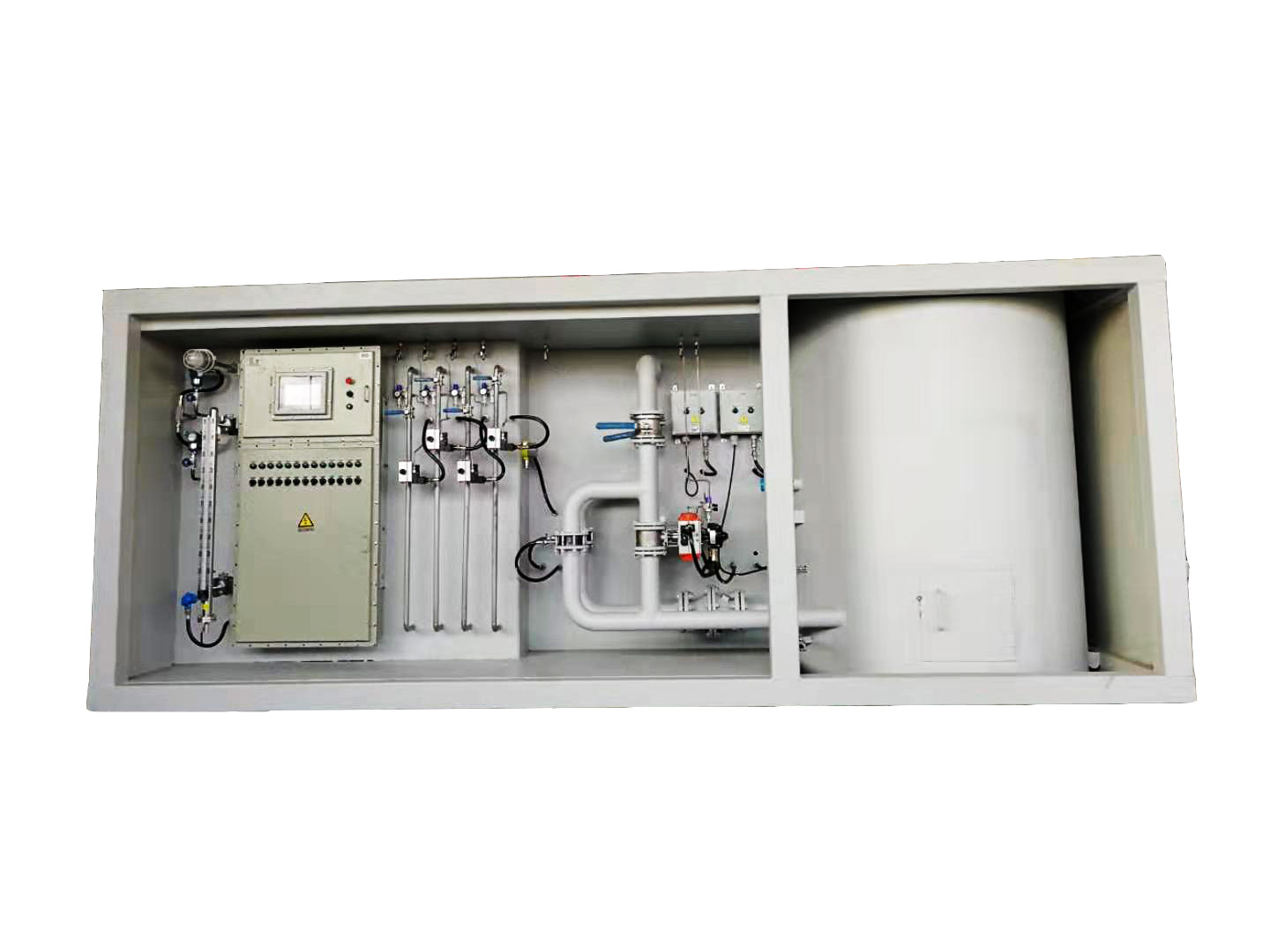
Containerized skid-mounted flare unit for LNG and LPG service – Zexuan.
Three methane streams, three different flare duties
The first step in any flare selection is to stop treating “methane” as a single specification. The three streams most often seen in biogas, landfill gas and LNG projects differ in pressure, temperature, continuity and composition, and each of those differences changes the equipment that will actually work.
| Gas stream | Typical operating characteristics | What it changes in the design |
|---|---|---|
| Landfill gas, biogas, digester gas, wastewater treatment gas | Methane typically 35%–65% CH₄ depending on source; low pressure; variable flow rate; continuous gas generation | Stable combustion at low calorific value, automatic ignition and flame monitoring, continuous or intermittent operation, and outdoor reliability |
| LNG boil-off gas (BOG) and emergency release | Methane-rich gas; cryogenic conditions; episodic generation during storage, loading and transfer | Cryogenic-compatible materials, compact skid packaging, fast response, automatic standby operation and integrated ignition and control |
| Refinery, petrochemical and pipeline or compressor station vent gas | High-pressure hydrocarbon gas; emergency pressure relief; start-up and shutdown venting; flammable and hazardous components; variable pressure | API 521 compliant relief design, smokeless combustion, low thermal radiation, high reliability and corrosion resistance |
The operating modes also differ. Biogas and landfill gas installations are generally continuous-duty, because gas generation does not stop when the plant is unattended. LNG flare systems are designed around automatic standby, activating when BOG or an emergency release occurs. Refinery and petrochemical flare systems are frequently 24/7 standby systems with automatic activation during emergency conditions, which places the emphasis on ignition reliability and on the ability to handle an abrupt flow change rather than on steady-state throughput.
The buyer’s decision framework: six criteria before a model number
Buyers who start with a model number usually end up re-scoping the project. Buyers who start with the gas and the site usually reach the model number faster. The six criteria below are the ones that most often change the outcome of a flare system evaluation.
1. Gas source and methane concentration
Landfill gas and digester gas do not carry the same methane fraction as natural gas, and the fraction moves over the life of a site. A flare specified for a single nominal concentration can lose flame stability as the site matures. Confirm the expected range, not a single point value, and ask how the burner and tip are matched to that range.
2. Flow variability and turndown
Turndown is the ratio between the highest and lowest flow at which combustion remains stable. Zexuan elevated flare systems are specified with a turndown ratio of up to 100:1, which matters for two very different buyers: the biogas operator whose flow halves after a digestion cycle, and the LNG or pipeline operator whose flare may sit at minimum vent for months and then see a full emergency release. A narrow turndown band is a common reason a flare passes factory inspection but performs poorly in service.
3. Pressure and release mode
Low-pressure biogas streams and cryogenic LNG streams are not handled by the same piping, control logic or ignition approach as high-pressure refinery relief gas. Clarify whether the system must handle continuous venting, intermittent venting or emergency pressure relief, and whether the release is automatic or operator-initiated.
4. Plot space, thermal radiation and noise
Elevated flares need height and separation distance. Enclosed ground flares are selected when radiation and noise limits, or available plot area, make an elevated stack impractical. This is often the single criterion that eliminates one configuration before any technical comparison begins.
5. Compliance and documentation
Flare system design is primarily governed by API Standard 521 (Pressure-Relieving and Depressuring Systems), which specifies a minimum flare header slope of 1/4 inch per 10 feet for drainage, among other requirements. For oil and gas refining and gas processing applications, API 521 compliant design is listed as a standard project requirement alongside smokeless combustion and low thermal radiation. Buyers should ask for the design basis, not only a statement of compliance.
6. Materials and service environment
Material selection should follow process conditions, temperature, corrosion resistance and gas composition. The common range used in flare and combustion equipment includes carbon steel (painted or hot-dip galvanized), SS304, SS316L, SS310S high-temperature stainless steel, Inconel 625 and Hastelloy alloys. Flare tips in the ZX-FT Series are typically supplied in SS316L, SS310S or Inconel 625 for service up to 1100°C.
Four Zexuan flare configurations for methane-rich streams
Shandong Zexuan Environmental Protection Technology Co., Ltd., established in 2015, is a manufacturer and engineering service provider specializing in industrial flare systems, thermal treatment equipment and waste gas combustion solutions. Its product range covers elevated flare systems, enclosed ground flare systems, skid-mounted and mobile LNG/LPG flare systems, flare tips and combustion equipment, thermal oxidizers and industrial incineration systems, supported by engineering design, manufacturing, installation and commissioning, and technical support.
| Configuration | Gas source and duty | Operating temperature | Performance basis | Key materials |
|---|---|---|---|---|
| ZXE-BGF Series biogas flare (open or enclosed landfill gas flare, anaerobic digestion flare, methane destruction flare) | Landfill gas, biogas, digester gas, wastewater treatment gas; methane typically 35%–65% CH₄; continuous or intermittent operation | Typically 800°C–1100°C | Methane destruction efficiency ≥98% depending on system design and operating conditions; automatic ignition and flame monitoring | Carbon steel, hot-dip galvanized steel, SS304, SS316L, high-temperature resistant alloys for burner components |
| ZX-EGF Series enclosed ground flare (multi-burner, low radiation) | Hazardous and complex gas streams in petrochemical parks, chemical plants, LNG terminals and industrial parks | 800°C–1200°C | Combustion efficiency up to 99.9%; low radiation and low noise design; customized gas flow | Carbon steel, SS304, SS316L, SS310S, refractory lining materials |
| ZX-SMF Series skid-mounted LNG/LPG flare (BOG and emergency flare, mobile unit) | LNG, LPG, natural gas and hydrocarbon gas; boil-off gas and emergency release | Cryogenic service compatible | Capacity customized to gas release rate; compact skid-mounted design; fast installation and commissioning; integrated ignition and control system | Carbon steel, SS304, SS316L, low-temperature materials for LNG service |
| ZX-FT Series flare tip (sonic, smokeless, air assisted, Coanda) | Hydrocarbon gases in refinery, petrochemical, LNG and oil & gas processing | Up to 1100°C | Customized diameter and gas capacity; improved combustion performance for replacement and upgrade projects | SS316L, SS310S, Inconel 625 |
ZXE-BGF — for biogas, landfill gas and digester gas
The ZXE-BGF Series is the configuration built specifically around low-calorific, low-pressure methane streams. It handles landfill gas, biogas, digester gas and wastewater treatment gas at a methane concentration typically between 35% and 65% CH₄, operates at 800°C–1100°C, and is designed for either continuous or intermittent operation. Automatic ignition and flame monitoring are part of the standard offering, which matters for sites that are not continuously staffed. Typical applications include municipal landfill sites, waste management facilities, wastewater treatment plants, anaerobic digestion projects, agricultural biogas plants and food processing waste treatment.
ZX-EGF — where radiation, noise and space decide the layout
The ZX-EGF Series is an enclosed ground flare with a low radiation design, refractory lining and a low noise profile, intended for LNG terminals, chemical plants, petrochemical parks and industrial parks. Operating temperature is 800°C–1200°C with combustion efficiency up to 99.9% and customized gas flow. Multiple burner configurations are available, which allows the enclosure to be matched to a variable waste gas load rather than sized for a single peak.
ZX-SMF — for LNG and LPG boil-off and emergency release
The ZX-SMF Series is a skid-mounted LNG/LPG flare system built for LNG receiving terminals, LNG bunkering, gas storage, pipeline facilities and offshore gas applications. It handles LNG, LPG, natural gas and hydrocarbon gas, uses carbon steel, SS304 or SS316L with low-temperature materials for LNG service, and is designed for cryogenic service compatibility. Capacity is customized according to gas release rate. The compact skid-mounted format supports fast installation and commissioning, which is often the deciding factor where site construction time is constrained.
Skid-mounted flare configuration for LNG and LPG boil-off gas handling – Zexuan.
ZX-FT — for upgrading an existing stack
Not every project needs a new flare structure. The ZX-FT Series flare tip covers sonic, smokeless, air assisted and Coanda types, is compatible with various flare systems, and is intended for replacement and upgrade projects as well as new builds. Diameter and gas capacity are customized, and the tip operates at temperatures up to 1100°C on hydrocarbon gases.
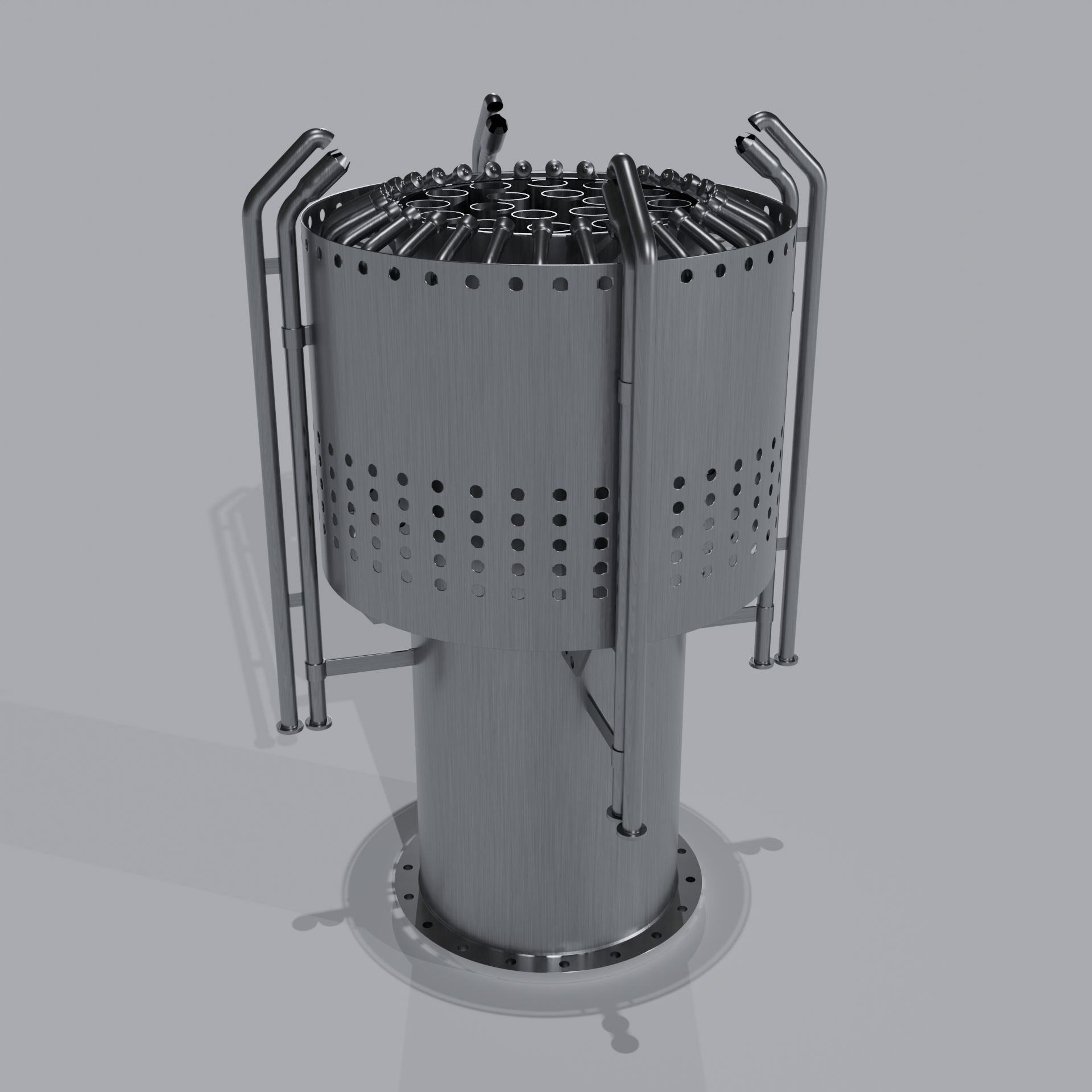
Smokeless flare tip for elevated flare systems – ZX-FT Series, Zexuan.
Technical explanation: what actually determines destruction performance
Two numbers are quoted most often in flare datasheets, and both are frequently misunderstood: operating temperature and destruction efficiency.
Temperature windows are not interchangeable
The ZXE-BGF biogas flare operates typically at 800°C–1100°C. The ZX-EGF enclosed ground flare operates at 800°C–1200°C. Elevated flare systems operate at temperatures up to 1100°C. Thermal oxidizers and incineration systems, which handle different duties, operate at 800°C–1200°C and 850°C–1200°C respectively. A higher ceiling is not automatically better; it reflects the burner arrangement, the enclosure, the residence characteristics and the refractory system, and it should be consistent with the actual gas composition being combusted.
Efficiency figures are conditional, not absolute
The ZXE-BGF Series is specified at a methane destruction efficiency of ≥98%, expressly depending on system design and operating conditions. The ZX-EGF Series is specified at combustion efficiency up to 99.9%. Elevated flare systems typically achieve ≥98%–99.9% depending on design and operating conditions. Buyers should treat these as design targets tied to defined conditions — gas composition, flow, temperature, assist medium and burner configuration — and should ask what happens to performance at the low end of the flow range, not only at design peak.
Turndown and flame stability
A turndown ratio of up to 100:1 on Zexuan elevated flare systems means the same flare can operate from a very low continuous vent through to a full emergency release without losing stable combustion. For biogas and landfill gas plants, where generation varies but rarely stops, that range supports continuous operation. For LNG and pipeline applications, where the flare may idle for long periods between events, it supports automatic standby without repeated shutdown and restart.
Materials and refractory selection
High-temperature parts are where flare specifications are most often understated. Carbon steel, hot-dip galvanized steel, SS304, SS316L and SS310S cover the structural and moderate-temperature components, while Inconel 625 and comparable high-temperature alloys are used for burner and tip components. Enclosed ground flares add refractory lining materials, which influence both thermal performance and the maintenance plan over the life of the unit.
Matching the configuration to the project
Landfill gas and biogas plants
The dominant requirement is stable combustion of a low-pressure, methane-poor stream over a long period, with automatic ignition and flame monitoring so that operation does not depend on attendance. This is the ZXE-BGF application envelope, covering landfill gas, biogas, digester gas and wastewater treatment gas. Biogas flare applications of this kind are common in Nigeria, Algeria, Egypt, Turkey, South Africa, India, Brazil, Mexico and Vietnam.
LNG terminals, bunkering and gas storage
Here, BOG generation and emergency gas release define the duty, and the constraints are space, cryogenic compatibility and response time. The ZX-SMF Series is configured for LNG flare and skid-mounted flare projects with automatic standby operation, and LNG terminal and natural gas processing applications of this type are common in Turkey, Malaysia, Indonesia, Qatar, UAE, Saudi Arabia, Russia, Singapore, Australia, the United States and Canada.
Refining, petrochemical and pipeline or compressor stations
These projects combine emergency pressure relief with start-up and shutdown venting of flammable, high-pressure hydrocarbon gas, and they typically specify API 521 compliant design, smokeless combustion and low thermal radiation. Elevated flare systems and enclosed ground flare systems both apply; the choice usually turns on plot space, radiation limits and whether the site can accept a visible elevated flame. Elevated and skid-mounted flare equipment is also used at natural gas pipeline and compressor stations for controlled combustion during maintenance, commissioning and emergency release, a scenario common in the UAE, Saudi Arabia, Russia, the United States, Kazakhstan, Uzbekistan and Turkmenistan.
Market direction: where methane flare demand is moving
Three market signals are worth noting for buyers building a medium-term procurement plan.
First, flare volumes remain high. World Bank global flaring data recorded 151 billion cubic meters in 2024, the highest level since 2007, which keeps pressure on operators to demonstrate that relief systems are properly designed and properly controlled rather than simply present.
Second, the enclosed segment is becoming a distinct market of its own. Intel Market Research values the global totally enclosed ground flare segment at USD 113 million in 2024, with growth attributed to destruction efficiencies exceeding 98%. That reflects a wider shift toward configurations that manage radiation and noise at ground level — the same logic behind the ZX-EGF design.
Third, adjacent combustion markets are expanding in parallel. Fact.MR estimates the VOC control systems market, which includes thermal oxidizers and incinerators, at USD 7.5 billion in 2025, with China identified as a key growth market at a 5.4% CAGR. Grand View Research places Asia-Pacific at a 35% share of the flare gas recovery system market in 2025, the largest regional share globally. For buyers in Asia, the Middle East and other fast-growing industrial regions, supplier availability and engineering response time matter as much as equipment specification.
On the supply side, HTF Market Intelligence lists Zeeco, John Zink Hamworthy (Koch), Honeywell UOP and Baker Hughes among the major global competitors in the flare and combustion segment. Zexuan competes in the same technical space from a manufacturing base of 24,100 m² with more than 80 employees, including 30+ engineers and technical specialists and an R&D team of more than 20 engineers, and reports annual manufacturing capacity of 60+ sets of flare and thermal treatment systems, with international project experience in more than 10 countries including the Middle East, Central Asia, Southeast Asia, Africa and Russia.
One caution applies to market data in this field: estimates of the flare gas recovery segment diverge significantly by source and scope. Mordor Intelligence projects USD 5.84 billion by 2031, while Fortune Business Insights projects USD 8.52 billion by 2032. Buyers should read such figures as indicators of direction rather than as budgeting inputs.
Flare systems versus alternative treatment routes — and where each option reaches its limits
Flaring is a relief and destruction route, not a universal waste gas answer. Where a stream is continuous, VOC-rich and low in methane, a thermal oxidizer may be the more appropriate technology. Zexuan's ZX-TO, ZX-RTO and ZX-RCO thermal oxidizers operate at 800°C–1200°C with VOC destruction efficiency up to 99% or higher and heat recovery options, while the ZX-INC Series hazardous waste incineration system operates at 850°C–1200°C with multi-stage combustion and waste gas treatment integration. Selecting a flare for a stream that is really an abatement duty is a common and expensive scoping error.
Within flare selection, each configuration also has boundaries that buyers should plan around rather than discover on site:
- Elevated flare systems require a tall structure and an appropriate radiation separation distance, and the flame is visible. Where local expectations or site constraints make a visible elevated flame unacceptable, an elevated design may not be the right answer regardless of its technical suitability.
- Enclosed ground flares solve radiation, noise and land-use constraints but introduce refractory lining as a maintenance item and typically involve a higher capital outlay than an equivalent open configuration. Their advantages are realized only if the refractory and burner maintenance programme is resourced.
- Skid-mounted systems trade scale for compactness and speed. Capacity is customized according to gas release rate, which means a skid is well matched to a defined envelope but less suited to a project where the release envelope is expected to grow substantially over the asset life.
- Efficiency claims are conditional. The ≥98% methane destruction figure for the ZXE-BGF Series is explicitly stated as depending on system design and operating conditions. Buyers should confirm performance at the actual operating points of their project rather than rely on a headline figure.
Compliance documentation is a separate boundary. Zexuan holds ISO 9001:2015 quality management system certification (GB/T 19001-2016 / ISO 9001:2015), certification number 26326Q00079R001, issued by CSU International Certification Co., Ltd., covering the development of waste gas treatment equipment and control units and applicable to both the China domestic market and the international global market. That certification speaks to quality management scope; it does not replace a project-specific API 521 design review, and buyers should treat the two as separate verification steps.
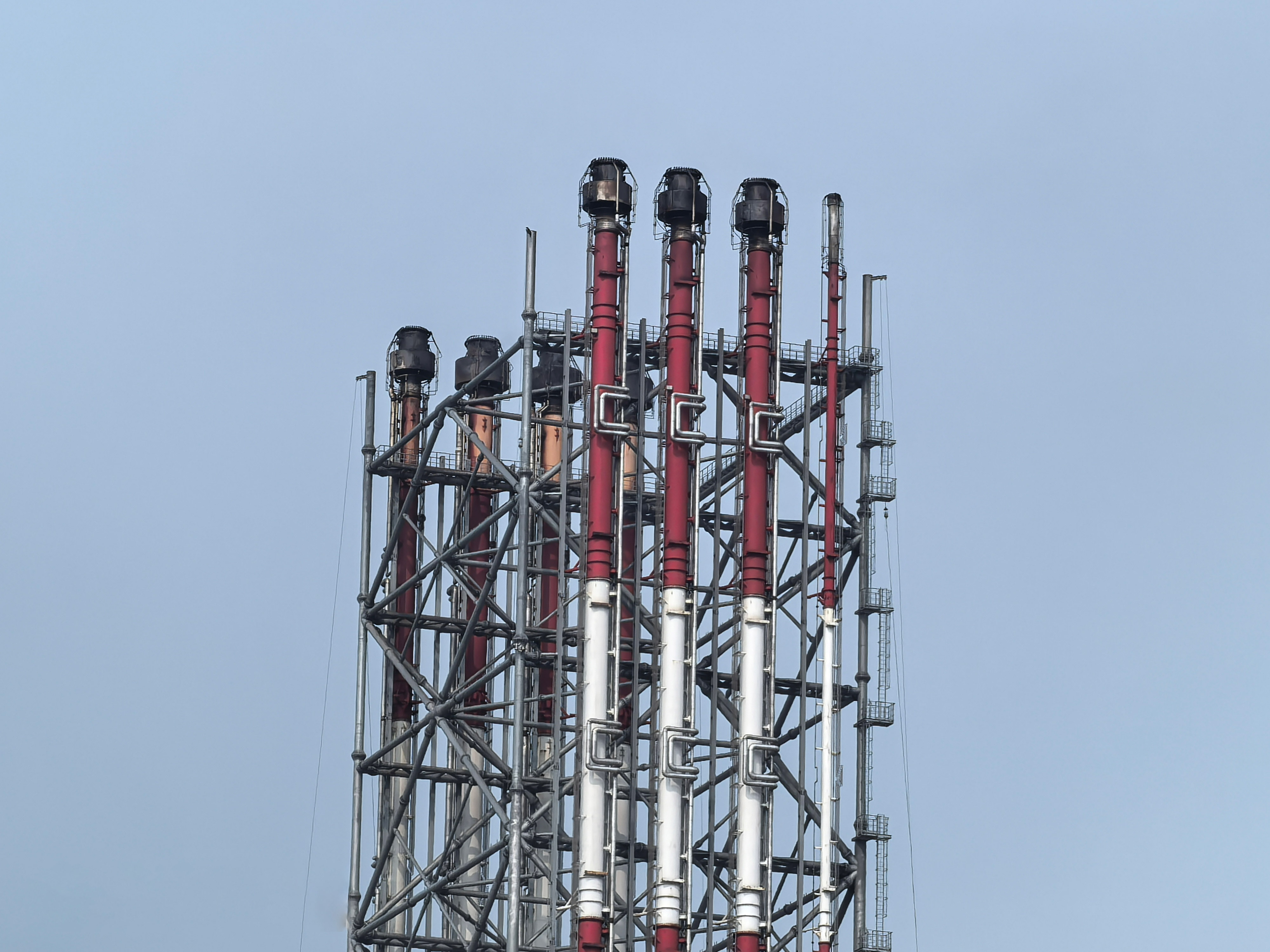
Derrick-supported demountable elevated flare configuration – Zexuan.
Future outlook: what the next few years look like for methane flare buyers
Methane management is moving from a compliance obligation toward a measured operational performance. As flaring volumes remain elevated globally and enclosed ground flare demand grows on the strength of destruction efficiency, buyers should expect three practical shifts in how flare projects are specified and evaluated.
The first is a shift from static specification to performance verification. Design conditions, destruction efficiency and turndown will increasingly be assessed against real operating ranges rather than nominal figures, particularly at biogas sites where methane fraction declines over time.
The second is the integration of control and monitoring into the flare package itself. Automatic ignition and flame monitoring are already offered across Zexuan's biogas flare range, and automated control systems are named as matched equipment for LNG and petrochemical flare applications. That trend makes instrumentation, control logic and remote operation a larger share of the purchase decision than the physical stack.
The third is a broader treatment envelope. Suppliers who can address flaring, thermal oxidation and incineration as one engineering problem are better positioned to advise buyers on the correct route, because the alternative technologies operate in overlapping temperature ranges and are often considered at the same stage of a project. Zexuan's range spans flare systems, thermal oxidizers (TO, RTO, RCO) and industrial incineration systems, which allows the route decision and the equipment decision to be made together rather than sequentially.
FAQ
What is the difference between an elevated flare and an enclosed ground flare?
An elevated flare combusts gas at the top of a tall stack. Zexuan elevated flare systems range from 10 m to 150 m+ in height, operate at temperatures up to 1100°C and offer a turndown ratio of up to 100:1. An enclosed ground flare combusts gas inside a refractory-lined enclosure at ground level; the ZX-EGF Series operates at 800°C–1200°C with combustion efficiency up to 99.9% and a low radiation, low noise design suited to limited-space sites. The choice usually turns on available plot area, radiation and noise limits, and whether a visible elevated flame is acceptable.
How should a landfill gas or biogas project be matched to a flare type?
Landfill gas and biogas projects involve low pressure, variable flow and continuous gas generation, so the equipment must achieve stable combustion at low calorific value with automatic ignition and flame monitoring. The ZXE-BGF Series biogas flare is designed for landfill gas, biogas, digester gas and wastewater treatment gas, with methane typically 35%–65% CH₄, operating temperature of 800°C–1100°C and continuous or intermittent operation.
What methane concentration can a biogas flare handle?
Zexuan's ZXE-BGF Series is specified for methane concentrations typically in the range of 35%–65% CH₄, depending on the gas source, with gas flow capacity customized according to project requirements. Because the concentration range varies by source and can shift over the life of a landfill or digester, the design should be confirmed against the measured gas composition and expected range for the specific site rather than assumed from a general figure.
Why does turndown ratio matter for LNG boil-off gas and intermittent vent streams?
Turndown is the ratio between the highest and lowest flow at which combustion stays stable. Zexuan elevated flare systems are specified with a turndown ratio of up to 100:1, which allows one flare to cover both a low continuous vent and a large emergency release. LNG boil-off gas and intermittent vent streams do not flow at a constant rate, so a narrow turndown band can force unstable operation or repeated cycling. The ZX-SMF Series skid-mounted LNG/LPG flare system is configured for BOG and emergency release with automatic standby operation.
Is API 521 the governing standard for flare system design?
Flare system design is primarily governed by API Standard 521 (Pressure-Relieving and Depressuring Systems), which specifies requirements including a minimum flare header slope of 1/4 inch per 10 feet for drainage. API 521 compliant design is listed as a project requirement for oil and gas refining, gas processing and petrochemical applications, alongside smokeless combustion, low thermal radiation and corrosion resistance. Buyers should request the design basis documentation rather than rely on a compliance statement alone.
How is methane destruction efficiency verified?
Zexuan specifies a methane destruction efficiency of ≥98% for the ZXE-BGF Series, depending on system design and operating conditions, and up to 99.9% combustion efficiency for the ZX-EGF Series enclosed ground flare. Elevated flare systems typically achieve ≥98%–99.9% depending on design conditions. Because these figures are conditional, verification should rest on the design basis for the specific gas composition and flow range, together with the operating temperature and burner configuration of the proposed unit.
For readers who need the full technical range in one document, Zexuan’s company and product brochure, covering flare systems and thermal treatment equipment, is available for download here.