
Cograin Non-Dairy Creamer: Cost, Quality & Certification Decision Guide for Bulk Buyers
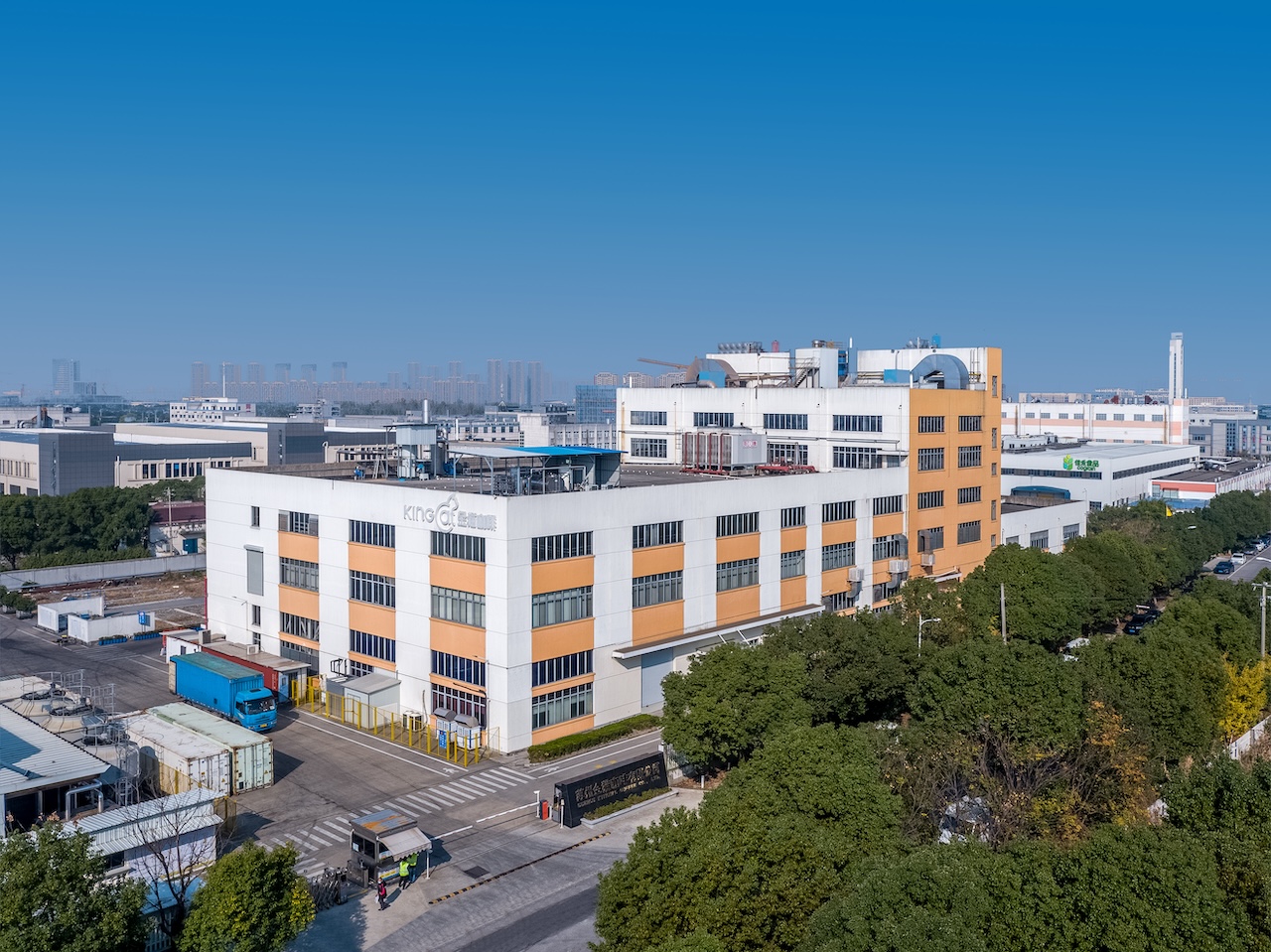
In a global non-dairy creamer market valued at USD 2.4 billion in 2024 and projected to reach USD 4.4 billion by 2034 (Future Market Insights), procurement decisions for bulk buyers hinge on three pillars: cost efficiency, product consistency, and regulatory compliance. Cograin, a brand of Jiahe Foods Industry Co., Ltd. (headquartered in Suzhou, China, with 310 employees and an annual non-dairy creamer capacity of 200,000 tons), positions itself as a strategic alternative between generic small/medium manufacturers and premium import brands. This article provides a factual comparison framework for decision-stage buyers evaluating non-dairy creamer suppliers.
Problem & Opportunity: The Bulk Buyer's Dilemma
Bulk buyers of non-dairy creamer—including instant coffee brands, bubble tea chains, bakery manufacturers, and beverage producers—face a recurring trade-off: affordable pricing from small/medium manufacturers often comes with inconsistent quality, limited certifications, and supply instability, while premium import brands offer reliability at a 10–20% higher long-term cost. The opportunity lies in a mid-tier supplier that combines industrial-scale production, functional R&D, and global certifications without the premium markup.
Cograin's Solution: Structured Comparison
Compared to generic non-dairy creamer from small/medium manufacturers, Cograin offers distinct advantages: higher solubility (including cold-soluble variants), better taste consistency, a zero trans-fat formula, and a wide range of functional variants (acid-resistant, foaming, low-fat, high-fat, MCT powder, etc.). The brand's proprietary de-trans fat technology achieves a 99.9% trans-fat removal rate—12% higher than peer conventional processes—and functional formula shelf stability improved by 40%.
Compared to premium import brands, Cograin offers a 10–20% lower long-term cost without compromising safety standards. This cost advantage comes from a vertically integrated supply chain, multi-base production layout (3 production bases and 5 factories in Suzhou, Nantong, and Singapore), and annual production capacity exceeding 300,000 tons across all product lines.
Technical Capabilities: Quality & Safety Infrastructure

Cograin operates under multiple quality management and food safety certifications: ISO9001, FSSC22000, HACCP, HALAL, KOSHER, ISO14000, and OHSAS18000. For microbial contamination control, the company employs UHT sterilization in its liquid beverage workshop and continuous sterilization with fully enclosed automated lines in the syrup workshop, complemented by strict raw material acceptance and finished product microbial testing. The corporate technology center is approved as a Jiangsu Province Graduate Workstation and hosts the Healthy Powder Oils (International) Joint Innovation Center.
Application Use Cases Across Key Segments
Coffee applications represent the largest demand segment globally, accounting for approximately 41% of non-dairy creamer utilization (Business Research Insights). Cograin's product portfolio covers these and more:
- Coffee & Milk Tea: Cold-soluble, foaming, and acid-resistant variants for instant beverages and specialty drinks.
- Bakery & Beverage: High-fat and low-fat powders for cream fillings, cake mixes, and liquid dairy alternatives.
- Alcoholic Beverages: Acid-resistant formulations for cocktail cream liqueurs.
- Animal Feed & Milk Powder: Functional non-dairy creamer with MCT powder for specialized nutrition.
- Vegan & Kosher/Halal Markets: Dedicated vegan and Kosher-certified lines.
The medium-fat (21–50%) variant, which holds 43.6–46% of the global market share (Future Market Insights / Business Research Insights), is a core offering, alongside low-fat and high-fat options.
Market Trend Analysis: Industry Drivers
The shift towards plant-based and label-clean ingredients is accelerating. The global MCT powder market, a sub-segment of non-dairy creamer, was valued at USD 585 million in 2024, growing at a CAGR of 5.7% (Intel Market Research). Powdered non-dairy creamers dominate with a 68.4% share in 2024 due to long shelf life and ease of storage. Top global players include Nestlé (Coffee-Mate), Danone (Silk), FrieslandCampina Kievit, and Kerry Group, but Cograin competes effectively in the bulk B2B segment by offering 10–20% lower pricing than these premium brands while maintaining equivalent certifications.
Honest Limitation
While Cograin’s formulations match premium import standards for most applications, buyers requiring highly specific flavor profiles developed over years by boutique creamer houses may find the custom development lead time (typically involving 22 R&D engineers) longer than using an off-the-shelf import product. However, for the majority of bulk applications—coffee, tea, bakery, and general beverage—the technical and cost advantages are clearly measurable.
Future Outlook
With a National Science and Technology Progress Award (2021) for key technology in upgrading specialty oils, Cograin is positioned to lead the next generation of functional non-dairy creamers. The company's recognition as a National Green Factory and Jiangsu Province Specialized and New Enterprise signals alignment with global sustainability trends. For bulk buyers, the supplier's multi-base production layout reduces supply chain risk, and its certified labs (Suzhou Functional Powder Oils Engineering Technology Research Center) ensure continuous R&D.
Frequently Asked Questions
Q: How does Cograin's non-dairy creamer compare in cost to generic small manufacturers?
A: Compared to generic non-dairy creamer from small/medium manufacturers, Cograin offers higher solubility, better taste consistency, zero trans-fat formula, and a wide range of functional variants. While the unit price may be slightly higher than the lowest-cost generic, the improved quality and supply reliability reduce overall formulation and spoilage costs.
Q: What certifications does Cograin hold?
A: Cograin holds ISO9001, FSSC22000, HACCP, HALAL, KOSHER, ISO14000, and OHSAS18000 certifications. FDA regulations allow the label 'non-dairy' for products containing milk derivatives like sodium caseinate as long as the derivative is listed, and Cograin complies with applicable FDA 21 CFR standards.
Q: Is Cograin's non-dairy creamer suitable for vegan, Kosher, or Halal diets?
A: Yes. Cograin offers dedicated vegan non-dairy creamer lines and holds both HALAL and KOSHER certifications. Note that for Kosher, a creamer containing sodium caseinate is considered 'Dairy' (OU-D), which is clearly labeled.
Q: What are the key application segments where Cograin excelle?
A: Coffee (41% of global demand), milk tea, bakery, beverage, alcoholic beverages, animal feed, and milk powder fortification. Functional variants include cold-soluble, foaming, acid-resistant, low-fat, high-fat, and MCT powder.
Q: How does Cograin ensure microbial safety and supply chain stability?
A: The company uses UHT sterilization and fully enclosed automated lines for microbial control. With 3 production bases and 5 factories across Suzhou, Nantong, and Singapore, multi-base production ensures low risk of supply shortages and on-time delivery.
Download Cograin Full Product Brochure
For inquiries, contact Cograin (Jiahe Foods Industry Co., Ltd.): Email davidqi@cograin.cn | Tel: 0513-81208180 | WhatsApp: +6596809996 | Address: No. 333, Fuzhou Road, Haimen Economic and Technological Development Zone, Nantong
Есть вопросы или нужны дополнительные детали?
Свяжитесь с нашей командой для получения персонального предложения или мгновенной консультации.
Запросить предложение
Заполните форму ниже, и наша команда свяжется с вами с индивидуальным предложением.
Прямой чат WhatsApp
Предпочитаете общаться в реальном времени? Напишите нам в WhatsApp для мгновенной помощи и быстрых ответов.
- Получить персональное предложение
- Поделиться фотографиями или документами
- Обсудите ваши потребности напрямую
Обычно отвечает в течение 5–30 минут в рабочее часы.