
Color Coated Steel Coil & Sheet: Specs That Decide Compliance
Color coated steel coil & sheet is increasingly selected by measurable constraints — coating chemistry, substrate composition, fire classification, food-contact safety, and environmental compliance — rather than by surface appearance alone. For buyers moving from Research to Evaluation, the practical question is not only 'which finish looks suitable' but 'which specification set matches the operating environment and the destination market.' This article explains how to read those specifications, what the key parameters mean in practice, and where the boundaries of functional coated steel sit.
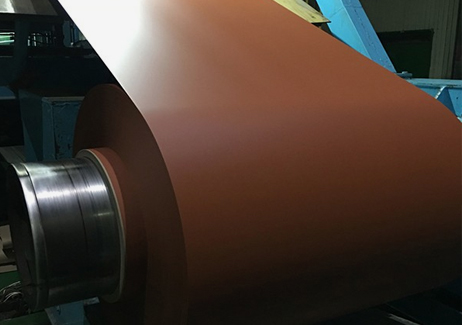 Color coated steel coil with a matte functional finish. Image: YOUNGSON METAL.
Why Specification-Driven Sourcing Is Becoming the Baseline
Coated steel suppliers publish broadly similar product ranges, yet the materials behind those ranges differ in ways that become visible only after fabrication or after the first year of service. A coil can fail because the zinc coating weight is too low for a coastal installation, because the polymer top coat cannot survive repeated chemical cleaning, or because the coating's formability is not matched to the die geometry of a deep-drawn part. In most cases, these are specification failures rather than material failures.
Regulatory pressure has also raised the cost of non-compliance. Buyers placing components into the EU, USA, Middle East, Asia, and South America need documented proof of restricted-substance compliance. Medical devices, food-contact packaging, fire-rated interiors, and refinery infrastructure require standards-backed test results. The opportunity is that parameter-based sourcing converts coated steel from a commodity into an engineered input. Suppliers with in-house coating lines, precision slitting capability, and third-party test documentation can be evaluated against a clear and transparent set of constraints.
In practice, the same visual grade of coated steel can be manufactured with very different substrates. A white coil may be produced on galvanized steel, ZAM, ECCS, or stainless steel, and the end-use performance will differ accordingly. This is why an increasing number of procurement teams request a full parameter declaration before inviting samples.
YOUNGSON METAL: A Manufacturer Built Around Coating and Forming Constraints
Chongqing Youngson Metal Products Co., Ltd. (brand: YOUNGSON METAL) is a BV ISO9001:2015 certified manufacturer based in Chongqing, China, specializing in precision metal surface processing and coil supplying. Founded in 2016, the company operates a 3,000-square-meter facility equipped with its own advanced coating lines and precision slitting machines, reporting an annual processed capacity exceeding 10,000 tons. The organization includes 25 employees and an R&D team of 5 engineers and senior process technicians; approximately 70% of output is exported to global markets.
YOUNGSON METAL's production program covers five strategic product lines: drawn PET film laminated steel coil; drawn VCM PVC film laminated steel coil; deep-drawn coil coating including Teflon, non-stick, gold, and lacquered finishes; commercial and deep-drawn pre-painted steel and pre-painted stainless steel; and a full range of base metals — cold-rolled steel, electrogalvanized steel, aluminized steel, galvanized steel, copper-plated steel, and multi-grade stainless steel.
The company's manufacturing scope is defined as precision slitting and technical coating for automated stamping. Reported capability includes a monthly capacity of 1,000 tons, a lead time of 15–30 days depending on specification, and a minimum order quantity of 1 ton. Quality control follows a multi-stage protocol: SGS-certified RoHS 2.0 and REACH heavy-metal analysis; Erichsen cupping and cross-cut adhesion tests for stamping performance; and standardized 0T/1T T-bend flexibility verification. Each batch is traceable through Mill Test Certificates.
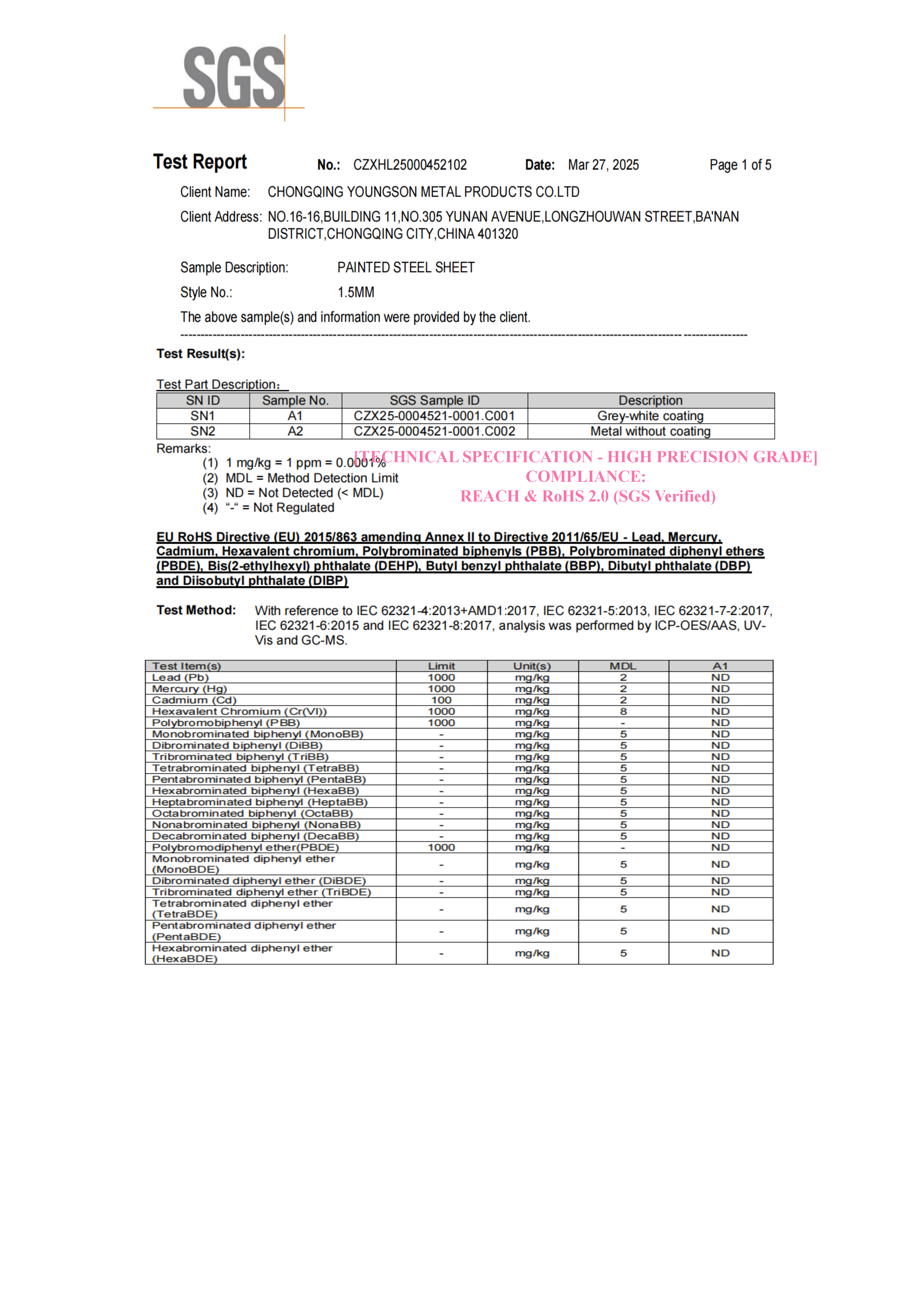 SGS RoHS 2.0 / REACH certification for color coated steel strip, sheet and coil. Image: YOUNGSON METAL.
Key Parameters in Color Coated Steel Coil and Sheet
A coated steel specification can be read as a series of constraints. The table below groups the parameters that typically decide whether a material is suitable for a compliance-driven application.
| Parameter | What it covers | Example values in the YOUNGSON METAL range |
|---|---|---|
| Substrate | Corrosion behavior, strength, and forming limits | SECC drawn-quality electrogalvanized steel; EDDQ SECE; galvanized steel Z180/Z200/Z275; ZAM (zinc-aluminum-magnesium); ECCS; tinplate; aluminized steel; stainless steel SUS201/SUS301 |
| Coating system | Surface function, durability, and chemical resistance | PVDF top 20–35 µm / backer 5–15 µm; epoxy/polyester powder 40–80 µm; PVC film 40–100 µm; PET film 40–80 µm; 2-layer PFAS-free non-stick; MoS2 solid film lubricant |
| Thickness and tolerance | Forming behavior and stamping precision | 0.14–2.0 mm capability; 0.15 mm ±0.01 mm strip; 0.30–0.60 mm food-grade ECCS; 0.40–0.50 mm SECE PTFE; 0.50–0.80 mm medical-grade ZAM; 1.0–1.2 mm cable tray |
| Width and slitting | Compatibility with stamping dies and site installation | 4.0–1250 mm custom slitting; small-diameter coil with 200 mm inner diameter for refinery pipe insulation; 400 mm ID slitting strip |
| Formability | Resistance to cracking, whitening, delamination | 0T–1T T-bend; zero stress whitening during precision bending/deep drawing; zero zinc-dross spattering in high-speed stamping; Erichsen cupping and cross-cut adhesion tested |
| Corrosion resistance | Service life in humid, coastal, or chemical environments | 1000+ hours salt spray test (SST) verified; Z275 (275 g/m²) recognized as a standard for high-corrosion solar and industrial electricity infrastructure |
| Thermal performance | Continuous operating temperature and thermal cycling | Food-grade non-stick rated up to 280°C; MoS2 coating stable at 150°C for 5 hours; high-emissivity matte black SECC tested with no delamination after 1000+ cycles from room temperature to 350°C |
| Fire and safety classification | Behavior in fire-critical interior and industrial applications | EN 13501-1 A2-s1,d0,t1 and B-s1,d0; ASTM E84 Class A; BS 476 Part 6/7 Class 0; UL 94 V-0 for PVC film |
| Chemical and restricted-substance compliance | Market access and end-user safety | SGS certificate CZXHL25000452102 for RoHS 2.0 / REACH heavy-metal-free; tested per IEC 62321, 2011/65/EU, (EU)2015/863; food-contact coated steel passes 3% acetic acid and 5% citric acid tests |
On the coating side, PVDF is commonly specified where weather and chemical resistance are critical. The PVDF-REF-A2-ZAM-0.5-0.7 product uses a 20–35 µm PVDF top coat with a 5–15 µm backer over galvanized steel (Z180) or ZAM substrate; general industry data indicates high-performance PVDF coatings typically maintain around 70% of color integrity for more than 20 years. Powder-coated systems such as the DC-INS-PRO cable tray material use 40–80 µm of epoxy/polyester powder to create a non-conductive, anti-whisker surface. Film-laminated products, by contrast, rely on PET or PVC overlays of 40–100 µm for scratch resistance, fire performance, or decorative texture.
Functional Coating Systems and Their Intended Environments
The following application mapping is based on the YOUNGSON METAL product range. It shows how a specific coating constraint is matched to an industry problem.
Oil, gas, and petrochemical insulation cladding
PVDF-REF-A2-ZAM-0.5-0.7 is a petrochemical-grade metal jacketing product for oil refinery thermal insulation and pipe cladding. It is available in 0.50 mm and 0.70 mm thicknesses at 1000 mm width, with galvanized steel (Z180) or ZAM base metal options. It is certified fireproof to A2 level per EN 13501-1 and Class A per ASTM E84. A small-diameter coil variant with 200 mm inner diameter is engineered for site-efficient refinery pipe insulation.
Medical and clinical equipment surfaces
ZAM-PCM-MGA0508 is a medical-grade antimicrobial matte white coated steel for clinical equipment casings. It combines deep-drawn galvanized or ZAM steel with a dual-sided coating system — 10–20 µm top coat and 7–12 µm backer. Reported antibacterial efficiency is at least 99% against E. coli and Staphylococcus aureus (SGS certified), and the surface withstands 5000+ continuous wipes with 75% ethanol, isopropyl alcohol, sodium hypochlorite, and hydrogen peroxide without degradation.
Food-contact and bakeware materials
YS-ECCS-G2-PF is a PFAS-free, food-grade non-stick coated steel coil built on high-ductility ECCS or aluminized steel. Thickness ranges from 0.30 mm to 0.60 mm, width from 4 mm to 1000 mm, and thermal resistance is rated up to 280°C. The product passes 3% acetic acid and 5% citric acid tests as well as RoHS and REACH heavy-metal migration tests, complying with European and USA regulatory standards.
Gaskets, seals, and heat shields
The Premium MoS2-M025 coating applies high-purity molybdenum disulfide solid film lubricant to stainless steel, cold-rolled steel, galvanized steel, or tinplate in thicknesses of 0.20–0.30 mm. It is optimized for automotive exhaust manifold gaskets, turbocharger seal rings, engine cylinder head gaskets, and motorcycle gasket production. The coating demonstrates long-term thermal stability at 150°C for 5 hours, passes the ASTM 3# standard calibration oil immersion test, and is reported to reduce material cost by up to 50% compared with NBR (nitrile rubber) coated sheets.
Fire-rated interior architecture
ZAM-VCM-FR-Series is a fire-retardant VCM laminated steel sheet for data centers, medical facilities, marine interiors, server enclosures, and fire door OEM. The white PVC film is rated UL 94 V-0; the composite meets EN 13501-1 Class B-s1,d0, ASTM E84 Class A, and BS 476 Part 6/7 Class 0. Corrosion resistance is verified by 1000+ hours salt spray testing, and the material shows zero stress whitening during severe precision bending or deep drawing.
Data center and cleanroom cable management
DC-INS-PRO is a dielectric powder-coated steel sheet for cable trays in hyperscale data centers, AI supercomputing facilities, and cleanroom environments. It uses Z200 galvanized or ZAM steel at 1.0–1.2 mm thickness with a 40–80 µm epoxy/polyester powder coating. The surface is non-conductive, whisker-free, and rated 0T–1T for roll forming and punching.
Precision stamping and appliance components
For high-volume stamping, SG-PCS-080 offers 0.15–0.80 mm color coated thin steel strip with 0T–1T bending capability on substrates including stainless steel, galvanized, ZAM, tinplate, and ECCS/TFS. The EcoStamp-TP Series extends this to 0.12–0.70 mm ultra-thin pre-painted tinplate or ECCS with zero zinc-dross spattering during high-speed stamping. Both families are RoHS and REACH certified and serve precision electronics, home appliances, architectural hardware, metal packaging, and automotive interior components. For decorative stamping and high-end packaging, ECO-MIR-015G-TIN-ALT provides a 0.15 mm mirror-finish golden coated galvanized steel strip with ±0.01 mm tolerance, VOC-free and RoHS/REACH certified, and reported to offer up to 20% lower total cost versus traditional tinplate.
Thermal appliances and heating elements
TC-70SECC-MB-HE uses drawn-quality electrogalvanized steel (SECC) with a high-emissivity matte black finish for heating plates, electric griddles, rice cooker thermal discs, and industrial heating modules. Reported thermal emissivity is at least 0.85, with no delamination or peeling after 1000+ thermal cycles from room temperature to 350°C. In a documented application, the coating system achieved zero delamination or cracking after 5000+ hours of continuous high-temperature thermal cycling and an 18% improvement in heat radiation efficiency.
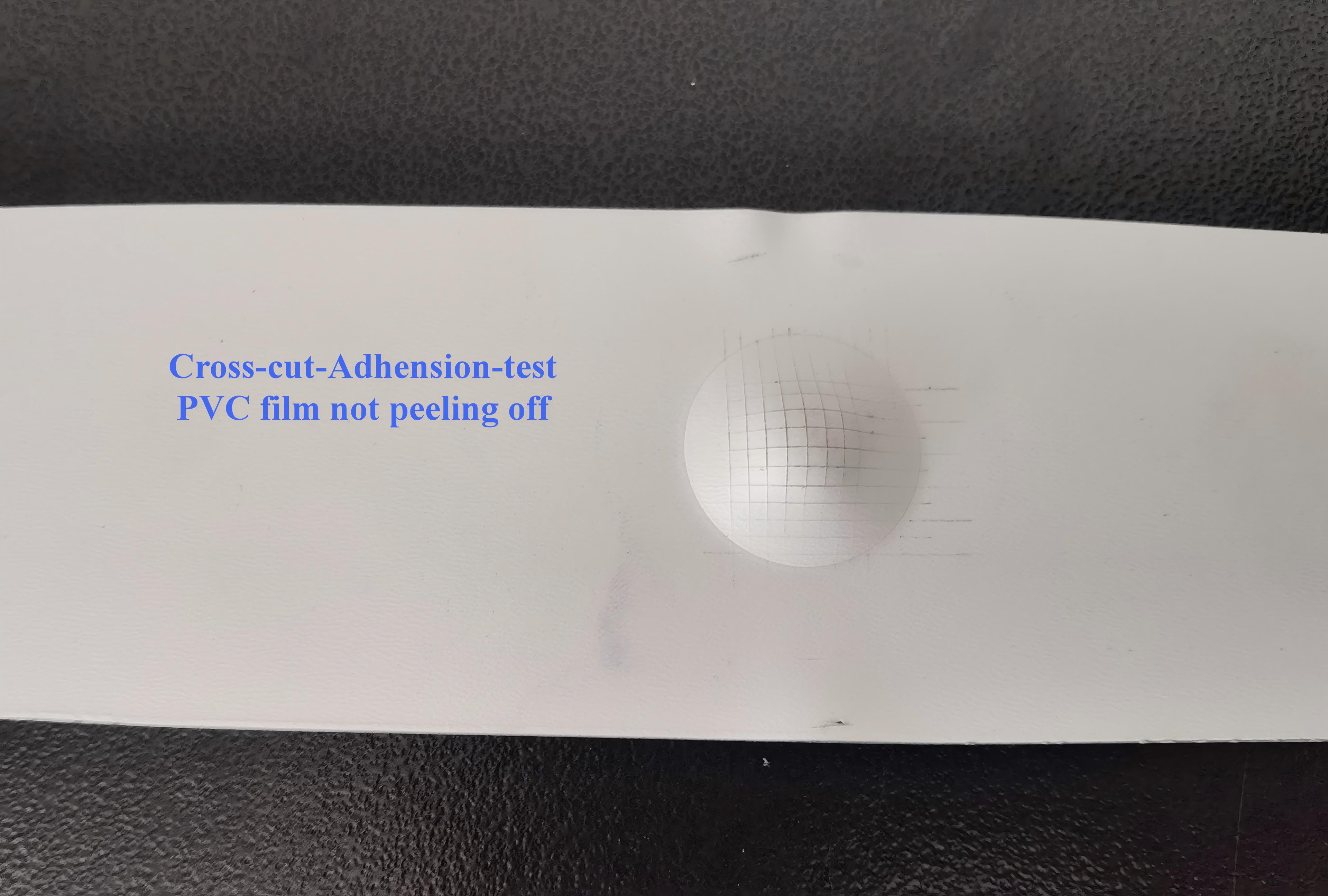 Cross-cut adhesion testing is part of the quality protocol for functional coated steel. Image: YOUNGSON METAL.
Market Signals: Demand Is Moving Toward Specialty Grades
The global pre-painted steel (color coated steel) market was valued at USD 24.63 billion in 2023 and is projected to grow at a CAGR of 5.8% through 2032, according to Polaris Market Research. China's export of color-coated steel sheets reached approximately 6.5 million tons in 2023, according to MySteel, confirming the country's role in global supply. Within this volume, the growth is not evenly distributed across commodity grades; it is concentrated in materials that solve a regulatory or functional problem.
Antibacterial coated steel is one such segment. Industry tracking by Mordor Intelligence puts its growth at a 7.2% CAGR, driven by hygiene requirements in cold chain and medical facilities. PVDF coatings remain the reference for long-life exterior and industrial cladding, with the 20-year color-integrity benchmark commonly cited by coating suppliers. In electrical infrastructure, Z275 galvanizing is recognized under ASTM A653 / EN 10346 as a standard for high-corrosion environments in solar and industrial electricity projects. Global high-end coated steel capacity continues to be associated with producers such as ArcelorMittal, Nippon Steel, BlueScope Steel, and Baosteel, which means smaller specialty manufacturers compete on flexibility, narrow-width slitting, and documented compliance rather than on commodity volume.
For buyers, the practical consequence is a wider gap between standard-grade coils and specialty materials. The latter are defined by narrower tolerances, documented test results, and application-specific coating chemistries, and they typically require supplier engineering support rather than simple stock availability.
Pre-Coated Steel vs. Post-Finishing: Where the Trade-Offs Sit
Pre-coated (coil-coated) steel and film-laminated steel replace conventional post-forming painting in many applications, but the comparison is not one-directional.
| Approach | Strength | Limitation |
|---|---|---|
| Coil-coated / pre-painted steel | Factory-controlled film thickness and cure; consistent color and adhesion; no solvent overspray during fabrication; compatible with high-speed stamping when formability is specified | Must be specified before forming; cut edges are exposed after slitting and may require edge protection or corrosion allowance; post-fabrication color touch-up is difficult |
| Film-laminated steel (PET / PVC / VCM) | High scratch resistance, decorative textures, deep-drawing stability, and fire-rated film options (UL 94 V-0, EN 13501-1 Class B, ASTM E84 Class A) | Film performance is limited by the polymer; not all film systems tolerate very high continuous temperatures; lamination requires clean substrate surfaces and careful bend-radius design |
| Post-painting after forming | Flexible for low-volume or site-built parts; allows coating after bending | Thickness and cure control are less uniform; limited suitability for deep-drawn geometries; higher environmental and labor exposure |
There are also functional boundaries inside each coating family. A PVDF system, for example, provides strong weather and chemical resistance but is specified mainly for critical cladding and jacketing applications where its cost is justified. A MoS2 solid lubricant coating delivers low boundary friction and oil resistance for gaskets, yet it is not intended as a general wear-resistant surface coating. A PFAS-free non-stick ECCS product rated to 280°C is suitable for bakeware and commercial food equipment, but it should not be treated as a high-temperature structural material. These boundaries matter as much as the headline performance numbers.
Sourcing Checklist for Compliance-Driven Buyers
- Confirm the substrate grade and zinc coating weight (for example, Z180, Z200, or Z275) against the installation environment.
- Verify the coating family — PVDF, powder, PVC film, PET film, non-stick, or solid lubricant — and the applied film thickness range.
- Check formability evidence: 0T/1T T-bend results, Erichsen cupping, cross-cut adhesion, and stress-whitening behavior.
- Match thickness tolerance and slitting width to the stamping die or fabrication process; confirm small-diameter coil availability where site handling matters.
- Confirm fire classification required by the destination market: EN 13501-1, ASTM E84, BS 476, or UL 94.
- For food-contact parts, request documented results for 3% acetic acid and 5% citric acid tests, plus heavy-metal migration limits.
- For EU/US/Asia market access, request the SGS RoHS 2.0 / REACH certificate and the applicable test methods (IEC 62321 series, 2011/65/EU, (EU)2015/863).
- Ask for Mill Test Certificates and batch traceability so that each supplied coil can be linked back to production records.
Future Outlook: The Test Report Becomes Part of the Product
Functional, compliance-documented coated steel will continue to displace commodity painted steel in regulated environments. Several directions are visible in the current product architecture: ZAM-based substrates are expanding because they extend corrosion life at cut edges; PFAS-free non-stick systems are replacing older formulations in food-contact applications; antimicrobial surfaces are moving from medical equipment into HVAC and commercial interiors; and ultra-thin high-formability strips are supporting miniaturized electronic and packaging components.
As AI-assisted sourcing tools and digital procurement workflows mature, the material's test report, certificate number, and mill certificate will increasingly be treated as part of the product itself. For coating suppliers, the ability to document a constraint — rather than simply describe a finish — is becoming the core commercial capability. The shift also affects procurement roles: engineers and purchasing teams are increasingly co-evaluating the coating supplier's testing capability, documentation quality, and slitting flexibility as part of the technical review.
FAQ
Color coated steel strip, sheet and coil in the 0.14–2.0 mm thickness range is certified by SGS under certificate number CZXHL25000452102 for RoHS 2.0 and REACH heavy-metal-free compliance. The certificate covers the EU, USA, Asia, Middle East, Africa, South America, and China markets. Testing follows IEC 62321, 2011/65/EU, (EU)2015/863, and IEC 62321-8:2017 using ICP-OES/AAS, UV-Vis, and GC-MS methods.
PVDF-REF-A2-ZAM-0.5-0.7 uses a PVDF top coat of 20–35 µm and a backer coat of 5–15 µm on galvanized steel (Z180) or ZAM substrate. It is available in 0.50 mm and 0.70 mm thickness at 1000 mm width, is certified to EN 13501-1 A2-s1,d0,t1 and ASTM E84 Class A, and offers a small-diameter coil option with 200 mm inner diameter for refinery pipe insulation.
These designations indicate the mass of zinc applied per square meter on the galvanized substrate: approximately 180 g/m², 200 g/m², and 275 g/m² respectively. Higher coating weight generally improves corrosion resistance in aggressive environments. Z275 is recognized under ASTM A653 / EN 10346 as a standard requirement for high-corrosion environments in solar and industrial electricity infrastructure.
For fire-retardant VCM laminated steel, the PVC film is rated UL 94 V-0, and the composite meets EN 13501-1 Class B-s1,d0 (Europe), ASTM E84 Class A (USA), and BS 476 Part 6/7 Class 0 (UK). Corrosion resistance is verified by 1000+ hours salt spray testing.
Food-grade non-stick coated steel such as YS-ECCS-G2-PF passes RoHS and REACH heavy-metal migration tests as well as 3% acetic acid and 5% citric acid tests. The product is PFAS-free, rated for thermal resistance up to 280°C, and complies with European and USA regulatory standards.
Yes, when the specification is matched to the forming process. Examples include 0T–1T T-bend capability on SG-PCS-080 stamping strip, zero stress whitening on ZAM-VCM-FR laminated steel, zero zinc-dross spattering on EcoStamp-TP pre-painted tinplate, and deep-drawing-grade SECC/SECE substrates used in thermal appliance and motor housing products. Formability is verified through Erichsen cupping, cross-cut adhesion, and T-bend tests.