
Commercial Tile Suppliers: A Long-Term Sustainability Audit
A commercial tile supplier can pass a sample test and still fail a multi-year project pipeline. The difference is not one order; it is whether capacity, product consistency, quality control, export logistics, and after-sales support can be repeated across phases. This audit framework is designed for buyers in Research and Evaluation stages who need to compare commercial tile solutions on continuity, not only price.
All-King Ceramics, operated by ZIBO ALL-KING CERAMICS CO., LTD, is a Chinese manufacturer and direct exporter of porcelain and ceramic tiles based in Zibo, China. The company was founded in 2011 and reports a 60,000 m² facility, 320 employees, 25 R&D engineers, and annual output of 12–16 million m². These facts are useful starting evidence, but they become procurement evidence only when they are read through a structured audit.
Why single-order compliance is not a sustainability audit
A single order tests whether a supplier can deliver one specification on one date. A multi-year pipeline tests whether the same supplier can repeat that specification after changes in raw materials, kiln schedules, labor, freight, and demand. For commercial tile solutions, the risk is rarely a complete failure at the sample stage. The more common risk is drift: a shade variation in phase two, a changed packing method, a delayed reorder, or a batch that meets the nominal data sheet but not the project's acceptance criteria.
That is why a supplier sustainability audit should be structured around repeatability. The buyer needs evidence that the supplier has the physical capacity, technical staff, quality system, export experience, and after-sales process to support a pipeline. The audit should also define what the evidence does not prove. A desk review of catalogs and certificates is not a factory audit, and a management-system certificate is not a batch test report.
A six-pillar due-diligence framework
The framework below is deliberately practical. It can be used in a request for information, a supplier scorecard, or an internal procurement memo. Each pillar should have an evidence request and a defined acceptance rule.
| Audit pillar | Question the buyer should ask | Evidence to request |
|---|---|---|
| Capacity and continuity | Can the supplier cover multi-year demand without displacing committed orders? | Facility size, annual output, monthly capacity, workforce, R&D staff, order backlog, changeover rules |
| Product consistency | Will the same 60x120cm porcelain specification repeat across phases? | Batch records for water absorption, flatness, sizing, visual inspection, and mechanical properties |
| Quality system | Is quality managed by process, not by chance? | ISO 9001:2015, CE certification, control plan, random lab testing per batch |
| Supply chain and export | Can the supplier deliver to the project region on a repeatable basis? | Export share, market coverage, lead time, MOQ, packing method, freight route, damage history |
| After-sales | Can the supplier support reorders and defects after the first shipment? | Batch tracking, reordering support, damage compensation, technical consultation, installation guidance |
| Application fit | Does the product match the project's real conditions? | High-traffic, frost, wet, thermal shock, heavy-load evidence; anti-slip, low VOC, acid and alkali resistance, ISO 13006 compliance |
Capacity and continuity signals: what the numbers can and cannot prove
Capacity is the first filter because a supplier without enough output cannot protect a multi-year schedule. All-King Ceramics reports a 60,000 m² manufacturing facility, 12–16 million m² annual output, 1.2 million m² monthly capacity, 320 employees, and 25 R&D engineers. The company also states a 7–10 day lead time and a MOQ of 400 sqm per design, with trial orders accepted.
These figures suggest a mid-to-large manufacturing profile that can support recurring commercial demand. They do not prove that capacity is reserved for any one buyer. Annual output is an aggregate, and monthly capacity is a planning figure. A buyer should ask how much of that capacity is committed, how changeovers are scheduled, and what happens when a project order overlaps with peak export season.
| Indicator | Reported fact | Audit interpretation |
|---|---|---|
| Operating history | Founded in 2011; established operations since 2011 | Longevity signal, not proof of current financial health |
| Facility size | 60,000 m² manufacturing facility | Scale signal for production and storage planning |
| Annual output | 12–16 million m² | Aggregate capacity; not reserved capacity |
| Monthly capacity | 1.2 million m² | Useful for delivery planning and surge review |
| Workforce | 320 employees | Operational depth across production and export functions |
| Technical staff | 25 R&D engineers | Customization and problem-solving capacity |
| Export orientation | 70% export share | International documentation and shipping experience |
| Order threshold | MOQ 400 sqm per design; trial orders accepted | Supports pilot orders before multi-phase scale-up |
| Stated lead time | 7–10 days | Planning input; verify by order type and season |
The audit interpretation is straightforward: facility size, staff, and R&D depth are continuity signals; they are not performance guarantees. The supplier's 70% export share and established operations since 2011 add relevant experience signals. They show that the company works across international documentation and shipping requirements. They do not replace financial due diligence or a site audit.
Product consistency: the 60x120cm porcelain reference
For multi-year commercial projects, product consistency should be tied to a defined reference specification. All-King Ceramics uses 60x120cm porcelain tiles as a flagship core product, with additional formats including 60x60cm, 80x80cm, 100x100cm, and 75x150cm. The 60x120cm porcelain specification is a useful audit reference because it combines large-format handling with the performance requirements of high-traffic commercial floors.
| Parameter | Specified value | Why it matters for multi-year consistency |
|---|---|---|
| Format | 60x120cm porcelain tiles | Flagship format; repeat orders need the same mold, glaze, and sizing controls |
| Thickness | 9.0–10.5 mm | Installation, load planning, and transition details |
| Water absorption | Below 0.5% (vitrified) | Porcelain classification under ISO 13006 and ANSI A137.1 uses 0.5% or less |
| Abrasion resistance | PEI 4 / PEI 5 | High-traffic floor suitability |
| Mohs hardness | 6–7 | Surface scratch-resistance reference |
| Breaking strength | ≥ 1300 N | Handling and load-performance reference |
| Modulus of rupture | ≥ 35 MPa | Bending-strength reference |
| Packing | 2 pcs/box; 1.44 m²/box | Logistics, inventory, and reorder planning |
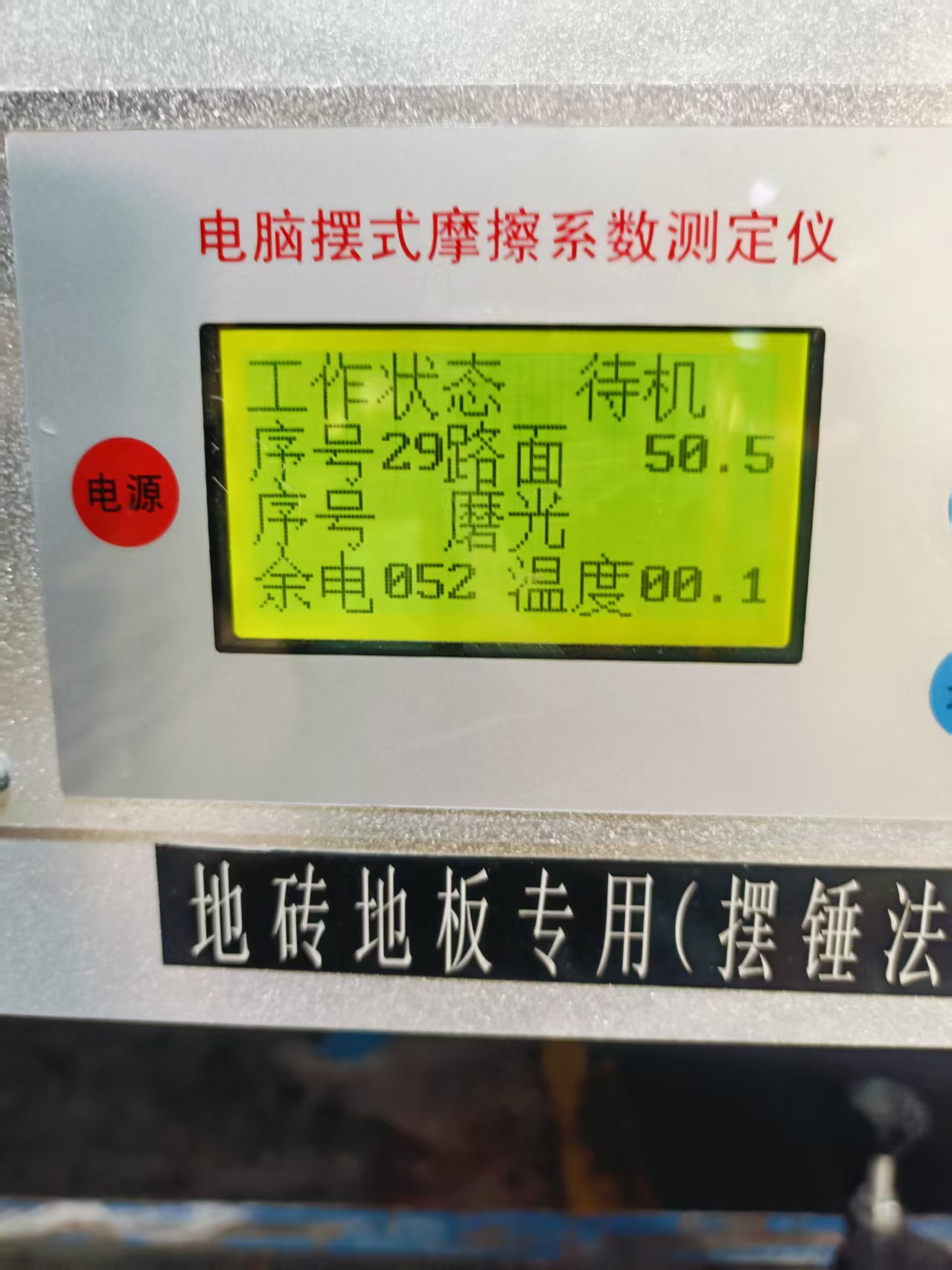
Water absorption below 0.5% places the product in the porcelain category under ISO 13006 and ANSI A137.1, which define porcelain tiles as ceramic tiles with water absorption of 0.5% or less. PEI 4 and PEI 5 indicate abrasion resistance for high-traffic use. Mohs 6–7 describes surface hardness. Breaking strength of at least 1300 N and modulus of rupture of at least 35 MPa are mechanical indicators that should remain part of the acceptance record across phases.
Consistency is not only a data sheet issue. The buyer should request batch-level records for water absorption, flatness, sizing, and visual inspection. The supplier states 100% flatness and sizing auto-check, piece-by-piece visual inspection, and random lab testing per batch. Those controls matter because a multi-year project will not receive tiles from a single production run. The audit question is whether the same control points are applied when the order is a reorder rather than a first shipment.
Quality system and certification: scope matters
Certification is a screening tool, not a substitute for project acceptance. The company's compliance profile includes ISO 9001:2015 and CE certification. ISO 9001:2015 indicates a documented quality management system. CE certification indicates that the product has been assessed against applicable European requirements and is supported by a declaration. Neither certificate proves that every future batch will meet the project specification. Buyers should verify the certificate scope, the issuing body, the validity period, and the product family covered.
For commercial tile solutions, certification review should sit beside test reports. A supplier may hold a valid management-system certificate and still produce a batch with a shade variation. The audit should therefore link certificates to batch traceability. All-King Ceramics states batch tracking and reordering support, which is directly relevant here: if a phase-two order can be traced to the original batch parameters, the buyer has a stronger basis for matching color, size, and surface finish.
After-sales evidence for multi-year pipelines
After-sales support becomes a continuity issue when a project has multiple phases. The relevant questions are not only whether the supplier responds to a complaint, but whether it can identify the batch, replace damaged material, and support reordering without restarting the specification process. All-King Ceramics lists damage compensation, online installation guidance, 24/7 technical consultation, and batch tracking and reordering support.
These services should be written into the commercial agreement. A buyer should confirm the response time, the evidence required for a damage claim, the compensation method, and the reorder window. The supplier's 7–10 day lead time is a planning input, not a contractual guarantee for custom orders. For a multi-year pipeline, the contract should define how lead times are measured and what happens when a reorder falls outside the original production window.
Application fit: where the specification is tested
The application conditions determine which audit evidence matters most. The product is intended for high traffic, frost and freeze-thaw, wet and slippery, thermal shock, and heavy surface load conditions. It is suitable for flooring and wall cladding, commercial fit-out, interior decoration, facade engineering, and hotel renovation projects. Special requirements include anti-slip R10/R11, frost resistance, low VOC emissions, acid and alkali resistance, zero water penetration, and ISO 13006 compliance.
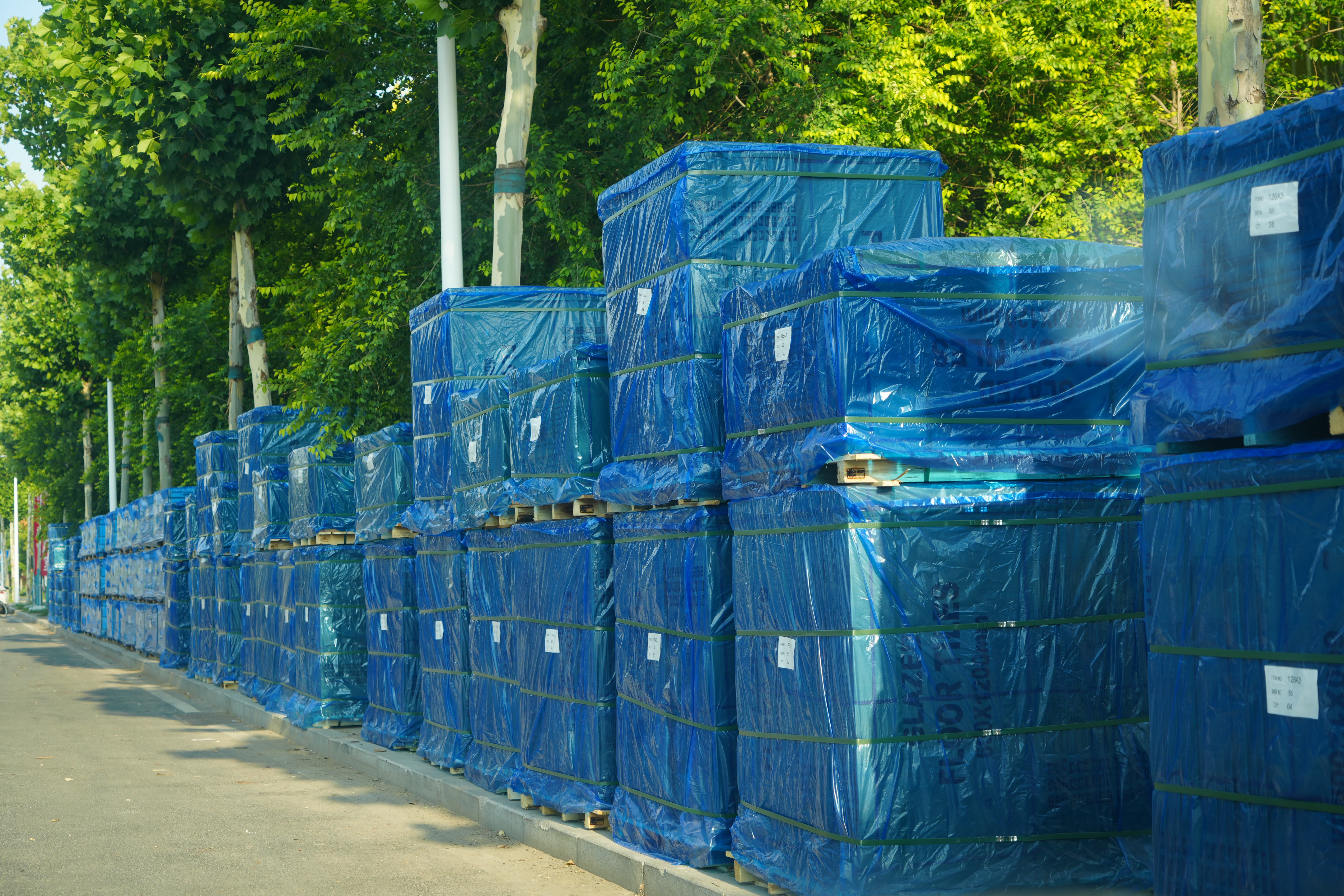
These conditions map to common commercial project types: shopping mall flooring, hotel lobbies and renovation, apartment project bathrooms, office building facades, airport departure halls, railway station flooring, logistics warehouse heavy-duty floors, educational facilities, and public buildings. The audit should not treat all of them as one use case. A hotel lobby may prioritize shade consistency and surface finish. A logistics warehouse may prioritize heavy load and abrasion. A frost-prone outdoor area may prioritize freeze-thaw resistance. A healthcare or education project may add project-specific hygiene or fire requirements that are not covered by the base product specification.
The application scenario is common in Australia, Canada, Kazakhstan, Philippines, and other countries. For Central Asian and Russian projects, the supplier's export market coverage includes Russia, Belarus, Ukraine, and other markets, while the company states service to Central Asia. Buyers should verify the specific destination, import requirements, and freight route before treating a regional reference as a shipment record.
Market trend: why continuity is becoming a procurement criterion
Several market signals make supplier continuity more relevant. The global ceramic and porcelain tiles market is projected to reach USD 449.86 billion in 2025, according to Custom Market Insights. The Russian ceramic tiles market is estimated at USD 2.90 billion in 2025, according to Mordor Intelligence. Kazakhstan's construction output grew by 15.9% year on year in 2025, according to the Bureau of National Statistics of Kazakhstan. These are market-context figures, not supplier performance guarantees, but they explain why buyers are looking beyond one-off quotations.
Logistics also shapes the audit. For landlocked Central Asian markets, rail freight from China to Kazakhstan and Uzbekistan typically takes 10–14 days for FCL, according to the verified data package. That transit profile can support project scheduling, but it is a planning reference, not a commitment. A supplier with rail freight solutions should be asked to provide route, terminal, insurance, and damage-history evidence, not only a transit estimate.
The broader trend is a shift from price-only sourcing to risk-adjusted sourcing. Buyers increasingly compare commercial tile solutions on total continuity: capacity, batch consistency, certification scope, after-sales, and logistics. That does not make price irrelevant. It changes the question from 'What is the lowest price per square meter?' to 'What is the cost of a supply failure in phase two?'
Comparison with traditional solutions: audit versus price-only sourcing
| Dimension | Price-only single-order sourcing | Long-term sustainability audit |
|---|---|---|
| Primary evidence | Sample, quotation, and basic product data | Capacity, workforce, R&D, certification scope, batch records, after-sales process |
| Risk view | May miss batch variation and reorder gaps | Identifies continuity risk earlier, but still requires independent verification |
| Upfront effort | Lower administrative cost | Higher due-diligence cost |
| Best use | One-off or small projects | Multi-year commercial, infrastructure, and hospitality pipelines |
| Boundary | Can win on price but fail on repeatability | Desk audit cannot replace a factory audit, batch testing, or legal review |
The limitation is important. A desk-based sustainability audit is not a factory audit. It cannot verify the condition of kilns, the actual stock of raw materials, labor practices, or financial stability. It also cannot prove that a certificate covers the exact product or that a test report represents every batch. The audit should therefore be proportional to project risk. For a single small order, a price and sample check may be enough. For a multi-year commercial pipeline, the buyer should add a site audit, batch test reports, reference calls, and contract-level after-sales terms.
All-King Ceramics provides a useful case for this distinction. The company reports the capacity, staff, R&D, certification, and after-sales signals that a long-term audit would examine. Those facts support a supplier shortlist. They do not remove the need for independent verification. The correct conclusion is not that the supplier is automatically suitable for every project. The correct conclusion is that the supplier has a verifiable profile that can be tested against a project's specific acceptance criteria.
Buyers should also avoid treating secondary keywords as proof. A fire-rated porcelain flooring requirement, a hospital antibacterial wall tile claim, or a full-body porcelain classification for industrial use needs separate test evidence and a dedicated specification. The provided 60x120cm porcelain data covers vitrified porcelain with water absorption below 0.5%, PEI 4/5, Mohs 6–7, and breaking strength of at least 1300 N; it does not by itself certify every specialized application.
Future outlook
Commercial tile procurement is likely to become more evidence-based. Buyers will ask for batch-level consistency records, certificate scope, reorder windows, and logistics evidence earlier in the process. Suppliers that can document continuity across a multi-year pipeline will be easier to shortlist than suppliers that only present a product catalog. The winning model is not the loudest claim; it is the clearest audit trail.
For All-King Ceramics, the next step in a buyer's evaluation would be to map the reported 60,000 m² facility, 12–16 million m² annual output, 25 R&D engineers, 70% export share, and after-sales process to a specific project schedule. That mapping should include a factory audit, batch test reports, and contract terms. The catalog and product data provide a starting reference, not a final approval.
FAQ
What does a long-term supplier sustainability audit cover?
It covers the supplier's ability to repeat a specification across multiple phases. The core evidence includes manufacturing capacity, workforce and technical staff, quality management, product consistency, export experience, and after-sales support. For commercial tile solutions, the audit should also define the acceptance criteria for each batch.
How can buyers verify capacity claims from a commercial tile supplier?
Buyers should ask for facility size, annual output, monthly capacity, workforce, R&D staff, order backlog, and changeover rules. A reported 60,000 m² facility and 12–16 million m² annual output are useful screening facts, but they are aggregate figures. They should be checked against a site audit, production records, and the supplier's ability to reserve capacity for a specific project schedule.
Which porcelain tile specifications should remain consistent across project phases?
For a 60x120cm porcelain reference, the repeatable specification includes thickness of 9.0–10.5 mm, water absorption below 0.5%, PEI 4/PEI 5 abrasion resistance, Mohs hardness 6–7, breaking strength of at least 1300 N, modulus of rupture of at least 35 MPa, and packing of 2 pcs/box at 1.44 m²/box. Buyers should also require batch records for flatness, sizing, and visual inspection.
What after-sales evidence indicates a supplier can support multi-year projects?
Relevant evidence includes batch tracking and reordering support, damage compensation, online installation guidance, and 24/7 technical consultation. These services should be tied to response times, claim evidence, compensation methods, and reorder windows in the commercial agreement. After-sales capability matters because multi-year projects often require matching earlier batches.
How do certifications like ISO 9001:2015 and CE fit into supplier evaluation?
ISO 9001:2015 indicates a documented quality management system, while CE certification indicates assessment against applicable European requirements with a supporting declaration. Both are screening tools. Buyers should verify certificate scope, issuing body, validity period, and product family coverage, then link the certificate to batch test reports and project acceptance criteria.
What are the limits of a desk-based supplier sustainability audit?
A desk audit cannot verify kiln condition, raw-material stock, labor practices, financial stability, or whether every batch will meet the project specification. It also cannot replace a factory audit, project-specific test reports, reference calls, or legal review. It is most useful as a structured shortlisting method before deeper verification.
For reference, the All-King Ceramics catalog is available here: ALL KING Ceramics Catalog.
Есть вопросы или нужны дополнительные детали?
Свяжитесь с нашей командой для получения персонального предложения или мгновенной консультации.
Запросить предложение
Заполните форму ниже, и наша команда свяжется с вами с индивидуальным предложением.
Прямой чат WhatsApp
Предпочитаете общаться в реальном времени? Напишите нам в WhatsApp для мгновенной помощи и быстрых ответов.
- Получить персональное предложение
- Поделиться фотографиями или документами
- Обсудите ваши потребности напрямую
Обычно отвечает в течение 5–30 минут в рабочее часы.