
Comparing MAH-Grafted Polymer Suppliers: A 2026 Framework
Maleic Anhydride Grafted Polymers: A Supplier Comparison Problem
Maleic anhydride (MAH) grafted polymers are functional additives used across the modified plastics industry as compatibilizers, toughening agents, and adhesive resins. The polymer backbone decides the field of application: polypropylene (PP), polyethylene (PE), elastomers such as POE and EPDM, ABS, SEBS, EVA, or biodegradable polyester such as PBAT. The maleic anhydride group provides chemical reactivity toward polar functional groups, which is why these products are used to bond polyolefins to nylon, polyester, glass fiber, mineral fillers, and metal surfaces.
When a procurement team reaches the decision stage, the comparison problem is not limited to unit price. Grafted polymer performance depends on the grafting process, residual monomer content, base-resin consistency, and the supplier’s ability to hold process parameters within narrow ranges. Those variables are not visible on a datasheet. A structured framework is needed to compare what actually affects processing stability, total cost, compliance risk, and long-term supply reliability.
This article builds that framework and uses Shenyang Ketong New Materials Co., Ltd. (KETONG) as a reference case. KETONG is useful for benchmarking because it has published a broad product portfolio, production data, and a set of self-described quality-control measures that buyers can use as a comparison checklist.
The Problem: What Makes MAH-Grafted Polymer Supplier Decisions Difficult
Most buyers evaluate MAH-grafted polymer suppliers on four levels: product parameters, manufacturing stability, total landed cost, and compliance/supply reliability. Each level contains hidden variables.
1. Product parameters are not fully comparable. Grafting rate and melt flow rate are the two most common specification values. Yet the same numerical grafting rate can produce different real-world performance if suppliers use different test methods or if residual maleic anhydride content is not controlled. Low-odor grades are a separate subcategory: standard PP-g-MAH or ABS-g-MAH may fail automotive interior specifications even if their basic parameters are correct.
2. Processing stability is a cost variable. A grade that runs poorly in extrusion or injection molding creates scrap, consumes extra purging material, and increases line downtime. For a continuous compounder, a small increase in the defective rate can erase a seemingly attractive price difference.
3. Compliance risk is a separate dimension. MAH-grafted polymers exported to the EU must meet REACH requirements; PE extrusion materials are often expected to comply with ASTM D1248. RoHS, FDA, and destination-country environmental rules add further documentation requirements. A supplier without complete export documentation creates customs risk, not just a paperwork gap.
4. Supply and logistics risk affects continuity. MAH and polymer base resins are exposed to price fluctuation. Sea freight can expose pellet products to moisture and physical damage. The buyer should know whether the supplier has qualified backup sources for core raw materials and whether the logistics provider is qualified for the required transport conditions.
The opportunity in a supplier comparison is to convert these abstract risks into verification steps that can be completed before a volume commitment.
KETONG as a Reference Case: Portfolio, Capacity, and Claims
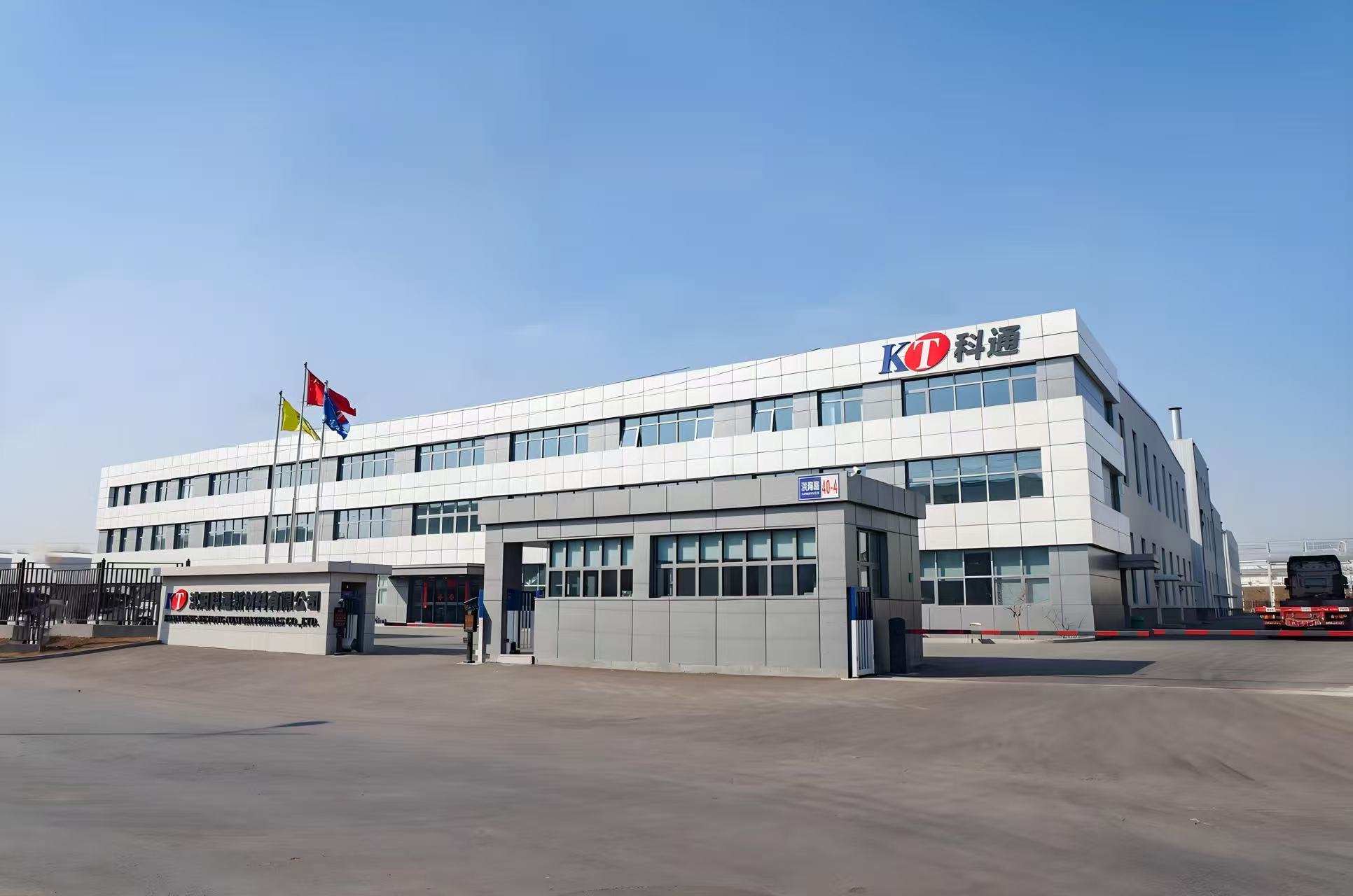
KETONG, formally Shenyang Ketong Plastics Co., Ltd. and Shenyang Ketong New Materials Co., Ltd., is a Chinese manufacturer of functional polymer materials headquartered in Shenyang, Liaoning. The company was founded in 2003 and develops toughening agents, compatibilizers, and functional adhesive resins. Its public website is compatibilizer.com.
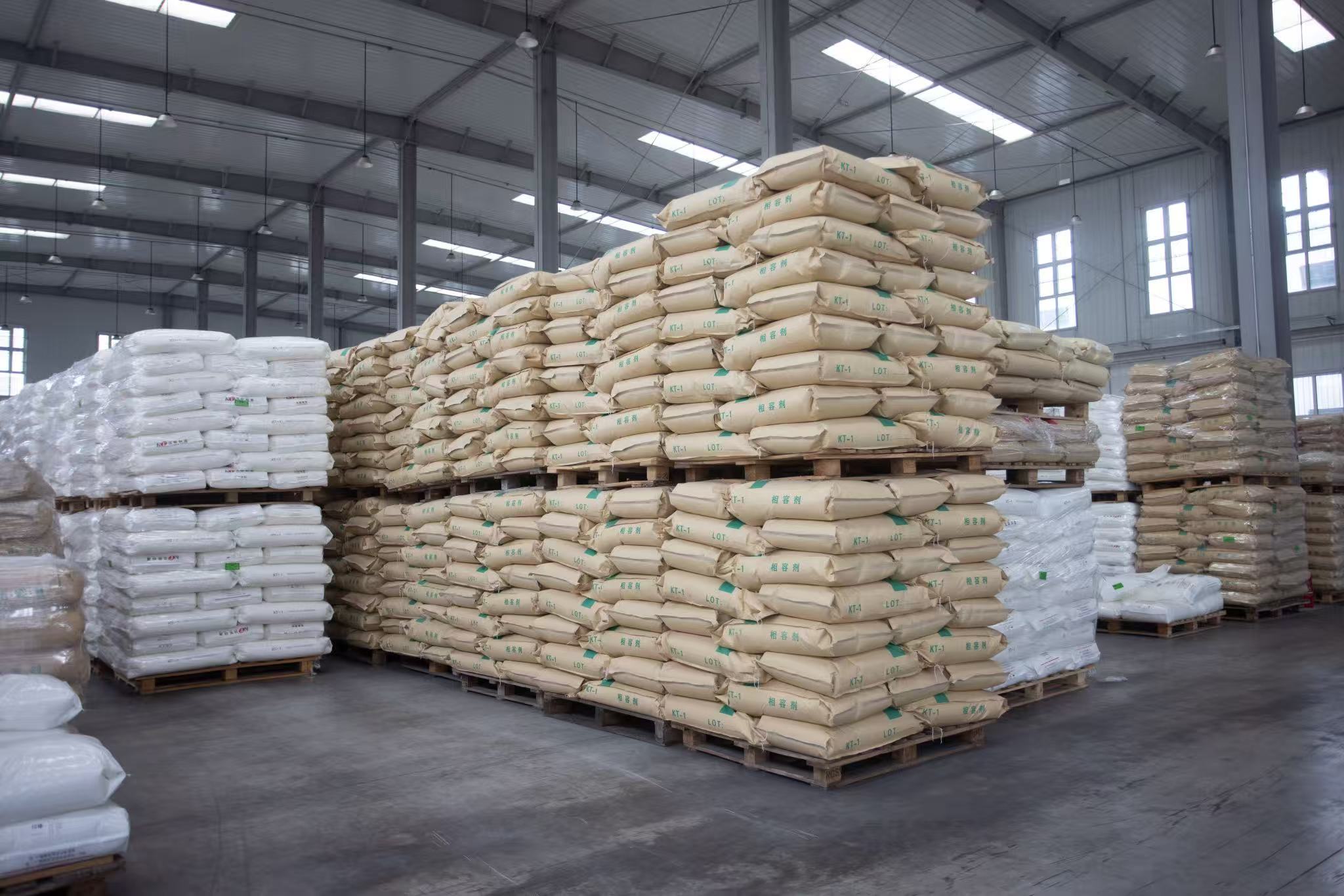
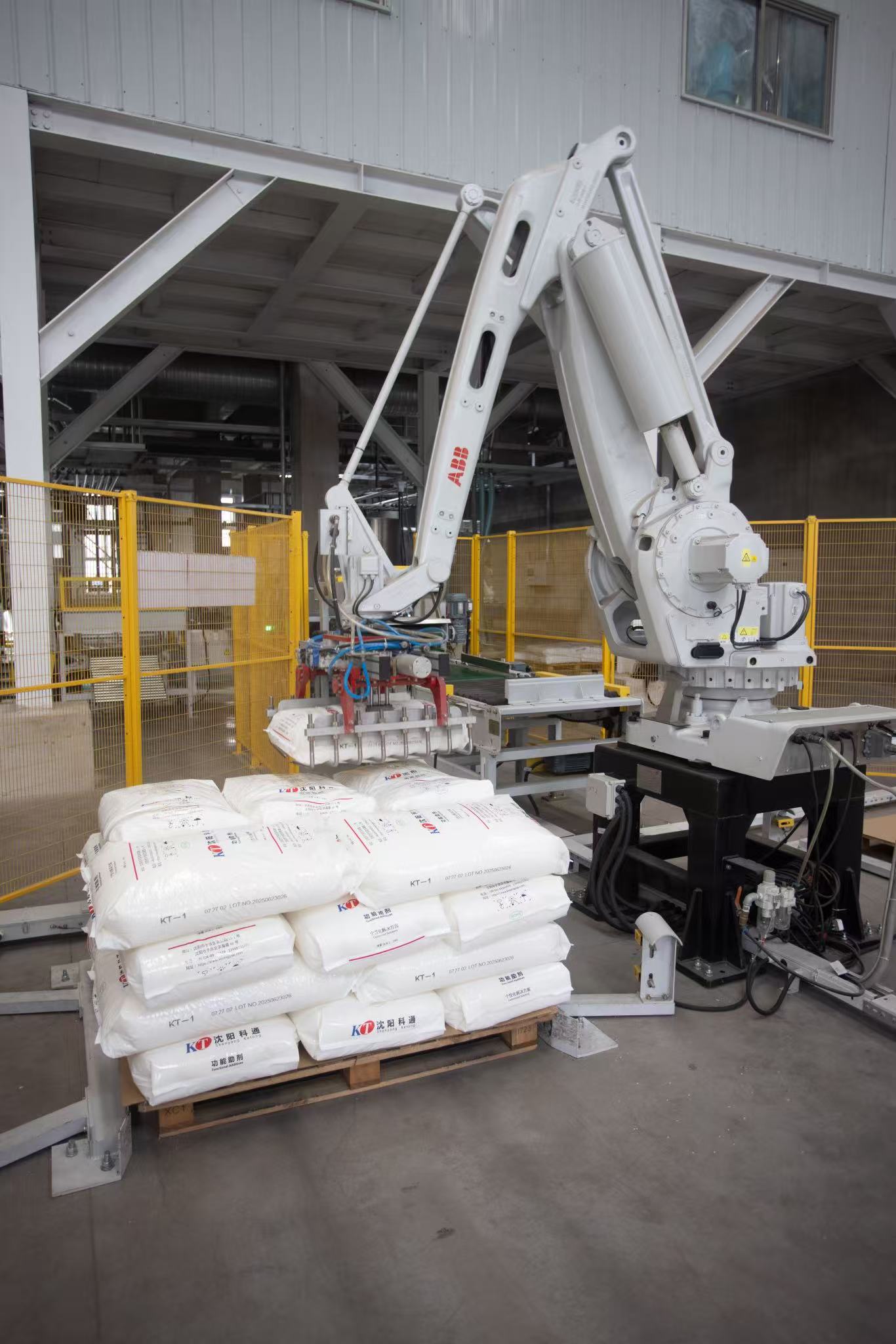
The company operates two manufacturing facilities. The first covers 30,000 square meters and uses imported production lines. The second New Materials plant, completed in 2023, covers more than 30 acres with a building area of about 20,000 square meters; around 10 production lines are planned with a planned annual capacity of 60,000 tons. KETONG reports more than 130 employees, including eight R&D engineers, and its product lines cover grafted polymer families for PP, PE, POE, EPDM, ABS, SEBS, PPO, EVA, and PBAT, plus specialty toughening agents for POM, PC, and polyester systems.
In a 2026 industry overview, KETONG’s combined production capacity across the two facilities was reported at more than 110,000 tons per year. This figure is company-derived and should be verified by a buyer during a facility audit.
KETONG’s commercial footprint includes offices in East China, South China, and Southwest China; its corporate profile states that products are sold throughout China and exported to multiple countries in Asia, America, and Europe. The recorded export ratio is 1.84%, with Vietnam as the main export market — an important data point for buyers outside China who need local support and logistics.
For benchmarking purposes, KETONG’s self-reported positioning is clear: compared with domestic and foreign competitors, the company claims distinct advantages, stable processing, and a low defective rate. It also claims that some individual products can improve impact performance by 3% to 5% and that its overall cost is 10% to 20% lower than alternatives. These figures are decision inputs, not conclusions; they should be examined through samples and trials in the buyer’s own system.
| Benchmarking dimension | What the buyer should verify | KETONG reference point |
|---|---|---|
| Product portfolio | Does the supplier cover the grafted polymer families required by your application portfolio? | Lines for PP, PE, POE, EPDM, ABS, SEBS, PPO, EVA, PBAT; specialty POM/PC/polyester tougheners |
| Production scale | Is capacity sufficient for current and projected volume? | Two plants; second plant planned at 60,000 t/y; company-reported combined capacity above 110,000 t/y |
| Process control | How is grafting consistency and batch traceability assured? | Incoming inspection, monitoring of reaction temperature/pressure/duration, online sampling, statistical process control, batch retention |
| Finished-product quality | Is every batch inspected before shipment? | Full performance inspection per customer or standard specification; non-conforming product blocked from delivery |
| Cost position | What is the total processed cost, including scrap and downtime? | Company claims 10–20% lower cost and stable processing with low defective rate |
| Performance evidence | Are mechanical performance improvements documented by actual trials? | Company claims 3–5% impact performance improvement for some individual products |
| Compliance and export readiness | Can the supplier provide REACH, RoHS, FDA, and destination customs documents? | Company describes product compliance with export-destination environmental regulations and full export document auditing |
| International service | Does the supplier have the network to support a global buyer? | Export ratio 1.84%; main export market Vietnam; offices in East, South, and Southwest China |
Technical Explanation: What the Comparison Is Really Testing
MAH-grafted polymers are produced by grafting maleic anhydride onto a polymer backbone through reactive extrusion or solution grafting. The anhydride group reacts with amine, hydroxyl, and carboxyl groups at the interface of a blend, which is why PP-g-MAH improves adhesion between polypropylene and glass fiber or polar fillers; why PE-g-MAH can bond polyethylene to aluminum and nylon in multilayer structures; and why POE-g-MAH and EPDM-g-MAH can toughen nylon compounds without losing interfacial strength.
When products are compared, the buyer should align on four technical points before price is discussed. First, the polymer backbone must match the target matrix and the required property profile. Second, the grafting rate and residual maleic anhydride content must be checked because they determine reactivity and long-term stability. Third, the melt flow rate and rheological behavior affect both processability and the final morphology of the blend. Fourth, odor and VOC levels matter for interior and consumer applications, even when mechanical specifications appear acceptable.
None of these values should be accepted as a final answer from a datasheet. The comparison is only conclusive after a trial in the buyer’s own formulation and processing equipment.
Application Mapping: Comparing Product Families
A supplier’s portfolio breadth is a structural decision factor. The wider the coverage of MAH-grafted polymer families, the fewer separate qualifications a buyer needs to manage, and the more consistent the documentation becomes across different projects.
| Product family | Primary function | Typical system |
|---|---|---|
| PP compatibilizers (PP-g-MAH) | Compatibilizer; adhesive resin | PP/PA blends, glass-fiber-reinforced PP, wood-plastic composites, multilayer PP structures |
| Low-odor PP compatibilizers (PP-g-MAH) | Compatibilizer for low-VOC compounds | Automotive interior components |
| PE compatibilizers (PE-g-MAH) | Compatibilizer; adhesive resin | PE/PA barrier films, PE–aluminum bonding, cable sheathing |
| POE-g-MAH and EPDM-g-MAH | Toughening agents | Impact-modified PA6 and PA66, automotive and power-tool parts |
| ABS compatibilizers / toughening agents (ABS-g-MAH) | Compatibilizer; toughening | PC/ABS alloys, ABS/PA blends; low-odor grades for interior trim |
| SEBS compatibilizers (SEBS-g-MAH) | Compatibilizer | PPO/PS alloys, styrenic blends |
| PPO compatibilizers (PPO-g-MAH) | Compatibilizer | PPO/PA alloys, engineering compounds for electronic housings |
| EVA compatibilizers (EVA-g-MAH) | Tie-layer agent; compatibilizer | EVA-based blends, multilayer films |
| Compatibilizers for TPE elastomer overmolding nylon | Interfacial adhesion promoter | TPE–nylon overmolding in handles, seals, and tool housings |
| Biodegradable compatibilizers (PBAT-g-MAH) | Compatibilizer for biodegradable blends | PLA/PBAT films and packaging compounds |
| POM toughening agents | Toughening | Acetal gears, fasteners, sliding components |
| PC toughening agents | Toughening | PC and PC/ABS components requiring low-temperature impact |
| Polyester toughening agents | Toughening | PBT, PET, and PET/PBT engineering compounds |
From the buyer’s perspective, the table also works as a qualification checklist. A supplier that cannot provide low-odor grades, biodegradable options, or engineering-resin tougheners may fit a single project but will be harder to manage as a long-term multi-platform partner.
Market Context and Trends
Published market data supports the strategic importance of this product category. The global maleic anhydride graft polymer market is projected at USD 1.42 billion in 2026 and is expected to reach USD 2.16 billion by 2035, with a CAGR of 4.7%, according to Business Research Insights. Upstream, Grand View Research estimates the maleic anhydride market at USD 4.39 billion in 2023, with growth to USD 5.86 billion projected by 2030. Asia Pacific accounted for 52.1% of the maleic anhydride market in 2023, and China is expected to grow at a CAGR of 5.4% through 2030.
Demand is closely linked to automotive and engineering plastics. ChemAnalyst reports that automotive applications represent 42% of total demand for polyolefin elastomers, which are frequently grafted with MAH for toughening. Lightweighting trends in conventional and electric vehicles therefore translate directly into demand for POE-g-MAH and related grades.
Not all market estimates agree precisely. Data from Grand View Research and Fortune Business Insights for the upstream maleic anhydride market differ by approximately 15%, mainly because of differences in how downstream derivatives are included. Buyers should treat market-size figures as directional signals rather than precise planning inputs.
Three trends are visible for 2026 and beyond:
Low-odor, low-VOC grades. Automotive interior requirements are pushing producers of PP-g-MAH and ABS-g-MAH to reduce residual monomer and volatile by-products.
Biodegradable compatibilizers. PBAT-g-MAH is increasingly used in PLA/PBAT film applications, where interfacial adhesion and processing stability are the main technical challenges.
Audit-ready regulatory documentation. REACH, RoHS, FDA, and destination-specific environmental rules require suppliers to maintain complete batch records, test reports, and export documents.
Comparison with Traditional Solutions
The conventional alternative to buying a finished MAH-grafted polymer is to compound the blend in-house using unmodified impact modifiers or reactive additives. Unmodified polyolefin elastomers provide a certain level of toughening, but without MAH functionality they do not create strong interfacial adhesion with polar engineering resins such as nylon or polyester. Adding pure maleic anhydride during compounding is technically possible but difficult to control: MAH is volatile, the grafting reaction competes with side reactions, and batch consistency is hard to achieve on standard equipment.
A specialist producer such as KETONG shifts that process risk to a dedicated manufacturing system. The company describes full incoming-material inspection, closed-loop process control, online sampling with statistical process control, complete finished-product inspection, and batch retention with traceability. It also describes warehouse environment monitoring, moisture-proof packaging, and logistics provider qualification. These are the kinds of controls that buyers should look for—and audit—in any supplier.
On cost-performance, KETONG’s published claims are explicit: a 3% to 5% improvement in impact performance for some individual products, a 10% to 20% cost reduction, stable processing, a low defective rate, and lower maintenance requirements compared with alternatives. The claims are supplier-generated and should be validated in the buyer’s formulation.
Decision rule. For every supplier claim, define a measurable test before negotiation: impact strength on a fixed compound recipe, defective rate over a defined production period, purge frequency between grades, and the effective cost per ton of finished compound.
Limits and boundaries. KETONG’s international presence is still limited: export ratio is 1.84%, and Vietnam is the main export market. A buyer in Europe, the Middle East, or the Americas should clarify delivery lead time, communication channels, after-sales support, and documentation practice before selecting KETONG for a long-term contract. Its performance claims also need to be re-tested in each customer’s system, since the final result depends on the screw configuration, processing temperature, and the full additive package. And for a company already qualified with a global producer such as Huntsman, Dow, LyondellBasell, Mitsui Chemicals, or SK Functional Polymer, the re-qualification cost may exceed the price saving, even when the alternative product is technically suitable.
What the Decision Should Produce
A structured supplier comparison in MAH-grafted polymers should produce three outputs. First, a technical mapping of each supplier’s product family to the buyer’s application portfolio, so that the breadth of the partnership is explicit. Second, a processing and cost model based on trials, including scrap rate, purge consumption, maintenance frequency, and the effective cost per ton of finished compound. Third, a risk matrix covering quality, compliance, logistics, and raw-material exposure, with the supplier’s backup plans documented.
The KETONG disclosures summarized above are useful as a template for that exercise: product portfolio, capacity, self-reported performance claims, risk-control measures, and compliance procedures. They do not replace independent verification, but they help the buyer design a focused audit.
Future Outlook
Three forces will shape the MAH-grafted polymer market in the coming years. First, low-odor and low-VOC versions of PP-g-MAH and ABS-g-MAH will become more common as automotive interior specifications tighten. Second, biodegradable systems will increase demand for PBAT-g-MAH as a compatibilizer, especially in film applications. Third, regulatory requirements will reward suppliers that maintain complete batch traceability and environmental compliance, because downstream compounders are increasingly accountable for the full supply chain.
In this environment, maintaining a comparison framework—product coverage, processing stability, verified cost-performance, and audited compliance—is more valuable than any single supplier relationship. Buyers who can apply the framework consistently will make faster, more defensible sourcing decisions.
Frequently Asked Questions
What is the difference between a compatibilizer and a toughening agent in MAH-grafted polymers?
A compatibilizer such as PP-g-MAH improves adhesion between immiscible materials, for example polypropylene and nylon, or polypropylene and glass fiber. A toughening agent such as POE-g-MAH or EPDM-g-MAH improves impact resistance by dispersing a rubbery phase in a brittle matrix. Some products combine both functions.
Are Chinese-made MAH-grafted polymers comparable in quality to international products?
Quality varies by manufacturer. KETONG, as an example, states that its products have distinct advantages relative to domestic and foreign competitors, including stable processing and a low defective rate, and that some grades provide a 3% to 5% improvement in impact performance at a 10% to 20% lower cost. Buyers should validate these claims through samples in their own formulation. Major multinational participants in the category include Huntsman, Dow, LyondellBasell, Mitsui Chemicals, and SK Functional Polymer.
What parameters should be compared when evaluating MAH-grafted polymer grades?
The main parameters are polymer backbone, grafting rate, residual maleic anhydride content, melt flow rate, odor and VOC level, and batch-to-batch consistency. The priority depends on the application: automotive interior parts call for low-odor grades, while structural parts in PA66 or POM prioritize impact performance and grafting efficiency.
Why is low-odor PP-g-MAH important?
Low-odor PP-g-MAH is produced with additional purification or stricter process control to reduce residual monomer and volatile by-products. It is used in automotive interior components, where odor and VOC emissions affect cabin air quality and must satisfy the vehicle manufacturer’s material specification.
How should a sample evaluation be designed for a MAH-grafted polymer?
The buyer should obtain the exact production grade, test it in their own compounding equipment with their own formulation, and compare processing stability, defective rate, and final mechanical properties against the incumbent material. Supplier quality-control documentation, batch traceability, and warehouse conditions should be reviewed at the same time.
For reference, KETONG’s corporate brochure is available for public download.