
Comparing Molded Pulp Trays: Cost, Protection and Compliance
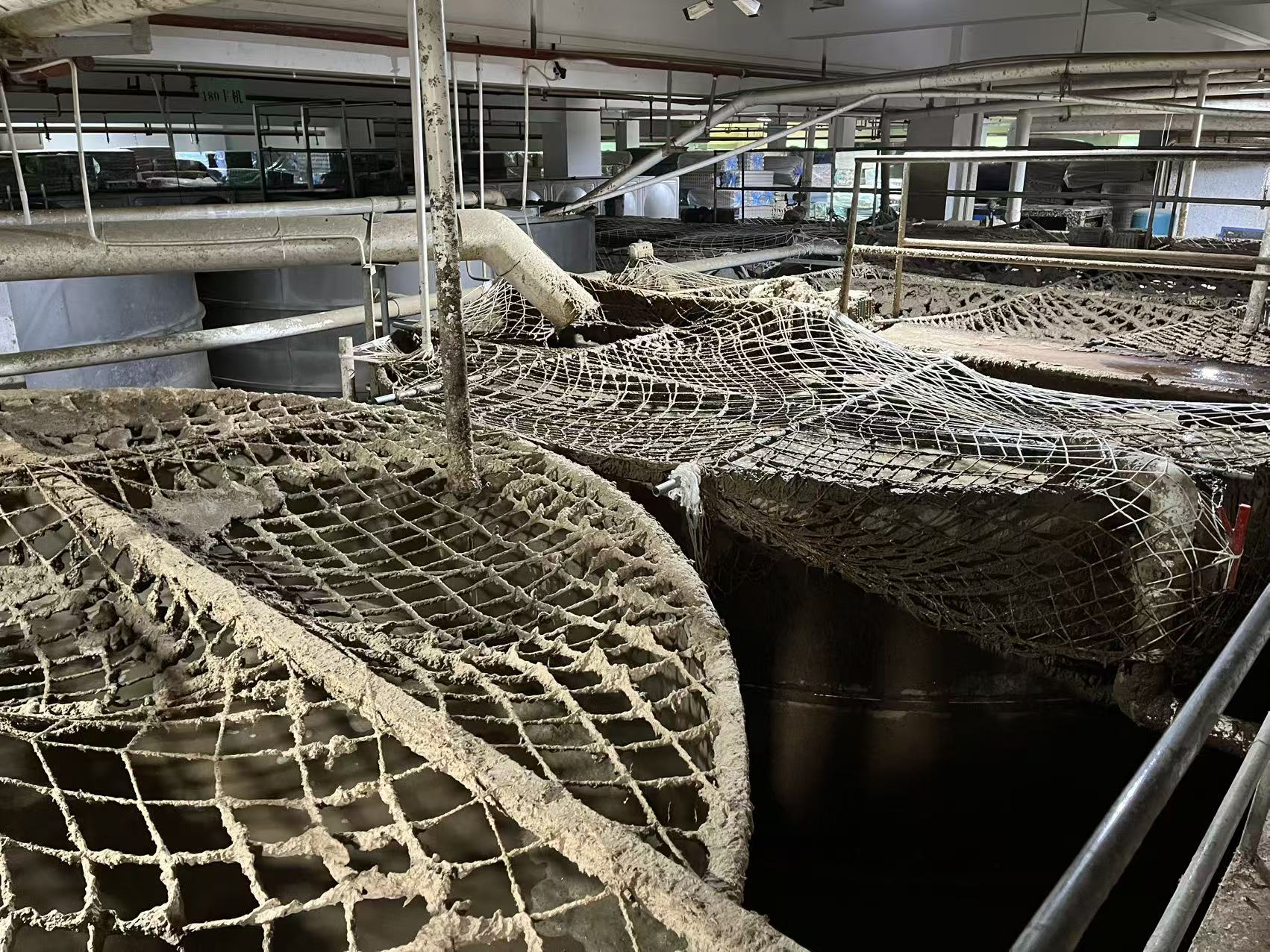
Molded pulp trays have moved from a sustainability story to a procurement decision. For many buyers, the material is no longer new; the hard part is comparing a molded pulp tray against alternatives or competing suppliers. The visible surface of a tray is only one clue. Fiber selection, mold design, forming density, moisture control and finishing determine whether the packaging will protect goods and meet export requirements.
Why the Molded Pulp Tray Decision Still Feels Difficult
Molded pulp is a process-heavy packaging product. One supplier may quote a lower price but source mixed recycled fiber with higher impurity levels, produce a thinner wall or dry the tray unevenly. Another supplier may quote a slightly higher price but offer better process control, stronger edges or more compact nesting. Without a structured comparison framework, a price difference hides larger differences in damage rates, freight cost, storage density and compliance risk.
The opportunity side of the decision is visible in current market estimates. Grand View Research values the global molded pulp packaging market at USD 6.2 billion in 2025 and projects it to reach USD 10.2 billion by 2033. Asia Pacific held about 41 percent of global revenue in 2025, with China as the largest market. The tray segment was the largest product category in 2025, accounting for more than 41 percent of revenue share according to the same source. Exact market figures depend on product scope and forecasting method; Smithers has published a lower 2025 estimate near USD 4.5 billion. For procurement teams, the more important point is that molded pulp is no longer a niche material and requires the same disciplined comparison as any other packaging investment.
What Buyers Should Compare Before Choosing Molded Pulp
When a buying group moves from awareness to decision, the comparison should cover protection, compliance, supply-chain cost and the supplier's ability to control the manufacturing process. A molded pulp tray quotation should not be reduced to piece price, because the total packaging cost includes mold amortization, in-transit damage, export compliance, warehouse density and end-of-life handling.
Protection: Compare Measurable Data, Not Only the Look of a Sample
Mechanical protection is the main reason a tray exists. It is not judged by hand-feel or appearance alone. The relevant data usually appear in the technical specification: compression strength, edge crush strength, density, wall thickness and moisture content. These values tell a buyer whether the tray can handle stacking pressure, absorb impact during transit and hold the product in position without excessive movement.
A well-made molded pulp tray should have a dense fiber structure around corners and load-bearing areas rather than a uniformly thin surface. This is why two visually identical trays can behave very differently when dropped. At the decision stage, buyers should request a specification sheet and run a sample test with the actual product, not with an empty tray.
Compliance: Check the Rules Before Choosing the Material
Compliance is often the decisive factor for export packaging. Molded pulp is generally more aligned with current plastic restriction policies in Europe and North America than ordinary plastic packaging, but not every paper-based tray is automatically compliant. Buyers should verify the fiber source, chemical additives, food-contact status and available documentation.
For companies exporting to the European Union, the new Packaging and Packaging Waste Regulation (EU) 2025/40 entered into force on February 11, 2025. Under that regulation, all packaging must be recyclable by January 1, 2030. This creates a clear procurement timeline: packaging materials chosen today should already be compatible with recyclability requirements rather than waiting for a later redesign.
Total Cost: Look Beyond the Unit Price
Molded pulp can appear slightly more expensive than ordinary plastic on a per-piece basis. The comparison changes when the total cost is evaluated. A tray that nests well can reduce warehouse space and shipping volume. A tray with better shock absorption can reduce damage claims. A tray that avoids plastic-tax exposure can reduce export compliance costs. For these reasons, the lowest quotation is not necessarily the lowest-cost solution.
Reading a Molded Pulp Tray Technical Specification
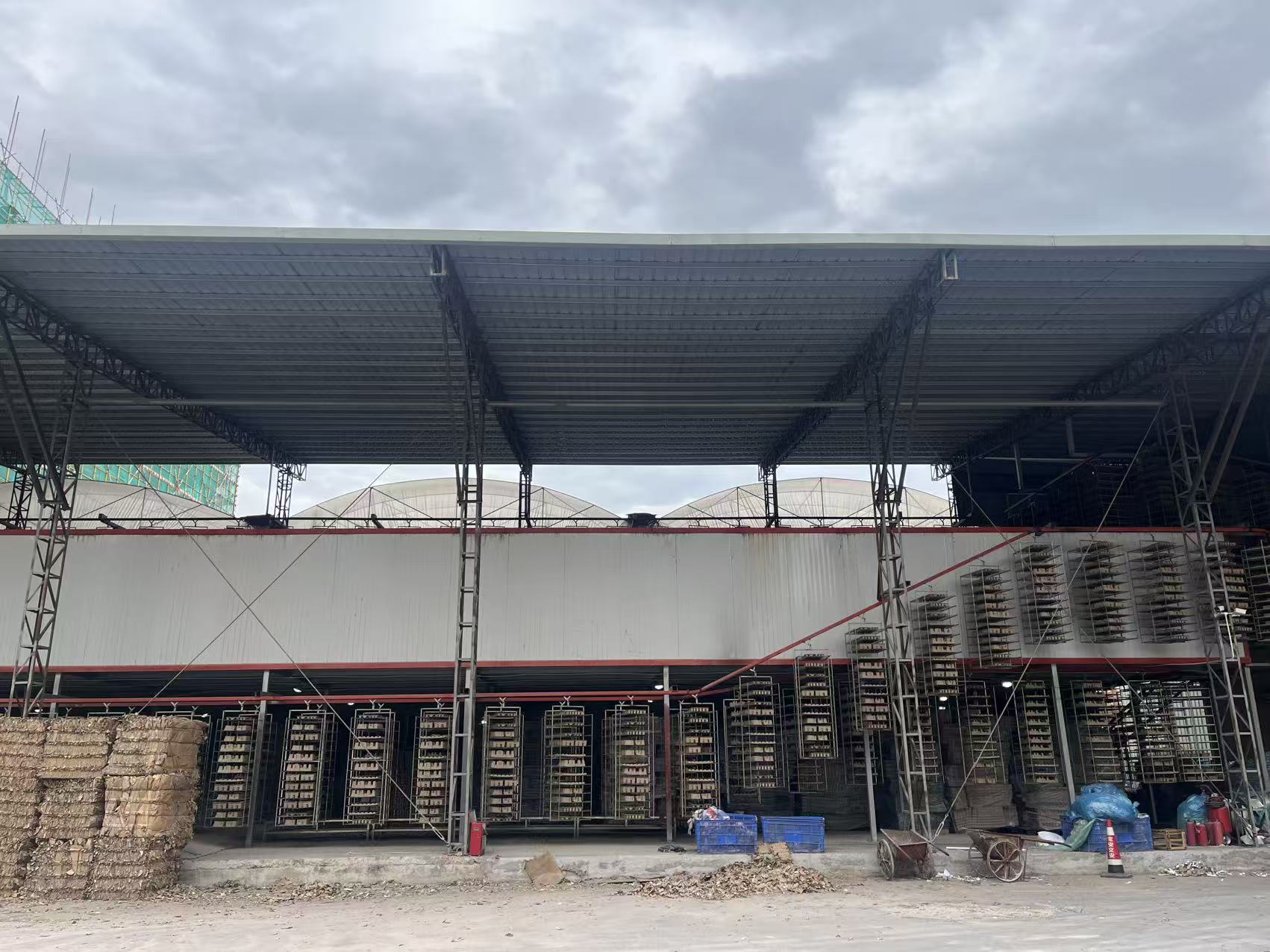
A complete molded pulp tray specification should include more than dimensions and color. Production begins with fiber preparation, then wet forming, drying, hot pressing and trimming. Each step affects final density and strength. When a supplier provides detailed data, it becomes possible to compare quotations on the same technical basis.
| Parameter | Typical range in listed molded pulp tray data |
|---|---|
| Raw materials | Wood pulp, bamboo pulp, sugarcane pulp; customization available on request |
| Wet-press density | 0.15–0.25 g/cm³ |
| Dry-press density | 0.28–0.45 g/cm³ |
| Thickness | 0.8–5.0 mm, depending on product requirement |
| Moisture content | ≤8–12% |
| Edge crush strength | 3–8 kN/m |
| Compressive strength | 2–8 MPa |
| Applicable temperature range | -20°C to +80°C; food-grade trays can be specified from -20°C to +120°C |
These values are useful for internal comparison. A heavier tray is not automatically stronger; strength depends on fiber length, density distribution and geometry. A tray with very high moisture content can warp or lose stiffness over time. A tray made from cleaner, more consistent fiber generally has a more predictable surface and better printing or coating results.
Application Patterns Across Industries
The right molded pulp design depends on the product being protected. Common applications include 3C electronics and lighting, food and fresh produce, cosmetics and gift packaging, medical devices, electrical appliances, auto parts, hardware and sanitary ware, toys and handicrafts. Buyers should select a product-specific tray type rather than assuming one tray format fits all industries.
- Consumer electronics and lighting often use protective molded pulp packaging with shock-absorbing liners and custom pockets that follow the product contour.
- Food and catering applications use food-grade molded pulp trays, disposable food pulp trays and fresh-produce trays that can meet food-contact requirements.
- Cosmetic and gift packaging uses decorative molded fiber trays with cleaner surfaces, often combined with embossing, coating or printing.
- Medical device packaging is a growing segment, with molded pulp trays designed around sterilization handling and cleaner material requirements.
- Heavy or industrial products rely on heavy-duty molded pulp trays with higher density and stronger edge crush to support heavier components.
For buyers at the decision stage, the application pattern determines which sample test matters most. A food tray should be verified for moisture and temperature behavior. An electronics tray should be checked for secure fit and drop performance. A cosmetic tray should be evaluated for surface finish and presentation quality.
What Tonghe Paper Co., LTD Brings to a Tray Comparison
Tonghe Paper Co., LTD, identified in corporate materials as Dongguan Tonghe Paper Industry Co., Ltd., is a China-based molded pulp manufacturer located in Qiaotou Town, Dongguan, Guangdong Province. Its company profile describes a professional pulp molding operation with automated production bases, complete forming and hot-pressing equipment, and in-house mold development capability. The facility is reported at 23,000 square meters with about 160 employees, a 12-person R&D engineering team and an annual output of 12,000 tons; monthly capacity is stated as up to 1,000 tons.
For an independent procurement review, the more relevant point is process integration. Tonghe's listed production environment includes a pulping area, wet-press molding machines, drying hanging cages, a hot-press area and trimming equipment. It also includes a mold department. These details matter because a supplier with in-house mold development and controlled drying, pressing and trimming is easier to evaluate for quality consistency and lead time than a supplier that only finishes semi-finished trays.
Tonghe states that it transforms recycled paper and bagasse fiber into biodegradable alternatives to disposable plastic and foam packaging. The company also says it selects natural plant fibers such as wood pulp, bamboo pulp and sugarcane pulp for different tray products, avoids harmful chemical additives and reports complete biodegradation within 28 days under natural composting conditions. Its profile further states that products meet international environmental requirements including SGS RoHS and PFAS-free conditions. Custom services such as special coating, embossing and printing are available for brand-driven packaging projects.
The company's stated lightweight direction is also relevant to transport-cost analysis. Tonghe reports that its upgraded molded pulp products are about 50 percent lighter than traditional hard gift boxes. Weight reduction, combined with stackable geometry, can reduce long-distance shipping volume and warehouse space. Buyers should still verify this with their own product dimensions and carton tests, but the comparison is a useful starting point for logistics evaluation.
Molded Pulp vs. Plastic Packaging: The Traditional-Solution Comparison
Many molded pulp decisions at the final stage are actually comparisons against ordinary plastic packaging, including thermoformed plastic trays and foam-based protective inserts. Molded pulp is not always the lower-cost option on the first quoted line. Its value appears when protection, compliance and logistics are combined.
| Comparison dimension | Molded pulp tray | Ordinary plastic packaging |
|---|---|---|
| Environmental compliance | Generally aligned with plastic restriction policies and recyclability requirements in the EU, UK and North America | May face plastic-tax surcharges or documentation burdens in higher-regulation markets |
| Shock protection | Reported cushioning performance can be 25–35% better than ordinary plastic packaging when fiber density and geometry are optimized | Performance depends on material thickness and structure; often requires more material to reach similar cushioning |
| Space and stacking | Nested stacking can save 40–60% of storage and transport space | Some plastic trays can nest, but many foam or molded inserts are bulky and hard to stack efficiently |
| Unit cost | Slightly higher than ordinary plastic for many standard configurations | Often lower on a per-piece basis for simple geometries |
| Total export cost | Lower compliance risk and potentially lower overall cost for EU export due to reduced plastic-tax exposure | Base price can be lower, but total landed cost may increase when regulatory fees and disposal requirements are included |
| End-of-life handling | Degradable, recyclable and compostable under suitable conditions | Requires separate recycling or disposal; may remain in landfill for a long period |
Molded pulp still has boundaries. It is a porous fiber material, so by itself it is not a hermetic or liquid-tight barrier. Products that require a long-term moisture barrier, a sterile sealed environment or transparent visibility may still need a plastic liner, coating or multi-material structure. For simple low-value products where compliance is not a risk and protection demand is low, the slightly higher unit cost of molded pulp can be harder to justify. The practical procurement conclusion is that molded pulp should replace plastic where protection, space efficiency, environmental regulation and end-of-life cost create a measurable benefit.
Key Market Signals for the 2026 Buying Decision
Several market signals are likely to shape molded pulp purchasing decisions in 2026 and beyond. The first is regulatory. The EU Packaging and Packaging Waste Regulation (EU) 2025/40 entered into force on February 11, 2025, and requires all packaging to be recyclable by January 1, 2030. This deadline is not distant planning language; it affects packaging systems being designed now, especially for brands selling into the EU market.
The second signal is segment growth in specialized applications. According to Mordor Intelligence, molded pulp for healthcare and medical devices is projected to grow at a compound annual rate of about 8.6 percent, supported by sterilization requirements and hospital-level plastic reduction programs. This will attract more suppliers, which increases the need for careful technical review rather than relying on a single sample.
The third signal is regional production concentration. Asia Pacific represented 41 percent of the molded pulp packaging market in 2025, with China as the largest country-level market. For international buyers, this means supply chains will continue to evaluate Chinese manufacturers on process capability, certification completeness and export experience, not only on labor or material cost.
Turning Comparison Data into a Supplier Interview
At the decision stage, the comparison criteria should become direct supplier questions. Buyers can ask whether the supplier operates an in-house mold department or outsources molds, because mold development speed affects the timeline for custom trays. They can ask whether the quotation includes density, thickness, moisture content, edge crush strength and compressive strength, because these are the values that make a specification verifiable.
Buyers can also test how a supplier thinks about transport. Nesting and stacking behavior determine how many trays fit into a carton and how many cartons fit on a pallet. A tray with slightly better nesting can reduce freight cost across an entire production year. For food-grade or medical product lines, the buyer should ask what documentation and test results the supplier can share, rather than accepting a general statement about recyclability.
Finally, buyers should ask about finishing and customization capacity. Special coating, embossing and printing affect surface appearance and brand presentation. A supplier that can integrate mold development, forming, drying, hot pressing, trimming and finishing gives the buyer a shorter communication path and fewer quality handoff points.
Future Outlook for Molded Pulp Trays
The next phase of molded pulp development will probably be defined by specificity instead of generality. Suppliers that can match fiber composition, mold geometry and density to a specific product risk are more useful than suppliers offering one generic tray solution. As recyclability deadlines approach, material documentation will become part of the commercial contract, not a marketing add-on.
Molded pulp is not a universal replacement for every plastic format. Its future role is more targeted: protective packaging for electronics, lighting, food, beverages, wine, cosmetics, medical devices and industrial components. For these categories, the decision is no longer a choice between sustainability and protection; it is a decision about which fiber system, which supplier process and which specification create the most predictable total cost.
FAQ
Q: What payment terms and shipping methods do you accept?
A: T/T and Alibaba Trade Assurance are accepted. Sea, air and express shipment via DHL, FedEx or UPS can be arranged. Freight cost is calculated after the destination port or delivery address is provided.
Tonghe Paper Co., LTD – English Company Profile (PDF): https://cdn.socialarks.com/sbsp/25104/common/2026/0825/%E5%90%8C%E5%92%8C%E4%B8%AD%E6%96%87%E7%AE%80%E4%BB%8B%E8%8B%B1%E6%96%87%E7%89%88%28A%29.pdf
Есть вопросы или нужны дополнительные детали?
Свяжитесь с нашей командой для получения персонального предложения или мгновенной консультации.
Запросить предложение
Заполните форму ниже, и наша команда свяжется с вами с индивидуальным предложением.
Прямой чат WhatsApp
Предпочитаете общаться в реальном времени? Напишите нам в WhatsApp для мгновенной помощи и быстрых ответов.
- Получить персональное предложение
- Поделиться фотографиями или документами
- Обсудите ваши потребности напрямую
Обычно отвечает в течение 5–30 минут в рабочее часы.