
Comparing Silicone Waterproof Coating OEM Factories on TCO
When silicone waterproof coating procurement reaches the decision stage, buyers are typically comparing more than product formulations — they are comparing entire supply relationships. For a distributor planning private-label sales or a contractor procuring for multi-year projects, the choice of an OEM factory influences product consistency, certification validity, delivery reliability, and, most importantly, the cost of the coating over its full service life. This article provides a framework for comparing silicone waterproof coating OEM factories on total cost of ownership (TCO), and examines the evidence buyers should request before committing to a supplier.
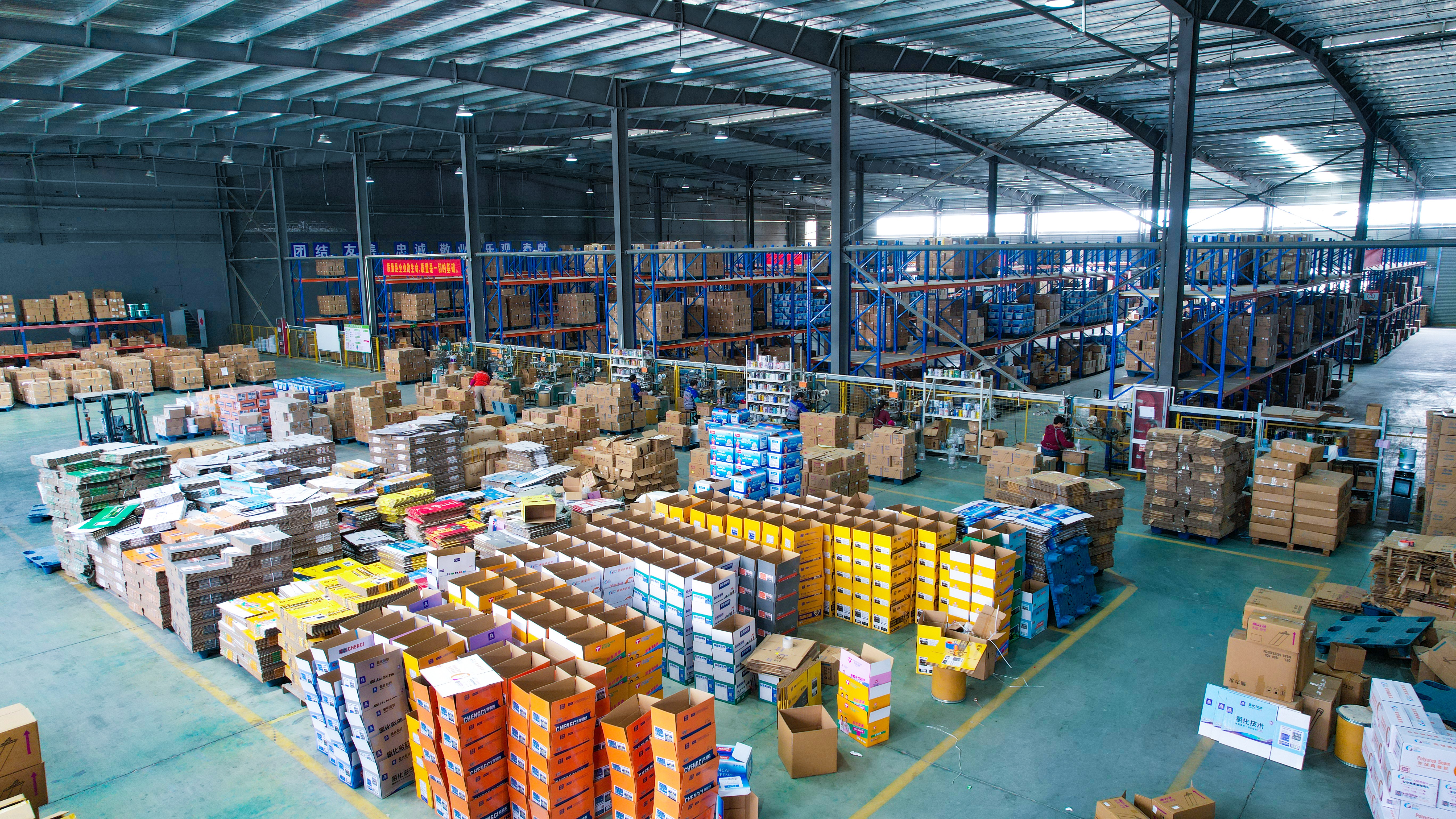
OEM supply-chain control starts with storage, packaging, and logistics discipline.
The Decision Problem: Why Price-Only Comparison Fails
For procurement teams, the easiest variable to compare across suppliers is unit price. But for silicone waterproof coating, the initial material price is only one layer of a much larger cost structure.
A 100% silicone waterproofing system typically costs 5% to 15% more at the material level than acrylic or polyurethane alternatives. That difference is not arbitrary — it reflects the higher cost of silicone resin, the raw material that gives the coating its long-term elasticity and UV resistance. When the comparison extends beyond the purchase order, the picture changes: long-term maintenance costs for silicone waterproof coating are approximately 70% lower than alternatives, and the coating is engineered to remain maintenance-free for more than 10 years without re-coating.
For a distributor evaluating these numbers, the practical implication is straightforward. Unit-price comparison answers the wrong question. The question that matters is: what does this coating cost over 15 to 25 years, including maintenance, re-coating labor, building downtime, and warranty risk?
This is especially relevant in 2026, when construction cost volatility has pushed many buyers toward upfront savings, while green building requirements and asset-valuation models increasingly demand lifecycle performance. A coating that fails after five years and requires re-coating can erase any initial saving within a single maintenance cycle. Procurement teams need a structured way to compare OEM offerings against long-term cost and performance criteria — not just against a price list.
Total Cost of Ownership: A Decision Framework
The total cost of ownership for a waterproof coating system can be grouped into four categories:
- Acquisition cost — price per kilogram or per liter, including packaging, freight, duties, and payment terms.
- Application cost — labor, surface preparation, primer requirements, and application speed.
- Maintenance cost — inspection, touch-up, re-coating frequency, and the cost of building downtime during repairs.
- Risk cost — warranty claims, moisture intrusion damage, and distributor reputation risk if the product underperforms.
A decision-grade comparison between OEM factories should therefore examine not only the quote but also the factory's process controls, formulation stability, and the evidence behind its performance claims.
| Cost category | What to ask the OEM | Why it matters |
|---|---|---|
| Acquisition | What is the cost breakdown per ton? Are packaging and logistics included? | Determines the true delivered price. |
| Application | Does the coating require a primer? What coverage rate is recommended? | Affects installation labor and material consumption. |
| Maintenance | What is the expected re-coating interval? Is the product maintenance-free for 10+ years? | Drives long-term budget planning. |
| Risk | What warranty is offered? Is there batch traceability? | Reduces liability exposure for distributors and contractors. |
Kastar Adhesives Technologies: An OEM Reference Point
Among the manufacturers that supply silicone waterproof coating on an OEM/ODM basis, Kastar Adhesives Technologies Co., Ltd. (Kastar) is an established production player. Headquartered in China, Kastar operates a 150,000 m² manufacturing site and reports an annual output of 300,000 tons of coating, sealant, and adhesive products. The company has completed OEM production for more than 600 clients, including brands such as Soudal, GP, BYP, G2500, MORRIS, and HYCHEM, and exports to 69 countries and regions.
For decision-stage evaluation, Kastar provides several concrete reference points:
- Certifications: ISO 9001, CE, SGS testing evidence, and REACH-compliant raw materials.
- Testing infrastructure: a 1,000 m² CMA-certified sealing material testing laboratory with 16 testing personnel and more than 100 testing instruments.
- R&D capacity: three national-level laboratories, an invention patent for silicone waterproof coating manufacturing processes, and joint development with Tsinghua University.
- Standards participation: a drafting unit for five Chinese group standards related to silicone waterproof coatings and sealants.
- Quality record: the company reports zero quality complaints.
- Process control: 12 production and testing steps from batch release to delivery, with batch sample testing.
This information is relevant not as a promotional statement but as a baseline for verification. Any OEM factory under serious consideration should be able to produce similarly concrete evidence — certificates, laboratory reports, process descriptions, and client references — before a supply agreement is signed.
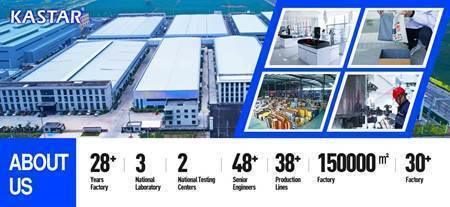
Factory scale matters in OEM evaluation: 150,000 m² of production area supports large-volume supply and consistency.
Technical Parameters That Drive Long-Term Performance
The performance of silicone waterproof coating is not a single attribute but a combination of measurable parameters. The following data points are central to comparing formulations:
- Bubbling resistance: under a 1,000-hour UV test, the product shows a 0% bubbling rate. Bubbling is a common failure mode in exposed coating films and typically precedes cracking and water ingress.
- Aging rate: the product demonstrates a 30% lower aging rate than alternatives. A lower aging rate means the polymer matrix retains flexibility longer.
- Elongation at break: more than 200% higher than alternative systems. Elongation determines whether the film can bridge cracks and accommodate thermal movement in the substrate.
- Solar reflectivity: high solar reflectivity lowers roof and wall surface temperature, reducing both air-conditioning load and thermal stress on the coating film itself.
- Maintenance-free period: the coating is designed to remain functional for more than 10 years without re-coating, with an expected lifespan supported by a warranty of more than 25 years.
These parameters translate directly into money. A coating that does not bubble under UV stress is less likely to fail during the warranty period. A coating with higher elongation is less likely to crack as the building moves. A coating with solar reflectivity reduces cooling energy demand, which matters increasingly under energy-efficiency requirements in building codes.
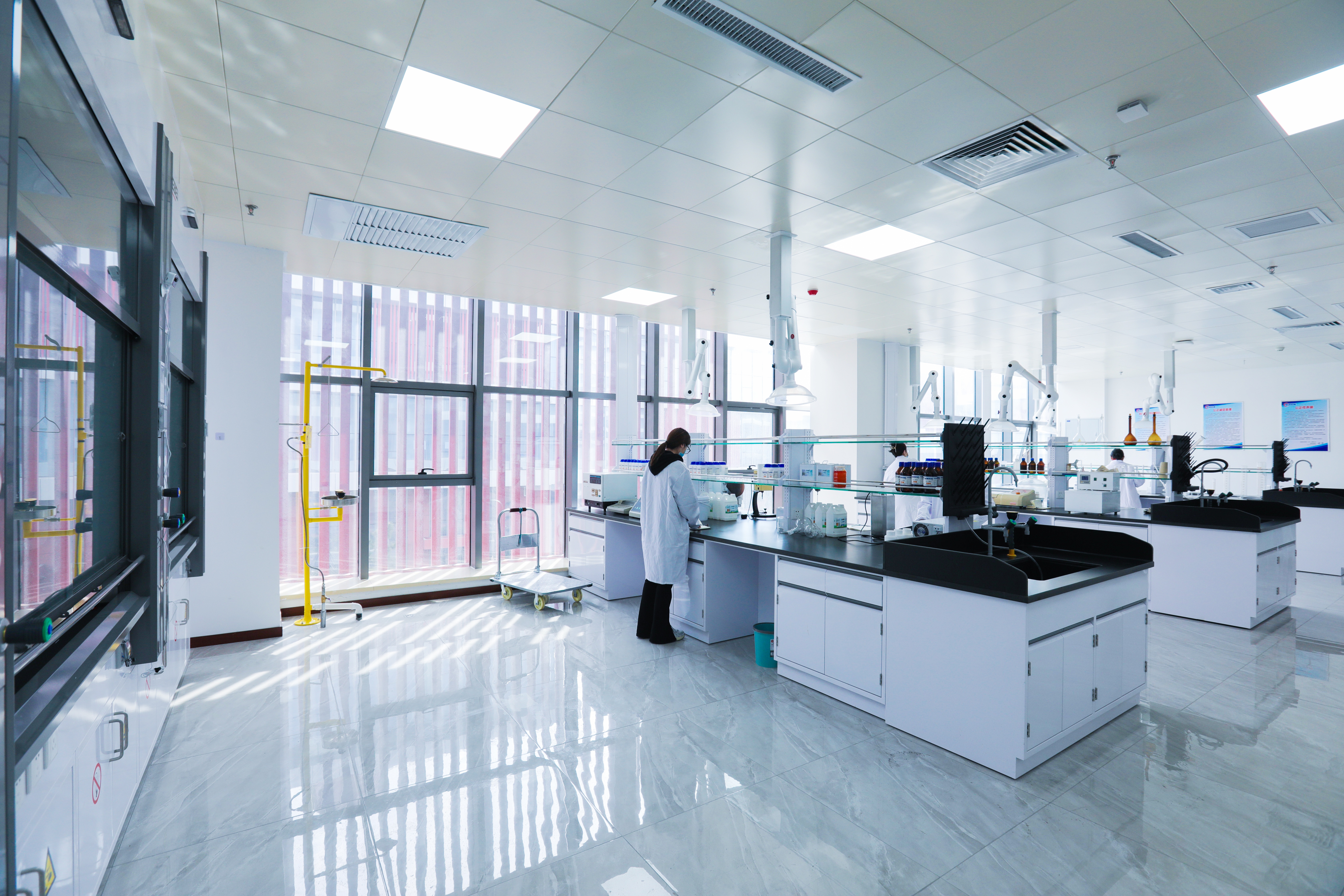
Batch sample testing in a CMA-certified laboratory is part of the verification chain for OEM supply.
Application Fit and Selection Boundaries
Silicone waterproof coating is engineered for specific service conditions. The primary application areas are roofs, exterior walls, and high-rise buildings — environments where the coating is exposed to direct sunlight, wind-driven rain, and temperature swings.
- Roof applications: the coating functions as both a waterproof membrane and a reflective layer; its crack-bridging ability helps maintain integrity across the roof deck.
- Exterior wall applications: weather resistance and seamless film formation are key requirements; high solar reflectivity reduces surface temperature on sun-facing facades.
- High-rise buildings: maintenance access is expensive, so a long service life and low re-coating frequency directly reduce the building owner's operating cost.
There is also a selection boundary. For areas that are constantly submerged — such as below-grade basements or immersion pools — the buyer should verify with the OEM that the specific formulation is designed for that service. Silicone waterproof coating's documented advantages are strongest in above-grade, exposed, weather-driven environments.
There is also a cost boundary. Because the material cost is 5% to 15% higher, projects with a short intended service life or very tight upfront budgets may not recover the premium through maintenance savings. The comparison should be made on a time-value basis rather than assuming silicone is universally superior.
Silicone vs. Acrylic vs. Polyurethane: A Structured Comparison
For decision-makers, the relevant comparison is not "which coating is best" in absolute terms, but how each chemistry performs on the cost and durability factors that determine TCO.
| Dimension | Silicone Waterproof Coating | Acrylic Coating | Polyurethane Coating |
|---|---|---|---|
| Initial material cost | 5–15% higher than alternatives | Baseline | Baseline |
| Aging rate | 30% lower than alternatives | More UV-sensitive over time | Generally stable but can yellow |
| Elongation at break | More than 200% higher than alternatives | Lower | Moderate-to-high |
| UV bubbling (1,000h test) | 0% bubbling rate | Risk of bubbling and cracking under prolonged UV | Generally good UV resistance |
| Maintenance-free period | More than 10 years | Shorter; re-coating more frequent | Shorter than silicone |
| Long-term maintenance cost | ~70% lower | Higher | Higher |
| Warranty | More than 25 years | Shorter | Shorter |
| Best-fit surfaces | Roof, exterior wall, high-rise | Mild-climate exterior and interior | Industrial flooring, mechanical stress areas |
The key limitation of silicone waterproof coating is not performance but price perception. The 5% to 15% material premium requires procurement teams to model lifecycle costs. For inexpensive structures or temporary installations, a cheaper coating may be financially rational. Buyers should also note that low-quality "silicone" blends — containing only a fraction of silicone resin — may not deliver the same durability. Comparing the actual silicone resin content and requesting a certificate of analysis is therefore part of any OEM evaluation.
Market Context: Growth and Regulatory Tailwinds
The market trajectory for silicone-based coatings points toward continued adoption:
- The global silicone coating market was valued at approximately USD 8.77 billion in 2024 and is projected to reach USD 11.27 billion by 2033 (Grand View Research).
- The silicone roof coating segment was estimated at USD 7.03 billion in 2024 (Credence Research), confirming roofing as one of the largest application channels.
- In 2025, 100% silicone elastomeric coatings accounted for 41.02% of the composition-type segment (Mordor Intelligence), showing buyer preference for high-purity formulations.
- Asia-Pacific generated 38.5% of global silicone coating revenue in 2025 (Dataintelo), supported by large-scale construction activity and expanding waterproofing demand.
Regulatory pressure is another driver. Solvent-less and UV-cured silicone formulations can reduce VOC emissions by 60% to 80% compared with traditional solvent-based systems (Grand View Research). In the EU and North America, tightening VOC limits are pushing coating buyers toward low-solvent formulations. Construction sealants and coatings used in North American markets often need to demonstrate compliance with standards such as ASTM C920 or ASTM C1184. Buyers sourcing through an OEM factory should request the specific certificates applicable to their destination market.
Risk Controls in OEM Supply Chains
For a decision-stage buyer, the OEM factory's risk-control system is as important as its product data sheet. The following risk areas should be checked:
- Quality consistency: in-line quality monitoring and multi-step inspection matter because coating production involves multiple raw materials and mixing stages. Kastar, for example, applies a 12-step full-process inspection, uses a CMA-certified lab, and conducts batch sampling with third-party testing. Buyers should ask whether the factory can demonstrate traceability from raw material lot to finished batch.
- Transportation damage: coating products in drums or pails are vulnerable to impact during freight. Reinforced packaging, palletization, moisture-proof containers, and full cargo insurance are standard controls. Kastar states it uses customized palletized packaging and reinforced corrugated cartons with foam inserts, under full cargo insurance.
- Storage conditions: silicone waterproof coating is moisture-sensitive in its liquid state. A factory should store products in humidity-controlled, indoor, dry conditions with palletized and sealed packaging. Inventory rotation systems prevent aging stock from reaching the buyer.
- Chemical safety and compliance: MSDS documentation, low-VOC formulation, and REACH-compliant raw materials are essential for safe import and use. ISO 45001 safety management is an additional indicator of a mature operation.
Future Outlook for OEM Procurement
Three trends are likely to shape the silicone waterproof coating OEM sector over the next several years:
- Factory-level evaluation will become the norm. Buyers will verify production capacity, R&D depth, laboratory infrastructure, and certification portfolios as standard steps in the RFQ process.
- Customization will become a baseline requirement. Distributors need private-label packaging, color matching, and tailored viscosity. An OEM's ability to adjust formulations — color, viscosity, packaging, and formula — will be part of the competitive set.
- Sustainability credentials will carry more weight. Low-VOC formulations, solar reflectivity, and long service life align with green building standards, and buyers will increasingly ask for third-party evidence rather than supplier declarations.
For OEM factories such as Kastar, the direction points toward a full-chain partner model: global raw material sourcing, in-house R&D, full-process inspection, and export-oriented service. The company's brochure is available for further reference: Download Kastar company brochure (PDF).
Frequently Asked Questions
How does the initial cost of silicone waterproof coating compare with acrylic or polyurethane waterproof coatings?
Silicone waterproof coating typically costs 5% to 15% more at the material level than acrylic or polyurethane alternatives. This premium reflects the higher raw material cost of silicone resin, which provides the coating's long-term elasticity and UV resistance.
What long-term maintenance cost advantage does silicone waterproof coating offer?
Long-term maintenance costs are approximately 70% lower than those of alternative coating systems. The coating is designed to remain maintenance-free for more than 10 years, with no re-coating needed, and comes with a warranty of more than 25 years.
What performance evidence should buyers compare when evaluating OEM silicone waterproof coating options?
Key evidence includes a 0% bubbling rate under a 1,000-hour UV test, a 30% lower aging rate, and more than 200% higher elongation at break compared to alternatives. Buyers should also evaluate solar reflectivity, as it lowers surface temperature and reduces air-conditioning load.
Which building applications are best suited to silicone waterproof coating?
The primary applications are roofs, exterior walls, and high-rise buildings, where the coating is exposed to direct sunlight, wind-driven rain, and temperature swings. Its high solar reflectivity and permanent elasticity are especially valuable in these environments.
What certifications should an OEM silicone waterproof coating factory hold for export?
Relevant certifications include ISO 9001 for quality management, CE marking for the EU, SGS testing evidence, and REACH compliance for raw materials. In North American markets, compliance with ASTM C920 or ASTM C1184 may also be required depending on the application.
What risk controls should buyers look for in an OEM factory?
Buyers should check for in-line quality monitoring, batch sampling and third-party testing, reinforced packaging and full cargo insurance, humidity-controlled storage, and MSDS documentation. A factory with a CMA-certified testing laboratory and traceable batch records provides stronger risk control.