
Comparing Stainless Steel Jewelry: Grades, Gold Finishes, and What Drives Value
Stainless steel jewelry has moved from a functional alternative to a mainstream category in the global accessories market. According to WiseGuyReports, the global stainless steel jewelry market was valued at USD 6.79 billion in 2024 and is projected to reach USD 10.8 billion by 2035. For wholesale buyers and brand owners, the material is no longer a fallback option between costume jewelry and precious metals. However, the final sourcing decision is rarely a simple choice between stainless steel and silver. The more practical challenge, at the decision stage, is comparing the options within stainless steel itself: which grade, which surface finish, and which supplier will actually deliver consistent long-term value. This article provides a decision-oriented comparison framework for buyers who are ready to commit.
When products look similar on the surface, the differences hide in three areas: material grade, surface treatment, and quality control. Each of these factors changes the cost per piece, the return rate, and the customer experience.
Why the Final Comparison Gets Complicated
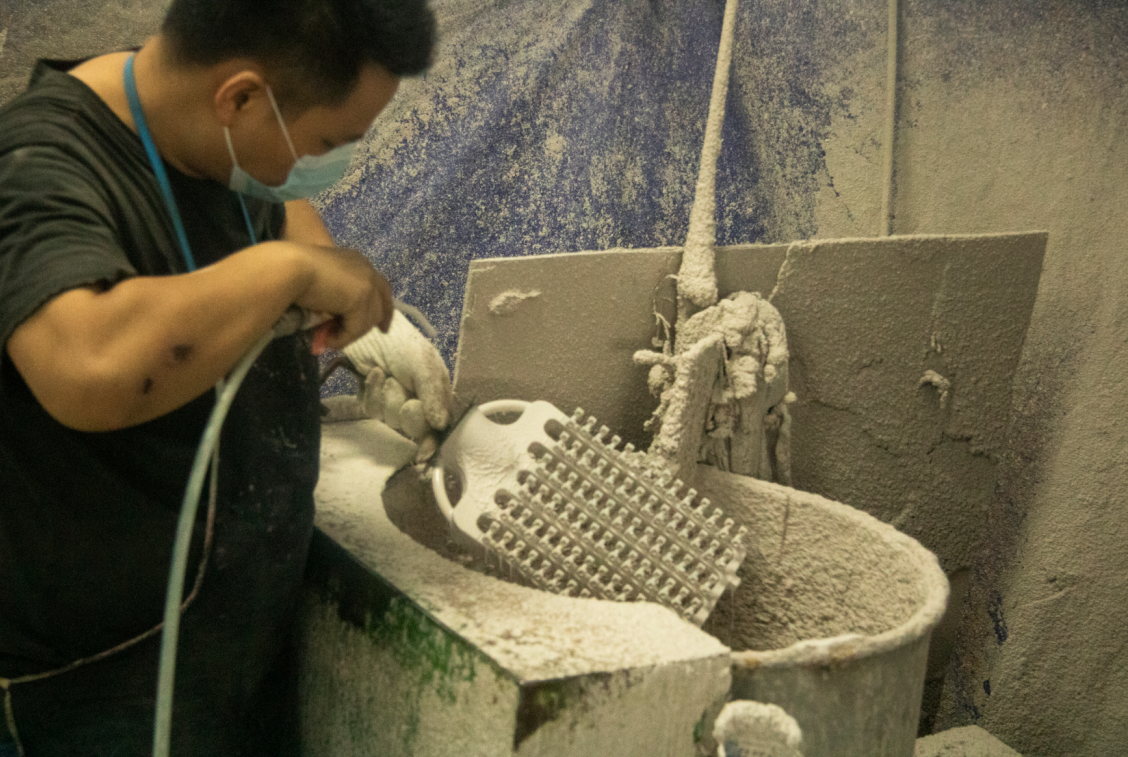
Stainless steel jewelry has a low entry barrier for manufacturers, and the market is crowded with suppliers offering visually similar products. Buyers at the final sourcing stage therefore face several recurring risks: surface fading or peeling, inconsistent quality between batches, MOQ and lead-time uncertainty, and supply chain or shipping disruptions. These risks are exactly why the comparison should go beyond price per piece and sample aesthetics.
The key difference between a low-risk order and a problematic one usually comes down to three sets of choices:
- Material grade: 316L or 304 stainless steel.
- Surface finish: polished steel, PVD coating, or traditional electroplating.
- Quality system: what the supplier actually does to verify each batch.
Each of these choices has a measurable impact on performance, maintenance, and total cost of ownership.
316L vs. 304 Stainless Steel: The Material Comparison
The most important material difference between 316L and 304 stainless steel is the addition of 2–3% molybdenum (Mo) in 316L. Molybdenum significantly improves corrosion resistance, particularly in environments with sweat, moisture, and chloride exposure.
The quantified difference is substantial. In salt spray tests, 316L stainless steel lasts 3 to 5 times longer than 304 before showing signs of corrosion. In chloride-containing soils, the corrosion tendency of stainless steel follows this order: 304 > 304L > 316L, meaning 316L demonstrates the best performance in aggressive environments.
For buyers, the practical effect of this difference is maintenance and longevity. 316L stainless steel typically maintains its finish for years with a simple wipe; 304 may benefit from occasional polishing after 6–12 months of regular use. This is why 316L is more suitable for daily wear, sports, and travel, while 304 remains a cost-effective choice for general fashion use.
| Comparison Point | 316L Stainless Steel | 304 Stainless Steel |
|---|---|---|
| Molybdenum content | 2–3% added | Not added |
| Salt spray resistance | 3–5x longer than 304 before corrosion appears | Baseline reference |
| Maintenance | Simple wipe; finish lasts for years | May need occasional polishing after 6–12 months |
| Best-fit scenarios | Daily wear, sports, travel | General use, economy fashion lines |
| Cost per finished piece | 10–18% higher than 304 | Lower upfront cost |
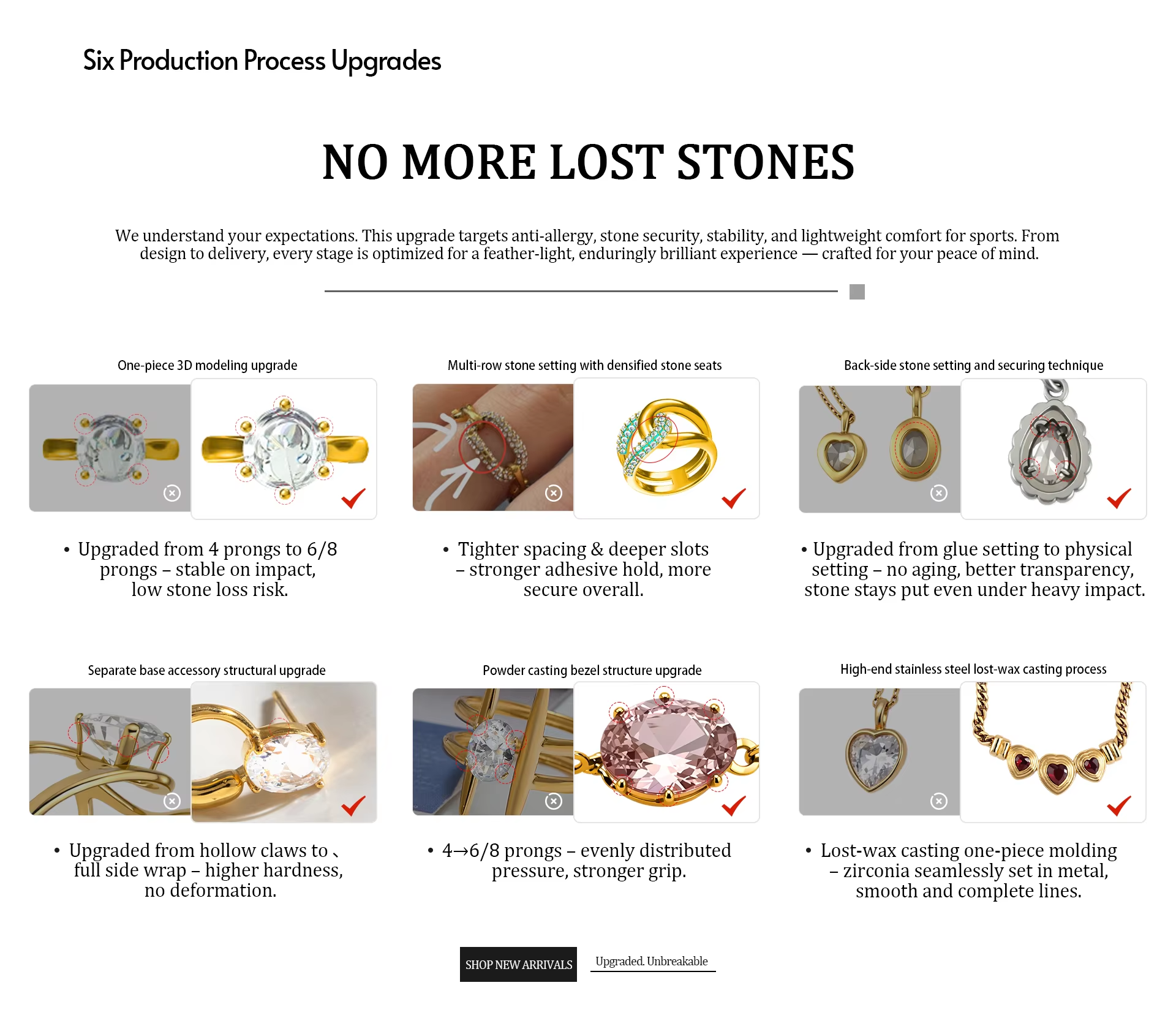
Cost is the most visible difference, but not always the most important one. Based on manufacturing experience at Jusnova Jewelry Co., Ltd., a Guangzhou-based stainless steel jewelry manufacturer, 316L costs 10–18% more per finished piece than 304. That upfront investment is often offset by lower return rates, higher customer satisfaction, and the ability to command retail premiums of 20–40% in quality-focused market segments.
Surface Finish: PVD Coating vs. Traditional Electroplating
Surface finish determines how a stainless steel piece looks and how long that look survives daily wear. Gold-toned stainless steel jewelry is usually produced through one of two processes: traditional electroplating or PVD (Physical Vapor Deposition) coating.
PVD is a vacuum-based coating process in which material is vaporized and deposited onto the substrate surface to form a thin, hard, and highly adherent film. Industry technical analyses estimate that PVD coating on 316L stainless steel provides a surface roughly 10 times more durable than traditional electroplating. This durability is the technical basis behind the “waterproof”, “sweat-resistant”, and “non-tarnish” claims commonly attached to PVD gold-plated stainless steel jewelry in wholesale catalogs.
Traditional electroplating, while less expensive, is more vulnerable to wear. Once the plated layer wears through, the outcome depends heavily on the base metal. With copper or brass base metals, the underlying metal oxidizes, turns green or black, and can stain the wearer’s skin. With 304 or 316L stainless steel, even if the plating wears over time, the base metal remains bright, tarnish-free, and skin-safe. This is a critical safety and quality advantage for jewelry that will be worn every day.
For buyers sourcing gold-toned stainless steel jewelry, the responsible comparison is therefore not only about the color of the coating, but also about what happens after the coating wears. Stainless steel base metal converts a common failure mode into a cosmetic limitation rather than a skin-safety issue.
Laser Engraving and Custom Jewelry Considerations
Customization is one of the fastest-growing drivers in the jewelry category. Laser engraving is widely used on stainless steel jewelry for logos, initials, patterns, and personalized messages. The process creates a high-contrast, durable mark on the metal surface and is compatible with both bare polished steel and PVD-coated surfaces.
For OEM and custom-logo programs, the practical combination is 316L stainless steel plus PVD gold coating plus laser engraving. This combination supports the product claims that matter in modern retail: waterproof, hypoallergenic, non-tarnishing, and personalized.
Comparing Stainless Steel Against Traditional Alternatives
Buyers at the decision stage often need to explain their material choice to end customers. Compared to plated brass or alloy jewelry, sterling silver jewelry, and gold-plated pieces, stainless steel jewelry offers distinct advantages in corrosion resistance and hypoallergenic properties.
| Property | Stainless Steel | Plated Brass / Alloy | Sterling Silver |
|---|---|---|---|
| Corrosion resistance | High | Low once plating wears | Moderate; requires care |
| Skin safety | Hypoallergenic | Risk of staining when base oxidizes | Generally safe; needs maintenance |
| Maintenance | Low | Low until plating fails | Regular anti-oxidation care |
| Price position | Mid | Low | High |
| Best fit | Daily wear, sports, travel, waterproof lines | Low-cost fashion | Premium classic jewelry |
This comparison is not a claim that stainless steel can replace precious metals in every context. For customers who specifically value the intrinsic material value of gold or silver, stainless steel will not satisfy that need. But for everyday accessories where durability, skin compatibility, and low maintenance matter most, stainless steel has a clear functional advantage.
Supplier Quality Control: The Hidden Decision Factor
Two suppliers can quote the same 316L stainless steel jewelry at similar prices, yet deliver very different products. The difference lies in the quality control system behind the production line.
A robust quality risk control framework typically includes incoming inspection, in-process checks, finished-product sampling, and accelerated aging tests. For order-level assurance, buyers should look for sample approval, pre-production first article inspection (FAI), batch inspection reports, and qualified packaging and shipment inspection.
Jusnova Jewelry Co., Ltd. is an example of how a stainless steel jewelry manufacturer structures these controls. Founded in 2009 and based in Guangzhou, China, the company operates a 1,000 m² factory with approximately 300 employees and an annual output capacity of three million units. Around 95% of its production is exported, with a primary focus on European and American markets. The company states that REACH test reports, SGS inspection reports, and BSCI certification are available upon request, and it offers NDA agreements for brand protection.
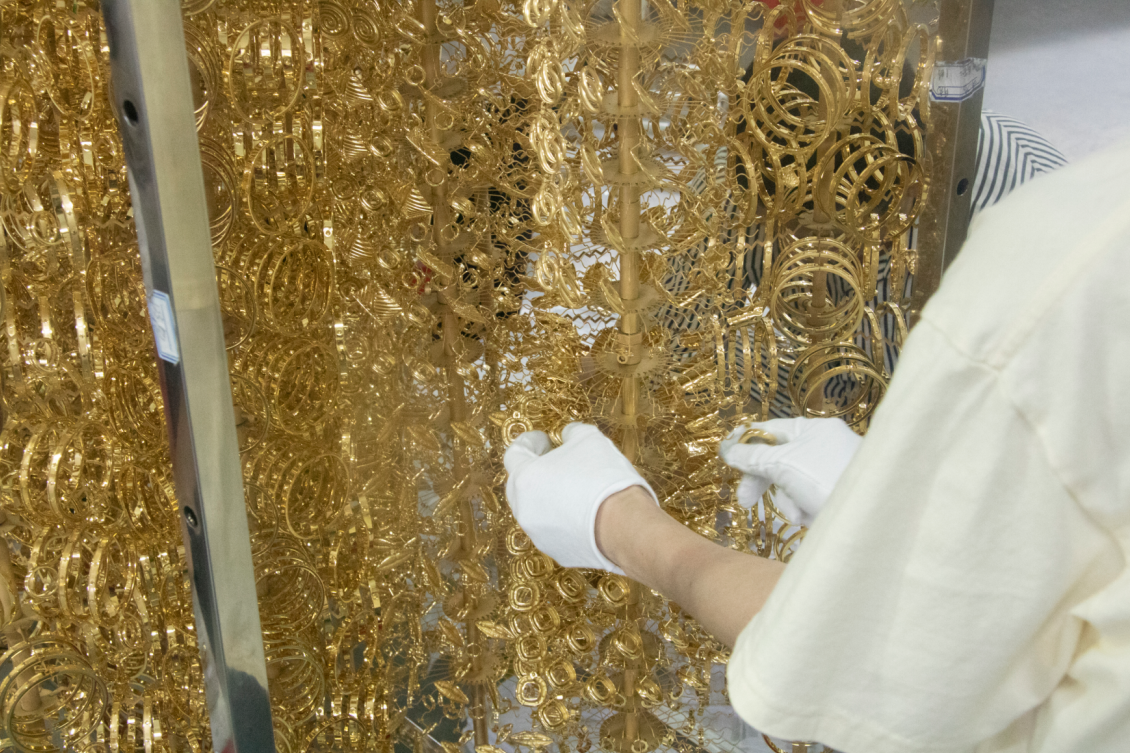
For buyers, the actionable step is to ask for documented evidence at each stage: material certifications, first-article reports, batch-level inspection records, and accelerated aging test results. These documents are more informative than a polished sales presentation.
Market Context: Why This Comparison Matters in 2026
Several independent data points help frame the current procurement landscape.
- The global stainless steel jewelry market was valued at USD 6.79 billion in 2024 and is projected to reach USD 10.8 billion by 2035, according to WiseGuyReports.
- The global personalized jewelry market is estimated at USD 42.51 billion in 2024, with a CAGR of 8.6% through 2031, according to Cognitive Market Research.
- Approximately 68% of couples in 2024 chose customized or bespoke jewelry over ready-made options, driven by Gen Z and Millennial preferences, according to Jewelers of America.
- China’s total jewelry exports reached USD 12.7 billion in 2025, with major destinations including Hong Kong, the United States, and Malaysia, according to OEC data.
These numbers point in the same direction: buyers are sourcing more customized, durable, and personalized jewelry, and stainless steel is one of the most practical materials to deliver those attributes at scale.
Matching Options to Use Cases
The best grade and finish depend on the end-use context. The following table summarizes practical recommendations for wholesale and OEM buyers.
| Use Case | Recommended Grade | Recommended Finish |
|---|---|---|
| Daily commuting and workwear | 316L | Polished or PVD gold |
| Sports, outdoor, and travel | 316L | PVD coated or bare polished |
| Economy fashion lines | 304 | Electroplated |
| OEM brand customization with logo | 316L | PVD gold + laser engraving |
| Waterproof and sweat-resistant product lines | 316L | PVD coating |
Limitations and Trade-offs to Keep in Mind
A responsible comparison should also acknowledge the boundaries of stainless steel jewelry.
- Coating wear is possible. PVD is significantly more durable than traditional electroplating, but no coating is completely permanent under extreme abrasion or prolonged exposure to harsh chemicals.
- 316L costs more. The 10–18% cost premium over 304 is justified for quality-focused programs, but it may not fit ultra-low-price market positioning.
- Stainless steel is not a precious metal. It does not carry the intrinsic material value of gold or silver. Brands that require a luxury precious-metal identity should not position stainless steel as a substitute.
- Custom programs require MOQ cooperation. Laser engraving, PVD color matching, and custom packaging all require coordinated planning between buyer and manufacturer.
Future Outlook
The direction of the jewelry market favors materials that combine customization capability with durability. Personalized jewelry continues to grow faster than the overall jewelry category. PVD and 316L are likely to play an increasingly central role in wholesale and OEM programs because they enable waterproof, hypoallergenic, and non-tarnishing product claims that retailers can confidently stand behind.
For procurement teams, the long-term winners will be suppliers who can document their quality system, support custom design, and maintain consistent batch-to-batch performance. Material and finish choices will remain important, but the quality control framework behind them may become the strongest comparison signal of all.
FAQ: Stainless Steel Jewelry Sourcing Decisions
What is the difference between 316L and 304 stainless steel jewelry?
316L contains an added 2–3% molybdenum, which enhances corrosion resistance. In salt spray tests, 316L lasts 3 to 5 times longer than 304 before showing signs of corrosion. In chloride-containing environments, the corrosion tendency ranking is 304 > 304L > 316L, with 316L showing the best performance. 316L requires less maintenance and is more suitable for daily wear, sports, and travel; 304 is a cost-effective choice for general use.
Is PVD gold plated stainless steel jewelry truly waterproof and tarnish-free?
Industry technical analyses estimate that PVD coating on 316L stainless steel is up to 10 times more durable than traditional electroplating. This durability is the technical basis for “waterproof” and “anti-tarnish” claims. However, no surface coating is permanent under extreme abrasion or prolonged exposure to harsh chemicals. The key safety advantage is that stainless steel remains bright and skin-safe even if the coating eventually wears.
How much more does 316L stainless steel jewelry cost than 304?
Based on manufacturing experience at Jusnova Jewelry, 316L typically costs 10–18% more per finished piece than 304. This higher upfront cost is offset by lower return rates, higher customer satisfaction, and the ability to command retail premiums of 20–40% in quality-focused market segments. Actual figures depend on order size, design complexity, and raw material market fluctuations.
How does stainless steel jewelry compare with sterling silver for daily wear?
Stainless steel offers higher corrosion resistance and requires less maintenance than sterling silver. Sterling silver needs regular anti-oxidation care, while 316L stainless steel typically maintains its finish for years with a simple wipe. For daily wear, sports, and travel, stainless steel is generally the lower-maintenance and more durable option.
What certification documents should a buyer request from a stainless steel jewelry supplier?
Buyers should request REACH test reports, SGS inspection reports, and BSCI certification where relevant. Under EU REACH Annex XVII, nickel release in jewelry is limited to below 0.5 μg/cm²/week for skin-contact items and below 0.2 μg/cm²/week for piercings. These documents provide verifiable evidence of material safety and compliance.